
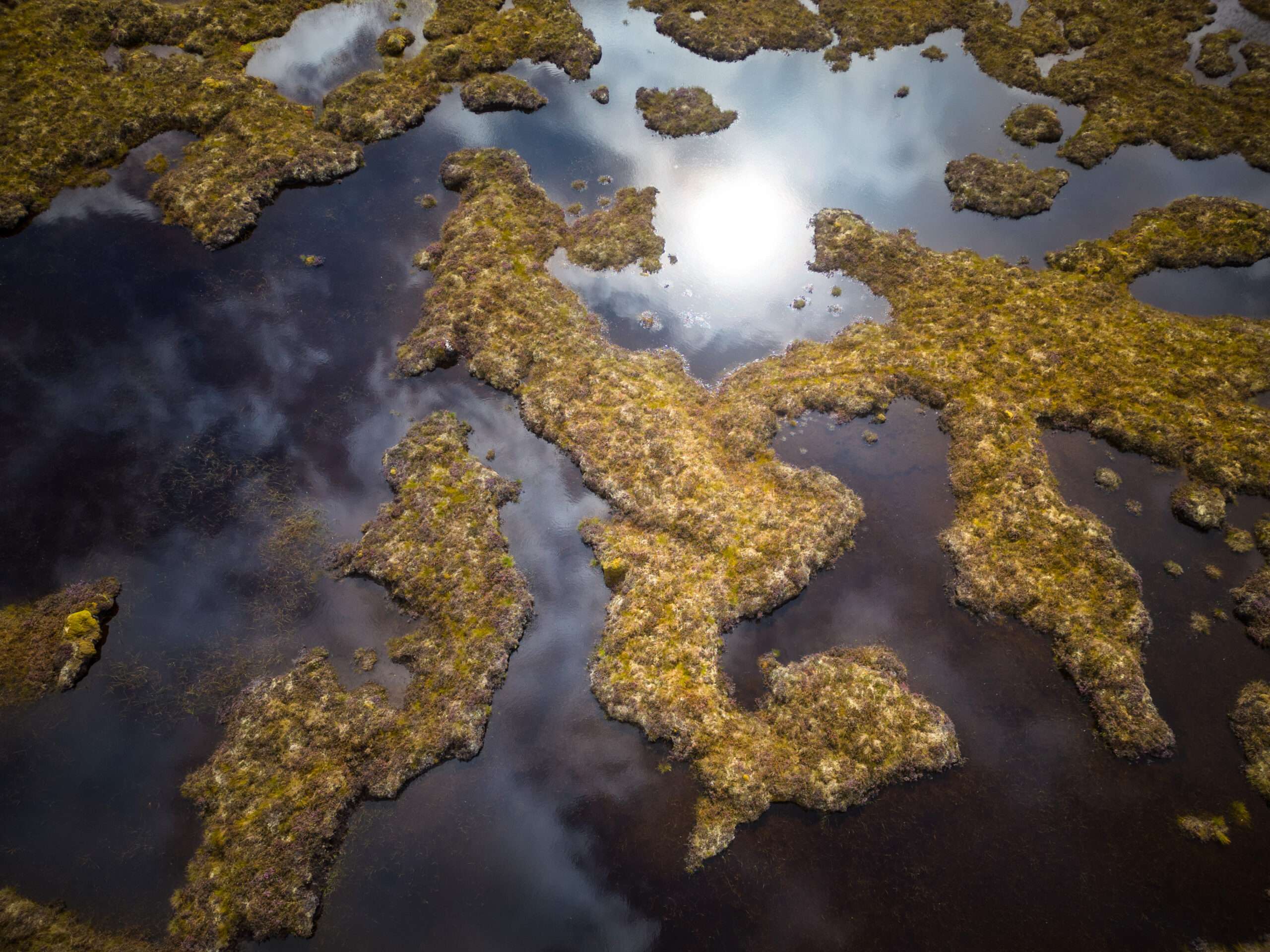
In one of the first and biggest projects of its kind in Scotland, a landscape of more than 1,000 hectares of a globally rare and threatened habitat is being restored near Loch Ness, as part of Britain’s largest rewilding initiative. A partnership of charities, landowners and businesses has joined together to save and repair a connected area of blanket bog – among the world’s rarest habitats – across three neighbouring and diverse landholdings.
It has been facilitated by charity Rewilding Affric Highlands, which coordinates a growing partnership of landowners forming the Affric Highlands landscape. Peatland restoration consultancy Caledonian Climate is providing expert advice and support. The 1,024 hectare-project is being carried out across rewilding charity Trees for Life’s Dundreggan estate, privately owned land at Guisachan, and Corrimony Farm. “This is about restoring a whole ecosystem at landscape scale, with a shared commitment to tackling the nature and climate emergencies and benefitting local communities,” said Stephanie Kiel, Rewilding Affric Highlands executive director.
One of the planet’s most efficient carbon sinks
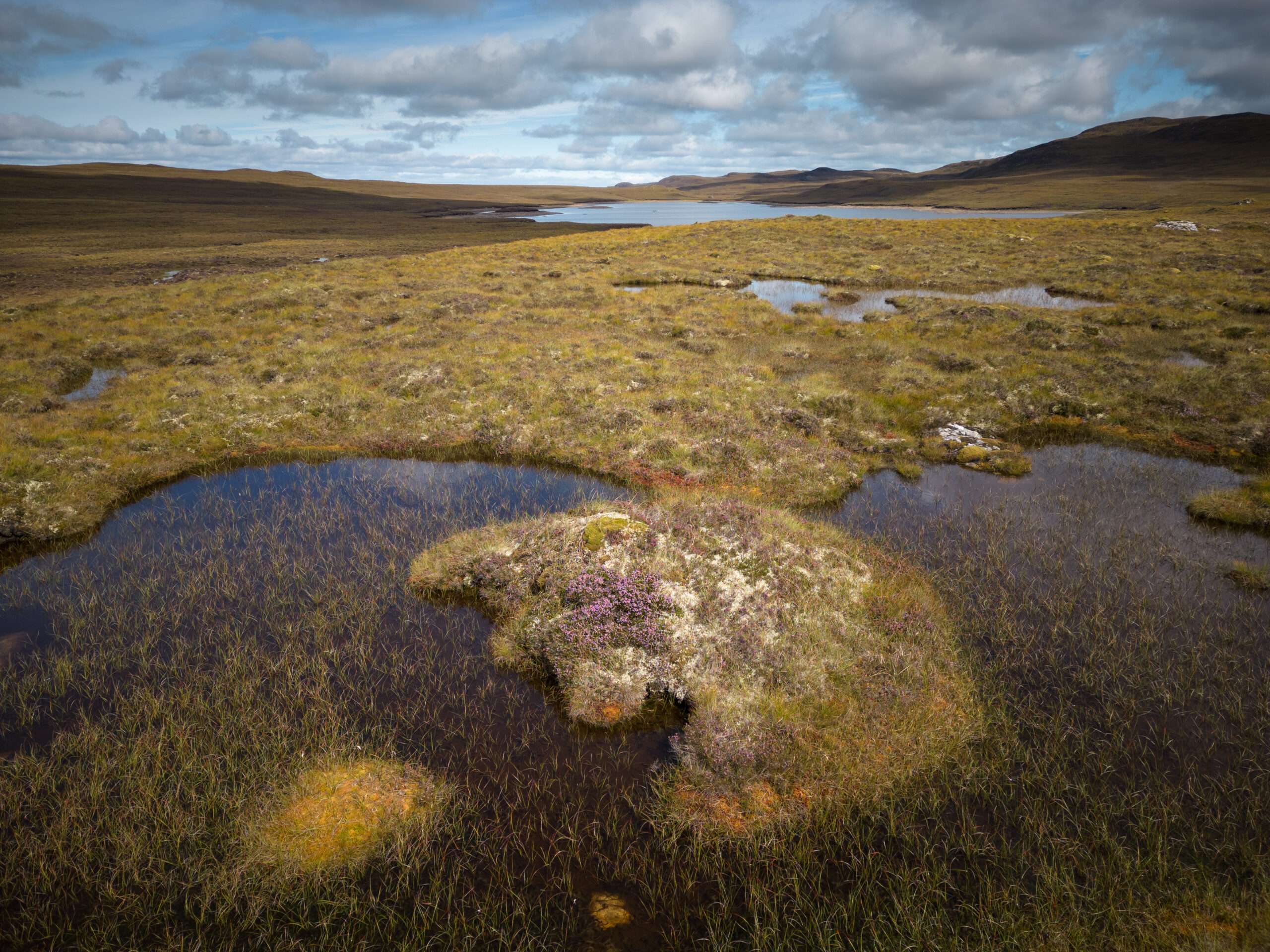
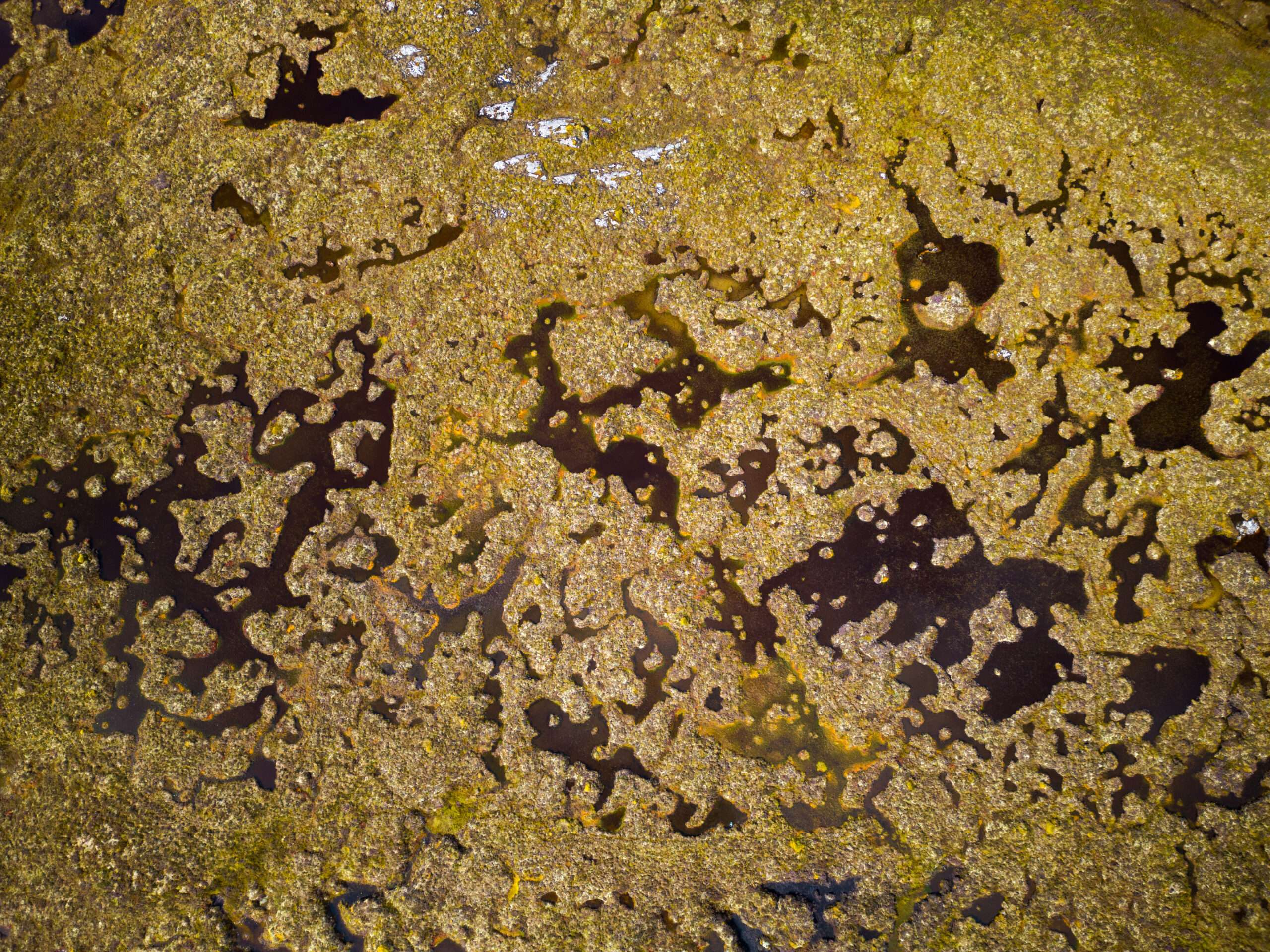
Healthy peatlands are one of the planet’s most efficient carbon sinks. They also reduce flood and wildfire risk by regulating water movement, filter and clean water, and support a unique range of wildlife and plants. Scotland contains 13% of the world’s blanket bog – a type of peatland found in only a few parts of the world with cool, wet or oceanic climates. But 80% of the country’s peatlands are degraded, for reasons including drainage, extraction for fuel, overgrazing, and wildfires. Overgrazing and trampling by high numbers of deer, for example, damages the thin layer of vegetation and prevents natural regeneration of bog plants. The exposed peat then dries out and erodes, worsening climate change by releasing rather than absorbing carbon dioxide.
Peat is a black spongy soil, formed from accumulated layers of sphagnum and other vegetation in waterlogged conditions. A single metre of peat can take 1,000 years to form. “Peatlands are amazing, wild places that are being lost worldwide. With our neighbours, we want this initiative to be a beacon of hope and inspiration for restoring blanket bog across Scotland,” said Gwen Raes, Trees for Life’s Dundreggan estate manager.
Affric Highlands – Britain’s largest rewilding landscape, and a member of Rewilding Europe’s family of major European-wide flagship rewilding landscapes – brings together a coalition of landowners, local people, charities, businesses and others to boost biodiversity, tackle climate change, and create social and economic opportunities. It aims to restore nature across more than 200,000 hectares of the central Highlands, through a linked network of landholdings from Loch Ness to Kintail.
For more information visit: www.affrichighlands.org.
Do you enjoy our content?
Content on the Scottish Banner website remains free for users. Stories and events listed for the international Scottish community continue to be an important resource for many across the world. As advertising revenue remains a challenge, our readers can donate to help us produce unique Scottish content for global Scots. Every contribution counts and thank you for considering your support.
Support the Scottish Banner! To donate to assist with production of our publication and website visit: The Scottish Banner