A history-making Scots dad diagnosed with motor neuron disease (MND) at just 30 years old wants to become the first snowsport athlete with the condition ever to compete at the Paralympic Games. Davy Zyw, now 37, a former competitive snowboarder, has set his sights on the Winter Paralympic Games in Milan in 2026, and cleared a major hurdle this month when medics gave him the green light to compete – provided he qualifies through a tightly contested Parasport World Cup series.
If successful in qualifying, Zyw would become the first Paralympian with MND ever to compete in snowsports – and the first Paralympic athlete with the disease from the UK in any sport. Rower Nick Scandone competed in the Paralympics in 2008 with MND, while curler Cathy Cummins, who was diagnosed in 2005, was an alternate on the US team in Sochi 2014. However, nobody has competed in the Winter Olympics with MND.
The first person with MND ever to compete at international level
Zyw – who harboured ambitions of becoming a full-time professional – was sponsored by major snowsports brands in his teens and early twenties, competing at international age group level before a serious knee injury forced him to focus on a career outside of sport. In October, wine buyer Zyw made history by becoming the first person with MND ever to compete at international level parasport snowsports when won two silver medals in the banked slalom at the FIS Para Snowboard event in Dubai. His best times were just 0.3 seconds behind experienced para snowboarders, including Slovakia’s Adam Kropka – a clear sign Zyw is good enough to compete at the top level.
The Edinburgh-man followed that up with 12th place at the second event in Holland recently, competing against the previous Paralympic champions from Beijing 2022. He still must earn enough points over the coming season to reach the FIS Para Snowboard World Cup series. From there, he needs a top 15 to qualify for Milan. Davy, who will be cheered on by his wife Yvette and three-year-old son, Aleksander, said: “It’d be unbelievable to make it – I get goosebumps thinking about it. At this stage, it’s almost impossible to imagine myself there. The standard of competition is incredibly high, many of my fellow para athletes are full time snowboarders so I’m taking nothing for granted, but to be able to compete at this level is really encouraging. I need to get faster and tighten my technique for the next races, but feel I’m making progress every time I step in.”
Truly inspiring group of athletes
The Edinburgh dad was diagnosed with MND in 2018, and has since dedicated huge amounts of time and effort to raising more than £1m for MND causes including My Name’5 Doddie Foundation through gruelling endurance challenges – including cycling 264 miles across the notorious ‘High Five’ route in the Scottish Highlands in 2022, and riding from Edinburgh to Rome earlier this year. Zyw will compete in the Upper Limb category, against para athletes with a range of disabilities affecting their limbs, including amputees. Zyw’s MND predominantly impacts his hands and arms at present, but will eventually move to other parts of his body. Despite all his fundraising, he believes qualifying for the Winter Paralympics could be his toughest challenge yet, but is determined to give it his all, not only for himself, but to raise further awareness of MND and help the cause and community.
He said: “To qualify for the Winter Paralympics would be phenomenal – it feels a long way off despite the hurdles I’ve already cleared. I thought I was going to be dead within two years when I was diagnosed in 2018, and here I am gearing up for a winter of snowboard racing – I feel incredibly lucky. I am dreaming big and taking the opportunities in front of me, and hope I’m good enough to qualify. Above all I’m going to enjoy the journey and hope to raise awareness along the way. Perhaps, unusually for a para athletes, I’m thrilled that I’m eligible. At one point, I wasn’t even sure I’d be able to compete as there wasn’t a category for MND, or neurological conditions. When they told me I’d at least be able to try was an incredible feeling. The nature of MND means I’m only going to get weaker and more adversely affected as the disease progresses. I have full range of movement in some areas, some muscles are totally gone, and others are in the grey zone. It puts me in a position where I know that even if I get there, I’ll be performing at a lower level versus some other athletes, and yet I’m more able bodied than others – but that doesn’t deter me. Everyone competing in parasport has had huge challenges to overcome by just being on their snowboards, it is a truly inspiring group of athletes to compete with.”
Defied all the odds
Doddie Weir with Davy Zyw.
The next steps are six competitions across Europe, with rounds in Finland, Austria, and Germany. Another challenge will be funding the bid, as until Zyw qualifies for the World Cup series, it is entirely self-funded. So far his efforts are supported by his twin brother Tommy, but believes it will cost at least £15,000 to attend the races he needs. He has set up a Just Giving page to help him get to the events required to qualify. He added: “Tommy has been an incredible support, as he always has been, and we’re looking for potential sponsors to help achieve this goal. I’ll give it my all to make it to Milan. It’s ironic that having MND may now offer a route to fulfill my childhood dream, to compete at snowboarding on the world stage. It’s hard not to get emotional about that. I can’t believe this cruel disease has taken me back to my roots and love of the mountain. But this is a chance to put MND in the global spotlight at one of the biggest sporting events in the world. I have to do it for everybody living with MND.”
Paul Thompson, Director of Fundraising at My Name’5 Doddie Foundation, said: “Davy has defied all the odds to achieve what he has in support of the Foundation and the wider MND community. It would not surprise me one bit if he was to go the whole way to the Winter Paralympics – nobody has greater determination. He has already made history in competing in global parasports with MND, and the whole MND community and beyond will be behind him as he seeks to make more in qualifying for Milan 2026. Best of luck Davy, you can do it!”
You can support Davy by donating on his Just Giving page: www.justgiving.com/crowdfunding/davyzyw. To help raise funds for MND research, take part in My Name’s Doddie Foundation’s biggest annual fundraiser, Doddie Aid, which began on January 1st 2025 at: www.doddieaid.com.
For the first time since before the pandemic the Dressed to Kilt (DTK) charity fashion show is returning to its New York City roots. Co-Founded by Sir Sean Connery and Dr. Geoffrey Scott Carroll in 2003, it is now the most prestigious, largest and exciting Scottish fashion show in the world. It is also one of the largest fashion shows in the world in terms of press and media generation and it is the highest profile Scottish event of New York City Tartan Day.
Country Couture – From the Scottish Highlands to Fifth Avenue
The show theme for 2025 will be “Country Couture – From the Scottish Highlands to Fifth Avenue”. This will be a tribute to the fashion of the countryside and the great outdoors. The DTK runway becomes a stage for outdoor lifestyle fashion that encompasses hunting, hiking, riding, skiing, climbing, boating, etc. There is a ‘Country Chic’ look that is emerging, and this movement is bringing nature back into urban environments. This influence of the countryside in urban style (tweeds, tailoring, plaid, cashmere, leather and suede) is adding warmth and softness to the city silhouettes and attitudes.
Though the fashion runways of New York City are the home of Dressed to Kilt, this annual celebrity show has recently performed to sold-out standing room only audiences in a castle, a cathedral, Washington DC, an airplane hangar in Houston and most recently in Toronto, Canada. This years show will take place at the Church of Heavenly Rest, a beautiful cathedral on Fifth Avenue and 90th Street in front of Central Park. DTK has raised significant sums for Veteran’s causes throughout the years, earning acclaim and extensive recognition. Their partnership with the Navy SEAL Foundation has drawn renewed attention and admiration for their endeavors.
Dressed To Kilt takes place on Saturday April 5th. Tickets on sale, for more details visit: www.dressedtokilt.com.
New analysis of ancient bones and fossils found in a Highland cave has revealed them to be ‘fishier than the average bear’ and could even suggest polar bears once roamed Scotland. Advancements in the chemical study of bones and teeth have enabled experts at the University of Aberdeen and National Museums Scotland to reevaluate fossils collected at the Inchnadamph ‘Bone Caves’ in Sutherland. Analysis of samples uncovered evidence of fish in the diet of animals that, until now, had been identified as brown bears.
Working with University of Edinburgh Master’s student Holland Taekema, and as part of a larger review on the history of bears in Scotland, the researchers compiled new stable isotope data – a technique for the reconstruction of human and animal diets in past populations. They found that for three samples belonging to bears which dated to around 30,000 to 50,000 years old, well before humans occupied the land, the diet was made up almost entirely of marine fish or other seafoods. This finding, say the researchers, who published their results in Annales Zoologici Fennici, is markedly different to the meat and plant-based diet typical of modern brown bears, or those found in the British Isles prior to their extinction in the last 1,000 years, and may even point to the presence of polar bears living in Scotland during the Last Ice Age.
Interesting questions about the ancestry of bears
Professor Kate Britton, from the University of Aberdeen, said: “We have identified several samples which stick out like a sore thumb both from the diets of other bears living in Scotland thousands of years ago and from what we’d expect of today’s brown bears. Instead of consuming the meat of land-based animals, plants, or even a little salmon, like contemporary brown bears, these bears appear to have lived almost exclusively on seafood. This is at odds with what we know about brown bear diets today, but also across the ages. Even modern grizzly bears, known to gorge seasonally on salmon in some places, don’t show anything close to this level of seafood consumption in their diet. The diet is so unusual that we now need to either reevaluate what we know about brown bear feeding ecology or question whether these fossils are brown bears at all. Given they are fishier than the average bear, we now have work to do to understand why and to answer the question as to whether these are brown bears with a unique diet, or a different species or subspecies of brown bear, maybe even polar bears.”
While polar bears are found today only in the circumpolar north, researchers say that as the climate cooled into the Last Glacial Maximum, the seasonal sea ice limit in the North Atlantic would have moved south, potentially enabling polar bears – which are also great swimmers – to spread into more southerly areas than they are found in today. A similar theory was mooted back in the 1990s following the discovery of a bear’s skull with some polar bear-like features, although no further evidence for polar bears in prehistoric Scotland has been found, and more modern archaeological techniques have since called the radiocarbon dating of that particular skull into question.
Dr Andrew Kitchener, Principal Curator of Vertebrates at National Museums Scotland, where the fossil bears are held, added: “When experiencing this habitat expansion, the polar bears may well have encountered the brown bears which inhabited Scotland at this time. As we know that polar bears and brown bears can successfully interbreed today where their ranges overlap, it presents interesting questions about the ancestry of bears that later roamed our islands.”
Main photo: Arktos male polar bear from Highland Wildlife Park – the only place polar bears can be seen in Scotland today. Photo: RZSS.
The University of Glasgow’s Centre for Robert Burns Studies (CRBS) has appointed a PhD scholar for a groundbreaking research project examining Robert Burns’s connections with Freemasonry. The celebrated Scottish poet was not only a prolific writer but also a dedicated Freemason throughout his adult life, serving as Senior Warden of Lodge St Andrew, Dumfries, until his death in 1796, with earlier powerful masonic connections also in Edinburgh and Ayrshire. His Masonic affiliations even influenced his work, including one of his most famous poems, A Man’s a Man for a’ That, which was notably performed at the opening of the Scottish Parliament in 1999.
This pioneering PhD research, funded by The Grand Lodge of Antient Free and Accepted Masons of Scotland, marks the first in-depth academic study of its kind, with unprecedented access to the Grand Lodge’s archives. The doctorate will be supervised within the Centre for Robert Burns, the world-leading research unit at the University of Glasgow. Patrick Jamieson, the new Burns and Freemasonry scholar, said: “It is an honour to have been awarded the Scottish Masonic Scholarship by the University of Glasgow, and to have been given the chance to undertake such necessary research. I am grateful to the Grand Lodge of Scotland for providing unprecedented access to masonic records across the country, most of which date back to Enlightenment Scotland. Already, study of these records has provided information about a number of Burns’s patrons which begins to corroborate previous theories about the role a masonic network might have played in facilitating his ascension to the status of ‘Caledonia’s Bard’. I look forward to delving deeper into the archives over the coming years and discovering new insights into this fascinating and understudied part of Burns’s life and career.”
Caledonia’s bard
Professor Gerard Carruthers, Chair of Scottish Literature, said: “Robert Burns’s career was often boosted by his Masonic networks. There is nothing sinister about this: Burns to begin with did not have a lot of power. Indeed, he did not even have a vote and Masonry provided the poet with access to an intelligent, highly cultured grouping that was objectively interested in him. This new scholarship will give us time for a deep and controlled dive into what Freemasonry brought to Burns.”
Evidence of Burns’s Masonic life is preserved at the Grand Lodge of Scotland in Edinburgh, where his original Masonic apron is displayed in the museum. The Grand Lodge of Ancient Free and Accepted Masons of Scotland, founded in 1736 and headquartered in Edinburgh, with a global presence, has provided full funding for this three-year scholarship, demonstrating their commitment to advancing understanding of Scotland’s cultural heritage. The research will be conducted within the prestigious Centre for Robert Burns Studies, recipient of the Queen’s Anniversary Prize in 2023, the highest national Honour awarded in UK further and higher education. The project aims to explore how Freemasonry’s principles of liberty, fraternity, and equality influenced Burns’s writing and his contribution to Scottish cultural nationalism.
Burns’s Masonic journey began on July 4, 1781, when he was initiated as an Entered Apprentice in Lodge St David, Tarbolton at the age of 23. His rapid rise within the organisation saw him elected as Depute Master of Lodge St James at just 25, demonstrating the high regard in which he was held by his fellow Masons. The celebrated poet’s Masonic life flourished alongside his literary career. It also provided Burns with crucial support and patronage. When his first Kilmarnock edition was published in 1786, 350 members of St John’s Lodge, Kilmarnock subscribed to copies, providing crucial early support for his work. His prominence in Masonic circles grew when the then Grand Master of Scotland, Francis Chateris, famously toasted him as ‘Caledonia’s bard’ at an Edinburgh gathering in 1787.
Main photo: Patrick Jamieson at the museum in The Grand Lodge of Antient Free and Accepted Masons of Scotland in Edinburgh. Photo: Martin Shields.
Would you take travel advice from Scotland’s best loved poet, Rabbie Burns? If so, read on as we follow in his illustrious footsteps! Robert Burns is Scotland’s most celebrated poet. Also known as Rabbie Burns, or The Bard, he was born in 1759, the son of a farmer. During his lifetime, he penned hundreds of songs and poems, and the anniversary of his birth is celebrated on 25 January.
Much like today’s travel bloggers or enthusiastic Trip Advisor reviewers, Burns spent a fair bit of his time travelling and writing about bonnie Scotland. Burns’ exceptional talent meant that he became a celebrity within his short life. He also gained a reputation as a bit of a tear-away. It’s not hard to see why from some of these stories. He got up to all sorts of antics with his travelling companions – some of which would definitely be frowned upon today.
Let’s take a peek at some of Rabbie’s top destinations…
Linlithgow Palace
Linlithgow Palace.
The birthplace of Mary Queen of Scots, Linlithgow Palace is regarded as one of the most spectacular ruins in Scotland. Burns visited the palace on Saturday 25 August 1787 and wrote: “Linlithgow, the appearance of rude, decayed idle grandeur – charmingly rural, retired situation — the old rough royal palace a tolerably fine, but melancholy ruin – sweetly situated on a small elevation on the brink of a Loch – shown the room where the beautiful injured Mary Queen of Scots was born – a pretty good old Gothic Church – the infamous stool of repentance standing, in the old Romish way, in a lofty situation.”
Dunfermline Abbey and Palace
Dunfermline Abbey at sunset.
Founded as a priory in about 1080, Dunfermline Abbey is famous for being a mausoleum to some of Scotland’s greatest monarchs. Robert the Bruce and the abbey’s founder, Queen Margaret, are buried here.
Burns visited the abbey in 1787 with John Adair, who wrote: “Here I mounted the cutting stool, or stool of repentance; while Burns from the pulpit addressed to me a ludicrous reproof and exhortation, parodied from that which had been delivered to himself in Ayrshire when he had mounted the seat of shame.”
It is reputed that Burns also kissed the tomb of Robert the Bruce.
Stirling Castle
View of Stirling Castle from below.
Unsurprisingly, Stirling Castle was also a stop off point for Robert Burns. In 1787 he visited Stirling on his way to Inverness. It seems the visit stirred Burns’ Jacobite sympathies as he penned a poem known as the Stirling Lines.
Here Stuarts once in glory reigned,
And laws for Scotland’s weal ordained;
But now unroofed their palace stands,
Their sceptre’s swayed by other hands;
Fallen, indeed, and to the earth
Whence grovelling reptiles take their birth,
The injured Stuart line is gone.
A race outlandish fills their throne; An idiot race, to honour lost;
Who knows them best despise them most.
The words were etched into the window of a local inn with a diamond pen. The pen had been gifted to him by the Earl of Glencairn, and there are quite a few examples of Burns using it to make his mark on the places he visited. There are several stories around the Stirling Lines.
Some suggest that the lines had been written by his friend William Nicol and that Burns took responsibility for the controversial lines which criticised the Hanovarian rulers. It is also said that Burns returned a couple of months later to smash the window with a riding crop and destroy the contentious poem, but the lines had already been copied down and circulated. The palace has now been reroofed and its Renaissance splendour lavishly restored – you can see it on a visit to Stirling Castle.
Crookston Castle
View of the medieval castle at Crookston.
This castle, dating from the 1400s commands sweeping views of Glasgow. One of its most famous inhabitants was Henry Stuart, Lord Darnley – Mary Queen of Scots second husband. Legend has it that the couple were betrothed under a yew tree in the castle grounds. Burns is said to have carved his name onto a piece of wood from the very same yew tree.
Clackmannan Tower
View of Clackmannan Tower.
Did you know that Robert Burns was ‘knighted’ once? The reason he isn’t called Sir Robert today is that it wasn’t the king who knighted him, but Catherine Bruce, a descendent of Robert the Bruce. A staunch Jacobite, she claimed to have a much greater right to bestow a knighthood than ‘some people’. By that she meant the Hanoverian monarch. Lady Catherine knighted Burns at Clackmannan Tower in August 1787 with the sword of her illustrious ancestor.
Edinburgh Castle
Home to royalty, stronghold of the Scottish crown jewels, and military fortress, Edinburgh Castle has been at the hub of the city for centuries. The Bard lived in Edinburgh for a spell in the 1780s, partly in the Lawnmarket, near the castle.
Text by: Samuel Wilson. Text and images courtesy of Historic Environment Scotland. Historic Environment Scotland is the lead public body established to investigate, care for and promote Scotland’s historic environment. For more details see: www.historicenvironment.scot or to read more unique content see their blog at: https://blog.historicenvironment.scot
It’s not only Hogmanay (December 31st) that gives Scots an excuse for a party; Burns Night (January 25th) is traditionally the time each year when Scotland’s Bard, Robert Burns, is celebrated on the anniversary of his birth. Scotland is host to many events to mark the occasion, from music as well as a traditional ceilidh. Revellers can top the night off with a plate of haggis, neeps and tatties and a dram of whisky.
After enjoying the food, Scotland fans can then follow in the Bard’s footsteps across Scotland, including his birthplace, Alloway in Ayrshire – home to the Robert Burns Birthplace Museum – and Dumfries, which is home to places such as Ellisland Farm (built by Robert Burns as his home in 1788) and the Globe Inn pub (established in 1610 and regularly frequented by Burns and home to some fascinating memorabilia).
Burns travels
The Bachelors’ Club in Tarbolton.
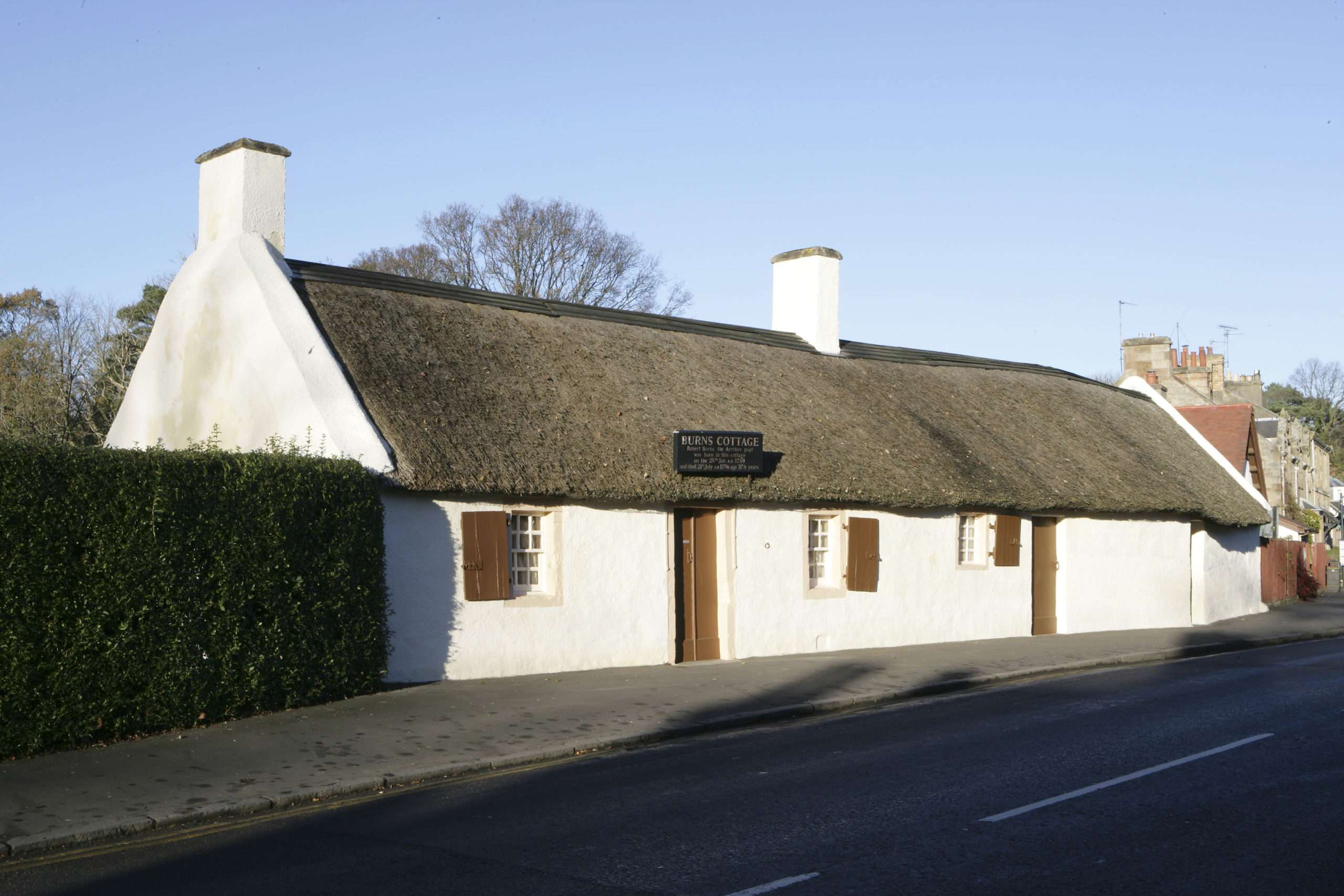
Locations with a Burns connection are fascinating and certainly worth visiting on a trip to Scotland, including the Robert Burns Birthplace Museum in Alloway, South Ayrshire. There is also an opportunity to visit the home of Souter Johnnie, who was immortalised in a famous Burns poem, in Kirkoswald. Other Burns attractions in Ayrshire include the Bachelors’ Club in Tarbolton, the 17th century thatched cottage where Burns established his debating club, and the Burns House Museum in Mauchline where Robert Burns lived and worked between 1784 and 1788. Burns enthusiasts, or anyone simply interested in seeing a beautiful corner of Scotland, can take a trip to Dumfries & Galloway. Burns’ former home Ellisland Farm is now a museum where some of his original writings and possessions are on display.
A welcome sight for those in search of warmth and comfort (and perhaps a whisky), the Globe Inn in Dumfries is notable in that it is one of the country’s oldest hostelries and used to be frequented by Burns himself. It is rumoured that anyone who dares sit in Burns’ old chair (which is still at the bar) is challenged to recite a line of his poetry and buy everyone a drink at the bar. Whilst in Dumfries, visitors can also spend an afternoon at Burns’ final home, Robert Burns House, on the aptly named Burns Street. Discover the famous Kilmarnock and Edinburgh editions of Burns’ work and take a look around the study where he wrote some of his best-loved poems. The Burns Mausoleum, the final resting place for Burns, his widow Jean, and five of their children, is also only a short walk away in St Michael’s Kirkyard.
Robert Burns’ connections with Scotland’s capital have long been celebrated. On 28 November 1786 when Robert Burns arrived in Edinburgh its gates were flung open to him. He stayed on Baxter’s Close in a house which has been demolished and is now Deacon Brodie’s Tavern on the Royal Mile. Also based on the city’s Royal Mile, the Writers’ Museum has a permanent Robert Burns collection which is recognised to have national significance. Displayed in the museum is a collection of portraits of Burns along with the writing desk from his Dumfries home at which he wrote some of his best-known work. Whilst in Edinburgh, fans of Burns will be able to see one of the most famous portraits at the Scottish National Portrait Gallery – Alexander Nasmyth’s portrait of Robert Burns.
Hosting a Burns Supper
Along with haggis, neeps (turnips) and tatties (potatoes), here are the instructions for a perfect gathering on 25 January. To start – everyone gathers, the host says a few words, everyone sits and the Selkirk Grace is said. The meal – the starter is served, the haggis is piped in (by a piper in a kilt naturally), the host performs Address to a Haggis, everyone toasts the haggis and the main meal is served, followed by dessert (cranachan is a great option.)
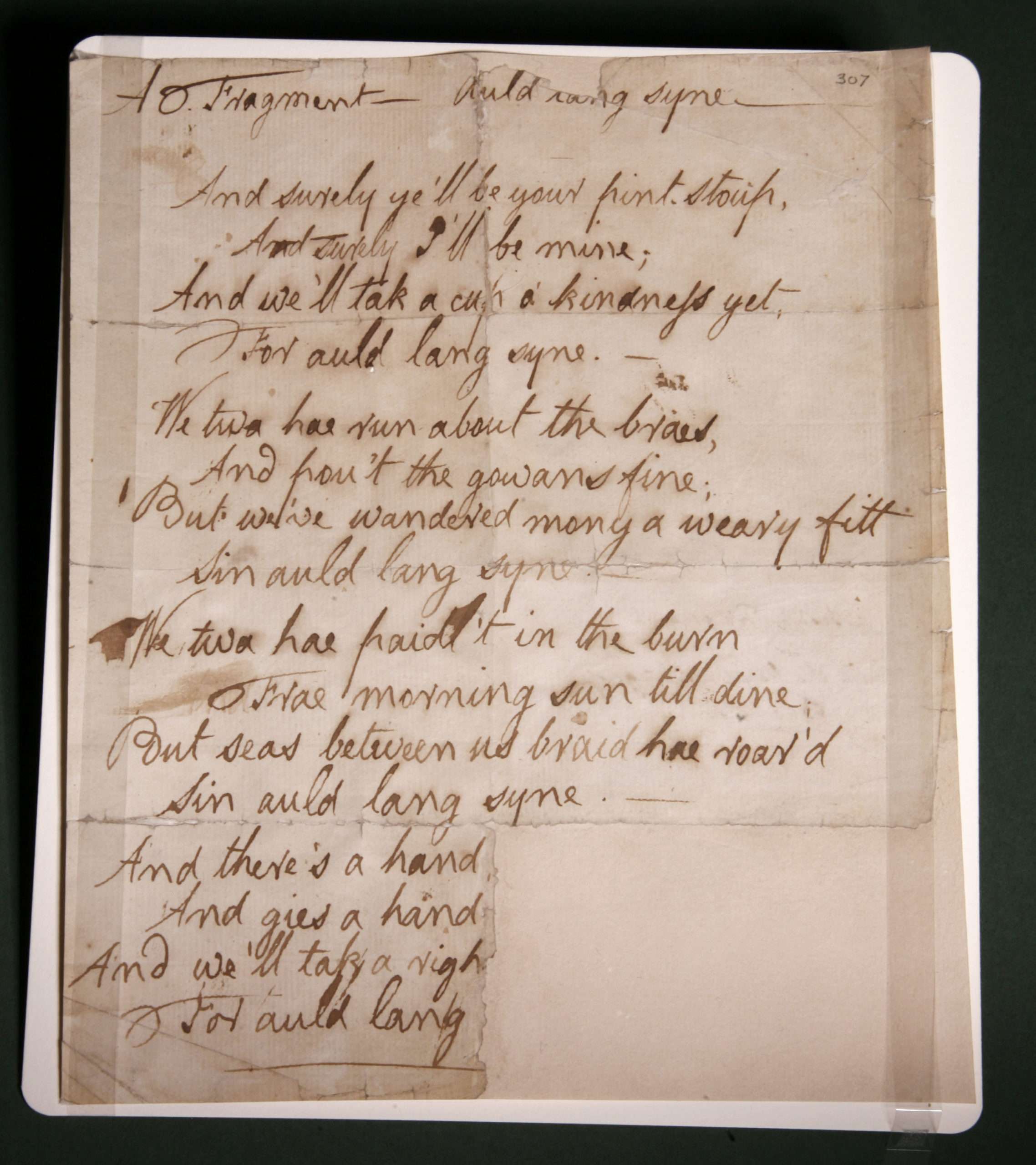
After the meal, the first Burns recital is performed, the Immortal Memory (the main tribute speech to Burns) is given, the second Burns recital is performed, and then there’s a Toast to the Lassies, followed by a Reply to the Toast to the Lassies, before the final Burns recital is performed. To end the night – the host gives a vote of thanks, everyone stands and sings Auld Lang Syne, crossing their arms and joining hands at the line ‘And there’s a hand, my trusty fere!’.
Annie Lennox has never been interested in sticking to bland platitudes or ignoring injustice. Ever since the teenager left Aberdeen High School for Girls in the 1960s and ventured to London with ambitions of orchestrating a successful music career, she has developed into one of Scotland’s greatest pop stars and a tireless activist for multiple causes. The myriad hits speak to her versatility: the androgynous video which propelled her to global stardom as one half of Eurythmics with Sweet Dreams; and the powerful voice which joined forces with Aretha Franklin in Sisters Are Doing It for Themselves.
The Granite City
Annie Lennox on the Eurythmics touch album cover.
On her own, the title of her solo album, Diva, amplified the message that she was the mistress of her own destiny, whether rocking the charts with Walking on Broken Glass and Why or following it up with Medusa and No More ‘I Love You’s’. Annie has not enjoyed a comfortable relationship with Aberdeen, despite being its most famous musical daughter. On the contrary, the woman who was brought up in a two-room tenement in Hutcheon Street, has spoken out on many different issues. It hasn’t always made her friends or provided cosy conversations. But the woman who celebrated her 70th birthday on Christmas Day remains one of life’s rugged individualists.
In 1988, at the height of her success, Annie agreed to become a patron for Haddo House Hall Arts Trust. This should have been an ideal opportunity for her to indulge in a few upbeat statements about nurturing young people’s potential. Yet, while there were positive noises about her new role, there was plenty of other stuff which testified to Annie’s belief that the Granite City hadn’t done itself any favours. As she said: “I feel very distressed about the kind of ravaging that has gone on in the centre of Aberdeen and I’m very upset about it.” Even as Eurythmics were preparing for global acclaim in the early 1980s, Annie found herself in her home city battling with depression and afraid to leave her own home. Which means that anybody who listens to Sweet Dreams and regards it as an uplifting anthem is wide off the mark. On the contrary, it was a cry for help with a catchy hook.
Agoraphobia
Annie Lennox and Dave Stewart.
Eurythmics bandmate Dave Stewart was forced to spend time in hospital with a collapsed lung and Annie, seeking refuge from disappointing sales of the first Eurythmics album, travelled back to her roots and began to contemplate whether she could continue with her music career. She said: “I spent a great deal of time crying. I hit rock bottom. My self-esteem dropped to an all-time low and I was suffering from agoraphobia. I couldn’t go outside the door. Whenever I did, I started having panic attacks, I would get palpitations and come out in cold sweats. It was horrible. In the end, you realise that you are devastatingly alone in the world. And no matter how much you want to get out of that sort of thing, it’s hard to crack. It has to come entirely from within yourself and eventually you have to start thinking about your own self-preservation. (As for Sweet Dreams) It’s basically me saying ‘Look at the state of us. How can it get any worse?’ It’s about surviving. It’s not a normal song so much as a weird mantra that goes round and round, but somehow it became our theme song.”
That ambivalence has embodied Annie’s career, but nobody can deny the creative vim and vigour and boundless energy which she has brought to her life on and off stage. She appeared at Nelson Mandela’s 70th birthday concert in 1988; became a public supporter of Amnesty International and Greenpeace; recorded music to increase Aids awareness; and was fiercely critical of the war in Iraq in 2003. Five years later, she founded The Circle of Women, a private charitable organisation to raise funds for projects and backed the principle of an independent Scotland. Archbishop Desmond Tutu said of her: “She is one of those exemplary human beings who chose to put her success in her chosen career to work in order to benefit others.” There were similar glowing words when she sang in front of Barack Obama. And when she pushed her horizons into boosting the lives of women in Malawi. She has cared passionately about equality and enhancing women’s rights in countries where they were too often abused or disregarded.
And yet, her involvement in campaigning hasn’t been merely reserved for international matters. When oil tycoon, Sir Ian Wood, proposed a “transformational” scheme in Aberdeen’s Union Terrace Gardens in 2009, Annie wasn’t impressed by the plans. And that’s putting it mildly. Casting her gaze over what was being advocated, she described it as “architectural vandalism.” And she wasn’t finished there. As she later wrote: “The heart of my home city of Aberdeen was simply torn down. It makes my heart sick and still does. What went in its place were these vile, concrete monstrosities. Don’t get me wrong – I love modern architecture, but not when the historical is replaced by the goddam awful. Go to Florence, Paris or Rome. They don’t have a problem living with antiquity.”
Thrawn
In many respects, Annie is a contradictory character. A private person with a desire to fight for her beliefs in public; a Scot with an internationalist streak who often seems happier abroad; and somebody whose charismatic performances mask a deep shyness.So, it was hardly surprising she was stunned when she delved into her family background in the BBC programme Who Do You Think You Are? In 2012. It emerged that her great-grandmother, Isabella McHardy, was hauled before the Kirk Session in 1852 after giving birth to an illegitimate child – Annie’s great-grandfather, George Ferguson – which was regarded as scandalous behaviour in the Victorian era. Her maternal grandparents, William Ferguson and Dora Paton, were a gamekeeper and a dairymaid; two different sides of the coin which flicked between Balmoral and Torry.
Ultimately, there’s no definitive description which applies to Annie Lennox. As she once told the Press & Journal, she was grateful for the music tuition she received at school. But….”I had to leave Aberdeen in order to develop musically. Yet, if I hadn’t had the chance to have the musical experiences I had as a child here, I don’t think I would have gone on to be in Eurythmics in the first place.”
There’s a grand Scottish word for people such as her: thrawn. If the term is applied to a man, it’s usually done admiringly. If it’s a woman, then she must be difficult. Just don’t use these words in Annie Lennox’s company!
A new winter light show experience will be bringing a festive glow to the award-winning Landmark Forest Adventure Park at Carrbridge near Inverness in the Scottish Highlands (on now until 19th February 2025). The ‘Ancient Forest Twi-LIGHTS’ experience will allow visitors to follow a one kilometre woodland trail and immerse themselves in the enchanting ancient pinewood forest, illuminated by over 50,000 lights and effects.
Special features include a UV light tunnel and a ‘Red Squirrel Trail’, a treetop journey that takes visitors eight meters up into the forest canopy for stunning views of the illuminated woodland below.
A festive glow
Landmark Forest Adventure Park is part of the new Visit Cairngorms winter campaign, which is promoting the UK’s largest National Park as the ultimate winter travel destination for 2024. Lisa Anderson, Marketing and Sales Manager at Landmark Forest Adventure Park, said: “We’re thrilled to announce our new ‘Ancient Forest Twi-LIGHTS’ experience for 2024/5. Over 50,000 lights will illuminate the pinewood forest, bringing a festive glow and creating a truly magical atmosphere. Our ‘Red Squirrel Trail’ will take visitors up into the treetops for a unique view of the stunning illuminated forest. With nearly 10,000 visitors expected, we’re excited to welcome people of all ages from across Scotland and the rest of the UK to this unforgettable experience”.
Lisa added: “Winter is a truly special time to visit the Cairngorms National Park. Whether you’re seeking outdoor adventure or a peaceful walk-through frost-covered forests, this season offers something unique for everyone. During the winter months, Landmark Forest Adventure Park offers a variety of both indoor and outdoor activities for visitors to enjoy.”
The ultimate winter travel destination
The event incorporates the original Treetop Trail, built nearly 30 years ago and now expanded for improved accessibility, including buggy and wheelchair access. Landmark Forest Adventure Park was named ‘Best Visitor Attraction’ 2024 at the Highlands & Islands Thistle Awards (HITA) in 2024. Landmark Forest Adventure Park is part of the Visit Cairngorms winter campaign, which is promoting the UK’s largest National Park as the ultimate winter travel destination. Led by Cairngorms Business Partnership (CBP), over 370 tourism firms are now coming together to promote the Cairngorms National Park as the UK’s ‘original winter destination’.
The Cairngorms National Park ‘Where Winter Comes to Life!’ campaign is showcasing over 1,700 square miles of Highland winter wonderland filled with seasonal magic, including Landmark Forest Adventure Park at Carrbridge. The CBP is working with tourism businesses across the region to help extend the season and bring business to local visitor economies over the quieter winter months, with a focus on outdoor adventure, wildlife and nature, health and wellbeing, food and drink, culture and heritage.
One of Europe’s most important archaeological finds of the century will be showcased in a landmark exhibition at the South Australian Museum in early February 2025.
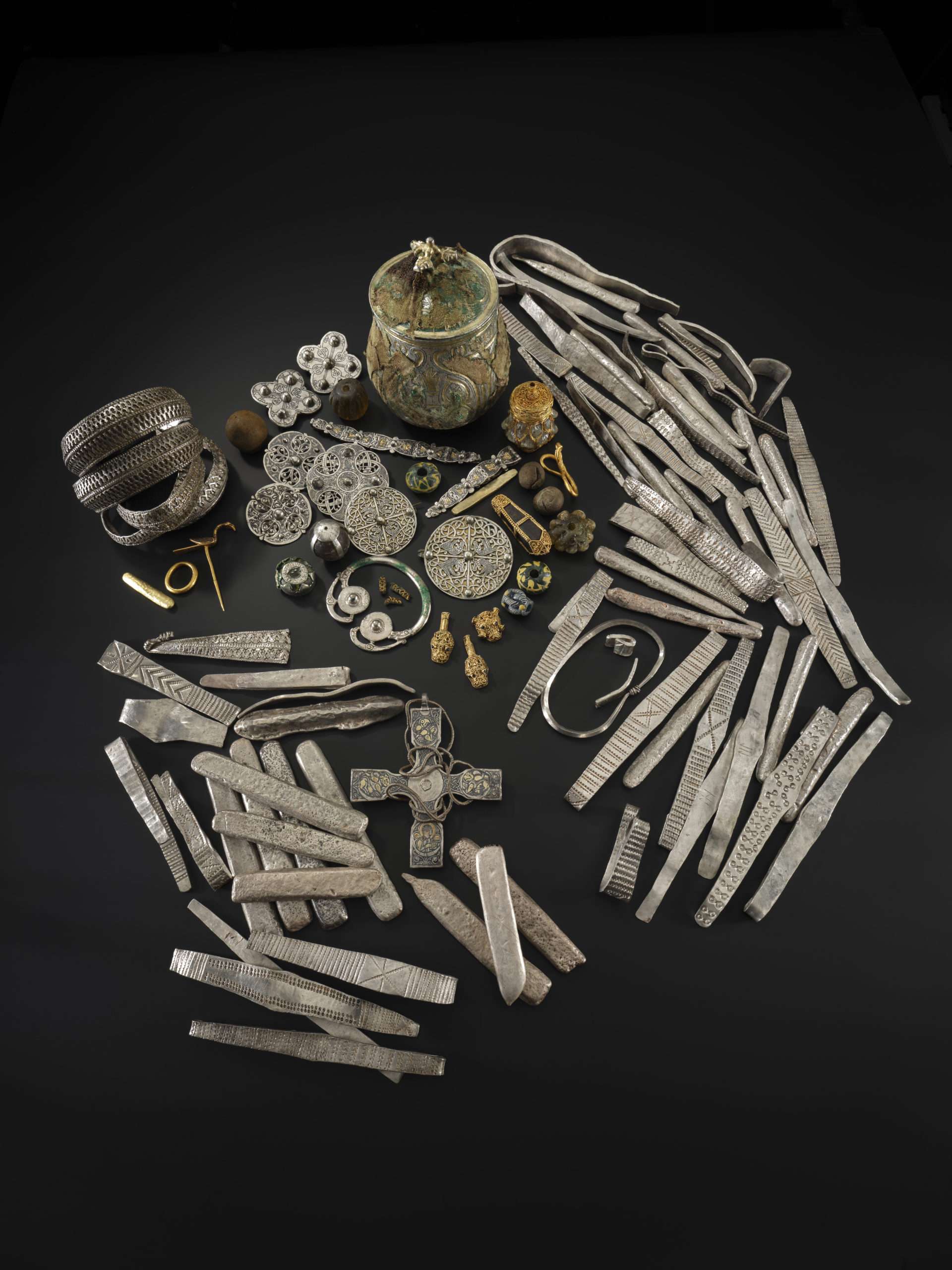
In an international coup, Adelaide is the first stop on a world tour of the exhibition, Treasures of the Viking Age: The Galloway Hoard, and it will be the very first time this precious collection of objects has ever travelled outside the United Kingdom. The Galloway Hoard is the richest find of rare and unique Viking-age objects ever made in Britain or Ireland. Buried around AD 900 and only discovered in 2014 in southwest Scotland, the Hoard contains a stunning variety of objects and materials buried together at one time.
Dr. Martin Goldberg, Principal Curator, Medieval Archaeology & History, National Museums Scotland, said: “The Galloway Hoard has repeatedly drawn international attention since its discovery and acquisition by National Museums Scotland. But this hoard was in many respects a journey into the unknown, and the exhibition presents all the amazing discoveries we have made through our research. We’re delighted the exhibition can now be seen by audiences outside the UK, a once-in-a-lifetime opportunity to experience these exceptional objects in person.”
Significant Viking-age artifacts
Anglo-Saxon metalwork from inside the lidded vessel from the Galloway Hoard.
Dr. David Gaimster, CEO, South Australian Museum, said: “The Galloway Hoard is a rich collection in every sense, from rare and unique examples of gold and silverwork that shows the artistry of the period to items of hacked bullion that show the intensity of trade and exchange. Taken together, this hoard challenges popular understandings of this period in world history. Indeed, the Hoard reveals the extensive networks of trade and exchange that stretched from Scandinavia and the Atlantic across to Central Asia and the Silk Routes. We are delighted to partner with National Museums Scotland to bring the Galloway Hoard halfway across the globe for Australian audiences to experience up close – a turn of events the Hoard’s original owners could scarcely have imagined.”
Minister for Tourism, the Hon Zoe Bettison MP said: “We are thrilled to welcome the Treasures of the Viking Age: The Galloway Hoard exhibition to South Australia. This world-first showcase of such significant Viking-age artifacts outside the UK is a testament to our state’s growing reputation as a premier cultural destination. The exhibition will not only offer South Australians a unique opportunity to experience this extraordinary collection but will also attract visitors from across Australia and internationally, boosting our tourism sector and local economy. This is exactly the kind of world-class event that puts Adelaide on the global stage and reinforces our position as a vibrant, culturally rich city.”
Ancient world
The exhibition shows how the Hoard was buried in four distinct parcels and as the visitor is drawn further into this ancient world each parcel becomes richer and more unusual. The top layer was a parcel of silver bullion and a rare Anglo-Saxon cross, separated from a lower layer of three parts: firstly, another parcel of silver bullion wrapped in leather and twice as big as the one above; secondly, a cluster of four elaborately decorated silver ‘ribbon’ arm-rings bound together and concealing in their midst a small wooden box containing three items of gold; and thirdly, a lidded, silver gilt vessel wrapped in layers of textile and packed with carefully wrapped objects that appear to have been curated like relics or heirlooms. They include beads, pendants, brooches, bracelets, relics and other curios, often strung or wrapped with silk.
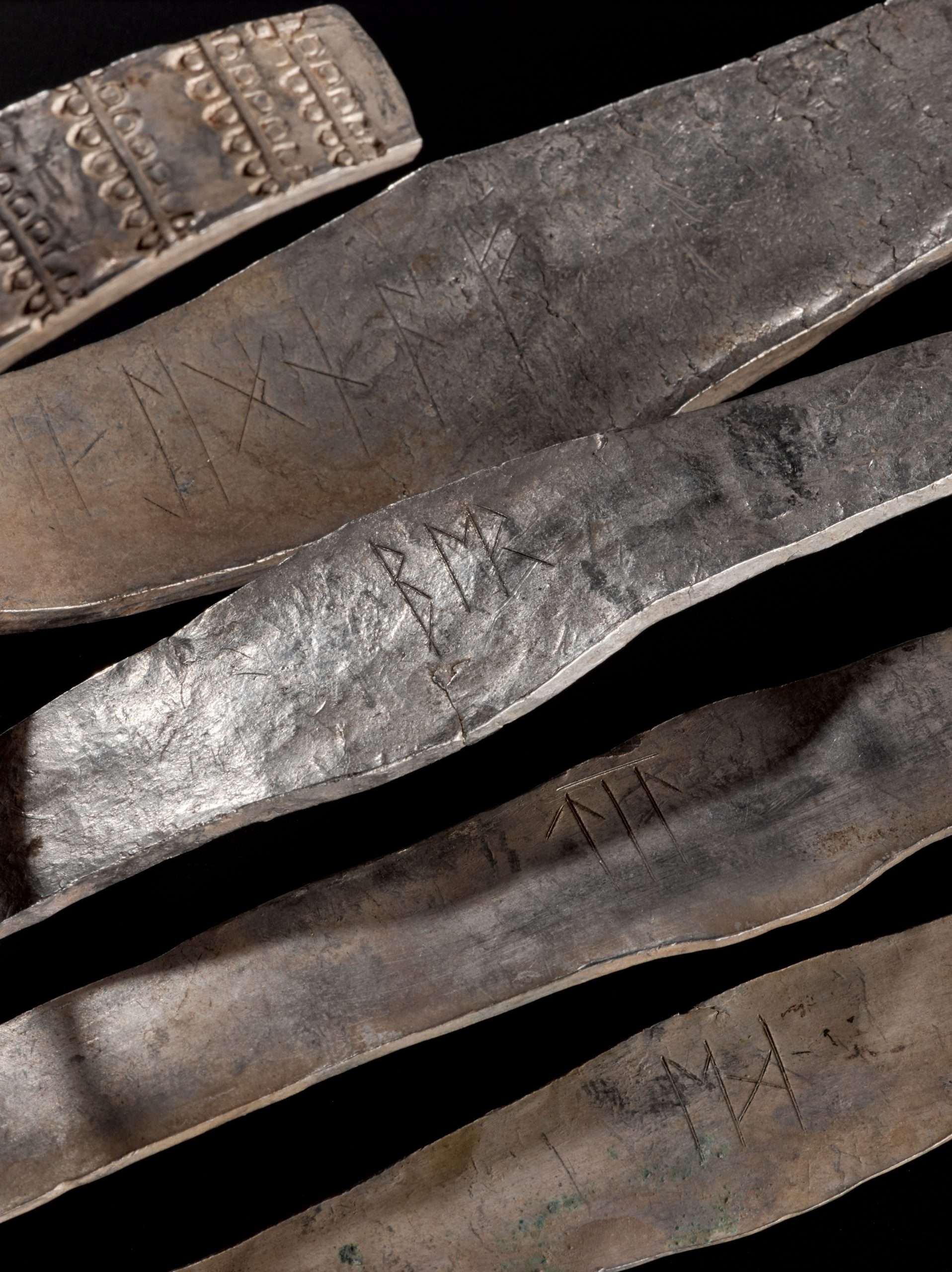
Decoding the secrets of the Galloway Hoard has also been a multi-layered process. Decorations, inscriptions, and other details hidden for over a thousand years have been revealed through careful conservation, painstaking cleaning, and cutting-edge research by a team of experts led by National Museums Scotland. Conservation of metal objects has revealed decorations, inscriptions, and other details that were not previously visible.
Never been seen before
Beads, curios, and heirloom objects were bundled and strung together resting as a group on a silver brooch-hoop at the top of the lidded vessel in the Galloway Hoard.
Many of the objects are types that have never been seen before in Britain and Ireland. Some had travelled thousands of miles to reach Scotland. Some items are too fragile to travel long distances, particularly those which still have rare traces of textiles that have survived for more than 1,000 years. The exhibition will employ audio visual and 3D reconstructions to enable visitors to experience these objects and learn more about the detailed research that is being done.
In a surprising twist, the South Australian Museum has also uncovered two Viking Age pieces in its own collection of world cultures material, and they will also go on display for the first time to coincide with the exhibition. A private collector from Sweden, Bertil Gunnarsson-Hagman, donated two brooches from Gotland to the Museum after settling in Adelaide during the 1940s. The Swedish Island of Gotland occupied a strategic position in Viking Age trade networks. The bronze women’s brooches would have originally been flashy fashion accessories, gilt in gold and silver to highlight the intricate metalwork. Authentic Viking Age items like this are rarely found in Australian museum collections.
The Galloway Hoard was acquired by National Museums Scotland in 2017 with the support of the National Heritage Memorial Fund, Art Fund, and the Scottish Government, as well as a major public fundraising campaign. Since then, it has been undergoing extensive conservation and research at the National Museums Collection Centre in Edinburgh.
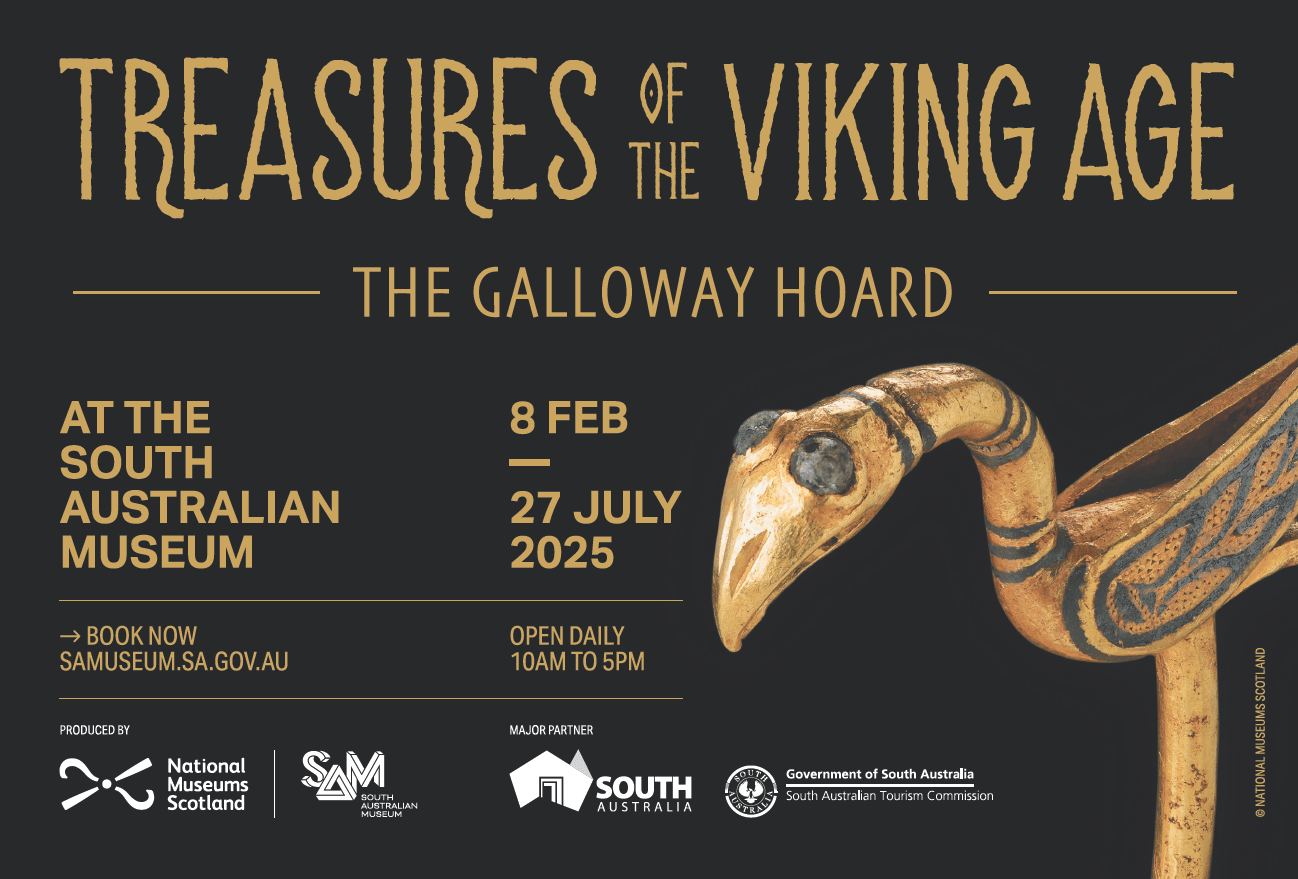
Treasures of the Viking Age: The Galloway Hoard will be on show at the South Australian Museum from 8 February to 27 July 2025. Tickets to this landmark exhibition will go on sale next month, and the exhibition will be accompanied by a huge program of events for all ages including regular Friday night openings and a two-day Vikingfest in late June, with support from the Adelaide Economic Development Agency. For details see: www.samuseum.sa.gov.au
Are you looking to travel to Scotland in 2025? Here you will find a list from VisitScotland of new attractions, events, and celebrations for the year ahead!
From unveiling a reimagined landmark castle, to Scotland’s largest city celebrating a historic anniversary, to endless epic waves and adventure awaiting at Scotland’s first surfing resort…2025 looks to be another standout year. Offering awe-inspiring landscapes, a vibrant culinary scene, soul-stirring experiences, and a warm, welcoming spirit, Scotland is the ultimate destination to reinvigorate the soul.
Whether a nature enthusiast, lover of luxury, foodie or music aficionado, Scotland offers year-round allure and should be at the top of everybody’s travel list. The selection below is just a handful of Scotland’s brand-new range of visitor attractions, distilleries, events, and anniversaries to look forward to in the year ahead.
Key 2025 events and attractions
Orkney 2025 Island Games.
The Inverness Castle Experience, Inverness, opening in 2025-The Inverness Castle Experience will be a new visitor attraction in the centre of Inverness, celebrating the ‘spirit of the Highlands’ through its stories of past, present and future. The existing castle buildings and esplanade gardens are being transformed from their original use as the home of Inverness’ prison and courts into a celebration of what makes the Highlands of Scotland a special place to live, work and visit. Visitors will be able to take a journey through the gardens, the two towers and new restaurant, bars and shop to experience stories about the Highlands and its landscape, culture, heritage, and people. The visitor journey will be guided by a seanchaidh – storyteller – who will help to reveal stories which celebrate the spirit of the Highlands.
Celebrate Glasgow’s 850th anniversary-Glasgow, UNESCO City of Music, celebrates its 850th anniversary in 2025, making it an ideal time to explore this dynamic city. With a range of events and activities to come to mark the occasion and as a city renowned for its rich culture, delicious food and drink, striking architecture, world-class events, exciting visitor attractions and welcoming atmosphere, Glasgow guarantees a memorable visit. Find out more in the Glasgow spotlight section below.
Paisley Museum, Renfrewshire, opening in 2025-Paisley Museum was founded as a place of learning at the heart of the town, and the building and collections have a remarkable history. After a significant £45-million-pound investment, the museum is being transformed to become one of the main offerings in Paisley alongside wider heritage products such as, Paisley Art Centre, Paisley Library and Paisley Townhall. The museum will showcase Paisley’s world-changing stories to new audiences and will sit at the heart of the community – a place for everyone to learn, discover, create, and connect.
Lost Shore Surf Resort, Edinburgh-The Lost Shore Surf Resort arrived in Scotland in autumn 2024, when it proudly became Europe’s largest inland surfing destination. Based in Edinburgh, this world-class facility brings an iconic sport to a new inland home. Capable of generating up to 1,000 waves per hour, the state-of-the-art surf lake is set within a 60-acre country park, offering luxury accommodation, a food market, shopping, and a wellness spa.
Tall Ships, Aberdeen-Aberdeen has a rich history with the Tall Ships Races, hosting the incredible fleet in 1991 and 1997, and will be welcoming back The Tall Ships Races July 19-22nd 2025. Hundreds of thousands of people will descend on the city for four days of celebrating, sharing culture, and international friendships at Europe’s largest free family event.
Orkney 2025 Island Games-The Orkney 2025 International Island Games will take place from 12 – 18 July 2025. Orkney will have the privilege of hosting the Games in its landmark 40th year since it all began. This week-long event will see athletes from up to 24 island groups from across the world compete in 13 exciting sports, including archery, athletics, badminton, cycling, football, golf, gymnastics, swimming, and triathlon.
The Royal Yacht Britannia, Leith-The Royal Yacht Britannia in Edinburgh will be opening a new Visitor Centre and Shop in 2025. The Visitor Centre will incorporate never seen before images and films, setting the scene for the Royal Yacht’s rich history. The Gift Shop will be a cornucopia of Royal and heritage gifts, as well as unique treasures inspired by Britannia. Discover luxury homewares, jewellery, chinaware and stunning accessories.
Outer Hebrides Voted Best in the World-Each year, National Geographic releases its Best of the World list, celebrating destinations and travel experiences that illuminate our beautiful world and the diversity of communities and people within it. The Outer Hebrides has been named as the only UK destination on the 2025 list with recognition given to its breathtaking landscapes and unique heritage. For decades, the Outer Hebrides has attracted visitors from every corner of the globe, who are drawn to its beautiful beaches and coastline. Offering breathtaking scenery, crystal-clear waters, unique Hebridean culture and Gaelic language, history and wildlife, welcoming locals, delicious local food and drink and its wide variety of outdoor pursuits.
Distillery News
Lerwick Distillery, Shetland.
There are nearly 150 active distilleries spread across Scotland, which are split into five whisky producing regions: Campbeltown, Highlands, Islay, Lowlands, and Speyside. Each region boasts their own unique flavours in their whiskies, all of which reflect the landscape and surrounding area, and many distilleries are making moves to conduct new and innovative sustainable practices. In 2025, visitors can look forward to a variety of new distilleries and visitor centres opening their doors, including the first whisky distillery in Shetland, making the following well-known proverb a reality…today’s rain is tomorrow’s whisky.
The Lerwick Distillery, Shetland-Introducing Shetland’s first whisky distillery! The Lerwick Distillery opened its gift shop on Market Street in autumn 2024, offering a variety of items and local products. Full distillery operations are planned to follow, with single malt whisky production set to begin next year. While the single malt matures—a process that takes a minimum of three years and one day—the distillery will produce a unique Shetland blended whisky using select casks sourced from the Scottish mainland. The team at Lerwick Distillery aims to complete the full distillery space by 2025, with tours and tastings anticipated to launch alongside the single malt release in future years.
Highland Park Distillery, Orkney-The Orkney based 200-year-old distillery, Highland Park, crafts whisky with heathered peat for a subtly smoky flavour that’s as unique as the place it’s made. The distillery has been closed for the past year as a major programme of environmental upgrades, aimed at reducing the distillery’s carbon emissions by 20%, is carried out. The ambitious project will see a series of significant developments, including a new heat recovery system which will save more than 1000 tonnes of CO₂ every year. Visitors will be welcomed back to this innovative distillery in 2025.
Edinburgh Gin Distillery, Edinburgh-The Arches on East Market Street, in the heart of Scotland’s capital city, will soon be home to the highly anticipated Edinburgh Gin state-of-the-art Distillery and Visitor Experience. The opening will mark the relocation of their existing distilleries from Rutland Street and Leith, uniting the essence of the brand under one roof. The meticulously designed brand home promises immersive experiences that will transport visitors on a journey filled with wonder.
Arbikie Distillery Sustainable Experience, Angus-As Arbikie continues its journey to be one of the world’s most sustainable distilleries, this new experience tells the story of Arbikie’s origins as a 400-year-old farming business. Visitors will learn about the growing of all ingredients on-site, the creation of the world’s first carbon-negative gin and vodka, Nadar, and Arbikie’s progress to becoming the world’s first green hydrogen-powered distillery.
Eden Mill Distillery, St Andrews-After lying still for over 150 years, Eden Mill brings the art of distilling back to this historical area in the form of a new distillery experience and a range of premium single malt whiskies and gins. The front wall of the building will feature large glass windows providing beautiful views out over the estuary and the iconic St Andrews skyline. All their electricity will be 100% renewable, coming from either the solar farm belonging to the University of St Andrews or other renewable energy sources. Additionally, the CO₂ produced during the fermentation process will be captured for the University to use.
Glencadam Distillery Visitor Centre, Angus-Glencadam Distillery is developing a new visitor centre and VIP suite at its site in Brechin, Angus. As one of Scotland’s oldest distilleries, dating back to 1825, the new visitor centre will pay homage to its rich heritage with a dedicated exhibition space showcasing the history of the East Highland distillery and its surroundings. The visitor centre will also house a retail space and tasting rooms, as well as a whisky lounge, café and function suite for corporate hospitality and private hire. It is expected the new visitor centre will open its doors to visitors and locals alike in summer 2025.
Ardgowan Distillery Inverclyde-A new state-of-the-art distillery and visitor centre on the Ardgowan Estate, just a 45-minute drive from Glasgow city centre, is nearing completion with whisky production set to begin in 2025. Using extensive heat recovery at each stage of the production process as well as CO₂ capture from fermentation, the distillery will eventually become carbon negative.
Biggar Gin Distillery Tours, South Lanarkshire-The Stillhouse, home of the range of Biggar Spirits, located at the foot of the Tinto Hills in the Southern Uplands will be offering behind the scenes tours to showcase how the distillery still uses traditional distilling techniques that stretch back hundreds of years to handcraft their award-winning spirits. Tours last approximately 90 minutes, and guests will receive a perfect serve of one of the Biggar Spirits on arrival.
2025 will be a big year for Glasgow as the city celebrates its 850th birthday, the perfect excuse to make 2025 the year to visit. For 850 years, Glasgow has continued to shine with its never-ending cultural programmes, stunning architecture, and friendly residents, evolving into the vibrant city known and loved around the world today. The city entices visitors through its many museums and visitor attractions, countless concerts each week, street markets and lively events. People travel from all over the world to visit the likes of the Gallery of Modern Art, Kelvingrove Art Gallery and The Burrell Collection. Glasgow is made even more colourful by the ever-growing presence of greenery, such as Glasgow Green, Pollok Country Park, Glasgow Botanic Gardens and more. Visitors can have the best of both worlds; a lively and bustling city break and an escape into nature, all in one trip to Glasgow.
Looking for an innovative, varied, and award-winning food scene? Glasgow has it covered. From offering Michelin star experiences to maintaining its place as one of the world’s most vegan and vegetarian friendly locations, Glasgow is well known as a city for foodies. In fact, Michelin has announced that its world-famous guide to Britain’s best restaurants is to be unveiled in Glasgow’s Kelvingrove Art Gallery in 2025. Glasgow is also famous for being a creative and cultural city, with art galleries galore, famous architecture, and history as a UNESCO City of Music.
So, it is only natural for the arts to bleed into the food scene. Restaurant and bar, The Last Bookstore, has recently opened to provide a book lover’s paradise in the centre of Glasgow. The bar’s walls are lined with over 8,000 books and a stunning book arch for the perfect photo op, and the cocktail menu is inspired by literary heroes, such as Ernest Hemingway, Dorothy Parker, and Jack Kerouac. Music lovers should run, not walk, to Glasgow’s newest jazz cafe, Basement Jazz Cafe, to enjoy the city’s lively nightlife to the soundtrack of live music, showcasing the best up-and-coming jazz musicians from Glasgow and beyond.
Events, Exhibitions & Experiences
The Wee Waddle Photo: Edinburgh Zoo.
With atmospheric crowds, iconic venues and picture-perfect backdrops, Scotland plays host to world leading sporting events as well as music and cultural festivals. Edinburgh is the world’s leading festival city with amazing events taking place year-round, including the world-renowned Edinburgh Festival Fringe. In 2025, visitors can choose from small local events to large international crowds, see below to find out what’s in store.
Big Burns Supper, Dumfries-For those with a thirst for adventure and an appetite for the extraordinary, Big Burns Supper 2025 is offering one of the most unique and immersive celebrations of Scottish tradition ever seen: the Underwater Burns Supper. This bold and playful reinterpretation of the classic Burns Supper will take place at the depths of Dumfries, bringing together professional performers to deliver a dining experience that promises to be like no other.
But the creativity doesn’t stop there. This year’s line-up offers a variety of quirky twists on the Burns Supper tradition, including the Burns Supper on a Bus, a roving feast where attendees can enjoy haggis, neeps, and tatties while touring the streets of Dumfries on a vintage red bus. For families, the Family Burns Supper presents a more relaxed, kid-friendly version of the event, allowing everyone to enjoy a slice of Scottish culture.
Celtic Connections, Glasgow-Glasgow’s annual folk, roots and world music festival, Celtic Connections, celebrates its connections to cultures across the globe. From 16 January to 2 February 2025, over 2,100 musicians from around the world bring the city to life for eighteen days. During this time, there are concerts, ceilidhs, talks, art exhibitions, workshops and free events for visitors and locals alike to enjoy.
Granite City Festival Weekender-Aberdeen is gearing up for an unforgettable weekend as the very first Granite City Festival Weekender 2025 takes over Hazlehead Park for three days of music, entertainment, and family fun. From Friday, June 27, to Sunday, June 29, the festival will deliver a diverse lineup catering to fans of house and techno, dance music, and family-friendly activities. With three unique stages and a dedicated VIP area, the event is poised to become the ultimate music experience in the northeast of Scotland, with an estimated 10,000 attendees expected over the weekend.
FyneFest, Cairndow, Argyll-The first FyneFest took place in 2010, with around 300 people joining the Fyne Ales team in the Brewery Tap courtyard for a wee party to kick-off the Summer. Over the following years, FyneFest evolved and grew, expanding to three days and into the fields of Glen Fyne, welcoming more people, offering more diverse beers, showcasing more live music, and sharing more outstanding food. But at its core, the spirit of FyneFest never changed. Tickets for the 2025 festival are available now: FyneFest 2025 | 30 May – 1 June 2025.
Midlothian Snowsports Centre – New Alpine Coaster, Edinburgh-Scotland’s first Alpine Coaster, opened in September 2024 at Midlothian Snowsports Centre, offers a thrilling winter experience. As the longest in the UK, it reaches speeds of up to 28 mph, promising adrenaline-filled fun for all ages. With stunning views and year-round access, it’s the ultimate family-friendly attraction this winter.
The Wee Waddle, Edinburgh Zoo, Edinburgh-Edinburgh Zoo is set to bring back a reimagined version of the penguin parade after the event was postponed for more than four years. The world-famous parade, which first began as an accident in 1950 when some of the penguins escaped their enclosure, was initially brought to an end during the Covid-19 pandemic, before being postponed again due to the rise of avian flu. Now visitors can once again watch the gentoo, rockhopper and king penguin colony take a stroll along the walkway next to Penguins Rock as they explore a new area outside of their usual habitat. The Wee Waddle is included in Edinburgh Zoo tickets and will take place Thursdays to Sundays at 2:15pm.
Tours and workshops
Canna House. Photo: National Trust for Scotland.
In 2025, Scotland welcomes brand new tours and workshops, spanning from culinary masterclasses to sport and wellness tours, explorations of clans and heritage, historical immersion, and more. Each activity provides visitors with the chance to experience authentic Scotland and all it has to offer.
The Hickory Golf Workshop, The Kingdom of Fife-Scotland is the home of golf, and this workshop celebrates this rich history through the creation and restoration of hickory golf clubs, just as they were crafted in the early days of the sport. Participants can learn how these clubs were made and gain an appreciation for the timeless skills involved. Attendees not only witness the creation of hickory golf clubs but also get hands-on experience in restoring and finishing their own club, which they can take home as a memento of their time spent in Scotland.
Brora Heritage Centre, Highlands-Brora Heritage Centre offers a quality introduction to the unique, rich and fascinating industrial heritage, in the parish of Clyne. Brora is home to the most northerly and remote coal mine in the UK. In Summer 2025, Brora Heritage Centre will transform into a £5million heritage centre and museum thanks to the redevelopment of a derelict C-listed building which was gifted to the organisation in 2018, safeguarding the future of heritage in the village for residents and visitors for years to come. Sustainability, community involvement and the promotion of responsible tourism are all key elements of this redevelopment.
Canna House, Isle of Canna, Inner Hebrides-Canna House was built in 1863 and offers visitors a glimpse into the house and the island’s history. Within the sturdy Victorian walls is a substantial cultural archive of Gaelic folk songs and tales, Celtic and Norse Studies, philology, music, literature and Scottish history, as well as the furnishings, artworks and personal belongings of previous owners. The house has been closed to the public for some time due to the need for building conservation. The current project activity is focusing on the conservation of Canna House, collections management, and collections review, and aims to reopen to the public in spring 2025.
Scotland The Big Picture: Wild Perthshire-Scotland The Big Picture aims to champion rewilding in Scotland and allow others to discover rewilding on their immersive and guided Rewilding Journeys. In 2025, visitors can participate in the Wild Perthshire trip, to explore Perthshire’s beautiful wild places, where increasingly, rewilding is creating a more dynamic and ecologically rich environment. Along the way, meet the inspiring people behind pioneering rewilding projects, witness landscapes of hope and seek out enriching encounters with wild animals.
Anniversaries
The Royal Edinburgh Military Tattoo first performed in 1950. Photo: The Royal Edinburgh Military Tattoo.
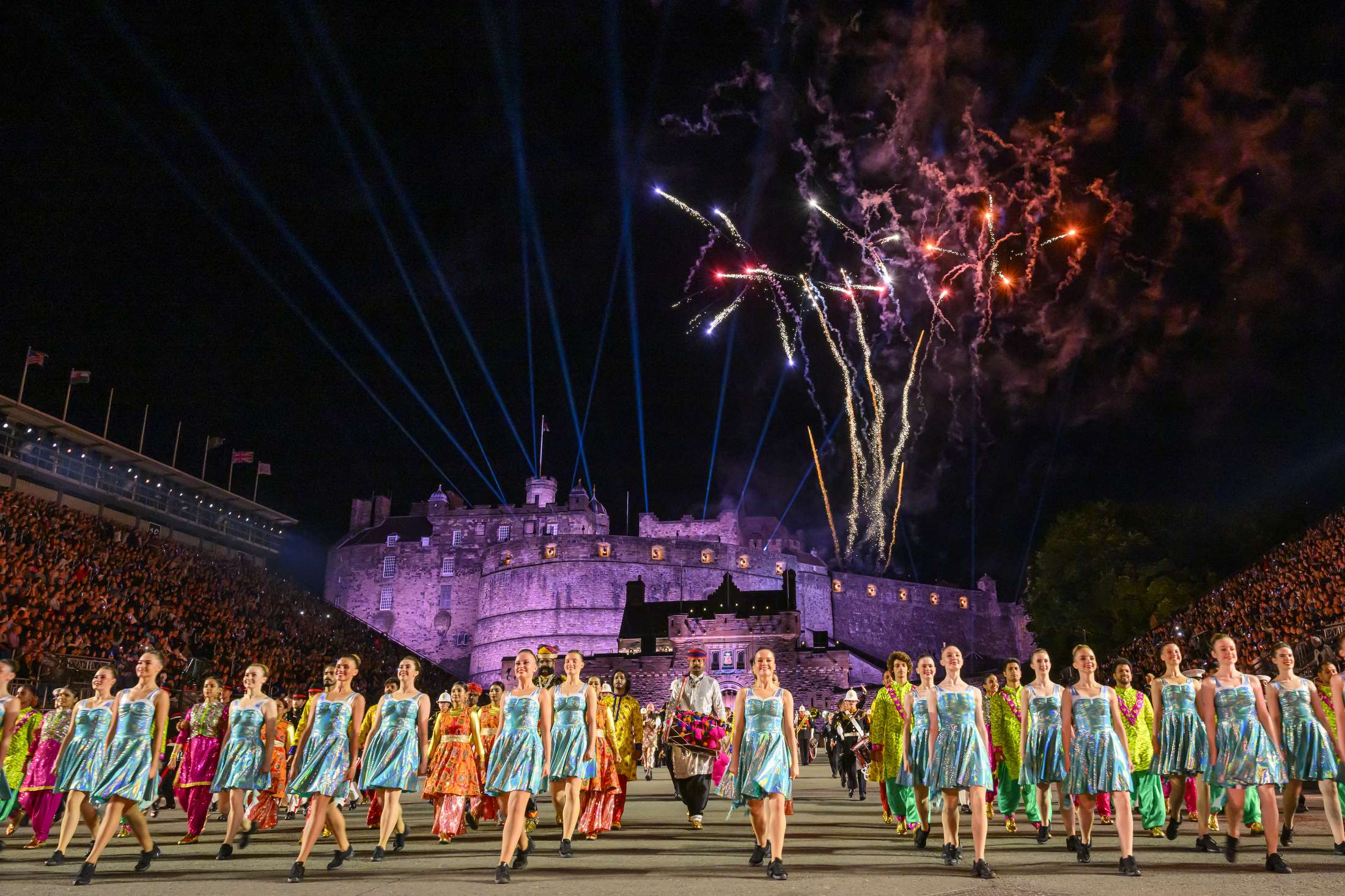
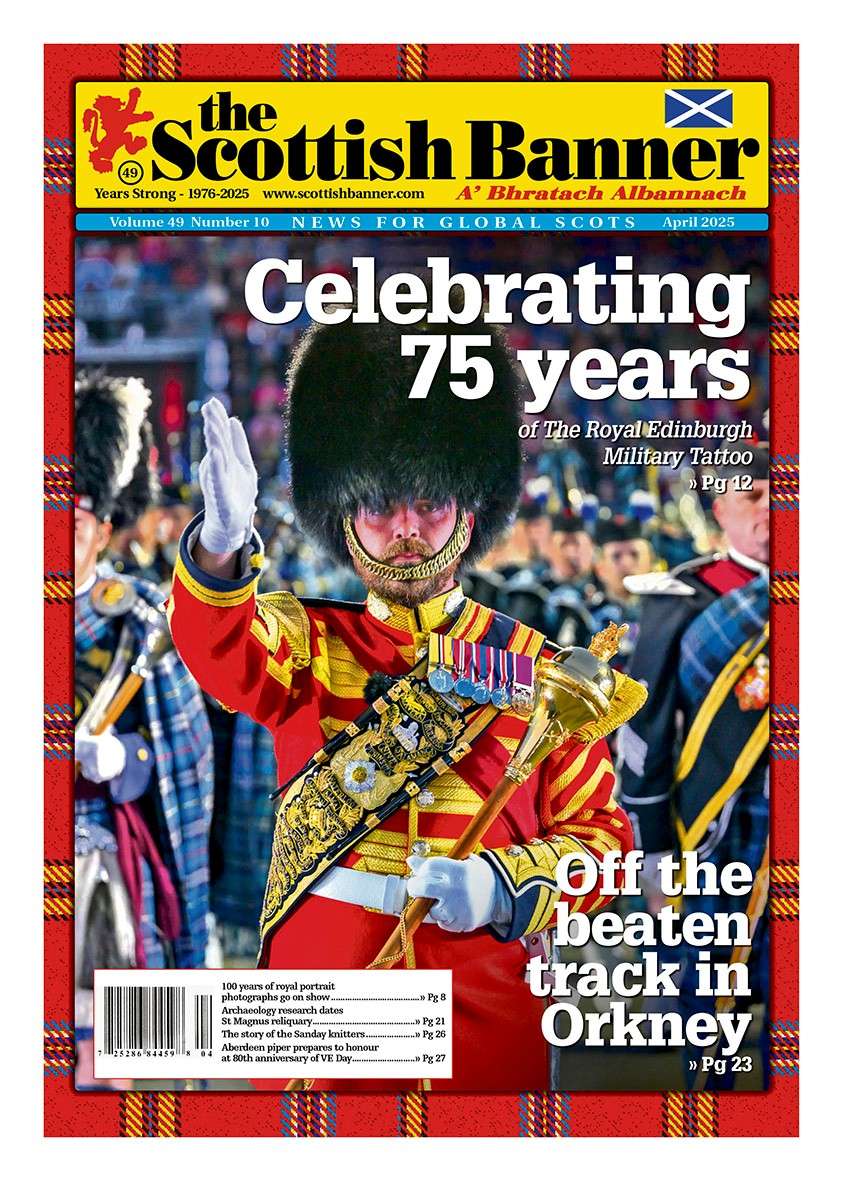
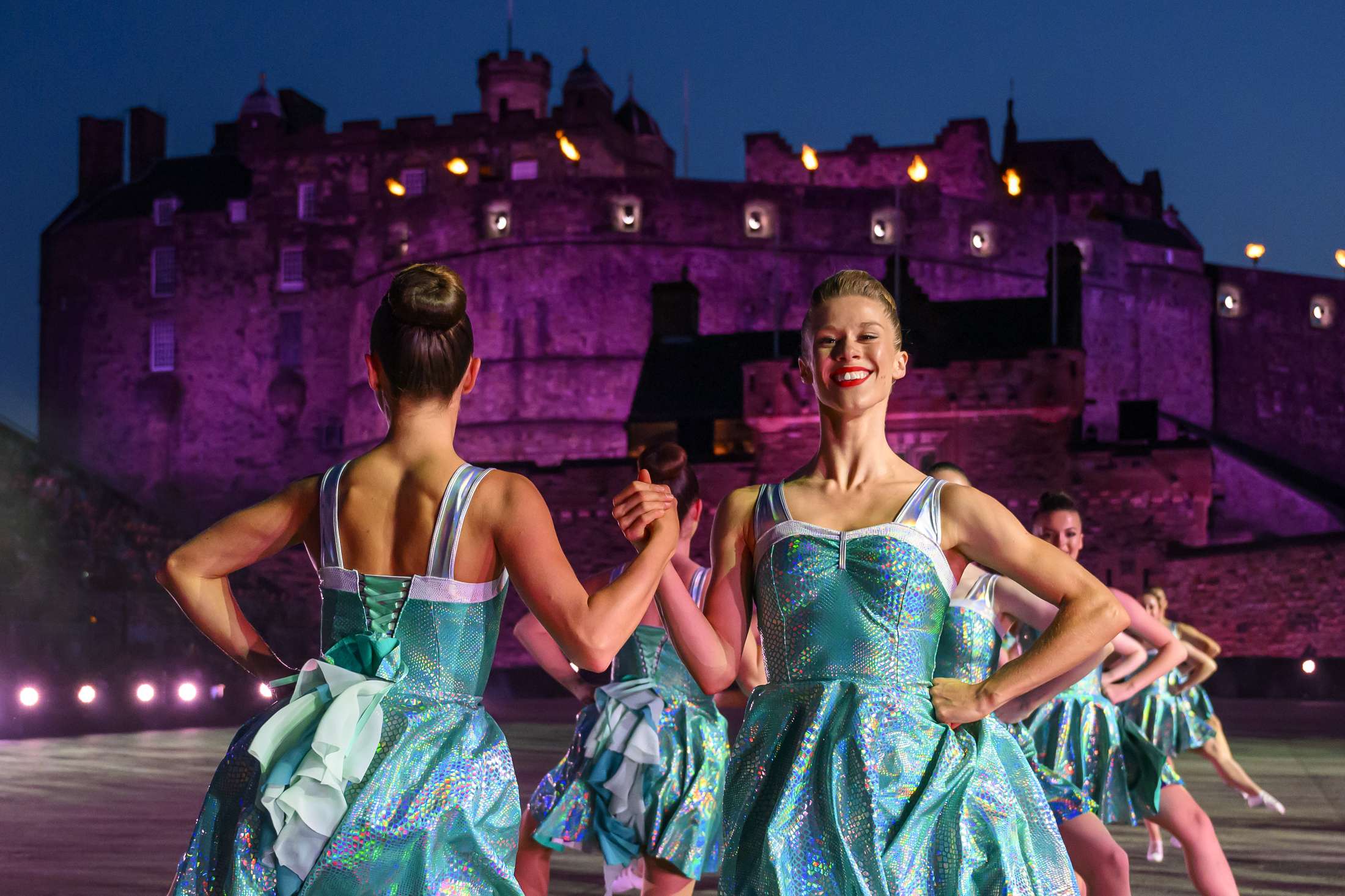
75th Anniversary of the Royal Edinburgh Military Tattoo, celebrating with their milestone show, The Heroes Who Made Us, 1 – 23 August 2025.
30th anniversary of the famous movie, Rob Roy (1995), based on the 18th century Scottish Highlander. Film fans can celebrate by walking the famous Rob Roy Way which opened in May 2002, and takes walkers from Drymen, a village which was once a popular stopping place for cattle drovers, to Pitlochry, deemed to be situated in one of the most beautiful valleys in Central Scotland.
45th anniversary of the release of Gregory’s Girl (1980), an award-winning Scottish coming-of-age movie that celebrates all the awkwardness and joy of first love.
50th anniversary of the release of Monty Python & the Holy Grail (1975), a comedy based on King Arthur’s legendary hunt for the Holy Grail. Fans of the movie can visit Doune Castle on a visit to Scotland in 2025, a striking gatehouse in Stirlingshire that was used in the filming of the movie.
200th anniversary of the birth of the modern railway, a development that changed Britain and the world forever. Railway 200 celebrates the past, present and future of rail.
Old Petty at Cabot Highlands, Inverness- Cabot Collection has announced that Old Petty, the much-anticipated Tom Doak designed golf course at Cabot Highlands in Inverness, will officially open for preview play from 1 August – 30 September 2025. Old Petty joins Cabot Highlands’ renowned Castle Stuart golf course, ranked among The Top 100 Courses in the World by Golf Magazine. The grand opening of Old Petty will be in Spring 2026, with bookings to be announced in 2025.
Glasgow Commonwealth Games, Glasgow 2026: It has been announced that the 23rd edition of the Commonwealth Games will take place in Glasgow from Thursday 23 July to Sunday 2 August 2026. Scotland has proven experience in hosting major events and looks forward to delivering the Commonwealth Games as well as co-hosting the 2028 European Football Championship at Hampden Park.
The Scottish Crannog Centre New Crannog, Perthshire- The Scottish Crannog Centre re-opened in spring 2024 in Perthshire to showcase Iron Age Scotland. In 2025/26, the museum aims to complete their over-water Crannog on Loch Tay.
-The traditional Burning of the Clavie takes place in Burghead, Moray.
-The festival dates back to 400AD, when the village was the capital of the ancient Pictish kingdom
-The event takes place annually, as the townspeople of Burghead celebrate New Year twice – on January 1 and then again 10 days later.
-The Burning of the Clavie is a celebration of the ancient Scots Hogmanay, which fell on January 11 before the Gregorian calendar was introduced in Britain in the 18th century.
-The event involves lighting a 100kg barrel of tar which is then carried around the town. Tradition dictates that members of the ‘Clavie Crew’ must be natives of the town.
-The Clavie is then taken up Dorie Hill before being allowed to burn out and tumble down the hill.
-Locals then gather around the smoking remains as it is supposed to bring good luck for the year ahead.
-The Burning of the Clavie is held on 11 January each year, except when the 11th is a Sunday, in which case it takes place on the 10th.
Work is underway to re-thatch the roof of the historic Bachelors’ Club, the site of Robert Burns’ social club where in the late 1700s, he learned to dance, became a freemason, and created a debating society. The Grade A-listed building, cared for by the National Trust for Scotland, stands in the village of Tarbolton, South Ayrshire. While it plays an important role in telling the story of Robert Burns’ life, it is also an excellent example of 17th century vernacular architecture. And as one of approximately 220 thatched buildings remaining in Scotland, it’s vital that its history is respected and preserved in the conservation process.
The Trust’s project is the first phase of work at the Bachelors’ Club and involves re-thatching the entire building; reforming the ridge of the thatch in a more traditional timber board finish; rebuilding a brick chimney head in traditional stone; repairs to roof timbers; replacement of lead valleys and flashings with neighbouring properties; and repairs to stone skews. A second phase planned for early 2025 will look at the external elevations and internal finishes of the building. These major works are being carried out by a team of thatchers travelling from Yorkshire due to the skills shortage in this traditional trade across the UK. They will be supported by local joiners, stonemasons, and roof workers, and an archaeologist will have a watching brief during the works to record any findings of interest or importance.
Traditional trades
Thahtcher Jane Benwell.
The conservation works were made possible by the Historic Environment Scotland Partnership Fund Grant, an ongoing partnership that enables the charity to not only carry out vital work but to support the continuation of traditional crafts and skills. To make the project as sustainable as possible, the reed for the thatching has been acquired from a Tayside RSPB reserve. Due to space challenges, it was originally stored at Culzean Castle and Country Park, another of the Trust’s properties in the southwest, before it was moved to a farm near Tarbolton for the thatchers to collect each day. The spent reed will be taken back to the farm where it will be used for mulch, minimising any waste.
Laura Baillie, Building Conservation Surveyor at the National Trust for Scotland, said: “This is a really special project that has taken a huge amount of logistical coordination. From appointing skilled tradespeople, which is a challenge in itself with traditional trades like thatching, to sourcing the reed and appropriate materials, we have worked hard to ensure we are preserving this 300-year-old building in a way that is both sustainable and true to its heritage. We’ve also included our Trust network and local communities by appointing local tradespeople where possible, and hopefully providing an element of upskilling as they observe the thatchers at work. And the local farm storing the reed and taking the spent reed for mulch belongs to a former stonemason apprentice at Culzean, so we owe a lot to the people around us who support projects like this.”
An important site in the history of Burns
The historic Bachelors Club.
Caroline Smith, Operations Manager at Bachelors’ Club, said: “This is such an important site in the history of Burns’ life and an important 17th century building in its own right. With so few thatched buildings remaining in Scotland, this is vital conservation work for the Trust. This is the first phase of a larger project, with the next phase including repairs to the external and internal walls of the building, as well as carrying out thatch maintenance at Souter Johnnie’s Cottage in Ayrshire, another historical link to Burns. We are dedicated to preserving these important buildings for everyone to enjoy for many years to come.”
The ongoing works at both the Bachelors’ Club and Souter Johnnie’s Cottage require additional funding and support. This spring, the team will peel back the paint and plaster, repair the brick and stone below, and then the exterior of the buildings will be covered with harling, a mixture of lime and aggregate to protect them. It will cost £330,000 to complete these works and the Trust requires £130,000 not currently covered by funding. Donations from generous supporters will directly assist the vital preservation of Burns’ legacy at these iconic locations.
The Bachelors’ Club is closed to the public while these works take place, with plans to reopen in 2025. People interested in learning more about Burns can visit the Robert Burns Birthplace Museum in Alloway, Ayr, which is open all year round.
For more information about the project, or to make a donation to these works, please visit: www.nts.org.uk/burnsappeal.
An estimated 40 million people across the globe claim Scottish ancestry, many of whom come together to celebrate their shared Scottish heritage, including around St Andrew’s Day and Burns Night. There’s no better way, though, to feel truly connected with your Scottish roots than visiting Scotland. The Scottish Banner teamed up with VisitScotland to take a look at just some of the experiences ancestral visitors to Scotland can enjoy.
A distinct element of Scottish history is that from the Highlands to the Lowlands there are sites and regions which are specifically associated to particular clan and family surnames. Scotland is famous around the world for its castles and historic properties, and many have clan/family links.
Some are atmospheric ruins, such as Dunnottar Castle, near Stonehaven, Aberdeenshire (Keith), the moated, triangular shaped Caerlaverock Castle near Dumfries (Maxwell), or Dundonald Castle, Kilmarnock (links to Stuart, Wallace and Bruce families). Others are well preserved homes with stunning interiors, such as Blair Castle in Perthshire (Murray), Culzean Castle in Ayrshire (Kennedy) and the Castle of Mey in Caithness (Sinclair). These examples also offer well-appointed self-catering accommodation in the castle grounds or neighbouring estates.
Those with Stuart (Stewart) ancestry are spoiled for choice, since there are places across Scotland associated with the Stuart monarchs, such as Edinburgh and Stirling Castles, and the stunning Mount Stuart on the Isle of Bute.
There are a number of dedicated clan history museums where you can explore the stories of a clan in more depth, such as the Clan MacPherson Museum, Newtonmore, the Clan Donnachaidh Museum (Robertson, Duncan and Reid) adjacent to House of Bruar in Pitlochy, Perthshire, and the Clan Cameron Museum in Spean Bridge, north of Fort William.
Scotland is globally famous for its stunning scenery and simply by visiting the areas associated with your clan and family names, you will enjoy the beauty of areas largely unchanged from what your ancestors would have known, such as Argyll (Campbell) and the North West Highlands (MacLennan). There are also many wonderful local museums telling the story of the area and those who lived there through the generations. The northern isles of Orkney and Shetland are generally accepted to have operated outwith the clan/family model. However, those with Orkney or Shetland ancestry will find a wealth of history waiting to be discovered, including these islands’ strong Viking heritage, at places such as Shetland Museum & Archives, and the Stromness Museum on the Orkney mainland, which is home to a rich source of information on the connections between Orkney and the Hudson’s Bay Company in Canada.
Famous faces
The Ss Sir Walter Scott Sailing Towards Stronachlachar At The West End Of Loch Katrine. Photo: VisitScotland/Paul Tomkins.
Many ancestral visitors wish to explore sites related to famous Scots. The story of Braveheart hero Sir William Wallace is told at the National Wallace Monument overlooking the site of his famous victory 1297 victory at the Battle of Stirling Bridge. The nearby Battle of Bannockburn experience puts you at the heart of King Robert the Bruce’s famous victory in 1314. You can also visit his burial place at Dunfermline Abbey in Fife, and Melrose Abbey in the Scottish Borders where his heart is interred.
Places linked to Scotland’s national bard Robert Burns including the Robert Burns Birthplace Museum in Alloway, Ayrshire, The Globe Inn in Dumfries where you can arrange to visit the rooms where he lived and worked, and The Writers Museum in Edinburgh which celebrates the lives of three giants of Scottish Literature – Burns, Robert Louis Stevenson and Sir Walter Scott. Scott’s beautiful home, Abbotsford, in the Scottish Borders, gives a fascinating insight into the life of the great author. The steamship SS Sir Walter Scott which bears his name offers scenic tours of Loch Katrine in the stunning Trossachs area, which was home to the famous folk hero Rob Roy MacGregor.
There are also many places across Scotland associated to Prince Charles Edward Stuart, known as Bonnie Prince Charlie, and perhaps none more so than Culloden near Inverness, which offers a powerfully emotive interpretation of how the 1745 Jacobite Rising came to a tragic end. Cairns across the battlefield bear the names of the clans who fought bravely for the Jacobite cause.
How Your Ancestors Lived
Some of Scotland’s greatest medieval monarchs were laid to rest at Dunfermline Abbey. Charles I was delivered here in 1600 – the last monarch to be born in Scotland. Dunfermline Abbey. Photo: Fife Council/Damian Shields.
A number of attractions in Scotland provide fascinating insights into how your ancestors lived throughout the generations. Auchindrain Historic Township near Inveraray, Argyll and the Highland Folk Museum in Newtonmore are both fascinating open air museums capturing life in rural Scotland. The Scottish Fisheries Museum in Anstruther, Fife tells the story of the fishing industry from earliest times to the present, while Aberdeen Maritime Museum explores the city’s relationship with the sea through collections on the shipbuilding, fishing and oil industries.
The story of Scottish military regiments can be explored at the National War Museum and the Royal Scots Regimental Museum at Edinburgh Castle, The Highlanders’ Museum at Fort George near Inverness, the Gordon Highlanders Museum in Aberdeen, the Black Watch Castle and Museum in Perth, and the Argyll and Sutherland Highlanders Museum at Stirling Castle
During the 19th century, domestic service was the biggest single employer for women and the second largest employer of all workers. Attractions such as Georgian House in Edinburgh, the House of Dun near Montrose in Angus, and Traquair House in the Scottish Borders are some examples of the places where you can experience what live was like ‘below stairs’. Textile production was and continues to be an important industry in Scotland. Exhibitions on the history of this industry can be enjoyed at the Weavers Cottage in Kilbarchan, Renfrewshire, Verdant Works in Dundee, New Lanark World Heritage Site,and Borders Textile Towerhouse in Hawick. Visit The Harris Tweed® Story Room at Stornoway Town Hall in the Outer Hebrides to explore the history of this iconic cloth, while www.harristweed.org/trail details places where you can see it being woven.
Genealogy
Open ledger showing death of Robert Lewis Stevenson at New Register House. Photo: VisitScotland/Kenny Lam.
Scotland is acknowledged to have some of the world’s finest archive records, and for those looking to build their family tree, there are various resources available.
At ScotlandsPeople Centre in Edinburgh – part of National Records of Scotland – you can book space to explore the extensive archives. Other larger family history hubs are the Burns Monument Centre in Kilmarnock, Clackmannanshire Family History Centre in Alloa, Heritage Hub in Hawick, Highland Archive Service Family History Centre in Inverness, and the Family History at the Mitchell Library, Glasgow.
There are other small family history centres around Scotland which can be most helpful in uncovering local records, but many of these are largely volunteer-run, so it’s advisable to research these beforehand, and book an appointment as far in advance as possible of your planned visit.
The expert help of professional genealogists can be invaluable, and by going to visitscotland.com and searching ‘genealogists’, you will find a range of providers who have experience in helping those with Scottish ancestry uncover their roots.
There are also a number of tour operators in Scotland who can assist with helping you trace your Scottish roots and design your perfect tour around your findings, or even simply develop an itinerary around the clan/family names within your family story. These include Mary’s Meanders, Scottish Clans and Castles, Robbies Mac Tours and Kilted Piper Tours.
These are just a few ideas to inspire your ancestral experience in Scotland, but you’ll find a wealth of further information at www.visitscotland.com/ancestry
Main photo: The Clan Fraser gravestone at Culloden Battlefield. Photo: VisitScotland/Kenny Lam.
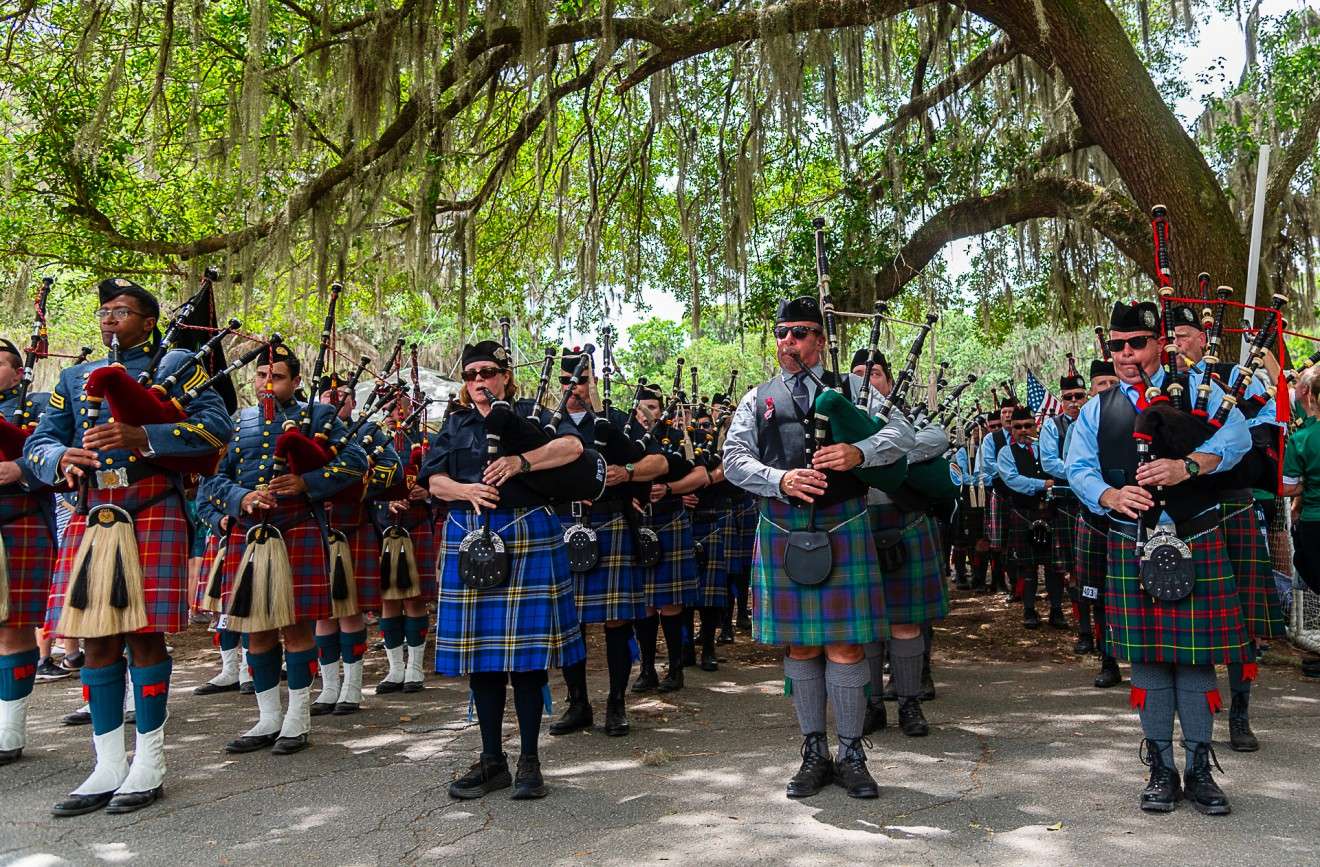
St. Augustine, Florida was founded in 1565 by Celtic colonists from northern Spain, and on March 17 of 1600 and 1601 our colonial Irish vicar led St. Patrick celebrations here. America’s oldest Celtic City welcomes back the St. Augustine Celtic Music & Heritage Festival. The festival is North Florida’s premier celebration of everything Celtic and offers music, athletics, food, and cultural activities. The festival kicks off Saturday March 8 with the world’s oldest St. Patrick Parade (www.celticstaugustine.com/parade/), proudly marching through the streets of St. Augustine since 1601.
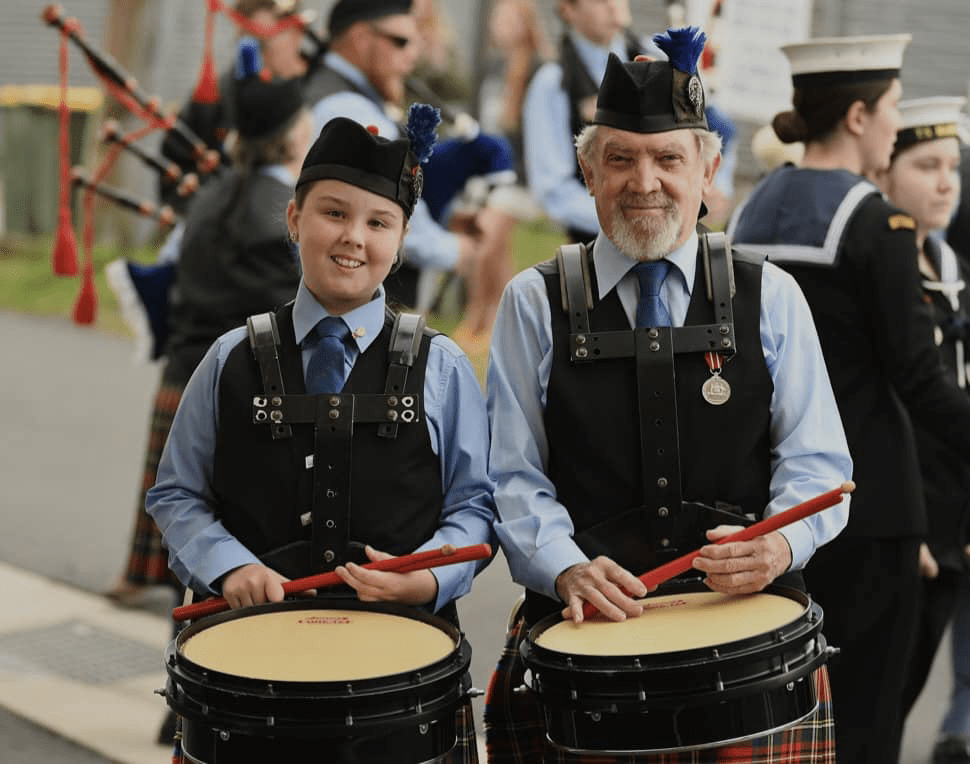
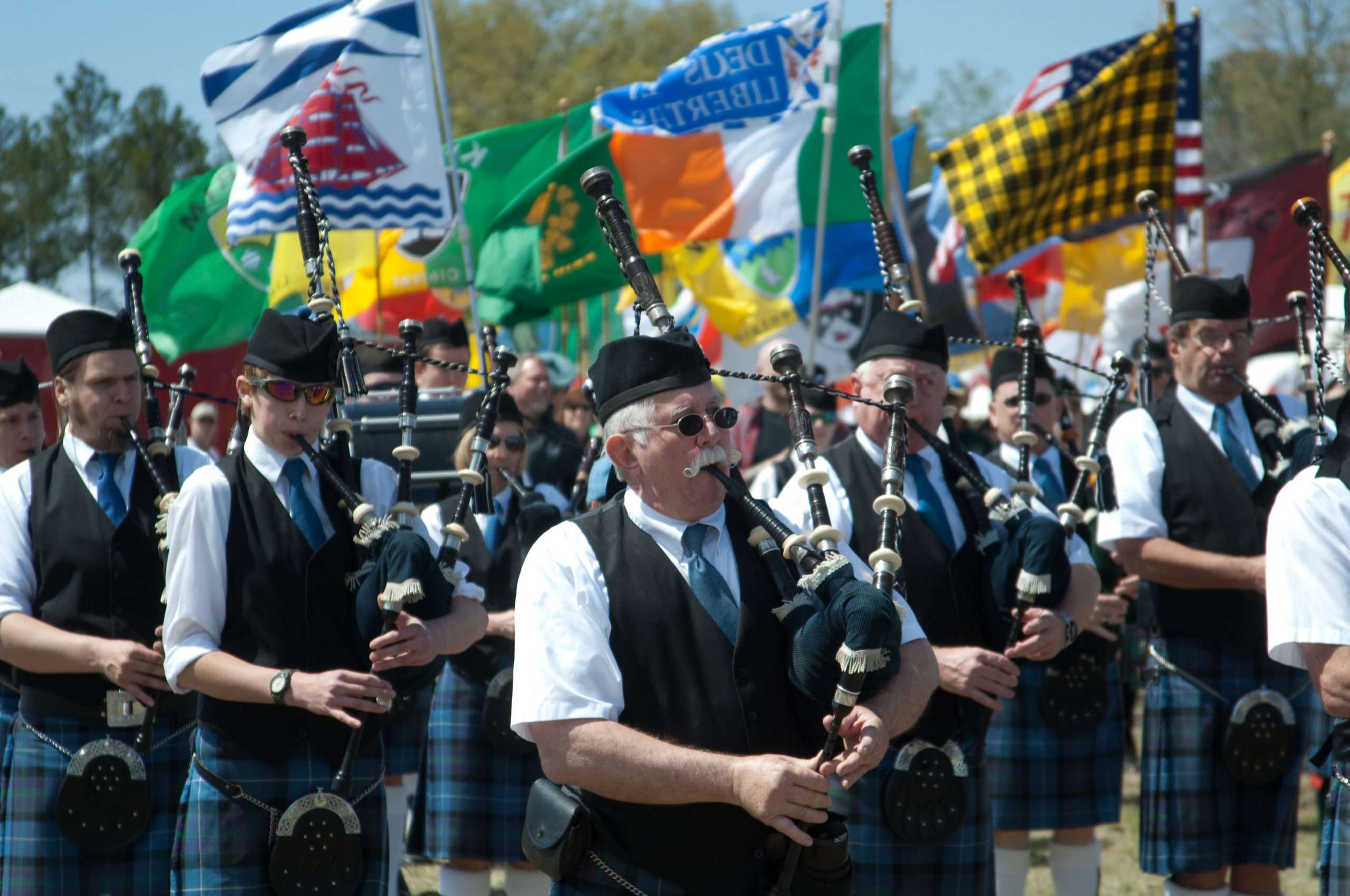
Pipe bands leading the Celtic parade.
The St. Augustine Celtic Music & Heritage Festival will be held on March 8 and March 9, 2025, at Francis Field in beautiful downtown St. Augustine, Florida, USA. Winner of nearly 20 “Best of” awards, the two-day festival features eight top International and U.S. Celtic bands (www.celticstaugustine.com/performer-bios/), including Albannach, Seven Nations, Syr, Dublin City Ramblers, and much more. See amazing feats of strength at the Highland Games, explore workshops, lectures, food offerings, and activities for the wee ones. And enjoy a soft-opening Whiskey and Scotch seminar and tasting on Friday March 7.
Celtic rock band Seven Nations.
“We started our first Celtic festival in 2011, but St. Augustine was founded in 1565 by Spanish Celts from our sister city, Aviles in Spain, and on March 17 of 1600 and 1601 colonial Irish vicar Ricardo Artur (Richard Arthur) led the New World’s first St. Patrick celebrations here!” says Albert Syeles, Romanza-St. Augustine’s President. “It’s a testament to our community, loyal attendees, volunteers, businesses, our board, and a stellar selection of some of the best Celtic musicians in the world. The continued support has allowed us to make each year even better.” The St. Augustine Celtic Music & Heritage Festival is produced by Romanza–St. Augustine and is funded in part by St. Johns County Tourist Development Council and St. Johns Cultural Council.
Albannach on stage.
Learn more at; www.celticstaugustine.com and follow along on Facebook @CelticStAugustineMusicFest and Instagram @CelticFestStAug.
The Outer Hebrides has been named as one of the Best of the World destinations for 2025 by travel authority National Geographic. It is the only UK destination to be included in the prestigious list, with recognition given to its breathtaking landscapes and unique heritage. National Geographic highlighted that BBC drama series An t-Eilean (The Island), due to be broadcast in 2025, will shine a spotlight on the Outer Hebrides and singled out visitor experiences along the Hebridean Way, and the Hebridean Celtic Festival (HebCelt).
For decades, the Outer Hebrides has attracted visitors from every corner of the globe, who are drawn to its beautiful beaches and coastline, breathtaking scenery and crystal-clear waters, unique Hebridean culture and Gaelic language, history and wildlife, welcoming locals, delicious local food and drink and its wide variety of outdoor pursuits.
Wild but captivating islands
The islands group is no stranger to global accolades, with West Beach on Berneray being included in 2024’s list in Lonely Planet’s list of 100 of the World’s Most Incredible Beaches. They were also included in Conde Nast Travellers 2024 Readers’ Choice Awards in the Best Islands in the UK category. Each year, National Geographic releases its Best of the World list, celebrating destinations and travel experiences that illuminate our beautiful world and the diversity of communities and people within it. Selected and written by Nat Geo Traveler editors from around the world – in collaboration with National Geographic experts and expedition leaders – the annual list features both surprising, up-and-coming destinations as well as timeless locations that have something new to offer.
In response to the Outer Hebrides’ inclusion in National Geographic’s Best of the World list 2025, Business Minister Richard Lochhead said: “This is brilliant recognition for a destination which has a strong reputation with both domestic and overseas visitors. The Outer Hebrides has much to champion. From the iconic Barra beach landing to the stunning castles, Harris tweed and the blue seas that envelope Scotland’s Long Island, there are many reasons to visit. Tourism plays a massive part in Scotland’s economy, with the sector accounting for 7,000 island jobs in 2022. I hope that, as the only UK destination featured in this prestigious list, people at home and overseas choose Scotland as their next destination and enjoy the culture and adventure our nation possesses in abundance.”
Vicki Miller, VisitScotland Chief Executive, said: “The Outer Hebrides is no stranger to international recognition and its appearance as the only UK destination in National Geographic’s Best of the World 2025 list is a testament to the islands’ strong pull for visitors. These wild but captivating islands offer something for everyone – stunning scenery, unparalleled opportunities to see amazing wildlife, a rugged coastline, delicious food and drink with strong local provenance, and an incredible historical and archaeological story to tell. Our communities, along with our natural and cultural heritage, are what make these islands so special.”
Dramatic landscapes and Celtic heritage
Sarah Maclean, Chief Executive of Outer Hebrides Tourism, said: “We are delighted that National Geographic has recognised the Outer Hebrides as one of the best destinations in the world. It is such as special place – one of the few remaining places in the world where you will hear Scots Gaelic spoken among awe-inspiring landscape shaped by the power of nature. In 2025 we look forward to welcoming new and returning visitors to share, enjoy and respect the outstanding beauty and unique Hebridean of our islands.”
National Geographic says of the Outer Hebrides: “The Oscar-nominated Banshees of Inisherin showcased Ireland’s western isles. Now An t-Eilean (The Island), a highly anticipated Scots Gaelic–language BBC drama series, will give Scotland’s Outer Hebrides a starring role, highlighting its dramatic landscapes and Celtic heritage. Explore the ancient archipelago along the Hebridean Way, a nearly 200-mile walking and cycling route that traverses 10 islands, passing silvery beaches, whisky distilleries, wildflower-bedecked machair grasslands, and neolithic monuments like the 5,000-year-old Calanais Standing Stones. In July, the annual Hebridean Celtic Festival celebrates Gaelic language and music in Stornoway on the Isle of Lewis.”
Last year was a fantastic year of events across the piping and drumming world, with packed out audiences watching great performances across the breadth of the traditional music world. We are already looking ahead to 2025 and what it holds. The first piping and drumming event of the new year happens in the Southern Hemisphere, with New Zealand’s Waipu Highland Games, which takes place on 31st December to start the new year in style! The National Piping Centre’s home city of Glasgow comes alive at the darkest time of year, as the UK’s premier celebration of Celtic music, Celtic Connections. presents a full 17-day programme from 16th January – 2nd February celebrating 32 years of world music. Piping and drumming features across the programme, in so many forms from emerging talent on the Danny Kyle stage through to headlining traditional music concerts from Brighde Chaimbeul, Assynt, Imar, and Malin Lews, as well as a concert by 2024 world champions Inveraray and District Pipe Band and the Finlay MacDonald Band. Head over to the website now find out more – www.celticconnections.com.
As well as Celtic Connections, solo pipers are heading to Kansas City once again this January as Winter Storm, organized by MHAF, returns from 16th –19th January. The Competition League for Amateur Solo Pipers also returns in January, with an in-person event in Glasgow on 11th January. This league has an overall and online-only titles so you can compete as an amateur solo player from anywhere in the world. The latest online event saw competitors from Hong Kong to Hawai’i join the event! If you are an amateur player and would like to find out more go to www.theclasp.co.uk.
PipingLive! parade.
With summer in full swing in the Southern Hemisphere there is a plethora of pipe band events, solo competitions and more. After the Waipu Highland Games, comes the 160th Turakina Highland Games on the 25th January. From the 8th –12th January, the Royal New Zealand Pipe Band Association will host its summer school in Wellington for young musicians. This Summer School is the perfect opportunity to learn from world class tutors, and it showcases some of the best talent New Zealand has to offer.
On 22nd February the National Piping Centre Junior Piping Championship returns, one of a host of fantastic contest for young pipers aged Under 18 across the country every year. It aims to encourage all young players to compete, with chanter competitions through to Piobaireachd events.
In Australia, Ballarat Grammar School in Victoria will host its annual twilight pipe band contest on 1st March. Back over the Tasman Sea, the New Zealand Pipe Band Championships will take place in Queens Park in Invercargill with over 50 bands registered to take part in a huge two days of contest on 7th – 8th March. On 22nd March, the adult solo piping season kicks off in Scotland with the Duncan Johnstone Memorial Competition which is held at The National Piping Centre and managed by the Competing Pipers’ Association for B and C graded pipers. April 26th will see the Virginia International Tattoo host the American Pipe Band Championship in Norfolk, Virginia. This traditional Scottish contest features the largest gathering of the best pipe bands in the Eastern United States adjudicated by an international panel of judges. On 17th May the Victorian Pipe Band Championships take place in Maryborough, Australia.
Scottish summer
Piper Ross Ainslie at PipingLive!
As we move into the Scottish summer (keeping everything crossed for some sunshine!) the piping season begins in earnest with a huge range of Highland Games across the country, all of which feature some kind of piping with pipe bands, solo piping and ceilidhs across Scotland. This year’s World Pipe Band Championships has been announced as the 15th and 16th August. Keep up with all the pipe band news at www.rspba.org
Piping Live! returns in full force to the streets of Glasgow in the run up to the World’s once again as Glasgow hosts the world’s biggest week of piping! This year, we are celebrating the 22nd edition of our festival running from 11th – 17th August, which attracts performers and audiences from across the world. In 2024, we welcomed performers from Sweden, Ireland, and Galicia in Spain performing on their own styles of bagpipes, as well as Scottish Pipe Bands from Australia, USA and Canada as well as from across Scotland. We can’t wait for this year’s festival – keep up with what’s happening and register for email updates at www.pipinglive.co.uk
The first weekend of August in Maxville, Ontario the Glengarry Highland Games will again host the North American Pipe Band Championships. At the end of August, the piping world turns its focus to top level solo competition, with the Argyllshire Gathering taking place in Oban on 27th and 28th August, and the Northern Meeting in Inverness happening on 11th–12th September. These see the world’s best solo performers gather to compete for the most prestigious solo piping prizes, as well as a chance to qualify for the Glenfiddich Piping Championship. The Glenfiddich Piping Championship takes place at the end of October each year, and in 2025 will celebrate its 52nd event on Saturday 25th October. 10 competitors will gather at Blair Castle to compete in Piobaireachd and March, Strathspey and Reel disciplines to be crowned champion. Tickets to join us in person at Blair Castle or to watch through the livestream will go on sale around mid-July through the National Piping Centre website.
PipingLive!
But October isn’t all about solo piping, as on Saturday 18th October, the World Solo Drumming Championship takes place, here in Glasgow, with the best drummers gathering to compete of several rounds to be crowned the best. It was a year of double celebration for Inveraray & District as their Lead Drummer Steven McWhirter was crowned champion for the 12th time at 2024’s championship. This will be a hotly contested event in 2025, that’s for sure! The Glenfiddich Piping Championship marks the end of the 2025 season, only for the 2026 season to start shortly after in London with the Scottish Piping Society of London’s annual competition, which celebrates its 87th year in 2025. Also, in the USA and Canada there are a number of piping events through November, with the An Crios Gréine – Sun Belt Invitational Solo Piping Competition taking place in Florida and the George Sherriff Memorial Invitational for amateur players taking place in Hamilton Ontario. Dates for these events will be confirmed later this year.
So, if you are travelling this year, come and hear piping in Scotland – or look out for it around the world!
You can find out more about all The National Piping Centre’s projects at www.thepipingcentre.co.uk or get the latest news and results from the piping world at www.bagpipe.news which will give you details of events happening across the globe.
Main photo: Scotch College Pipe Band on Buchanan Street, Glasgow.
Text and images courtesy of The National Piping Centre.
-For nearly 400 years Christmas was not celebrated (until 1958) in Scotland due to the Protestant Reformation. For Scots the big celebration would be at the Winter Solstice holiday which became Hogmanay.
– It is not known exactly where the word comes from, although it is believed to come from the French word ‘hoginane’ meaning ‘gala day’.
– First footing is a Scots traditional part of Hogmanay celebrations. First footing is when you visit friends or family immediately after midnight in order to become the first person to visit them and go into their house in the new year. Your very first foot – the first person to visit you in the new year – should traditionally be a tall, dark-haired man. That is said to date back to the Viking invasions, as Vikings were typically fairer haired, so the arrival of a blonde man could have meant imminent danger!
-In Shetland, where the Viking influence remains strongest, New Year is still called Yules, deriving from the Scandinavian word for the midwinter festival of Yule.
– The Highland custom of saining (or blessing) the house and livestock goes far back in time, but is still practised today in some households. The ritual involves the drinking of water believed to be magic – this is sourced from a river ford that’s said to be crossed by both the living and the dead.
-Redding the house, rather than a Spring clean, the Scots have a New Year’s clean to welcome in the New Year. Starting the New Year with a dirty house is bad luck.
-Another Hogmanay Scottish custom was paying off all outstanding debts before the stroke of midnight and starting the new year without debt.
– The residents of Burghead in Moray don’t celebrate their New Year on 31 December. Instead, they ignore the Gregorian calendar introduced in the 1750s and continue to celebrate ‘old Hogmanay’ on 11 January instead.
Hogmanay is the Scottish word for the last day of the year or New Year’s Eve and is generally regarded as the most important Scottish holiday. Christmas was not celebrated as a festival and virtually banned in Scotland for around 400 years. And so it was, right up until the 1950s that many Scots worked over Christmas and celebrated their winter solstice holiday at New Year, when family and friends would gather for a party and to exchange presents which came to be known as Hogmanay’s.
Edinburgh’s Hogmanay Festival dates back to 1993 and has evolved to become one of the greatest outdoor celebrations of New Year’s Eve in the world. Hogmanay is technically just one day but the Hogmanay celebration in Edinburgh (as well as in other places in Scotland) lasts for 3 or 4 days. In any normal year, the big events include a torchlight procession, a massive outdoor street party, a live headline concert and fireworks, and free culture trail across the city – and of course immediately after midnight on New Year’s Eve it is traditional for the thousands of revellers to join hands and sing Robert Burns‘ Auld Lang Syne……before continuing to party into the wee hours.
Torchlight Procession
Torchlight Procession. Photo: Andy Catlin.
Edinburgh’s Hogmanay have announced the return of the spectacular Torchlight Procession to kick off this year’s Hogmanay celebrations. This family-friendly event is back to mark the start of New Year celebrations around the world on Sunday 29 December. A river of fire will weave its way through the capital’s streets, with torches carried in aid of local and national charities.
With up to 20,000 participants blazing a trail through the Old Town of Scotland’s historic Capital, this event welcome’s locals and tourists alike to a carnival atmosphere in the Meadows with live street theatre, fire performers, pipe bands and drummers, before the ceremonial Torchlight Procession embarks on its route through the Old Town, with a fiery finale underneath Edinburgh Castle. Passing famous Edinburgh landmarks including National Museum of Scotland, Greyfriars Kirkyard, the Tolbooth Kirk, the National Library of Scotland and much more, this spectacle is not to be missed. Returning this year, the procession will be led by Shetland’s South Mainland Up Helly Aa’ Jarl Squad, who previously made history when they appointed the first ever female Jarl.
Councillor Val Walker, City of Edinburgh Council Culture and Communities Convener said: “I’m delighted to see the Torchlight Procession returning to the streets of Edinburgh this year. It’s a breathtaking sight as thousands make their way through our capital’s historic streets, their torches lighting up the night— it’s a moving symbol of unity and hope for the year ahead. It is also raising vital funds for four wonderful charities. This highlight of the Hogmanay programme is always a favourite among residents and visitors alike, and I have no doubt it will be just as popular this year.”
Edinburgh’s Hogmanay announces a stellar line-up of Scottish music for New Year festivities
Photo: Andy Catlin.
The event has also revealed a stellar line-up of live music events taking place across Scotland’s capital throughout 2024/2025’s New Year festivities. This eclectic programme of events presents indie rock legends, contemporary Scottish bands and DJ’s, alongside classical recitals and foot stompin’ ceilidh chaos. Taking place from 30 December until New Year’s Day, this feast of some of Scotland’s best musicians will perform in landmark venues across the Capital. Featuring the spectacular St. Giles’ Cathedral and Edinburgh’s famous Assembly Rooms.
For the first time, Edinburgh’s Hogmanay will host live music events outside the city centre, branching out to Portobello Town Hall and Leith Arches on 1 January, welcoming in the New Year with some outstanding live music. Highlights include Edinburgh’s own Idlewild who will headline a very special Night Afore Concert at the Assembly Rooms, Scottish music icons Texas will headline the Concert in the Gardens, a Candlelit Concert at St. Giles’ Cathedral, and a free Family Ceilidh taking place in Portobello Town Hall.
Torchlight Procession. Photo: Ian Georgeson.
Councillor Val Walker added: “Edinburgh’s Hogmanay is once again set to be a spectacular celebration, with events taking place across the city from St. Giles’ Cathedral and Assembly Rooms to Leith Arches and Portobello Town Hall. This diverse programme promises to be an unforgettable experience for residents and visitors alike, featuring live music, ceilidh dancing, and breathtaking views of the midnight fireworks over Edinburgh Castle. I’m excited to see Edinburgh continue to shine as the place to welcome in the New Year!”
Edinburgh’s Winter Festival
Edinburgh’s Winter Festival is the home of Christmas and Hogmanay celebrations in Edinburgh. Edinburgh’s Christmas this year runs for six weeks from the from November 2024 to 4 January 2025, and brings festivity to the heart of Edinburgh and beyond. With a newly expanded programme of events and attractions including Christmas Markets, Ice Skating, fairground rides, Christmas Tree maze, community events and more, Edinburgh’s Christmas is the best way to celebrate the festive season with loved ones.
The world-famous Edinburgh’s Hogmanay celebrations bring Edinburgh into the New Year with a bang! Edinburgh welcomes revellers from across the globe for a four-day festival celebrating and ringing in the New Year with live music, spectacular fireworks, Street Parties, comedy and more.
Did you know?
Edinburgh’s Hogmanay
Photo: Andy Catlin.
-Edinburgh’s Hogmanay 2024-25 is Scotland’s premier Winter Festival, presenting spectacular events which have positioned Edinburgh as one of the world’s greatest New Year celebrations and rightful place as the ‘Home of Hogmanay’.
-Since the inaugural event in 1993, Edinburgh’s Hogmanay quickly grew into one of the world’s leading New Year celebrations, and over three decades has welcomed millions of visitors and locals to party in Scotland’s capital
-Edinburgh’s Hogmanay 2024/25 is a key part of Scotland’s winter tourism calendar, generating over £48 million in economic benefit, with over 100,000 people anticipated to attend events in the city for the four-day celebrations
-Edinburgh’s Hogmanay is one of Edinburgh’s eleven major festivals, created in 1993, the festival quickly grew into a globally recognised event, attracting visitors from around the world to celebrate New Year in Edinburgh, the ‘Home of Hogmanay’
-Over 3.35 million revellers have experienced the world-famous Edinburgh’s Hogmanay Street Party over the last 30 years
-Edinburgh’s Hogmanay continues to be a bucket list experience for people around the world looking to celebrate New Year in Scotland.
-The word Hogmanay came from various possible language origins such as Gaelic, Dutch and Flemish.
Hogmanay traditions
Ross Fountain under the Hogmanay fireworks.
-First footing – The ‘first foot’ in the house after midnight is still very common in Scotland. To ensure good luck, a first footer should be a dark-haired man. Fair-haired first footers were not particularly welcome after the Viking invasions of ancient times. Traditional gifts include a lump of coal to lovingly place on the host’s fire, along with shortbread, a black bun and whisky to toast to a Happy New Year. These days shortbread and whisky will suffice. Showing up empty handed is not only very rude but also bad luck!
-Redding the house – Rather than a Spring clean, the Scots have a New Year’s clean to welcome in the New Year. Starting the New Year with a dirty house is bad luck. When open fires were common, people would clear the ashes and lay a new fire for the New Year. Cleaning one’s house also extends to clearing one’s debts. An old Scottish superstition states that you should try to clear all your debts before the stroke of midnight.
-Bonfires and Fire Festivals- Scotland’s fire festivals at Hogmanay and later in January may have pagan or Viking origins. The use of fire to purify and drive away evil spirits is an ancient idea. Fire is at the centre of Hogmanay celebrations in Stonehaven, Comrie and Biggar and has recently become an element in Edinburgh’s Hogmanay celebration.
-The singing of Auld Lang Syne all over the world- People sing Robert Burns’ version of this traditional Scottish air. How it became the New Year’s song is something of a mystery. At Edinburgh’s Hogmanay, people join hands for what is reputed to be the world’s biggest Auld Lang Syne.
-The Saining of the House- This is a very old rural tradition that involved blessing the house and livestock with holy water from a local stream. Although it had nearly died out, in recent years it has experienced a revival. After the blessing with water, the woman of the house was supposed to go from room to room with a smouldering juniper branch, filling the house with purifying smoke.
For more information about Edinburgh’s Winter Festival visit: www.edwinterfest.com
The University of Aberdeen is introducing people around the world to the history of witch-hunting and the witch trials in Scotland. With wide-brimmed hats, black cats, broomsticks and crooked noses, witches in popular culture are instantly recognisable a staple of Halloween events. But in previous centuries changes in attitudes and approaches to magic led to suspicion and accusations that spread through Scottish communities as paranoid hunts sought to root out those thought to derive powers from the Devil.
Ripples of panic
The University has created an online short course ‘Scottish Witch-Hunting and the Rise of a Protestant Culture 1590-1690’ which provides an opportunity for anyone with a professional or personal interest in the history of Scottish witchcraft to take an in-depth look at Scottish attitudes and approaches to magic, the preternatural and the supernatural. Professor Bill Naphy, Emeritus Professor of History, said: “Witches may been seen by guisers today as a bit of fun but in the middle of the 16th century, they were seen as conspirators trying to destroy society. This wasn’t unique to Scotland but the ripples of panic it caused were far reaching with Scotland’s execution rate per head of population about five times the European average. It means this is a really important area for study, not just in understanding about witchcraft and the brutal investigations, trials and often executions of those accused but in piecing together the wider issues and changes facing society at this time.”
The course explores the involvement of King James VI and I who in 1591 became convinced that a group of North Berwick witches tried to kill him and his wife when their vessel was caught in storms as they attempted to travel to Denmark. As a result he becomes the only reigning monarch to ever serve as a judge in a witch trial and writes a book about witchcraft titled Daemonologie. This originally circulates in manuscript form and Professor Naphy says it was ‘clearly aimed at his sons so they will know when they become powerful how to find witches’ but is published widely following a panic which begins in Aberdeen in January 1597.
Crimes of dark magic
Professor Naphy explains: “The North Berwick witch trials of 1591 are notorious because of the sheer number of ‘witches’, widely agreed to be around 70 most of whom were women, executed in one hunt in a small Scottish town. But the lesser-known Aberdeen witch hunt in 1597 demonstrates how far panic swept across Scottish society, even prompting the demand for the publication of the King’s book. City leaders in Aberdeen became convinced that they had such a serious problem on their hands that they were able to secure a five-year commission to find and try all witches in the north-east. Once the idea took root that there was a witch plot or ‘cell’ the threshold for evidence necessary to prove guilt decreased and investigators become increasingly concerned with finding wider connections. In Aberdeen this saw accusations levied against the Leys family and at his trail Thomas Leys confessed, undoubtedly under coercion, to having led a coven of witches in a dance at the fish cross the previous Halloween – a satanic party right in front of the tollbooth.”
This soon led to extensive witch hunts across not only the north-east but many parts of Scotland. “Thomas implicated a number of women that took the commissioners from Aberdeen to the tiny village of Lumphanan in their hunt for conspiratorial cells,” Professor Naphy added. “In total 24 ‘witches’ were executed in Aberdeen and Aberdeenshire, including a significant proportion of the adult female population of Lumphanan and this little known 1597 hunt triggered panic across many regions of Scotland that resulted in many more deaths through execution. This is an important period to highlight dangers of a moral panic and study of these events serves as a timely reminder that while today witches are seen as part of the fun of Halloween, we should not forget brutal treatment and execution of those accused of so-called crimes of dark magic.”
Main photo: North Berwick witches. Photo: The University of Aberdeen.
One of the most significant hoards ever found in Scotland has been saved for the nation, having been acquired by National Museums Scotland. The Bronze Age Peebles Hoard was discovered in the Scottish Borders by a metal detectorist in 2020. It has since been painstakingly excavated, analysed and catalogued, revealing dozens of rare objects for the first time. Efforts are now underway to secure funding for the continued research and conservation of the hoard and to uncover the secrets of this one-of-a-kind discovery. Dating to 1000–800 BCE, the Peebles Hoard comprises over 500 unusual bronze and organic pieces and components that had lain undisturbed for 3,000 years. It was allocated to National Museums Scotland under the Treasure Trove process, with an ex-gratia payment made to the detectorist who discovered it.
The hoard represents a complex set of material, some of which has no archaeological parallel anywhere in western Europe. This includes many unique artefacts, the use of which is yet to be discovered and could transform our understanding of life in Bronze Age Scotland. Larger and more recognisable objects within the hoard highlight Bronze Age Scotland’s position as part of an international network of communities across the North Sea. Two rattle pendants, the first ever found in Scotland, are more commonly found in Denmark, northern Germany and northern Poland. These remarkable objects are created from interlinked bronze rings and pendant plates that would have hung from a horse or wooden vehicle and rattled as they moved.
Exceptional survivals
The Peebles Hoard during excavation. Photo: Crown Copyright.
Other exceptional survivals include a sword still in its wooden scabbard, as well as an array of small bronze buttons looped onto cords. The hoard also contains rare survivals of minute bronze pins, studs and bosses embedded in wood or leather. The remains of complex decorative straps, the purpose of which remains to be investigated, are preserved still mostly articulated after more than three millennia in the ground. This preservation offers a level of detail and insight not usually glimpsed for the Bronze Age.
The hoard was found by metal-detectorist Mariusz Stępień in 2020, after he initially identified unusual bronze objects and reported the find to the Treasure Trove Unit. This allowed experts from National Museums Scotland and the Treasure Trove Unit to coordinate a complex retrieval process that involved removing the hoard from the ground in a single block and continue excavation and analysis of the find under laboratory conditions. The entire block of earth and Bronze Age material was CT scanned by µ-VIS X-ray Imaging Centre, University of Southampton, a partner institution of the National Research Facility for Lab-based X-ray Computed Tomography (NXCT). This captured crucial details of the internal structure and relationships between materials in their original context.
CT scanning also revealed that some of these objects were produced using ‘lost-wax casting’, a rare technique in Bronze Age Britain. This represents some of the earliest evidence of its use in Scotland. A meticulous excavation by archaeologists and conservators followed at the National Museums Collection Centre in Edinburgh, finally unearthing the fragile components of the hoard after more than 3,000 years hidden underground.
Utterly unique discovery
Dr Matthew Knight, Senior Curator of Prehistory at National Museums Scotland, said: “The Peebles Hoard is exceptional, an utterly unique discovery that rewrites our understanding of both Bronze Age communities in Scotland and our prehistoric international connections. Thanks to the diligence of the finder, expertise of colleagues at the Treasure Trove Unit and National Museums Scotland, and the generosity of the team at the µ-VIS X-ray Imaging Centre, University of Southampton, we have made significant progress. However, more funding is critical to continue our conservation and research, to preserve the hoard for future generations and uncover the stories of Scotland’s ancient past.”
The many unique survivals in the Peebles Hoard, most notably fragments of fragile organic material, require essential conservation to prevent further deterioration and to carry out critical research. To this end, National Museums Scotland is launching a fundraising campaign to support the urgent costs of conserving the hoard and unlocking its enormous research potential.
A brand-new drama series based on the Lockerbie disaster of 1988 is soon to be released. This global event series is based on the bombing of Pan Am Flight 103 and the search for justice by Dr Jim Swire and his wife Jane, who tragically lost their beloved daughter, Flora, in the devastating event. On 21st December 1988, 259 passengers and crew were killed when Pan Am Flight 103 exploded over Lockerbie 38 minutes after take-off, with a further 11 residents losing their life as the plane came down over the quiet, Scottish town. Neil Drysdale looks back on this tragic event and how the tragedy has shaped so many and created bonds across the world.
12-22 Rosebank Cresent, Lockerbie, December 1988.
The words were all the more horrific for being spoken softly. As one Lockerbie resident recalled: “There was this enormous crump. And then there was a whoosh and, suddenly the whole sky turned orange, and there were flames hundreds of feet up into the air.”
It was at just after 7pm on Wednesday, December 21 1988, when life changed irrevocably for the people of the little Scottish community and the passengers and crew of Pan Am flight 103 whose fates collided with devastating consequences. The following day, a combination of shock, horror and incomprehension permeated the townspeople, 11 of whom were among the 270 who died in the conflagration.
Colin Firth as Dr Jim Swire in Lockerbie: A Search for Truth.
In these circumstances, one might imagine there would be controversy over Sky’s decision to create a TV drama about the disaster. Yet, the five-part series, which is being screened in the from January 2, 2025, has the backing of most local people because it portrays the anguish of Dr Jim Swire and his wife Jane, who lost their daughter, Flora, and have been seeking answers for more than 35 years. In the programme, he’s played by Colin Firth, who won an Oscar for his role in The King’s Speech, and the script is based on a book co-written by Dr Swire. It is moving, it is poignant – and angry about claims of repeated cover-ups by authorities on both sides of the Atlantic.
At the time, the overriding impression for any journalist arriving at the scene was of a community numb with grief and loss. One of the residents said simply after surveying the wreckage in Sherwood Crescent: “They were here one minute. Then they were gone.” A decade later, I returned to Lockerbie and discovered that, although a veneer of normality had returned, allied to an impressive house rebuilding programme and the creation of new leisure facilities, the atrocity was still taking its toll. This is one thing which those unfamiliar with tragedy may struggle to fathom, but the ripples extended in every direction. Some people simply never recovered. And their names deserve to be remembered more than any bomb-maker.
Dreadful human toll
Dr Jim Swire.
In the decades since the atrocity occurred, just one man – Abdelbaset al-Megrahi – was convicted at Kamp Zeist, a Scottish court which convened in the Netherlands in 2000. Al-Megrahi died from prostate cancer in 2012 after controversially being allowed to return home on compassionate grounds to Libya, but many people, including the relatives of some of the families who lost loved ones, were never wholly convinced he was a major figure in the conspiracy. The bereaved have different opinions and the majority are not experts in international diplomacy. What do they do recognise is the dreadful human toll of the outrage and how, while Pan Am went out of business, even as other air companies boasted of their exemplary safety record, the impact of those on the flight and in Lockerbie brought sustained agony.
Kathleen Flannigan, 41, her husband, Thomas, 44, and their 10-year-old daughter, Joanne, were all killed instantly when an explosion ripped through their house at 16 Sherwood Crescent. Their bodies were never found; they had been atomised in the blast. Their 14-year-old son, Steven, witnessed a fireball engulfing his home from a neighbour’s garage. Their other son, David, 19, was in Blackpool at the time and was forced to confront a scene straight from a Dore vision of hell. He later turned to alcohol and drugs and died from heart failure in Thailand in 1993, aged just 24.
Steven, meanwhile, despite seeking a fresh start in England, couldn’t avoid being a prisoner of the past. He died in August, 2000, struck by a train in Wiltshire. A whole family had been devastated by what happened on that December night.
It is therefore hardly surprising that Lockerbie remains inextricably linked with something terrible, as do the likes of Dunblane, Sandy Hook, Aberfan, Virginia Tech… other places which were thrust into the spotlight because of disaster and catastrophe. But what has impressed many is the determination of most members of the community not to be frozen in time, not to remain vengefully obsessed towards those who perpetrated the attack. As one resident told me: “We had to start again and find things to do to take our minds off it. But there were so many young people killed (including 35 students from Syracuse University in New York) that we recognised others were a lot worse off than us. We knew their families would want to come here and try to make sense of what had happened. So, we made up our minds to be there for them in whatever way we could.”
Shared solace
The Lockerbie Memorial in Arlington, USA.
This month, on the 36th anniversary, wreaths will be laid at a memorial garden in Lockerbie and ceremonies will also be held at Syracuse University and Arlington National Cemetery in Virginia. The residents, including retired priest Patrick Keegans, who was in Lockerbie when it happened, will never forget, but he wants to look forward as well as back. As he said: “It doesn’t go away, it stays with people, especially those who have lost family. But it’s part of our life now. We don’t live sad, miserable lives, but there’s a constant undercurrent. The memories stay with me, they are part and parcel of who I am now.”
At least, he was spared. So, too, was Kara Weipz, from New Jersey, who lost her 20-year-old brother, Rick Monetti, one of the Syracuse students. The mother-of-three, who is president of the Victims of Pan Am Flight 103 group, shares Mr Keegans’ feelings of tristesse, but she is also proud of the links which have been created and nurtured between the United States and Scotland. She said: “We can’t change things, we can’t bring them back, but we can look at the fact that we have always honoured them in the way we live our lives and the things we do. Yes, the sadness takes many forms, but myself and others are also looking at what we have done in the last 30 years and how we have come together, enacted change, created our own family, and been there for one another.”
The Lockerbie Memroial in Lockerbie, Scotland.
William Paul, former chief reporter of Scotland on Sunday, was involved in the Lockerbie case from that first dreadful evening when the sky rained fire over town and countryside through to the drama of the guilty verdict in the special court in the Netherlands. He told me: “I followed the Lockerbie investigation with all its twists and turns from first confirmation that a bomb had brought down the plane to the unlikely courtroom at the old Cold War base at Camp Zeist. Armoured glass separated the three robed judges and huddles of legal teams from families of the victims and of the accused in rows of cinema-style seating. A tale was told of international power politics and intrigue, of casual criminality and high statesmanship. But when the guilty verdict was pronounced, there was a strong feeling among observers that we had not uncovered the whole truth. It was almost a sense of disappointment, an acknowledgement that matters did not end there, that there was more to come.”
The pain will never be extinguished. But relatives from both countries have spoken of how the bonds of love are stronger than hate and described how, even in their suffering, they have found a shared solace. They will not let terrorism win. And if the new drama offers them any breakthrough, it will have served its purpose.
Lockerbie: A Search for Truth premieres Thursday 2 January 2025 on Sky Atlantic and Now in the United Kingdom and Ireland, on Peacock in the United States and on Binge & Hubbl in Australia.
Pictures of inmates in Glasgow’s Barlinnie Prison in Victorian times can now be found on family history website Scotland’s People. Two thousand rare images have been added to the site along with 180,000 records containing details of people entering the prison between 1882 and 1899.
John Porter, 18 years old, 1885. No fixed abode. Crown copyright, National Records of Scotland.
There are 180,000 register entries in total, with some people jailed more than once. Researchers can see digitised copies of the original registration books. Only some prisoners were captured on camera. The photographs show imprisoned people on the day of their release. Most served sentences of only a few days for petty offences. The harsh social conditions of the time are evident in the photographs.
John Porter features three times as an inmate all by age 18. Porter was charged with “being a rogue and a vagabond” at a time when homeless people were imprisoned for minor offences. HMP Barlinnie was built to replace eight small prisons across Glasgow city and the west of Scotland. Glasgow’s rapid population growth in the 19th century meant these existing custodial facilities were increasingly rundown and overcrowded.
Barlinnie opened in Glasgow in 1882 and had a reputation as a tough prison. Inmates carried out hard labour, breaking rocks from a local quarry. Punishments for misbehaviour were harsh. It soon developed a reputation as a tough prison, and across the years prisoners have nicknamed it ‘BarHell’ and the ‘Big hoose’.
Archivist Jessica Evershed of National Records of Scotland, which runs the Scotland’s People website, said: “Prison records are an excellent resource for social history research. You may even track down your own relatives in these records, and – in some cases – find a photograph of your ancestor. These photographs are a fantastic resource for researchers. The Scotland’s People website now allows you to put faces to names in a way that isn’t possible for other records. While Barlinnie prison did hold some people convicted of serious crimes, most prisoners were serving short sentences. The most common entries are for petty offences such as minor thefts and drunkenness.”
Thomas Hynes, age 24. Convicted of theft and served nine months in prison. Crown copyright, National Records of Scotland.
From 1946 onwards, Barlinnie General Prison served as a place of execution and the prison’s purpose-built hanging shed was used on 10 occasions between 1946 and 1960. New thinking around punishment and rehabilitation in the 1970s saw the introduction of an experimental therapeutic facility designed to reform the most violent and disruptive inmates.
The Barlinnie Special Unit (BSU), was in operation between 1973 to 1994 and sparked worldwide interest. Those committed to the BSU did not wear prison uniforms and had some input on how the unit should be managed. Despite some high-profile success stories, such as the sculptor and writer Jimmy Boyle, the unit was closed due to the loss of confidence from government ministers and prison officials. The prison was progressively modernised between 1997-2004, with flush toilets being added to cells, and finally ending the practice of ‘slopping out’.
After 142 years as Glasgow’s main prison, the story of HMP Barlinnie is close to ending. The prison now holds 500 more prisoners than it was designed for, and is becoming increasingly difficult and expensive to maintain. In 2020, HMP Barlinnie was deemed unfit for purpose and a new purpose-built prison – HMP Glasgow – is scheduled to open in 2027.
The release on Scotland’s People of the admission registers of HMP Barlinnie, and its associated photograph album of prisoners, will give researchers a fascinating insight into the people behind the prison’s imposing walls.
Few things bring a little warmth and comfort in the dark depths of a Scottish winter like a dram of whisky sipped by a crackling fire. When Hogmanay comes round, whisky shared in a quaich has brought people together for centuries. Some poor souls, however, nearly had to go without after a little incident which went down in the ballads as the ‘Battle of Corrymuckloch’.
The early 19th century saw the mainstreaming of whisky as never before. Even King George IV learned to enjoy a dram following his visit to Edinburgh in 1822, allegedly even preferring the illicitly-produced whisky, commonly known as ‘mountain dew’ or ‘moonlight’, over the officially-certified ‘Parliamentary’ variety. This booming demand in the south led many in the Highlands to produce their own whisky in illegal stills, often engaging in cat-and-mouse games with the excisemen and dragoons who were dispatched into the countryside to track and charge them.
Sma’ Glen
‘Smuggling in the Highlands – the Capture of an Illicit Whisky Still’ from The Graphic magazine (1883).
Smugglers would make the journey to Lowland towns along the old drove roads and hill passes little-known or monitored by government officials. One of the main arteries for the movement of cattle and whisky was the Sma’ Glen, a narrow pass in Glen Almond used by travellers for centuries to reach the trysts, markets, and inns of Crieff, Falkirk, and beyond. On approach to the Sma’ Glen is a broad expanse of bog, heather, hillocks, and hollows known as Corrymuckloch, which once hosted an inn notorious for its popularity among smugglers. It was here, a few days before Christmas in 1831, that a group of smugglers was intercepted. Laden with barrels containing potent and untaxed whisky, a group of around 20 men with carts were headed for the mouth of the Sma’ Glen. Unbeknown to them, a troop of Royal Scots Greys, no less, had decided to seize the initiative by riding out from Perth to destroy any illicit stills they could find among the hidden places of Breadalbane. The two groups must have been astonished by their luck, or lack thereof, of running directly into each other along the road!
In a series of interviews in the 1950s, Donald Dow of Tomantianda, a native Gaelic-speaker, described the scene: “A kinsman of mine, Thomas Calmanach, of the Balnabodach family, was – how would you say – in charge of the convoy. He was ahead of them. He recognised the smell of cigar smoke, a thing not usual in the country at all, except for rich people. He suspected trouble and went back.There were fifteen carts laden with whisky. He made them unhitch the horses and tie them to the carts. He, himself, and his men went forward to meet the Scots Greys. Thomas Alasdair, was a tremendously big and powerful man. He was six feet and five inches tall, with bones in him like a horse’s. He had a stick, an oak cudgel, and in the first attack he struck the officer, half killing him. He fell out of his saddle and Thomas grabbed his sword, then killed the Captain. He also killed another two or three, and the rest of them fled. They had horses and they escaped, and they got through with the whisky.”
Modern road running south through Corrymuckloch.
An anecdote from The Beauties of Upper Strathearn, published in 1870, tells of the fate of one of the participants. Years after the ‘battle’, an old drover on his way back north from Falkirk stopped at the scene of the scrap. When his companions asked what gave him pause, he revealed that he was one of the Scots Greys who had “so ingloriously fallen” that day. After recovering from his wounds, he was nonetheless unable to continue serving as a soldier and decided instead to “turn his sabre into a shepherd’s crook”. A little illicit hustling was nothing new for the inhabitants of the Breadalbane glens.
The 19th century saw a population boom across much of the Highlands which was not matched by agricultural outputs, leaving many desperate for any scrap of food or income that they could get. Dougall McMillan of Amulree, Ontario (named after the settlement just north of Corrymuckloch) was descended from people who left or were cleared from Glen Quaich in the early 19th century. Interviewed in the 1930s, Dougall told how his grandfather decided to leave after a gamekeeper employed by the Earl of Breadalbane entered his home unannounced at the very moment that a poached deer was cooking over the fire!
Fleeing from the excisemen
‘Smuggling in the Highlands – the Capture of an Illicit Whisky Still’ from The Graphic magazine (1883).
Fleeing from the excisemen was a fairly common motivation for emigrants to places like Canada. William Crerar, also of Ontario, told how his grandfather, John Crerar, was “a whisky smuggler all his life in the old country from the time he grew to manhood” who emigrated because “the excisemen were after him.” To avoid apprehension, Crerar changed his surname – he was, in fact, a McIntosh. This was easily done in a period when there were very few ways to verify anyone’s surname, and indeed when few enough people even had one.
Wade’s 1730s military road on approach to Corrymuckloch.
Many emigrants borrowed or invented surnames during the process of emigration, or had their names recorded incorrectly by customs officials who were either indifferent to their duties or unable to speak or understand Gaelic. This makes the genealogist’s work much more complicated than it already is. The Battle of Corrymuckloch may have faded into obscurity among the countless grander clashes of the past, but it is very much remembered in folk traditions. Contemporary Scottish folk band Findlay Napier and the Bar Room Mountaineers immortalised it in a ballad, singing:
And ere the action it was ower
There fell a horseman on the plain
Quo Sandy unto Donald syne
“Ye’ve killed ane o the bearded men,”
But he gat up an left his horse
And aff tae Amulree he flew
Left the rest tae dae their best
As they had done at Waterloo.
By: David C. Weinczok
Main photo: 19th century engraving by Sir Edwin Landseer of an ‘illicit Scottish whiskey still’.
Tourism bosses in the Cairngorms have joined forces to promote the UK’s largest National Park as the ultimate winter travel destination for 2024. The latest data suggests that 2023 was a bumper year for tourism in the Cairngorms, with a particular increase in visitors choosing to explore in the quieter winter months.
Led by Cairngorms Business Partnership (CBP), over 370 tourism firms are now coming together to promote the Cairngorms National Park as the UK’s ‘original winter destination’.
Highland winter wonderland
Cairngorms skiing. Photo: Cairngorm Mountain.
The Cairngorms National Park ‘Where Winter Comes to Life!’ campaign is showcasing over 1,700 square miles of Highland winter wonderland filled with seasonal magic, including the UK’s only free ranging reindeer herd at Glenmore, Balmoral Castle & Estate at Crathie, Aviemore Ice Rink, Tomintoul & Glenlivet Dark Sky Park, Dalwhinnie Distillery, Landmark Forest Adventure Park at Carrbridge, Loch Insh Outdoor Centre at Kincraig and the Highland Wildlife Park.
The CBP is working with tourism businesses across the region to help extend the season and bring business to local visitor economies over the quieter winter months, with a focus on outdoor adventure, wildlife and nature, health and wellbeing, food and drink, culture and heritage.
Reindeer sunset. Photo: Hen Robinson.
The initiative is being geared towards promoting reasons to visit and explore the Cairngorms National Park from October to the end of March, showcasing areas that can accommodate visitors in the quieter season, as well as highlighting the long-established relationship between tourism, the great outdoors and wellbeing. The Grant Arms at Grantown on Spey and The Rowan Tree near Alvie are amongst the list of top accommodation providers who have already signed up to the campaign and will be staying open to visitors throughout the winter.
Visitors are being encouraged to enjoy everything from winter sports, stargazing and cycling, to guided wildlife-spotting adventures and opportunities to catch a glimpse of the Northern Lights. Local expert guides will be on hand to offer a warm welcome to visitors, including opportunities to explore the natural history, landscape, heritage and traditions of the Cairngorms.
Built on winter experiences
Winter at Blair Castle. Photo: Blair Castle and Gardens.
CBP is supported by the Cairngorms National Park Authority as a Chamber of Commerce and a Destination Marketing Organisation committed to promoting responsible and sustainable tourism. Craig Mills, CEO of Cairngorms Business Partnership, which is leading the official Visit Cairngorms winter campaign, said: “The Cairngorms were built on winter experiences. Home to three of Scotland’s ski centres, our very own reindeer herd and a 90-mile SnowRoads trail, we’re the UK’s original winter destination. We’re also home to some of Scotland’s most historic castles and distilleries, as well as popular family attractions, watersports, winter wildlife watching, and some incredible high and low level walking and cycling routes. Wintertime is when the Cairngorms are at their most magical. This winter, we’re encouraging visitors to explore the UK’s largest National Park and find out why the region really is ‘Where Winter Comes to Life!’”
Lisa Anderson, Marketing & Sales Manager for Landmark Forest Adventure Park, added: “Winter is a truly special time to visit the Cairngorms. Whether you’re seeking adventure in the snow or a peaceful walk-through frost-covered forests, this season offers something unique for everyone. Our Ancient Forest Twi-LIGHTS is a magical way to experience the beauty of the pinewood forest, with twinkling lights and enchanting effects that create an unforgettable atmosphere. During the winter months, Landmark Forest Adventure Park offers a variety of both indoor and outdoor activities for visitors to enjoy.”
Cairngorm reindeer. Photo: Alex Smith.
The latest tourism economic impact research report for the Cairngorms National Park indicates steady growth in visitor numbers, spend and employment. There were an estimated 2.15 million tourism visits to the region in 2023, adding around £419m in value to the local tourism economy, and supporting over 5,400 full-time equivalent jobs.
Duncan Freshwater, Managing Director of Loch Insh Outdoor Centre, commented: “Winter in the Cairngorms brings unique opportunities to engage with nature and experience a wide range of outdoor activities. Whether it’s observing wildlife in their winter environment or participating in seasonal sports, this area becomes a prime destination for both adventure and nature enthusiasts. The newly installed, state-of-the-art artificial ski slope on our site also allows guests to enjoy skiing regardless of weather conditions, adding a new level of accessibility and convenience to the winter sports experience. Our Boathouse Restaurant and accommodation also offer comfort and warmth after a day of winter activities. Visiting the Cairngorms in winter provides a chance to experience the park in a unique way, combining adventure, comfort, and convenience.”
The 13th Hororata Highland Games, held on Saturday 9 November, welcomed an impressive turnout this year. The event featured 230 volunteers, 700 competitors, 140 stallholders, 23 clans, and over 10,000 visitors. This vibrant event once again demonstrated its importance as a major highlight of the Canterbury event calendar and solidified its reputation as an iconic festival.
Chieftain Richard Lang, who has been involved since the festival’s inception, expressed his pride, stating, “I have witnessed the growth of the Hororata Highland Games into what can truly be described as a world-class festival in every aspect. It was humbling to see the joy this event brings to our community.”
Dale Bailey Commissioner Clan Cameron New Zealand.
The sense of camaraderie and mutual support among competitors set the Games apart as participants not only aimed to excel but also encouraged their peers. The enthusiastic involvement of visitors of all ages contributed to a truly festive atmosphere.
The Oceania Heavyweight Championship was fiercely contested throughout the day and culminated in an exhilarating showdown at the Hororata Stones, where athletes raced against the clock to lift five stones weighing between 90 and 140 kg onto barrels. Australian Terry Sparkes emerged victorious, claiming the title for an impressive fourth consecutive year, narrowly beating Ashburton’s Craig Manson. The Women’s Championship yielded a record-breaking performance by Kelly Drummond, who claimed victory, while Connor O’Brien secured the Men’s Championship with a commendable mention for local competitor Ethan Burgess, who placed third in his debut in the heavy arena after being inspired by previous volunteer experiences.
A festival like no other
Pipe band displays.
The Hororata Highland Games is also renowned for being the largest gathering of pipe bands in New Zealand outside of the Nationals. This year, nineteen bands with 497 pipers and drummers participated in the Chieftain’s Welcoming ceremony, delivering an emotional performance of Amazing Grace, led by Maggie McConnochie, moving many attendees to tears. Scottish musician Willie McArther further entertained the crowd with popular Celtic ballads during a lively sing-along.
Highland dancers. Photo: John de Vries.
Richard Lang emphasized the festival’s significance for the community: “The Hororata Highland Games is a festival like no other, fuelled by the passion of our volunteers. This event embodies a true sense of community and purpose. It serves as a foundation for our community to build our future, with profits directed toward the Hororata Hall project and supporting nineteen community groups involved in fundraising. The Hororata Community Trust is grateful for the support from our partners and suppliers who enable our community to stage the Games.”
The Hororata Highland Games has become a cherished tradition, bringing together the community and visitors alike, and looks forward to another successful event next year.
Community has always been at the heart of the Galson township – from fighting for their land 100 years ago to now being part of a community-owned estate.
The power of community has been celebrated and commemorated with the opening of a monument in the north of the Isle of Lewis on a community-owned estate, 100 years after a community worked together and resettled on their land after it was cleared to make way for a sheep farm. ‘na Dorsan’, which is the Scottish Gaelic for the doors, was unveiled in South Galson, Isle of Lewis on Friday 1st November and marks 100 years of transformation, whilst commemorating some of the township’s significant historical events.
In 1924, Galson’s story underwent a profound transformation as 52 families found new homes in Melbost, South Galson, and North Galson. People, hailing from Dell, Borve, Shader, Carloway, Fivepenny Ness and further afield, were able to make their home in Galson, but not without significant confrontations by some; in 1863 the community of Galson was cleared to make room for a sheep farm and in 1888, Galson Farm was raided by a large group, resulting in the arrest, and transfer to court in Edinburgh of four men; Malcolm Smith, Malcolm Saunders, Malcolm Maciver and John Nicolson. Fast forward to 2007, the entire estate passed into community ownership, to be managed by Urras Oighreachd Ghabhsainn (Galson Estate Trust) on behalf of the community.
Significant historical documents
Juliette Desportes, the historian who consulted on the accompanying exhibition, shared: “I was delighted to contribute to this project and help capture the voices of those who have bravely fought for the right to live on and off the land. While the story of the clearances for sheep and subsequent land raids is a well-known one, the events which took place in Galson have somehow been largely ignored by historians. It is wonderful to see such an important historical episode come to light and be celebrated in this way, 100 years after the township’s resettlement.”
The exhibition details Galson’s fight for land and those involved in the project called on significant historical documents to learn more about the challenges, including original mortgage documents and deeds for croft houses, including those of Seonaid Ruairidh ‘an Mhàrtainn and Murchadh ‘an Bhàin Dòmhnallach, two of the people to be resettled in 1924, and the grandparents of Agnes Rennie, the current Urras Oighreachd Ghabhsainn Board Chairperson.
On reflecting on moving to Galson in 1924, Seonaid Ruairidh ‘an Mhàrtainn, who was born in Shader in 1898 and died in 1995, recalled to Agnes, who also lives in Galson: “O yes, we liked it. It was lovely right enough. It was green and clean. Nothing was ploughed except for the land around the tack… Each family had their own sheep when they came to Gabhsann. What they had they brought with them. They brought all their possessions as they were not coming on a temporary basis. They were here to stay.”
The heart of this community
Urras Oighreachd Ghabhsainn, which operates to ensure that the community of Galson Estate benefit from community ownership, and manage all estate business, whilst also overseeing a range of projects, to support and develop the area, commissioned the monument, and accompanying exhibition. Designed by celebrated artists Will Maclean and Marian Leven, who also designed other island monuments including the Iolaire and Sùileachan, na Dorsan was unveiled in the opening ceremony, which featured musical and poetry contributions from community members, including a young piper from the Lewis and Harris Youth Pipe Band and primary school pupils who had written poems to celebrate the day. Marian Leven, artist, commented: “Our idea was to create a monument which reflected the re-establishment of Galson township, using the symbolism of the doorway to represent the homes and the welcome which are the heart of this community. It has been a source of pride and satisfaction to see the concept of na Dorsan coming to fruition.”
Janet Macleod, Cultural Engagement Officer, Urras Oighreachd Ghabhsainn, added: “I would encourage anyone, whether you are a member of the local community or a visitor to the area, to visit the monument and exhibition to learn more about the history of Galson and to reflect on the historical and cultural importance of this project. I am very grateful to have been part of the team coordinating this project, and I have gained a far greater appreciation of the challenges faced by those who were cleared from the area and what they went through for us to be in the position that we find ourselves in now, living and working in a thriving community owned and managed estate.”
For more information about na Dorsan and the work of Urras Oighreachd Ghabhsainn, which manages the community-owned 56,000 acre Galson Estate, please visit www.galsontrust.com.
Back again for year three, the Tallahassee Highland Games at Apalachee Regional Park are shaping up to be something special. With a clear mission to celebrate Scottish and Celtic heritage, culture, and athletics, we’re excited to bring our growing community together once more. Thanks to our incredible supporters, clans, athletes, and friends, these Games have become more than just an event—it’s a homecoming and a new family reunion for so many.
What’s Happening in 2025?
We’re honored to host three stages this year, offering a full range of music, dance, and cultural performances. With Tallahassee Irish Step Dancers, Sycamore Assembly Scottish Line Dancers, and Timberlane Arts and Dance Academy, there will be plenty of opportunities to kick up your heels. We’ll also be joined by the Tallahassee Pipes and Drums, Krooked Kilts, Roisin Mo Chroi, and Dram-O-Day. We’ll also be joined by the Tallahassee Pipes and Drums, Krooked Kilts, Roisin Mo Chroi, and Dram-O-Day, adding rich layers to our celebration. To help keep the culture alive, we’re excited to introduce two new musical competitions this year—a fiddle competition and a bagpipe competition.
For the kids, we’ve expanded the Kids’ Zone, featuring the Kids Highland Games—complete with mini cabers, weights, and even a sheep toss, bounce castles, face painting and other activities performed by some of our guest Clans. We want the next generation to feel just as connected to this culture as we all do, and what better way to spark that interest than through games and fun? We’re excited this idea to work collaboratively with the Clans is growing in momentum, and just plain fun for everyone. We’ve seen coloring contests, a build your own beard event by the North Florida Facial Hair Society, and a rock hunt—to which I’m surprised kids didn’t go onto the field and try to nab the huge Atlas stones. As someone who knew nothing about my origins as a young kid, I’m sure thankful for these interactions today and know whole heartedly how impactful they can be for our youth.
Athletics, Culture, and Tradition
Our local athletes have been training hard all year, and they’ll be competing for the $3,500 prize pot in the National Caber Championship and the $750 prize for Stones of Strength National Qualifier winners. Expect some fierce competition, and the more you cheer, the harder they’ll push! We’re proud to once again have Francis Brebner, 25x World Caber Champion, leading the charge as our emcee, pushing athletes to their new highs with his energy and expertise. Given our new extended layout allowing our guests to view the events even better, Francis and the Athletes should bring quite the show.
To further our commitment to Scottish athletics, we’re proud to introduce Team Tallahassee Sports Corporation, our newly established 501(c)(3) nonprofit. This organization is dedicated to supporting local athletes in their pursuit of Highland sports by providing stipends for travel, acquiring essential training gear, and offering the resources needed to excel in traditional Scottish athletics.
Funds raised from beer sales at the Games will go directly to Team Tallahassee, ensuring that our local athletes have the support to train, compete, and represent Tallahassee across the Highland Games circuit. This initiative allows us to not only celebrate Scottish culture but actively invest in the next generation of athletes, keeping the strength and spirit of the Games alive in our community.
Clans, and VIP Experiences
If you’ve been before, you know that the clans are the heart of our Games. Thankful to our generous Sponsors at Visit Tallahassee, we have the resource to do something quite different—Clans and Societies attend for FREE. We’re looking forward to seeing even more tents set up, with Clans and Societies sharing your stories, some Scotch, and of course the laughter and new memories. Given the uniqueness of our host location, Apalachee Regional Park Many of the Clans will have the Games on one side to enjoy and watch out the backs of their tents, and the festival goers on the front. We’re excited this layout proved a big hit with the community last year. Whether you’re a long-time clan member or a new face, the clan tents will be a must-visit.
We’re thrilled to again host The St. Andrew Society of Tallahassee, which has seen a boost in new members due to the new Tally Highland Games. We’re honored that membership has risen as well as welcoming some new participants this year, including Saving Scottish Wildcats, an organization dedicated to protecting Scotland’s wildcats, a cause and cultural history so unique that I have to say we didn’t even know about at first. It’s new friends, community and awareness like this that we are honored to have been a part of.
And, for those looking for something extra special, our VIP experience is packed with perks—close parking—and we mean close, private tent access, VIP-exclusive cocktails, and a special Friday night dinner with Scotch and SWAG. It’s the best way to immerse yourself fully in the Games. Interestingly enough, as we chose our new Host Hotel, the Holiday Inn Capital East, for its strategic positioning and elegant space, it turns out the management was the original host for the original Tallahassee Highland Games. His excitement and incredible executive chef have created a surprisingly tantalizing menu for us, once again.
Looking Back and Moving Forward
We’re still thinking about last year— we were blessed with at least one perfect day with blue skies, perfect weather, and an incredible sense of community. Even when “true Scottish weather” blessed us on Sunday, we saw the heart and soul of everyone who stayed with us through the rain. As a new Games series, we’re constantly making improvements to our offerings for all of our guests—vendors and clans included, making better use of our space, logistics and of course growing the team. This year is going to be even bigger and better. We’re constantly working to grow, improve, and ensure that the Tallahassee Highland Games is an event people look forward to attending for years to come.
We can’t wait to see you all at the field— check our website www.tallyhighlandgames.com to start planning your experience with us. And of course bring your family, bring your friends, and get ready for the best year yet. Slàinte Mhath, and we look forward to hosting you soon!
The Tallahassee Highland Games takes place February 8-9, 2025. For more details: www.tallyhighlandgames.com
At long last we have been able to hold a most enjoyable and long anticipated Clan Gathering, the last being in 2018. A great time was had by over 120 members from worldwide in October 2024. Members and family gathered on Skye for a friendly and enjoyable week, at first in great blue skies, but also with some Skye showers and a nice breeze towards the end of the week, assisting with the flying of the Chief’s banner on the Clan Lands at Scorrybreac.
Clan lands at Scorrybreac
Highlights of the Gathering included: the raising of the Chief’s flag at Scorrybreac, unveiling of a stone seat for Clan stalwarts, Murray and Barbara Nicolson. Also, Clan meetings and guided walks on the Clan lands at Scorrybreac. An evening of entertainment from local artists and clan members, with casual dining at Gasta in Portree and a casual, informal ceilidh. Many years ago, a ceilidh would be the word Scottish and Irish people would use for a social gathering and probably didn’t always involve social dancing. There was a time in Scotland when it was forbidden to play Scottish traditional music, to wear a kilt or tartan and it could be punished by death.
So, a ceilidh might have been a code word that the ‘Authorities’ didn’t understand. Our evening was such a time of poetry, dance, stories and songs, plus a nice chance for a good yarn and a few drams with family or friends. Going away brunch at Skeabost Hotel, followed by a most informative talk on the history and tales of St Columba’s Isle, a gentle walk to explore St Columba’s Isle and inspect the historic Nicolson’s Aisle, with 29 Nicolson Chief’s said to be buried there.
The next Gathering will be in 2026, somewhere in North America. For further information on Clan MacNicol see: www.clanmacnicol.org
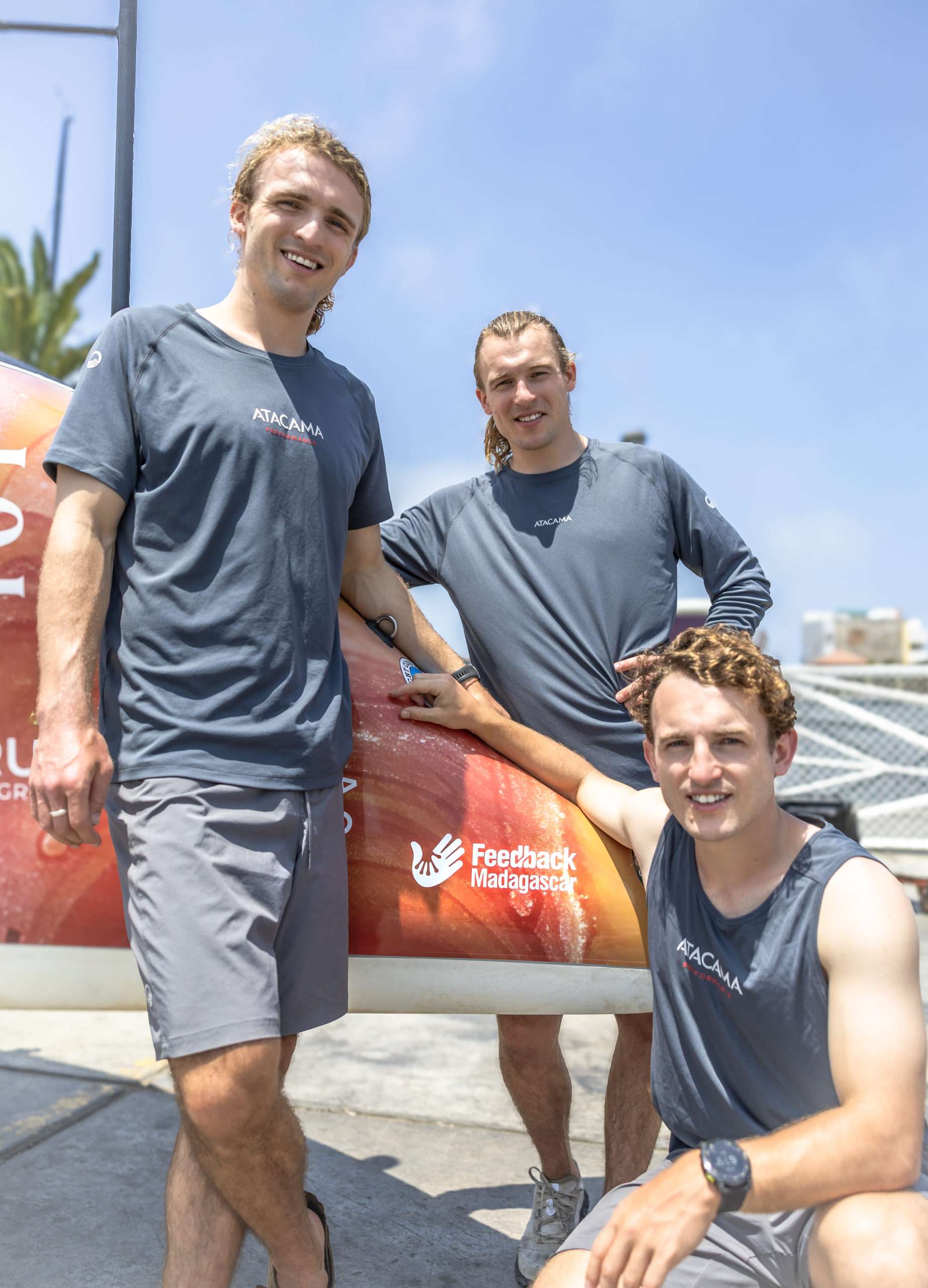
Gather the clan on the first Saturday in December, when the sound of hundreds of bagpipes will herald the start of the Daylesford Highland Gathering. For 73 years, Daylesford has embraced a day of Scottish culture – beginning with a huge pipe band street march in Vincent Street at 9am with over 250 bagpipes and drums.
Highland Heavy Games
A full day of events at Victoria Park follows and includes; the Victorian Highland Dance championships and the Pipe Band Contest including the marching of the Massed bands.
This year sees the return of the Highland Heavy Games. Back for the first time in 30 years! The games will include the Victorian championship light and heavy hammer throw, the Caber toss, Stone Put and more. Make friends with a Highland Collie, sample some fine whiskey or haggis and tatties, browse the market stalls and make a day of it.
Gather the clan, get your kilt on and head to the Daylesford Highland Gathering Saturday, December 7. For more information see: www.daylesfordhighland.com.
Decorated piper Callum Beamount, from Guardbridge in Fife, made history in Perthshire in October when he was crowned overall winner at the esteemed Glenfiddich Piping Championship at Blair Castle for the second year running.
For the first time in the event’s storied history, ten first-place qualifiers were invited to vie for the prestigious title, with the 51st annual event proving to be an electrifying showcase of piping talent and prestige. All competitors were seasoned veterans of the competition, each having played at the event at least once before, and performed exceptionally in front of a sold out audience in Blair Castle’s Victorian Ballroom and to hundreds via an online livestream.
Premier competition in solo bagpiping
Callum Beamount.
The Glenfiddich Piping Championship was founded in 1974 and is the premier competition in solo bagpiping, showcasing top pipers from around the globe. The event, organised by The National Piping Centre, Scotland’s centre for excellence in piping and drumming, funded by the William Grant Foundation, and held annually at Blair Castle, is a celebration of piping excellence, tradition and expertise. For more than five decades, it has inspired the world’s finest exponents of Ceòl Mòr or Piobaireachd (the great music) and Ceòl Beag or light music (the little music).
This year’s competition saw Callum Beamount lift the trophy for the second time, making it back to back overall title wins in 2023 and 2024 for the Fife piper. Inveraray’s Stuart Liddell took second place and Nick Hudson, from Texas, was third overall.
Callum Beaumont was also named the March, Strathspey and Reel (MSR) competition winner, with Stuart Liddell taking first in the Piobaireachd. Ian Duncan was awarded the Balvenie Medal for services to piping. This was the 40th presentation of this medal, which was first presented in 1984. Ian was awarded the medal for his service in Perthshire, where he has taught, led the Vale of Atholl Pipe Band and worked tirelessly to nurture the next generation of pipers for many years.
The pinnacle of solo piping competitions
Overall winner Callum Beaumont said: “Between getting married in the summer and taking this title, this has been the best year of my life. To come out overall winner has really topped off an amazing year personally and professionally.”
The National Piping Centre’s Director of Piping, Finlay MacDonald, said: “It’s a testament to the depth of talent and dedication in the piping world that we had ten exceptional first-place qualifiers this year and Callum Beaumont is a very worthy winner, impressively securing the title for the second consecutive year. The Glenfiddich Piping Championship remains the pinnacle of solo piping competitions, representing the very best in piping talent from around the world. We thank everyone who has supported this Championship over the past 51 years.”
The Glenfiddich Piping Championship will return on Saturday 25th October 2025 at Blair Castle. Tickets will be available from summer 2025. Visit: www.thepipingcentre.co.uk/glenfiddich.
Main photo: 2024 Glenfiddich Piping Championship competitors.
They are one of Scotland’s most popular music groups who are celebrating their 25th birthday. And now, a majestic oak in Lochaber which bears their Skipinnish name has been voted Britain’s favourite tree in a survey carried out by the Woodland Trust. The news completes what has been a remarkable period for band duo, Angus MacPhail and Andrew Stevenson – and gives them the opportunity to write a special song which they will unveil when they perform in front of an expected 15,000 fans at the OVO Hydro in Glasgow next September.
Andrew Stevenson of Skipinnish. Photo: Andrew King.
Mr Stevenson said: “We are absolutely delighted that the Skipinnish Oak has come out on top in this national poll, because is an ancient tree that is very much loved by the local community and the many tourists who come to visit it. It has seen many historic and landmark events, but this will be its first award for its beauty and history, and shows the affection people have for it. We hope it will make it a double and, as the UK’s entry, go on to lift the European title (which will be announced early in the New Year).”
The music landscape is flourishing
Skipinnish in the early days.
Skipinnish, themselves, have enjoyed a terrific year with packed concerts at Edinburgh Castle and in Inverness. It’s a far cry from the early days when the duo were performing in any Highland pub they could find which was looking for live music offerings.
Mr MacPhail told the Scottish Banner: “Back in the early 2000s, when we were still in our fledgling years, Runrig and Capercaillie were the only trad bands who could attract crowds of 2,000 or 3,000 and that had been the case for many years. But things have changed and very much for the better. Now, you have six or seven different groups who are in that same sphere and the circuit is in great health with folk from all ages and backgrounds. Much of that growth is down to the pioneering work of two groups in particular, so it was a huge honour that Malcolm Jones of Runrig and Karen Matheson of Capercaillie joined us as guests of our anniversary celebrations, since we have been fans of their music for many years.”
With more than 20 trad festivals taking place across the country in 2025, including the internationally-renowned Celtic Connections, the Orkney Folk Festival, Edinburgh Tradfest, Shetland Folk Festival, Stonehaven Folk Festival, Ceolas and HebCelt – which has partnered with Isle of Harris Distillery in allowing up-and-coming artists to perform – the music landscape is flourishing.
A virtuous circle
Angus MacPhail of Skipinnish.
Mr MacPhail said: “It’s happening across all ages and a very significant part of the expansion was the development of Gaelic Medium Education, which has given so much confidence to youngsters and allowed them to flourish in their own culture. It’s a virtuous circle, the cumulative impact of a lot of hard work which has been done by a huge spread of organisations and individuals in the Highlands and beyond. I grew up listening to this music and so did so many others. Yet now, there are so many platforms on which to perform and the number of festivals has helped us all. And many young people are tapping into the phenomenon, which is great for the future.”
As a proud native of Tiree, he relished playing traditional music wherever there was an audience while forming a rare symbiosis with his Lochaber-born colleague. Who would have guessed, 25 years ago, that they would now be linked not only by their musicianship and songwriting ability, but by a magnificent oak tree from more than a millennium ago?
Text by: Neil Drysdale
Main photo: An unknown Dutch tree enthusiast captures an image of the Skipinnish Oak. Image by Andrew Stevenson.
Did you know?
The Skipinnisn Oak on Achnacarry Estate in Lochaber. Photo: Andrew Stevenson.
-The Skipinnish Oak, on Lochaber’s Achnacarry Estate, is a well-known natural feature in the local area and has a very commanding presence within a conifer plantation which surrounds it.
-Up until 2009 the oak has been previously undocumented and unnamed. The name was given to the tree by experts partly because of Skipinnish co-founder Andrew Stevenson who is from the area and has known the tree from his days as a young boy growing up locally. The day after a Skipinnish gig, piper Andrew guided a group of Scottish woodland experts to the tree. The enthusiasts were so taken by its pedigree as an ancient Highland oak that the experts named it after the award-winning band.
-The Skipinnish Oak was up against 11 other UK oaks. The Tree of the Year competition is run by the Woodland Trust to celebrate the contribution trees make to our lives and the planet. The winner will go on to represent the UK in the Europe Tree of the Year competition.
As we prepare to bid farewell to 2024, Queensland Pops Orchestra invite you to join us for a truly special night – our Queensland Pops Orchestra’s 40th Anniversary New Year’s Eve Celebration at QPAC. Following on from the tradition established 40 years ago by Colin Harper, the orchestra will feature talented Queensland artists along with the fabulous musicians who will make this New Year’s Eve one to remember.
Warwick Adeney was a young violinist on the QPAC stage for the first concert in 1984 Patrick Pickett is delighted to welcome him back as guest concert master after a long and distinguished career with the Queensland Symphony Orchestra.
Artist line up
Piper Bruce Grice with the OzScot Highland Dancers.
Award winning soprano Nina Korbe
Tenor William Bourchier
Chris Williams, internationally recognised Digeridoo player
Pipe Major Bruce Grice
Ozscot Highland Dancers
Voices of Birralee
And Special Guest artists -The Borealis Quartet from Canada. One of the most dynamic and exciting world-class ensembles of its generation. They receive international critical acclaim for its fiery performances, passionate style and refined musical interpretation.
Glasgow based Loganair, the UK’s largest regional airline, has joined with Swedish hybrid-electric airplane manufacturer Heart Aerospace, to launch a new and exclusive partnership dedicated to decarbonising regional air travel. As part of the agreement, Loganair and Heart Aerospace will exclusively collaborate on establishing use-cases for hybrid electric aircraft within Loganair’s extensive Scottish and UK network. Heart Aerospace is developing the ES-30, a hybrid-electric aircraft with the capacity to carry up to 30 passengers. The ES-30 has the potential to significantly reduce carbon emissions while offering cost-effective and accessible air travel.
Sustainable UK regional flying
Luke Farajallah, Chief Executive Officer, Loganair, said: “This is a very exciting and significant moment for Loganair and for the future of sustainable UK regional flying. This exclusive collaboration with Heart Aerospace brings together two organisations who share a passion to see aviation emissions reduce in a realistic and meaningful way, and we definitely see the ES-30 as being a strong contender to emerge as one of the leaders in this space. At Loganair, we are very proud of our environmental work and achievements to date, and we see this as the next logical step along the path to a greener future for UK regional aviation.”
As part of the partnership, Loganair and Heart will work together to explore use cases for the ES-30 as well as engaging with the Scottish and UK Governments and airports, to promote and highlight the benefits of this innovative form of propulsion. The ES-30 will have a fully electric zero-emissions range of 200 km and an extended hybrid range of 400 km with 30 passengers on board. With 25 passengers on board, the aircraft has the potential to achieve a range of 800 km. Loganair will also join Heart Aerospace’s Industry Advisory Board, which includes a range of airlines, governments, leasing companies, and airports from all over the world committed to supporting the electrification of air travel.
In a thrilling quest to uncover secrets from one of Scotland’s most significant historical sites, archaeologists and volunteers have begun a remarkable dig at Culloden Battlefield, where the course of British, European and world history changed dramatically nearly 280 years ago.
Experts armed with both traditional archaeology tools and cutting-edge technology are peeling back layers of earth to reveal untold stories of the final clash of the Jacobite Rising in 1746.
The final battle of the Jacobite Rising
Led by the National Trust for Scotland’s Head of Archaeological Services, Derek Alexander who said: “This project aims to facilitate further understanding of the final battle of the Jacobite Rising of 1746. It’s always exciting to be working at Culloden Battlefield and so many of the artefacts have great stories to tell. Even small scale pieces of fieldwork can contribute to a better understanding of how the battle unfolded.”
Solemn history
This excavation combines traditional archaeological methods, such as grid-based test pits, metal detecting and modern techniques to uncover more artefacts that could provide further insights into the Battle of Culloden. Areas such as the Field of the English will be targeted for metal detecting, utilising techniques applied during the excavation at the Battlefield of Waterloo, which maximised artefact recovery.
The dig will be conducted with great care, respecting the site’s solemn history. Culloden Battlefield is a designated war grave, and the Trust ensures all activities at this significant site are designed with thoughtful care and respect.
On Thursday 3rd October, The Loch Ness Centre had a finding whilst onboard the vessel Deepscan, which has advanced sonar technology to explore the depths of Loch Ness daily. The radar system recorded a sizeable reading that has sparked intrigue and speculation among researchers and enthusiasts.
The radar system, specifically designed to detect underwater objects and formations, identified a distinct anomaly in the loch. While the exact nature of these readings remains under investigation, preliminary analysis suggests they could represent substantial underwater presences or potentially large aquatic creatures inhabiting the loch.
Radar records unexplained disturbance on loch bed
Loch Ness Project research vessel Deepscan.
The reading on Thursday 3rd October at n57°14.850 w004°31.688 suggests there was a disturbance on the loch bed. At the time, the team were out on the loch with Aberdeen University for their first official deployment of weeHoloCam and they were passed Urquhart Castle and were heading down to Fort Augustus when their equipment spotted the disturbance on the loch bed. Deepscan cruise uses cutting-edge technology to investigate the unique underwater environment of Loch Ness. With the use of sonar and radar systems, a hydrophone and most recently a state-of-the-art holographic camera, Deepscan has been able to provide The Loch Ness Centre with a detailed understanding of the loch to date.
Nagina Ishaq, General Manager of The Loch Ness Centre, said: “These radar readings have raised many questions about what lurks in the depths of Loch Ness. Our Deepscan cruise has consistently aimed to deepen our understanding of the loch’s ecosystem, and this finding shows that there are still many unknows about the loch. We are currently working with Loch Ness researchers to conduct further analysis of these readings which hopefully mark a major milestone in the search for Nessie.”
Main photo: The radar recorded a sizeable reading that’s sparking curiosity.
Hidden away in the woodlands that skirt around the edge of glorious Loch Eck in Cowal, Argyll, lies the grave of a man that undoubtedly changed the world. Chances are you’ll have never heard of Archibald Clark Kerr but his careful coaxing of Winston Churchill and many liquor-fuelled liaisons with Joseph Stalin in Moscow played a big role in bringing World War 2 to a conclusion. His face features in the official photographs from the three key landmark conferences that straddled the end of hostilities. From Tehran to Yalta to Potsdam, Kerr was there in the background helping to bring the Allies and the Soviet Union around the table in order to finally see off the Nazi threat and define the new post conflict global order.
The greatest diplomat in the world
The resting place of Archibald Clark Kerr, Inverchapel Lodge in Cowal, Argyll.
It’s impossible to sum up the myriad achievements of Archie in one article. It needs a book, and it was to Radical Diplomat by Donald Gillies (1999) that I turned along with a number of online resources and countless vintage videos on YouTube. A career diplomat once described as ‘the greatest diplomat in the world’, Kerr was born in Sydney, Australia in 1882. He had strong Scottish family roots and regularly returned to his home in Inverchapel from his many foreign ambassadorial adventures. His family relocated to the UK in 1891 with Archie starting his schooling at Bath College a year later. His ambition was clear although it was always expressed with a degree of self-deprecating humour. He was only 20 when he wrote “I am thinking of getting made a peer. I should first…call myself Lord Inverchapel…Then I should be promoted to Viscount Inverchapel and finally Earl Kilmun.” In 1906 he joined the Diplomatic Service with his first posting taking him to Berlin. He very nearly hit it off with Princess Sophie, sister of the Kaiser and twelve years his senior. She went on to marry the King of Greece. By 1910 it was time for Archie’s diplomatic odyssey to quicken with postings in Buenos Aires and Washington, DC before heading to Rome just before the outbreak of the First World War.
He was desperate to enlist but his efforts were thwarted at every turn. In 1915 he was posted to Persia, now Iran and a nation at the time that was undergoing its own crisis of identity given competing German/Turkish, Russian and British influences. He finally got the chance to sign up in June 1918, joining the Scots Guards as a Private but the war ended just as he finished his basic training. In 1919 he headed to north Africa with a posting in Morocco and then Cairo in Egypt where he almost became romantically involved with Lady Elizabeth Bowes-Lyon, later to become Queen Elizabeth the Queen Mother. In 1925 he returned to the Americas with a position in Guatemala. Despite political differences, Archie was nurturing a strong friendship with Winston Churchill and regularly sent him exotic butterflies for his private collection garnered from across central America. From there it was south to Santiago. It was in the Chilean capital that he met his future wife, Maria Theresa Diaz Salas (Tita), 29 years younger and the daughter of a millionaire. In a speech to the St Andrew’s Society of Valparaiso in late 1928 Archie was reported as saying: “Wherever he lives…the heart of the Scot is always in Scotland…Scotland is always home.”
Stalin
Joseph Stalin, Franklin Roosevelt and Winston Churchill at the Teheran conference, 3 December 1943. Behind them are Mr Molotov, Avril Harriman, Sir Archibald Clark-Kerr and Anthony Eden. Photo: REDDIT.
Archie and Tita headed to Sweden for a new posting in Stockholm in 1931. He didn’t hold back when describing the natives! “They are only interesting when stark naked. Dressed they are the worst of bores” he was reported to have said. He had just taken up sketching nudes in his spare time! In 1935 it was onward and eastward yet again with Baghdad, capital of the fledgeling nation of Iraq, beckoning for Archie and with it, a host of tricky issues to resolve. By now a Sir, his trouble shooting reputation was growing and a posting to China followed in 1938. It was another ‘hot spot’ with Japanese and communist threats growing against the nationalist government. The war clouds were gathering yet again across Europe. Of the Munich Agreement Archie said: “The effect of the Munich accord on foreign opinion…is that perfidious Albion has been true to form and let down her friends again. The Chinese reaction is that we are entirely self-seeking and have merely been keeping them in play with fair words….our prestige is at a low ebb in the east.”
In 1942, a year after he’d separated from Tita, he got a position in the USSR that really moulded his reputation in the midst of conflict. He was based in Kuibyshev, now Samara, in the Russian deep south. Diplomatic missions had been relocated there from Moscow given the Nazi threat to the Soviet capital. Whilst in China his flat in London had been destroyed in the Blitz, many of his personal belongings had gone down in a ship sunk by Japanese torpedos and he had lost his true love. His first meeting with the Stalin proved to be the stuff of legend despite being interrupted by an air raid on Moscow! He wrote: “My first surprise was the shape and size of him. I had expected something big and burly but I saw…a little, slim, bent, grey man with a large head and immense white hands. When he shook my hand, he looked almost furtively at my shoulder and not at my face.”
The pair found common ground in their passion for alcohol, tobacco…and sex! In a communication to Anthony Eden he wrote “It was probably no more than a juxtaposition of two old rogues, each one seeing the roguery in the other and finding comfort and harmony in it…and chuckling over it…chuckling all the more because of the governess presence of the boot faced Molotov.”
He also wrote of Stalin… “I found him to be just my cup of tea. And now he has done something which the staff here declare to be without precedent. He has sent me a large quantity of his own pipe tobacco.” Archie was fully aware of Stalin’s murderous ways with the blood of more than 5 million Russians on his hands but he navigated a pragmatic approach with the Soviet leader… “…if we let ourselves be disturbed by backgrounds in Russia today we shall get nowhere…” Soviet secrecy and fear presented big obstacles to Archie’s work and he became bored and disillusioned with life in the backwater of Kuibyshev. He hankered after the banks of Loch Eck. It was now four years since his last visit to his beloved Scotland. His request fell on deaf ears. There was work to do in the USSR and a Treaty to sign that could hasten a conclusion to the hostilities that were crippling Europe and the Soviet Union. Donald Gillies, author of Radical Diplomat, wrote: “Clark Kerr’s ability to establish a good working relationship with Stalin did prove crucial in smoothing out the many difficulties which arose during the war years…without Clark Kerr there is a good chance that the alliance with the Soviet Union would have foundered long before it actually did in the post war fall out. It’s hard to imagine any other British diplomat being able to settle down to a drinking session, punctuated with bawdy jokes and coarse tales, with the Politburo!”
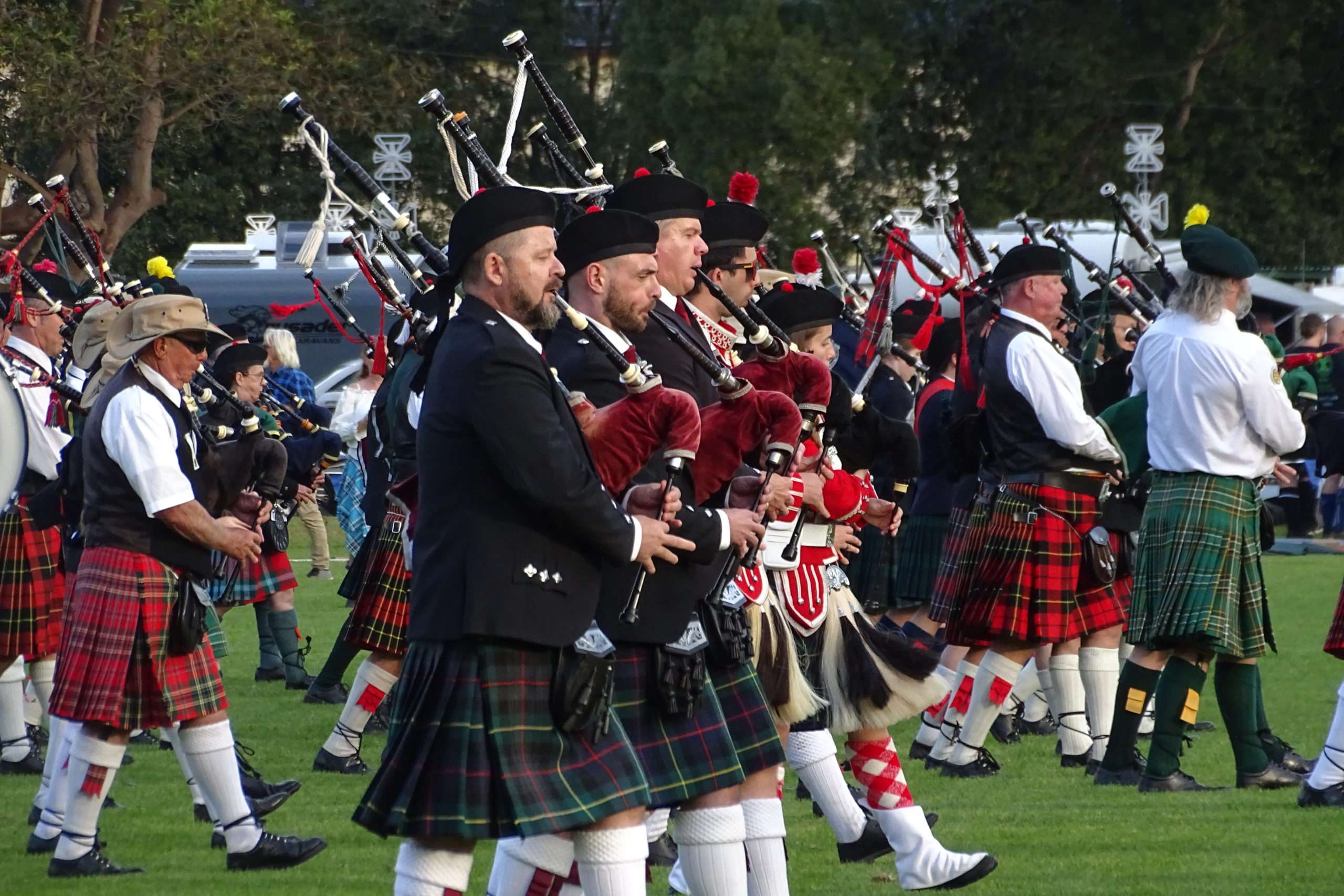
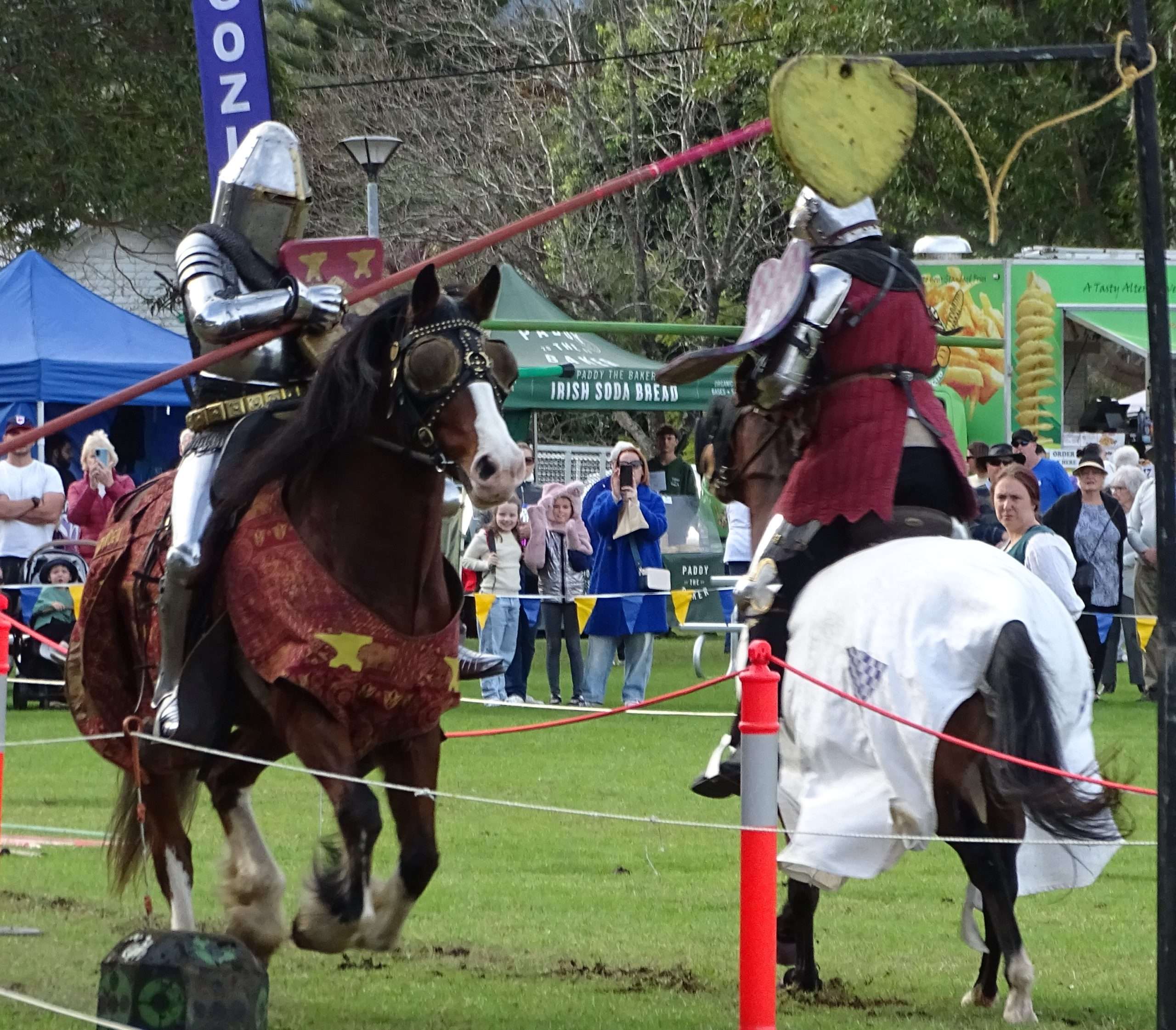
The alliance with the Soviets
Radical Diplomat by Donald Gillies.
In August 1942 Churchill visited Moscow to meet with Stalin. Archie described his arrival: “The first glimpse I had of the PM was a pair of stout legs dangling from the belly of the plane and feeling for terra firma. They found it and then came the plump trunk and finally the round football head.. And quite a normal hat. It was like a bull at the corrida when it first comes out of its dark pen and stands dazzled and bewildered and gazes at the crowd…” The talks were a rollercoaster with the two leaders not always seeing eye to eye…until Clark Kerr’s finest hour!
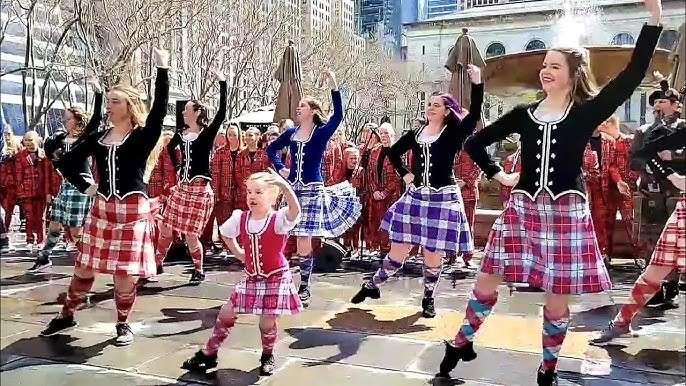
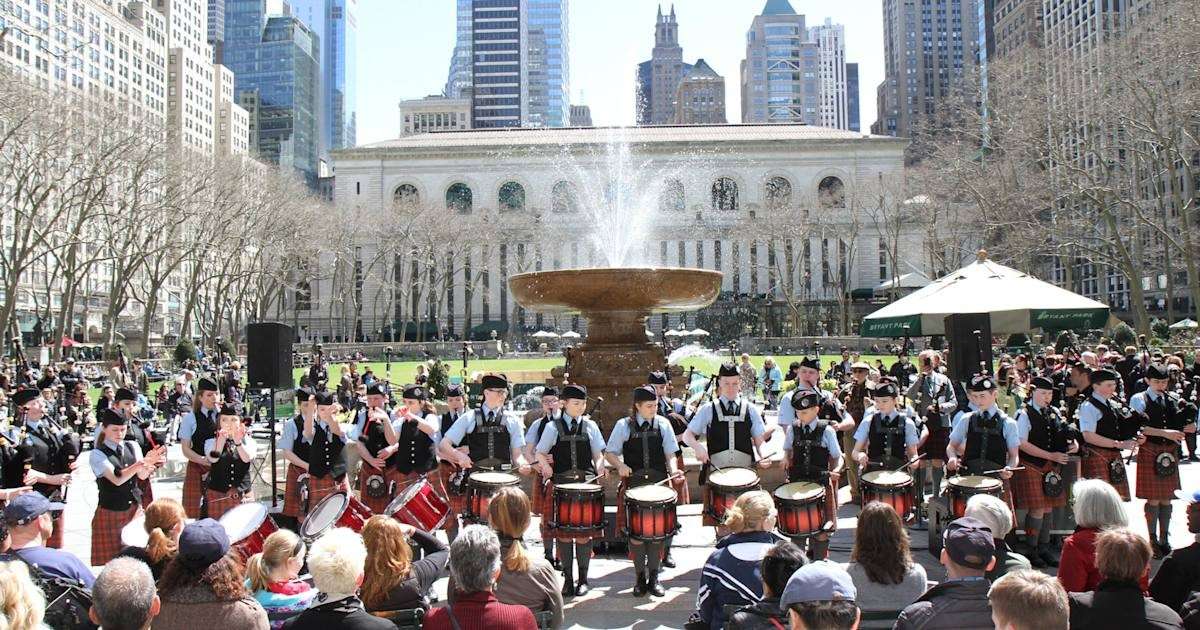
Clark Kerr had a private chat with Churchill in the grounds of a dacha where the PM was staying. He was straight to the point with the British leader and told him that he was going about the talks in the wrong way. Churchill said of Stalin: “That man has insulted me. From now on he will have to fight his battles alone.”
Clark Kerr suggested Churchill had made a mess of things: “You mean that you think it’s all my fault,” said Churchill. Clark Kerr replied: “Yes I’m sorry but I do.” He persuaded Churchill to meet Stalin that evening one to one. The pair had a very successful meeting, more of a social ’get to know you’ chat than anything strategic. It started at 7PM and ended at 2AM when a final communique was agreed. They had connected, there had been a meeting of minds that seemed impossible just hours earlier. Churchill, previously grumpy and moody, was ecstatic that morning and openly (quite literally) got ready for his bath in front of Archie who provided the Foreign Office with a sketch of that memorable moment! Over the coming months, as war raged on, relationships were cemented further between Archie, Stalin and the Russians…although lubricated would be a better description! At one event one of the Russians, after many vodkas, got out an unarmed tommy gun and asked Archie if he knew how to use it. Archie accepted the challenge and proceeded to fire from the hip raking the bellies of Stalin, Molotov et al. Stalin then took the gun and fairly decimated the crowd, thoroughly enjoying the joke but paying special attention to many of his worried ministers!
Archie returned to Britain for three months leave in late 1942 but got the chance to broadcast on BBC radio immediately prior to his return to the USSR in February 1943. “The alliance with the Soviets was not only a solemn bond,” pronounced Archie during his 15-minute speech “..but a human pact between two nations. We shall do all we can to see that it runs smoothly, and we shall do it with heart and soul.” Churchill’s final instructions to Archie were: “I don’t mind kissing Stalin’s bum but I’m damned if I’ll lick his arse!”
Diplomacy walks a fine line
Archibald Clark Kerr’s grave in Cowal.
The expectations of the Russians from the start were that a second front should be opened up in western Europe and they were keen to pin down the post war arrangements in eastern Europe. With the Normandy landings still some way off, Archie used all of his charm and charisma to keep the USSR on side helped immensely by his relationship with Stalin and lots of Russian alcohol! Towards the end of 1943 Stalin, Churchill and Roosevelt met in Tehran to discuss the opening of the aforementioned second front and other issues. During a lunch meeting one of the party farted rather loudly. Clark Kerr chuckled but was chided by Churchill who said: “Do not let the heat imparted by someone else’s buttocks detract you from the discipline of a solemn matter.” The conference proved to be a great success. The winds of change were in motion! Diplomacy walks a fine line and Archie was an adept tight rope walker in that respect wherever and whenever he was called upon. The Yalta conference followed in early 1945 with the Nazi war machine in full retreat on all fronts.
Following the end of World War 2 the third great conference of Allied leaders took place with Churchill being replaced by Atlee halfway thru as a result of his defeat in the General Election. Truman made up the triumvirate. Once again Clark Kerr was at the centre of proceedings and was also becoming more realistic and honest in his assessment of the Soviets. In his final years Kerr was a pivotal character in the establishment of NATO and played his part in the start of the European Union project prior to his untimely death at the age of 69 in 1951. You do wonder what Archie would make of the parlous state of the world today with authoritarianism once again rife and a ‘tribes in trenches’ culture running riot. We hardly ever learn the lessons of history…but you can bet Archie learnt a few!
Text by: Rob Wilkinson
Main photo: Archibald Clark Kerr. Photo: National Portrait Gallery.
Operatunity, New Zealand’s foremost provider of daytime concerts and luxury musical tours, invites you to embark on a musical journey like no other. With nearly 200 concerts and 21 vibrant tours each year, we pride ourselves on bringing exceptional musical experiences to audiences across the country. Our diverse program includes everything from lively music festivals to international operas, and enchanting concerts set in some of the world’s most picturesque locations.
Thistle & The Shamrock
Mark your calendars for Thistle & The Shamrock, a sensational tour gracing New Zealand stages from 13 January to 14 February 2025. This invigorating celebration of Irish and Scottish music promises to transport you to the heart of Celtic traditions. Prepare to be swept away by the infectious energy and soul-stirring melodies performed by an outstanding ensemble of talented artists.
The lineup features beloved fiddler Marian Burns, whose exciting performances will leave you spellbound. Joining her are the exceptional accordionist Tracey Collins and a collection of renowned vocalists, including Bonaventure Allan-Moetaua, Karl Perigo, Alex Foster-Winder, and the celebrated West End star Russell Dixon. Operatunity’s own director, Susan Boland, adds her unique flair to the performances, all accompanied by the masterful pianist Paul Carnegie-Jones. Together, this dynamic group will take you on a musical odyssey filled with everything from rousing patriotic anthems and haunting ballads to lively jigs and whimsical tunes. This tour is a feast for the senses, promising an unforgettable celebration of the rich tapestry of Celtic music.
Tickets for this concert tour are available for purchase on our website, www.operatunity.co.nz, or you can reach our friendly concert team toll-free at 0508 266 237. Don’t miss the chance to be part of this extraordinary musical experience!
An Adventure Awaits: Celtic Celebration Scotland & Ireland
If you find yourself enchanted by Thistle & The Shamrock, then brace yourself for an even grander adventure! Join us for our spectacular 25-day Celtic Celebration – Scotland & Ireland tour, taking place from 25 July to 21 August, 2025. This cultural journey offers numerous musical experiences, guided by our talented hosts, including Bonaventure Allan-Moetaua, Karl Perigo, and fiddler Marian Burns.
Throughout the tour, you will experience the legendary Royal Edinburgh Military Tattoo, enjoy intimate private concerts, visit lively pubs with local musicians, and revel in the beauty of traditional shows. Highlights include a magical cruise featuring live performances, the delightful Taste of Scotland show, and captivating performances of Riverdance and a medieval show at the historic Bunratty Castle. This adventure isn’t just a journey through breathtaking landscapes; it’s a deep dive into the proud history and rich cultural heritage of Scotland and Ireland.
To secure your place on this unforgettable tour or for more information, visit our website www.operatunity.co.nz, call our dedicated travel team toll-free at 0508 886 489, or email us at [email protected].
*Please note that tickets for concerts and spaces on tours are limited. Contact us today to ensure you don’t miss out on these incredible musical experiences!
The popular time-travelling fantasy drama Outlander returns this month for the Season 7, part 2 over eight episodes. Coming off the first half of Outlander Season 7, we find Claire, Jamie and Young Ian leaving the colonies and arriving in their beloved homeland: Scotland. The perils of the Revolutionary War force them to choose between standing by those they love and fighting for the land they have made their new home. Meanwhile, Roger and Brianna face new enemies across time, and must battle the forces that threaten to pull their family apart.
As loyalties change and painful secrets come to light, Jamie and Claire’s marriage is tested like never before. With their love binding them over oceans and centuries, can the MacKenzies and Frasers find their way back to each other?
The Outlander television series is inspired by Diana Gabaldon’s international best-selling books, which have sold an estimated 50 million copies worldwide, with all nine of the books gracing the New York Times best-seller list. The television series has become a worldwide success with audiences, spanning the genres of history, science fiction, romance and adventure in one amazing tale.
Outlander Season 7 Part 2 will premiere in the US on Starz on Friday 22 November. Outlander Season 7 Part 2 will premiere in Australia on Foxtel on Saturday, 23 November. Also available in other regions and please check listings.
In September we looked at some of the curiosities and lesser-known attractions of Glasgow. Fair’s fair; now for a similar look at Edinburgh.
Edinburgh’s other castle
Craigmillar Castle.
Everybody knows Edinburgh Castle, one of the most recognisable (and busiest) attractions anywhere in the world. But Edinburgh has other castles and one of them is also in the care of Historic Environment Scotland (HES). At Craigmillar Castle you won’t have to queue to photograph anything. The castle is about three miles southeast of the city centre, from which several bus routes run from to Old Dalkeith Road, a short walk away. Parking at the castle is limited.
Any building of any age in Scotland seems to have been visited by Mary Queen of Scots and she knew Craigmillar Castle well, and enjoyed a lengthy stay there in 1563. In June 1567 she gave birth to the future James VI in Edinburgh Castle and that November Mary and little James sought peace at Craigmillar Castle. The Queen enjoyed hunting and falconry in the surrounding countryside, now a country park where we’re all free to roam where Mary did.
Two impressive yew trees grow in the gloom of the castle’s inner courtyard, outside the original tower. The later parts of the castle were built in the 1660s. The Gilmour family bought the estate from the Prestons in 1660 and built these new ranges. Craigmillar has something for everyone; small children will love the spooky dark passages and spiral staircases; even sullen teenagers will giggle at the long-drop latrine closets.
Dunbar’s Close
Dunbar’s garden.
The Royal Mile suffers from overtourism, and it can be exhausting just walking through the crowds. The historic closes that lead off it are often fascinating and none more so than Dunbar’s Close which opens on the left as you walk down the Canongate towards Holyrood. It’s probably named after David Dunbar, a lawyer who owned properties here in the 18th century.
The close leads to a small green space designed to resemble a 17th century garden. It’s small but endlessly fascinating. When the lavender is in bloom there’s a sleepy buzzing of bees. In its present form, remarkably, the garden only dates to 1976, when a charity called the Mushroom Trust acquired the ground, employed the landscape architect Seamus Filor to design a garden, and gifted the result to the city on completion in 1978.
Drop into Dunbar’s Garden to enjoy peace and greenness. But not all at once. Let’s preserve the atmosphere.
The Old Botanics
Hopetoun Crescent Garden.
Another corner of Edinburgh, another garden. Hopetoun Crescent Garden is just off the grand thoroughfare of Leith Walk, near MacDonald Road tram stop. It is partly a relic of what is now the Royal Botanic Garden Edinburgh. The city’s first ‘physick garden’ appeared in the 17th century near Holyrood Abbey, moved to what’s now Waverley Station (just imagine that!) and then to the area around Hopetoun Crescent in the 1760s.
It made its final move (so far…) to the present Inverleith site in the 1820s but this lovely little garden remnant survived. It’s impossible to be sure which trees survive from the Botanic Garden era, but there are some surprisingly large examples for a city garden. Great credit is due to the Friends of Hopetoun Crescent Garden who have transformed a site that was a neglected eyesore by the 1990s into a beautiful community greenspace.
The other Scott Monument
Corstorphine Hill Tower.
The Scott Monument in Princes Street Gardens has now been demoted to the world’s second largest monument to a writer (the Jose Marti monument in Havana has replaced it) but the city has plenty more memorials to Scott. He’s commemorated in the Writer’s Museum in the High Street, quotations from his work bedeck Waverley Station (named after his first novel, of course), and you can see paintings and sculptures of the man himself in the city’s galleries. But there’s another Scott Monument, on Corstorphine Hill; and it’s nearly as tall as the one in Princes Street.
Corstorphine Hill Nature Reserve lies to the west of the city centre, a quick bus run (12, 26, 31) from Haymarket or Princes Street. A path begins from Corstorphine Road near the zoo, climbing steeply, but the angle soon eases. You reach a viewpoint, the Rest and be Thankful; this is the spot where Alan Breck and Davie Balfour part at the end of their hazardous journey from Mull in Robert Louis Stevenson’s Kidnapped.
On the heavily wooded summit, you find an impressive tower that’s just the sort of thing a wandering hero in a Scott novel might come upon in a thunderstorm as hostile redcoats close in upon him. It has the alternative names Corstorphine Hill Tower, Scott Tower or Clermiston Tower and was built in 1871 for the 100th anniversary of Scott’s birth. Thanks to volunteers from the Friends of Corstorphine Hill you can go inside and enjoy the view from the parapet on summer Sunday afternoons.
Trinity House, Leith
Trinity House, Leith, is just a short distance from the Foot of the Walk tram stop and is another HES property. It was the home of the Incorporation of Mariners and Shipmasters, an organisation that collected port dues and worked in the interests of the local seafarers; incredibly, the Incorporation dates from 1380. It was based on this site from the late 1500s and when the present late Georgian building was constructed in 1818 some parts of the older buildings were included: the north wall incorporates a stone with the date 1555.
It’s now a museum celebrating Leith’s maritime history featuring many original fittings and items of furniture with artworks and other exhibits. It usually closes for winter at the end of September but in October 2024, to mark Black History Month, there was a special exhibition on Leith’s Black History.
These are just some of the lesser-known features of Edinburgh. There are of course, many more, and the same is true for Glasgow. Seek them out for yourself, and tell theScottish Banner about them.
Alex Geddes has never been somebody to shirk a challenge. And that’s just as well given the scale of the project which he accepted more than a decade ago. After working with Grampian Police for many years, he left the force the day before the creation of Police Scotland and wondered what next might be on his radar.
However, just a few weeks later, he received a phone call from Score Group, the company which had originally purchased the former Peterhead Prison – which closed in December 2013 – to ask if he was interested in converting it into a museum.
Alex Geddes at Peterhead Prison Museum.
And, though there were many issues to resolve while transforming the former Hate Factory – a place which kept many of Scotland’s worst criminals behind bars for decades – into a venue which tourists might love to visit, Alex knuckled down to the task. In the role of operations manager, he dealt with different agencies, sought help and advice from local and national bodies and the consequences were extraordinary when the venue opened its doors in the summer of 2016.
As he said: “The task of taking it from an empty shell to a five-star visitor attraction within three years had me facing various challenges, along with many ups and downs. Yet the day that the grading officer from VisitScotland announced we had secured our five-star rating saw the tears flow as my dream from day one was finally achieved.”
Incredible stories
Peterhead Prison is also today a filming location.
Alex and his colleagues have worked with everybody from Robert Gordon University to Westhill Men’s Shed and the producers of the Channel 4 drama series Screw, and have been involved in a diverse range of exhibitions, forays into what’s described as “dark tourism” and educational initiatives with schools in the region.
He said: “One visitor I met on week one of our opening summed it up when I asked him if he had enjoyed his visit. He stopped and gazed at the main halls and said: ‘I’ve always wanted to see in it, but never wanted to be in it’. The one thing which has given me most satisfaction is speaking to former officers that worked here and hearing their stories converted onto our award-winning audio tour. Too often in the past, their incredible stories were never heard, but I hope we have given them all a voice for future generations to enjoy and learn from.”
Alex Geddes meeting King Charles at the annual Garden Party at the Palace of Holyroodhouse in Edinburgh in July.
It’s now time for Alex to hand over the day-to-day running of the popular museum to a new business manager while he moves into a public relations role. But there’s no question of this redoubtable fellow stepping away entirely from his cherished site.
He said: “As you may imagine, for a small charity with huge overheads, funding is always a challenge as we try to keep the former prison intact. Given that the prison was originally built in 1888 and only closed in 2013, we have to do a lot just to keep the place wind and watertight alone. So, I do hope I can now focus mainly on ensuring our good name is maintained while securing funding to keep the museum alive and moving forward.”
Prison guards in 1952. Photo: Peterhead Prison Museum.
-Peterhead Prison opened in 1888 and closed as a working prison in 2013.
-HM Convict Prison Peterhead was the only convict prison in Scotland.
-Britain’s first state owned passenger carrying railway transported the convicts between the prison and granite quarry, for Peterhead Red Granite, for their daily work between 1888-1958.
-The prisoners also helped in building Peterhead harbour’s breakwater.
-The early cells of 1888 were just 5 ft x 7 ft x 7 ft high, and hung with a hammock-style bed.
-Over the years Peterhead has housed some of the hardest and most violent criminals in Scotland including serial killers, thieves and gangsters.
-A five-day prisoner riot broke out in October 1987 which resulted in the inmates taking over part of the building and holding guard’s hostage.
-Peterhead Prison Museum is open year-round in Peterhead, Aberdeenshire.