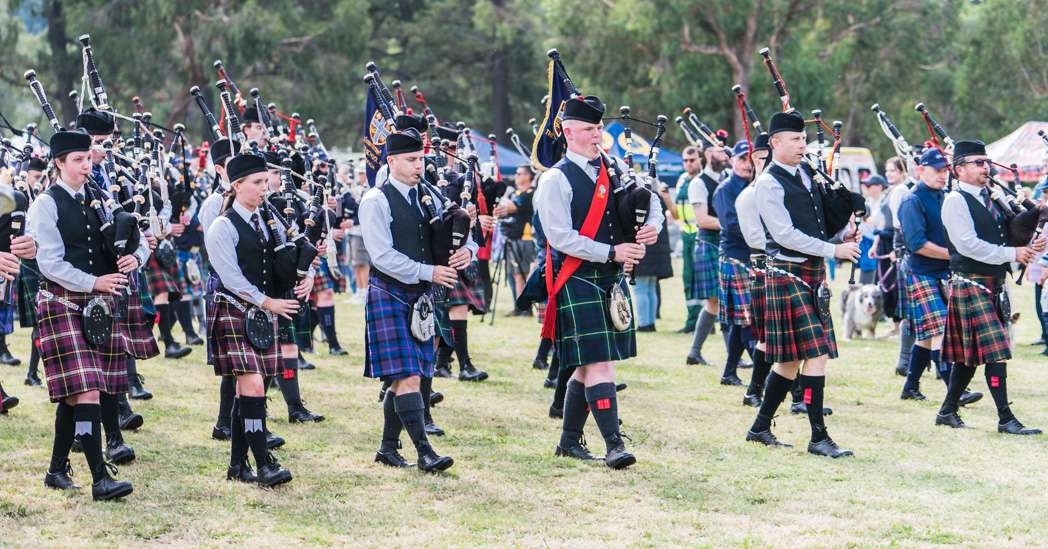
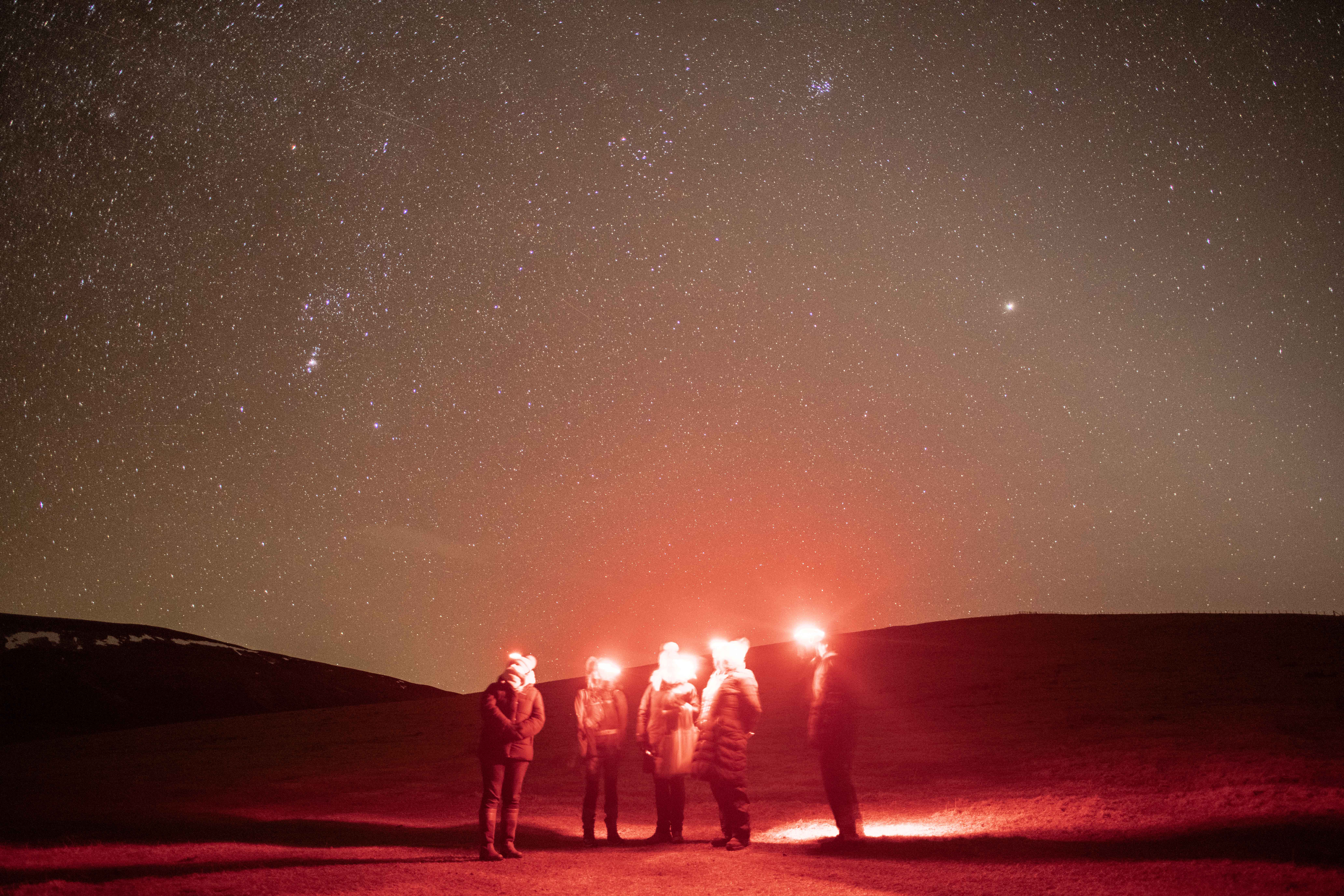
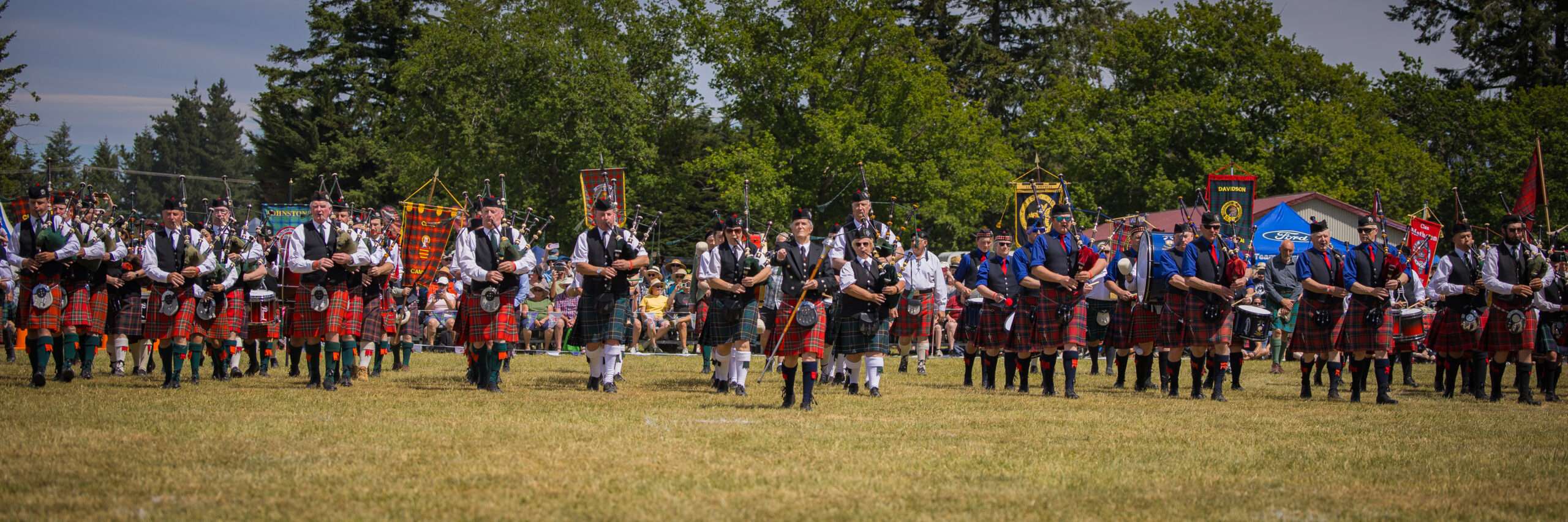
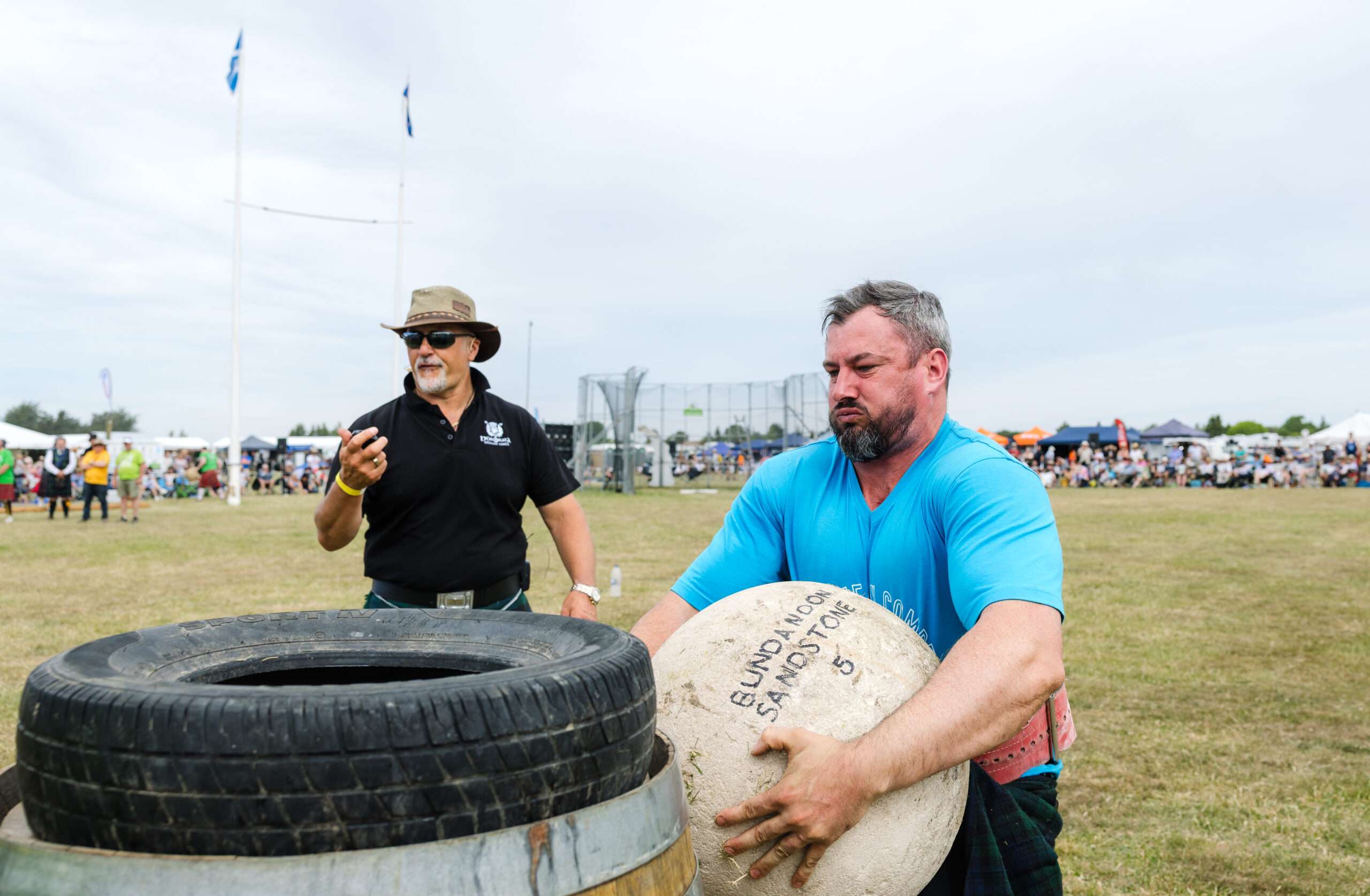
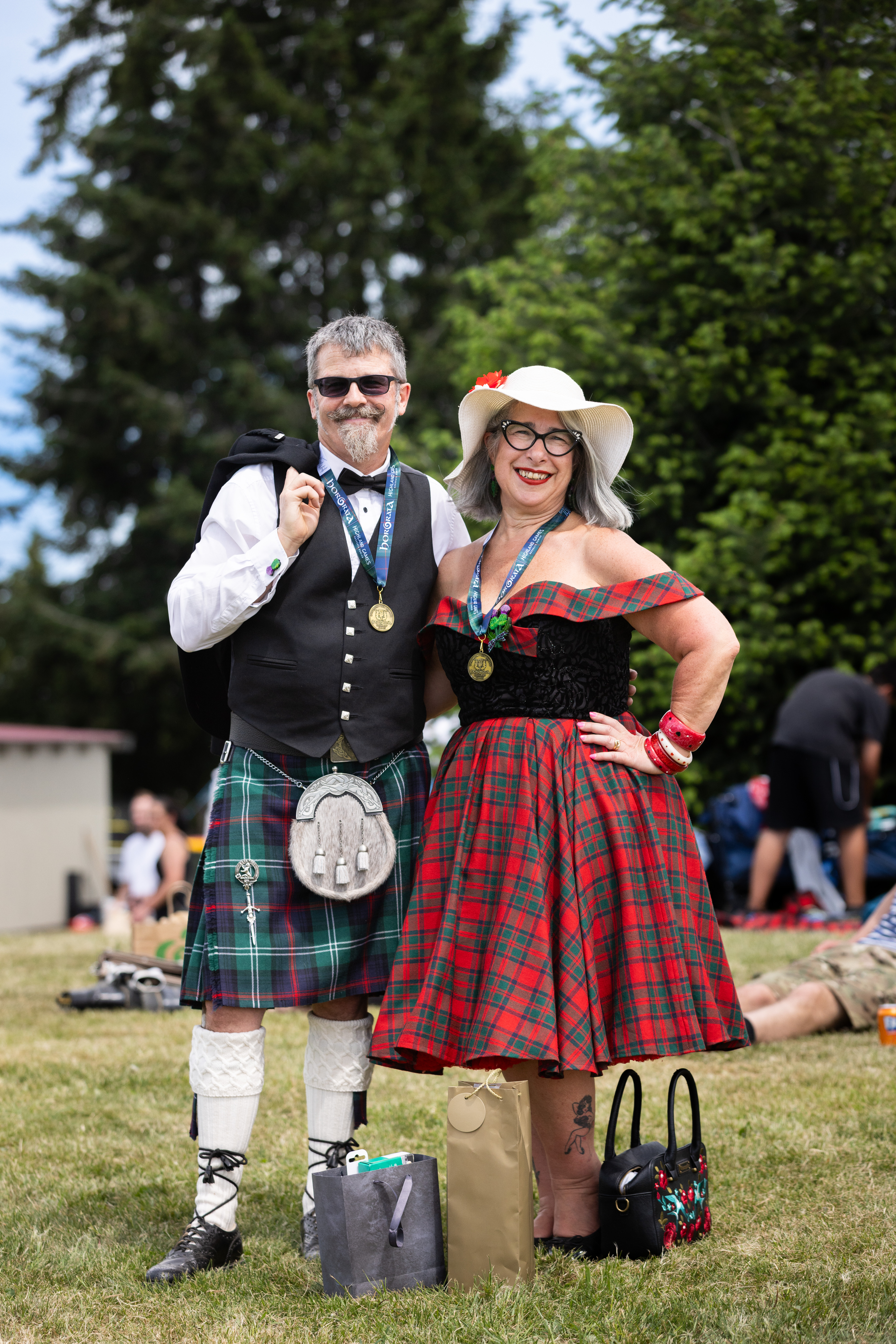
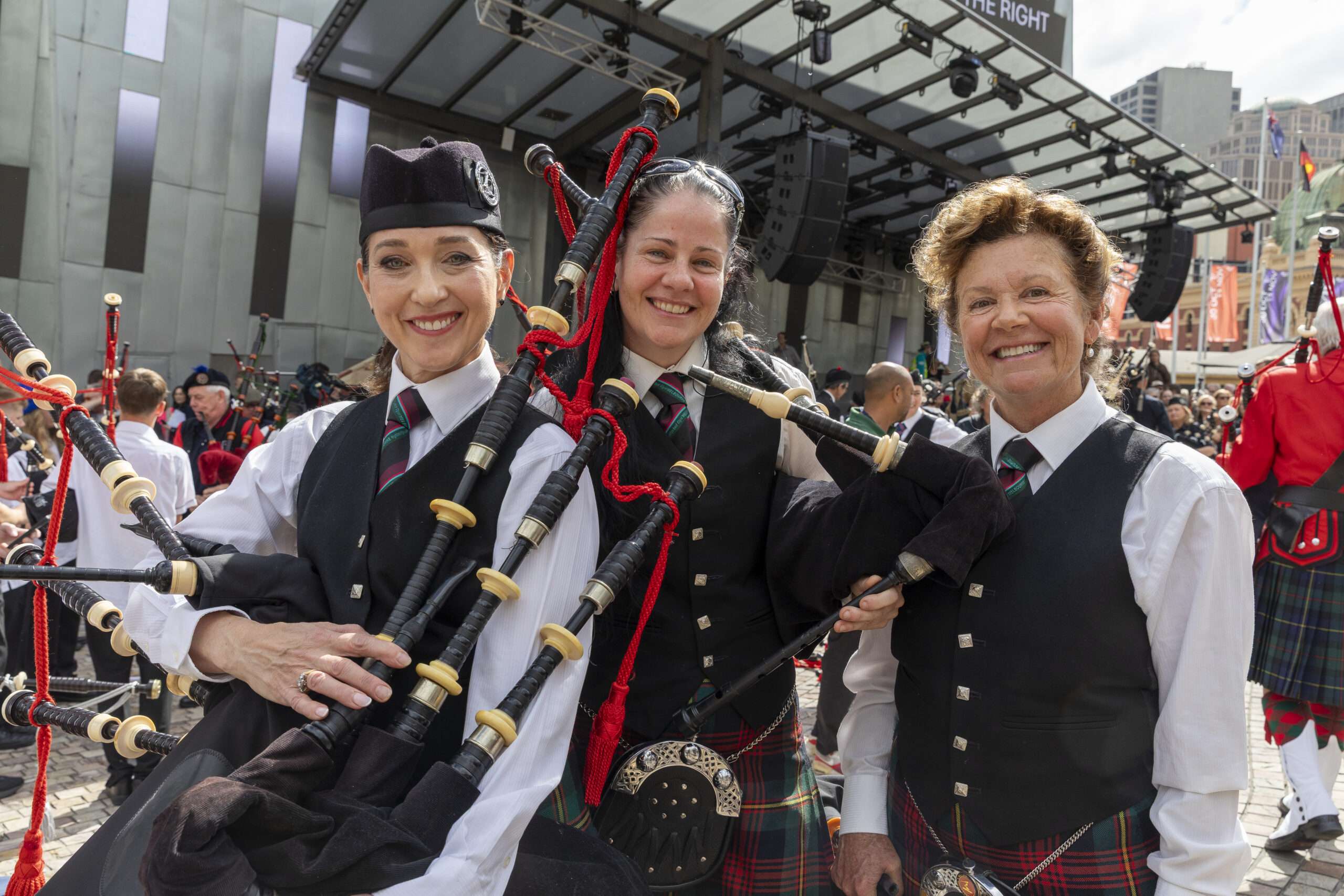
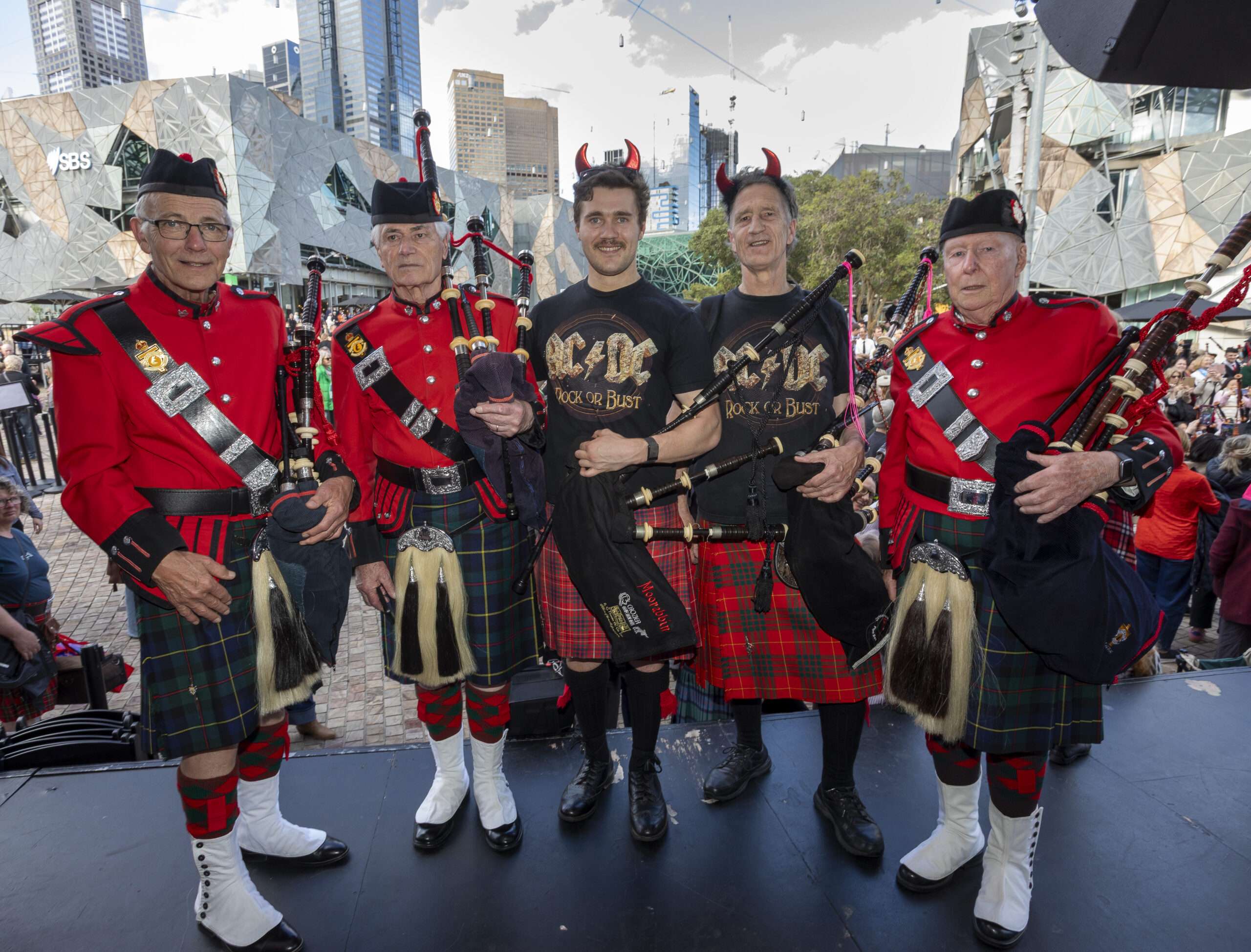
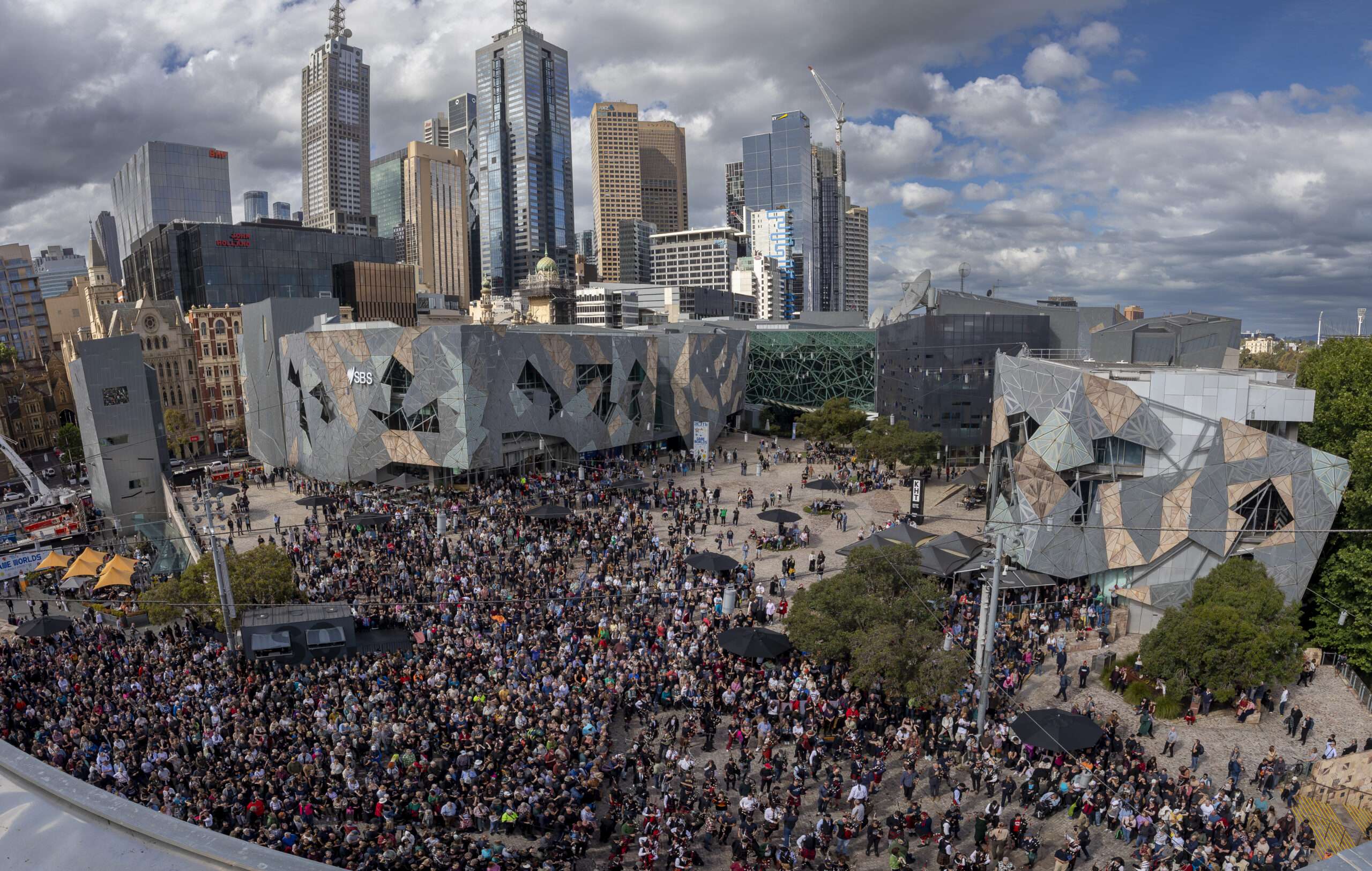
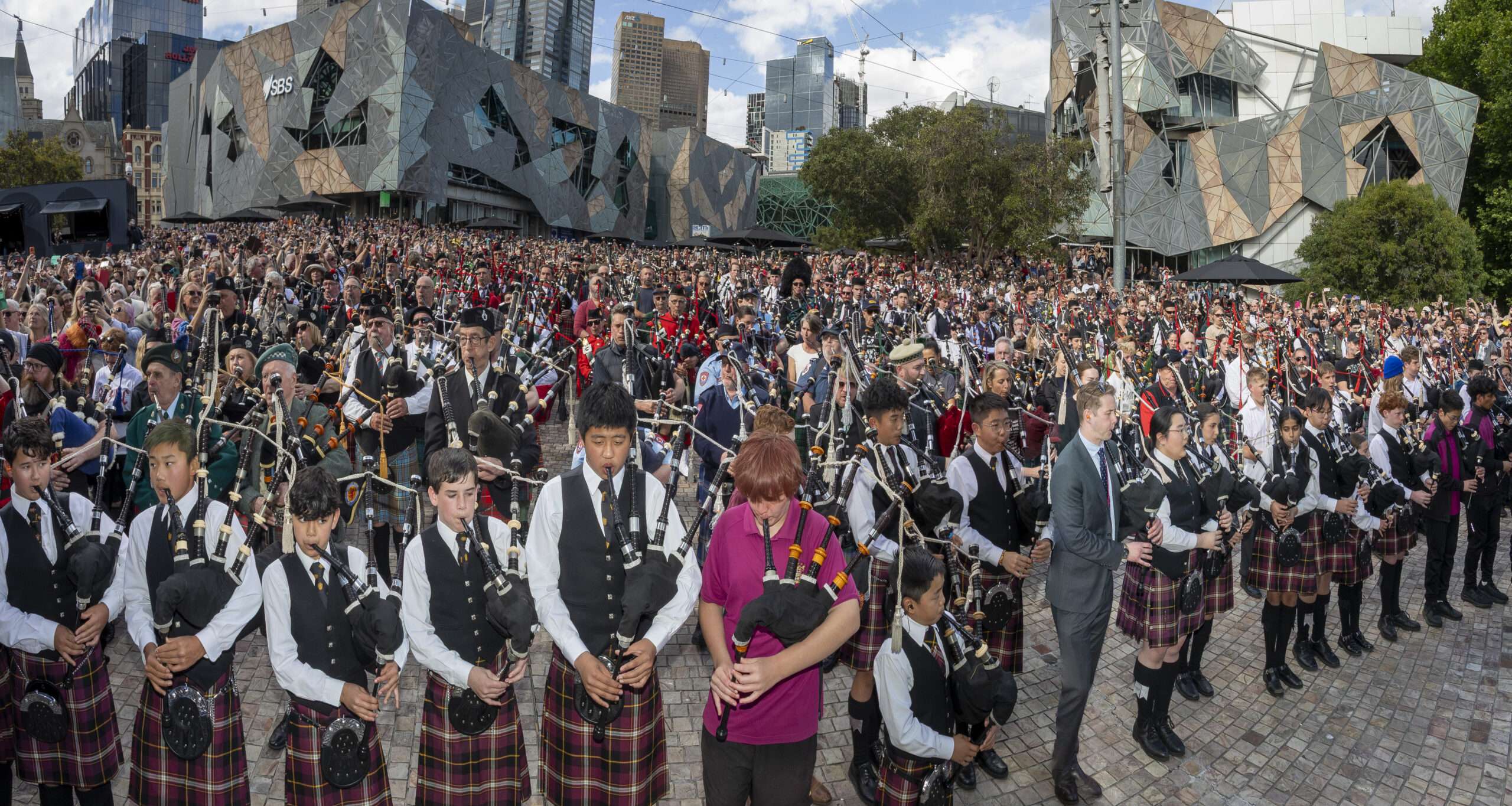
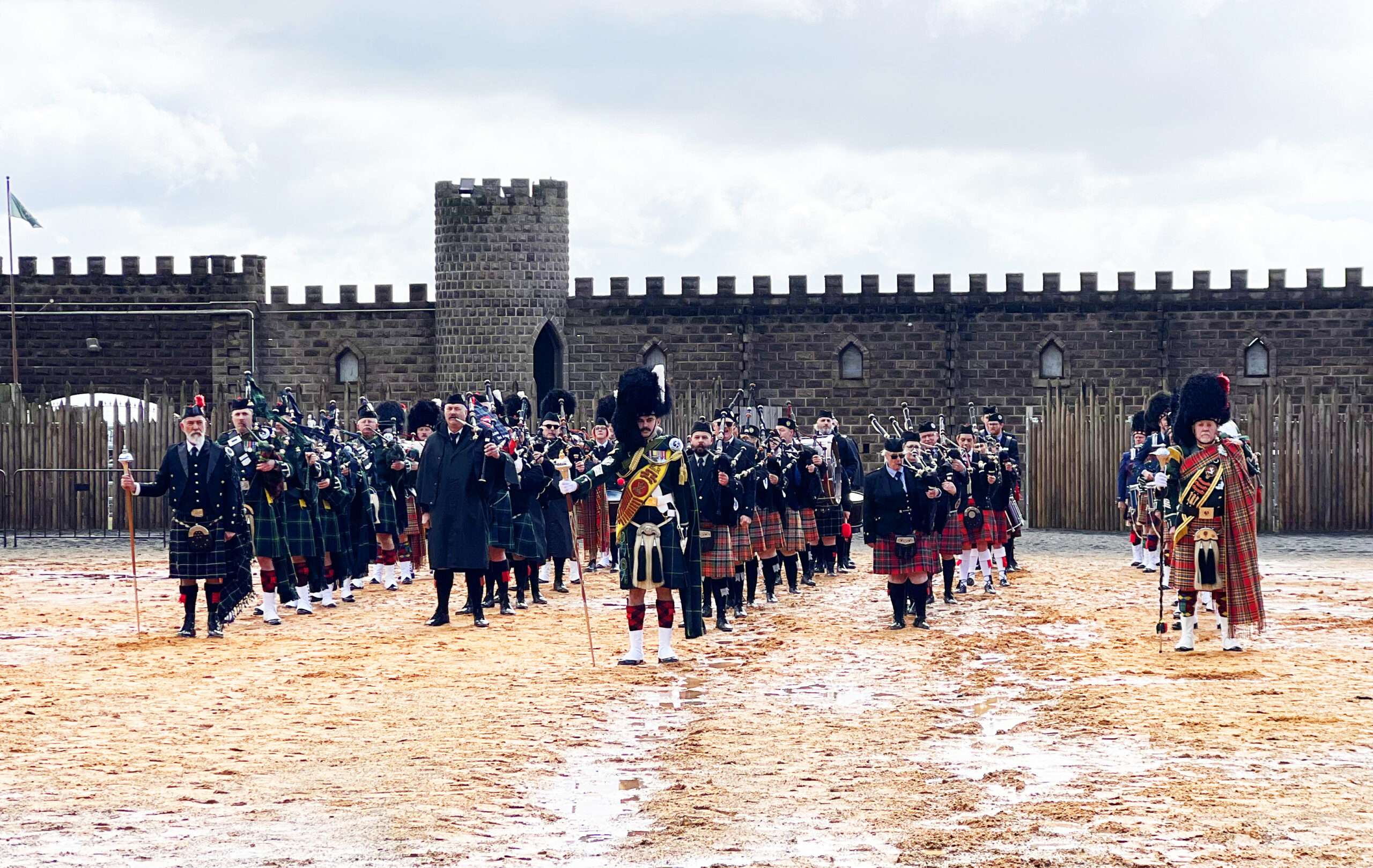
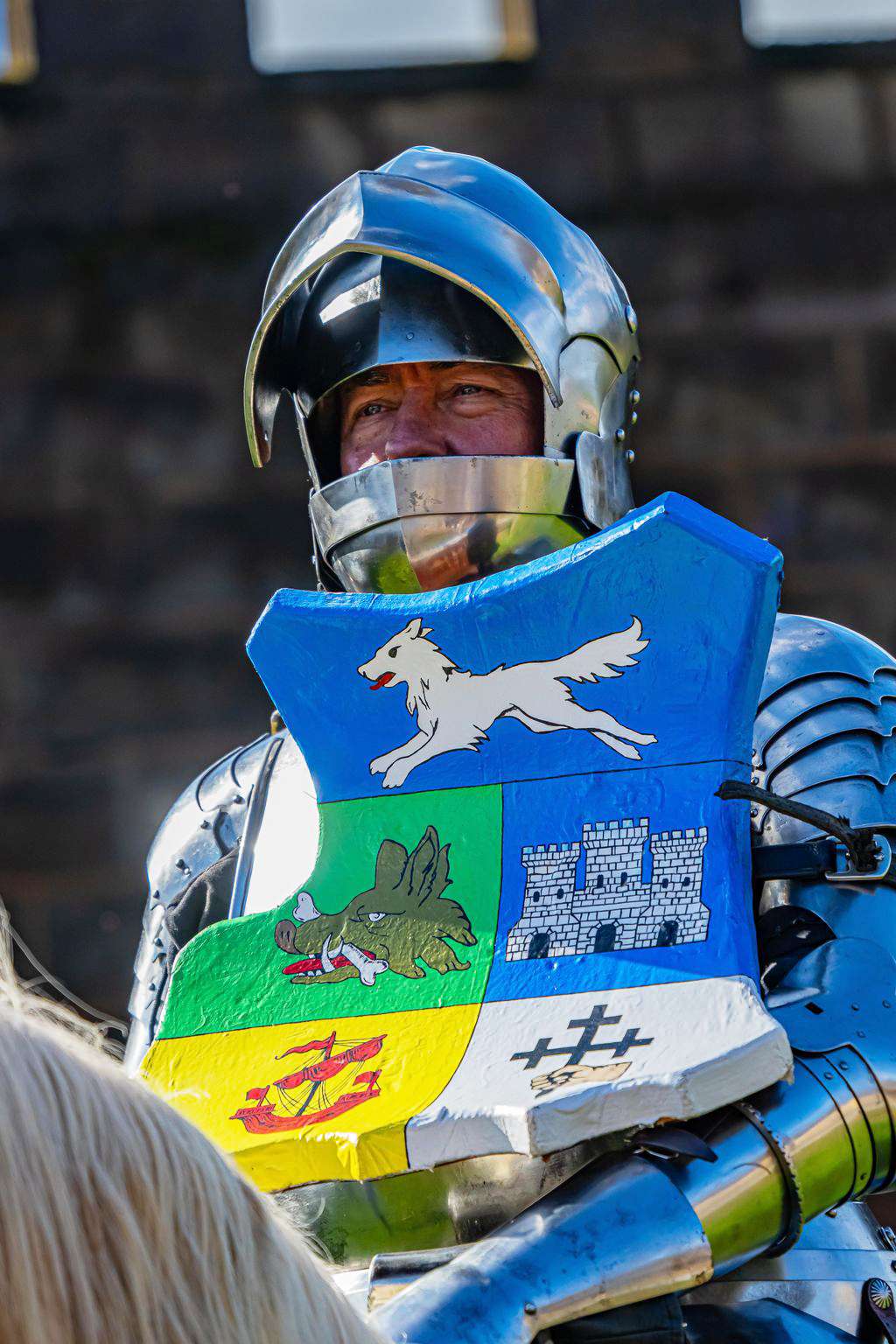
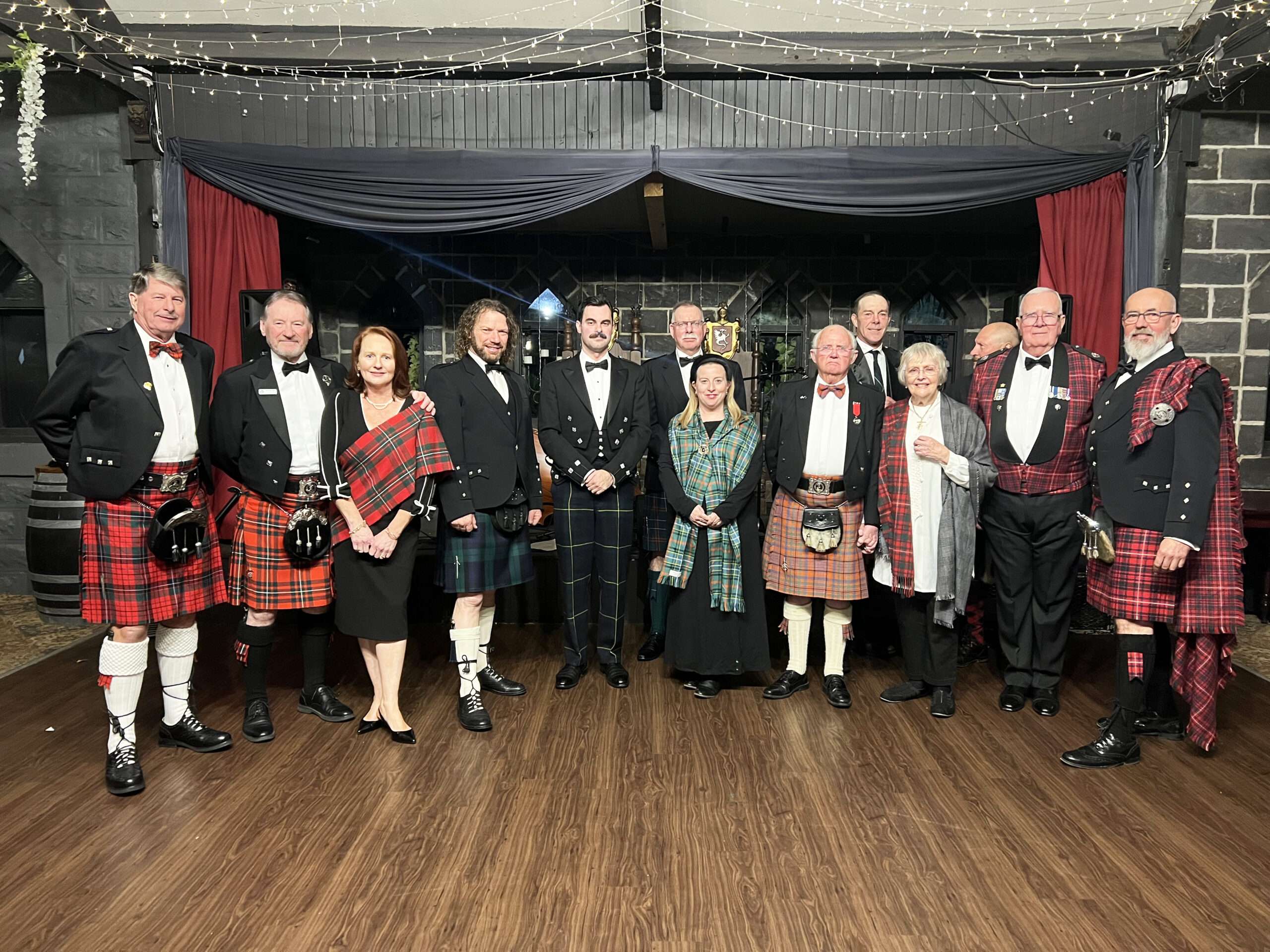
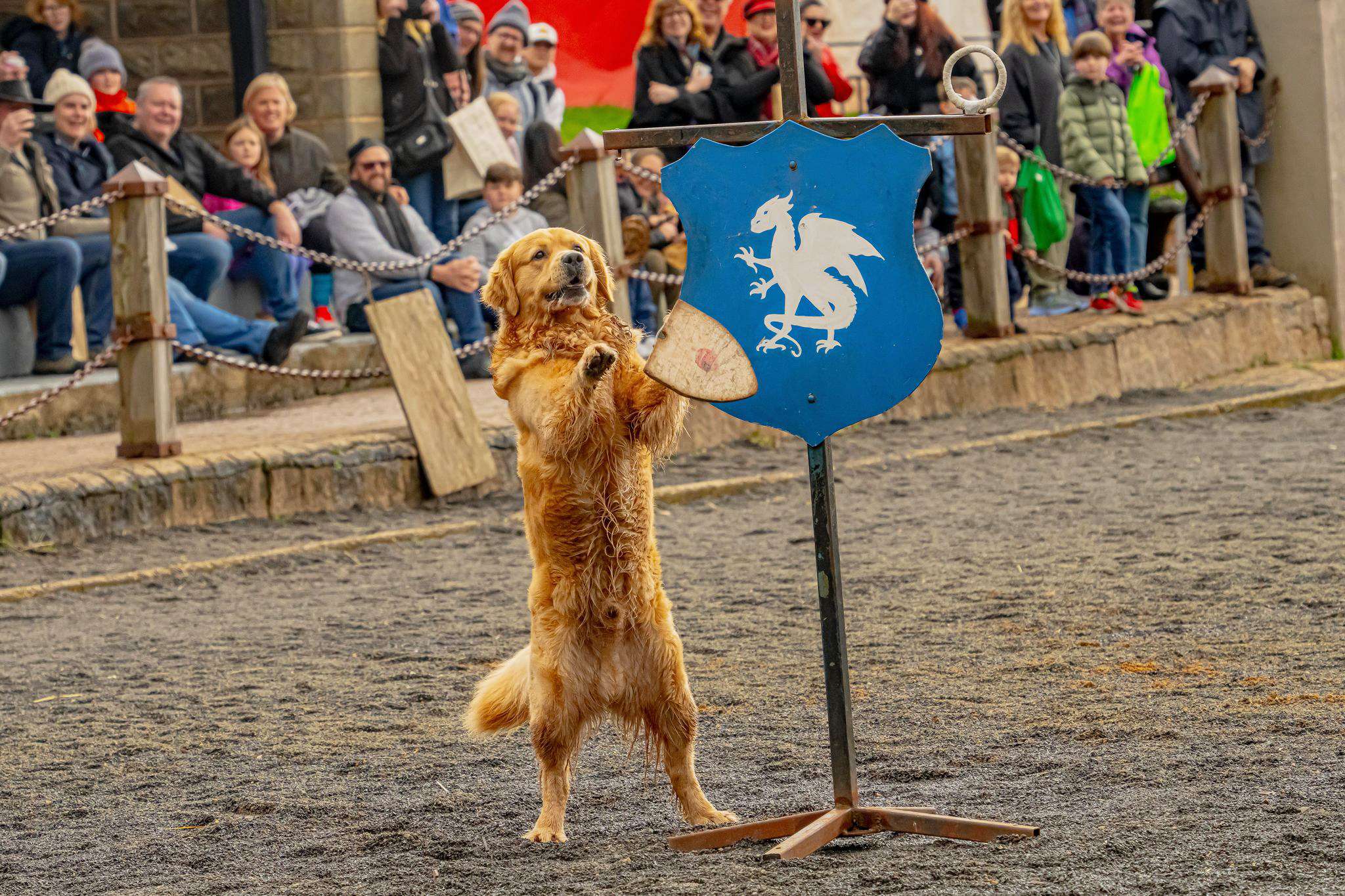
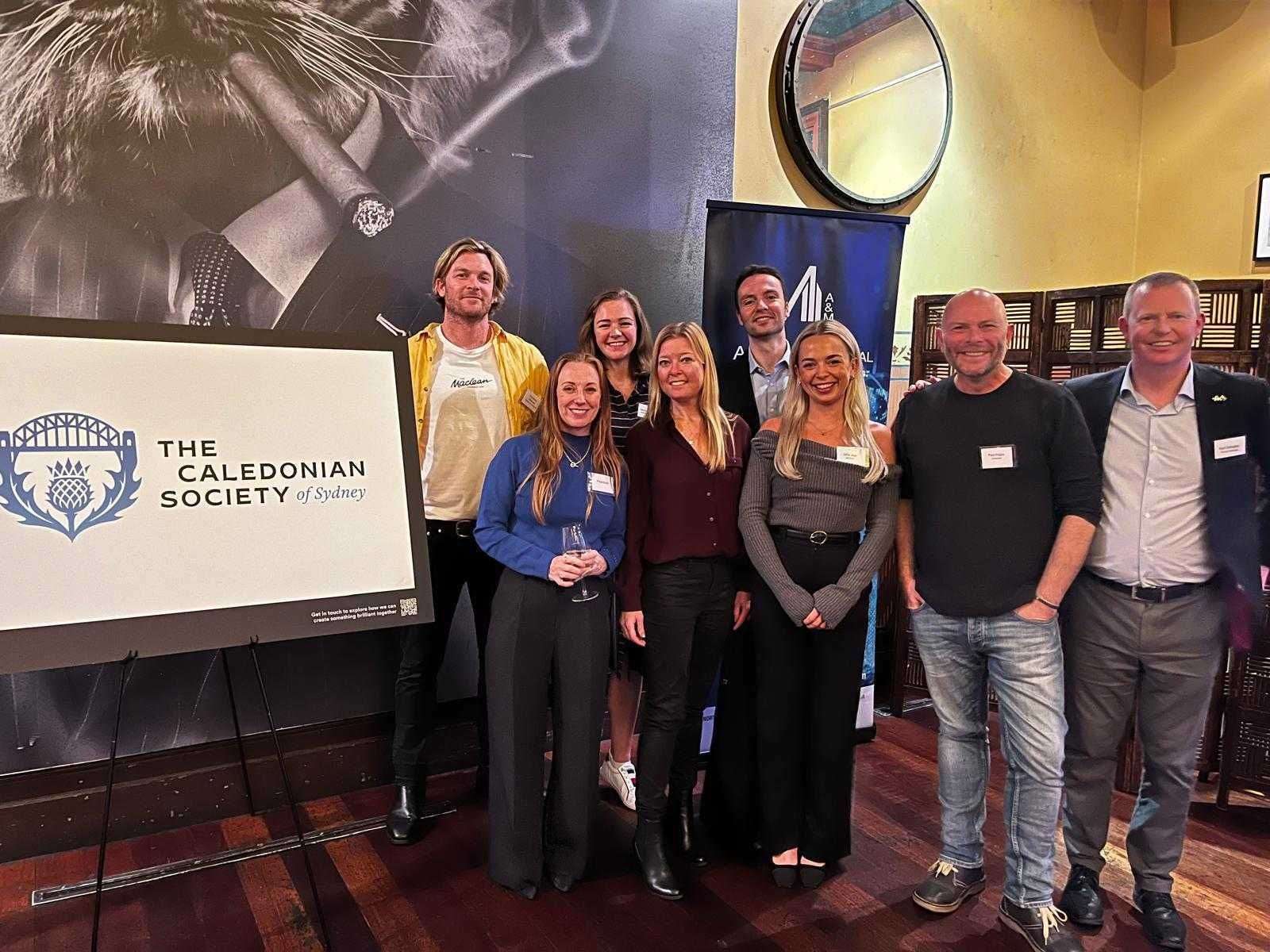
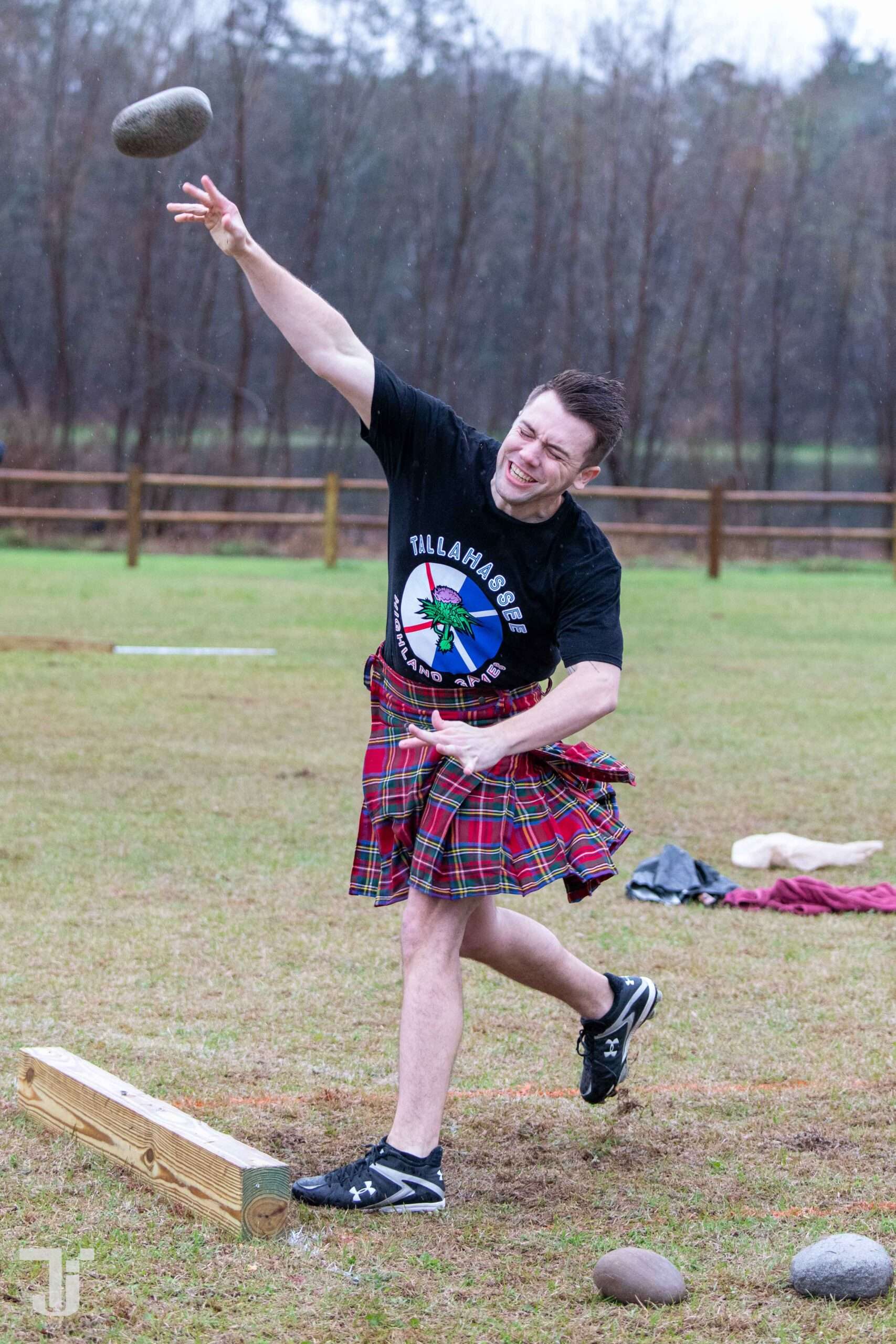
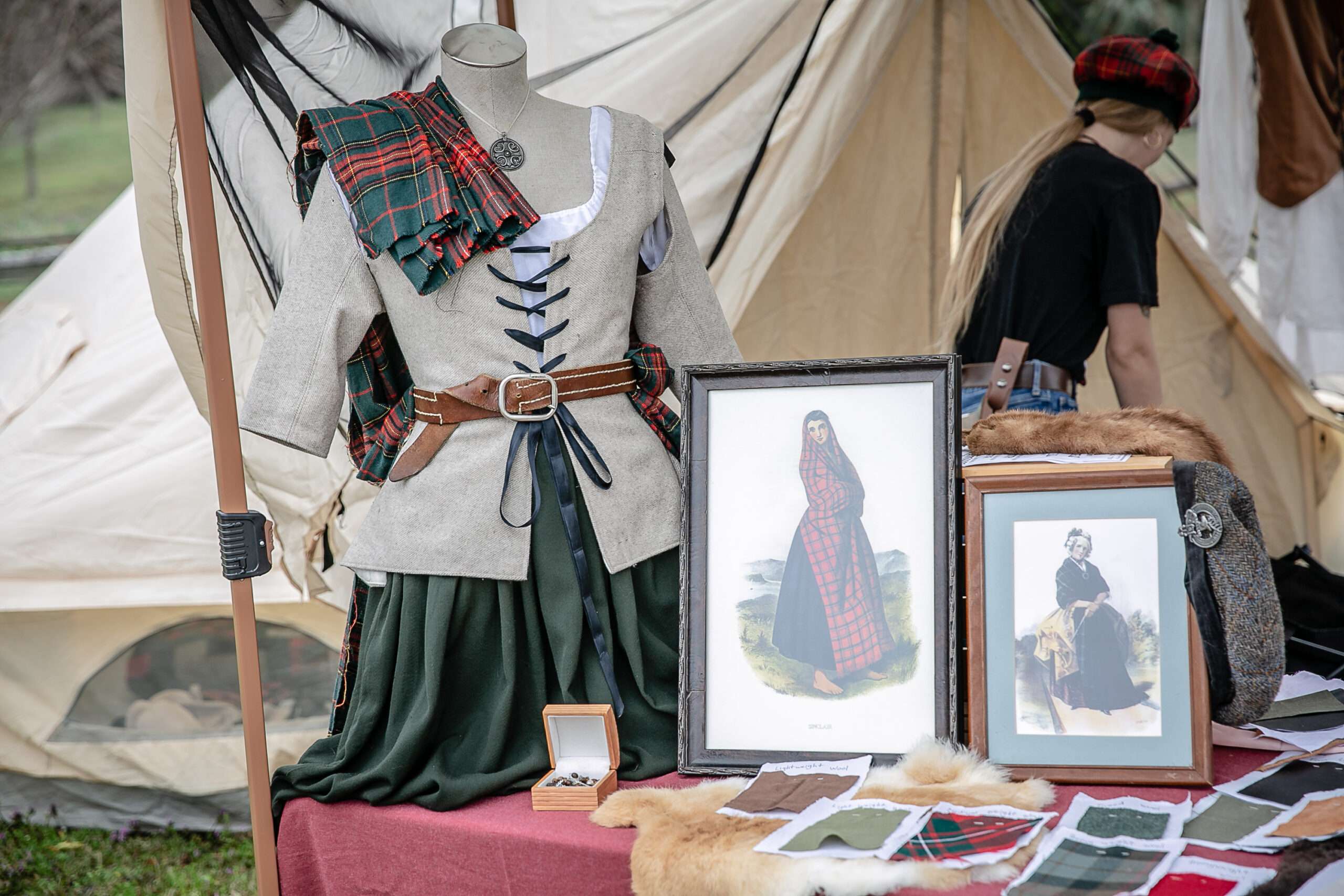
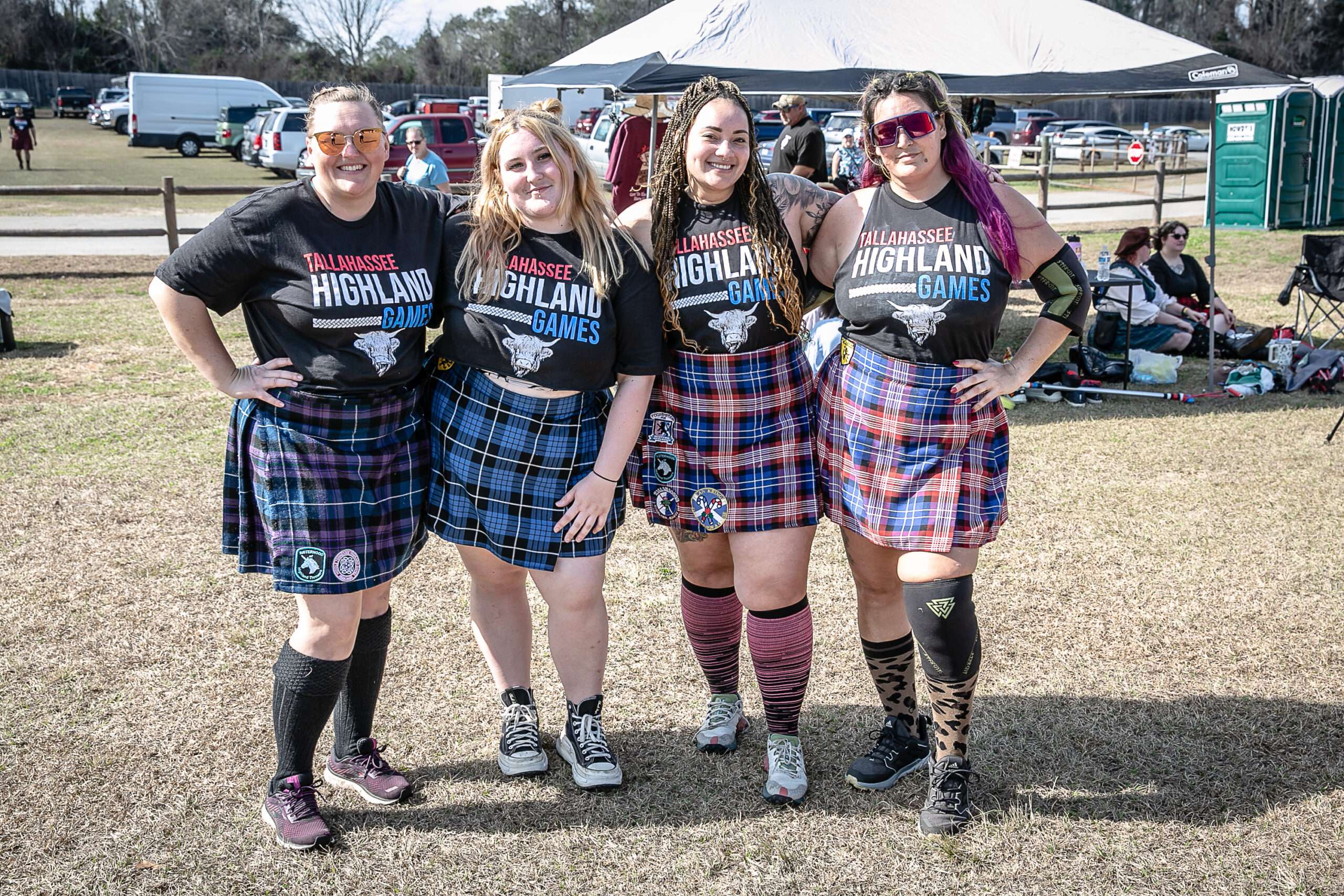
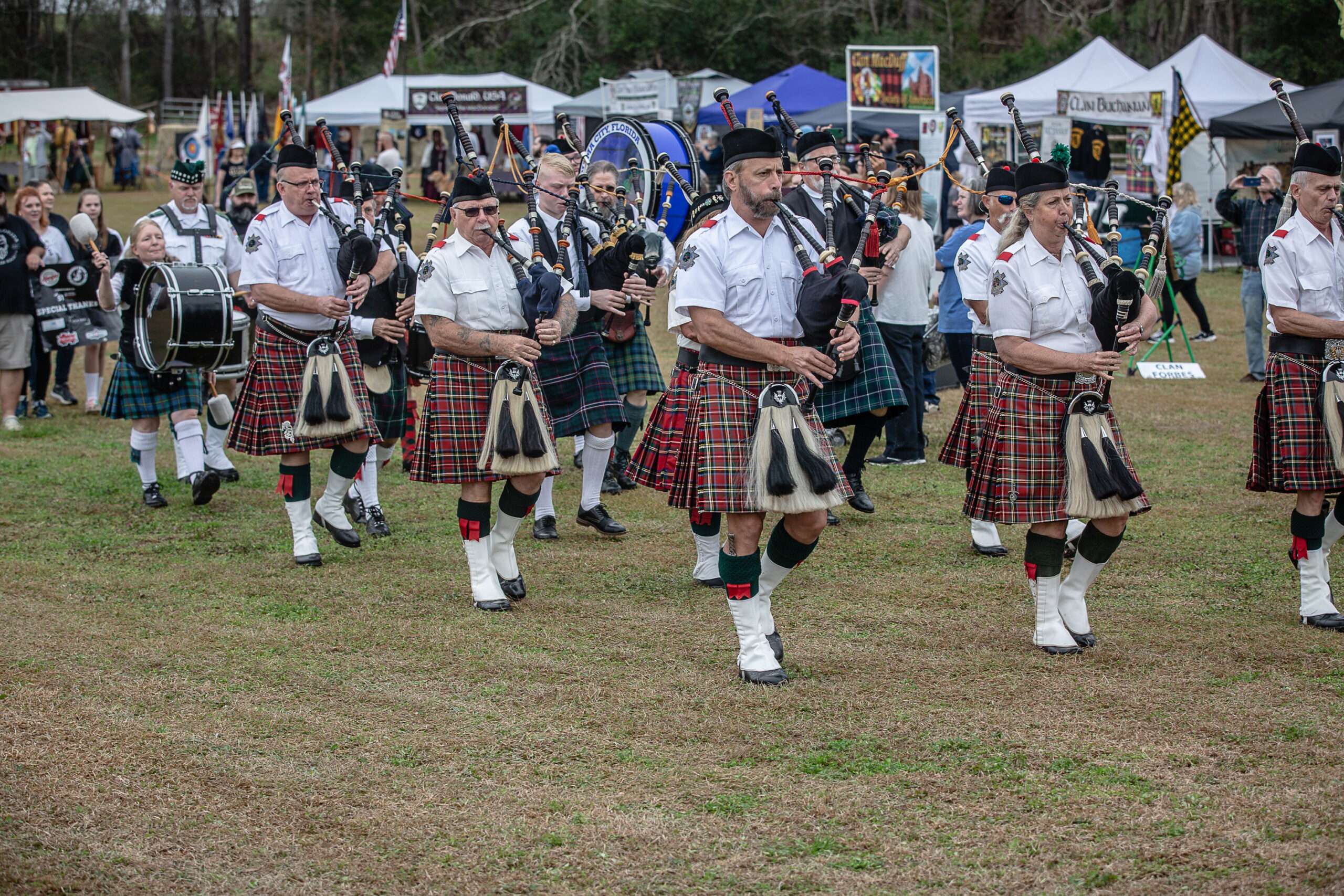
The vibrant sights, sounds and traditions of Scotland and the wider Celtic world will come alive once again when the Melbourne Highland Games and Celtic Festival returns to Eastfield Park Reserve, Croydon, on Saturday, 29 March.
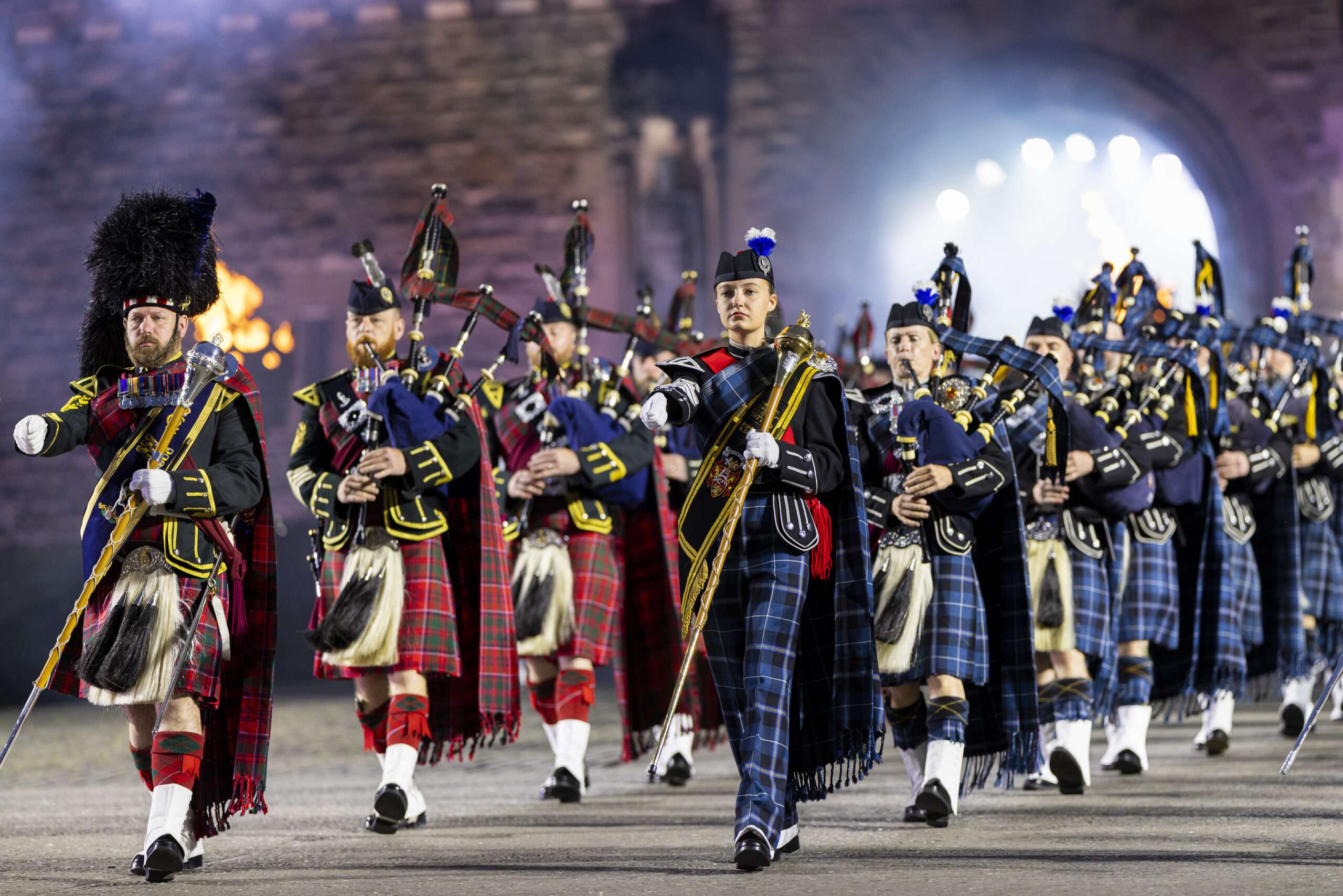
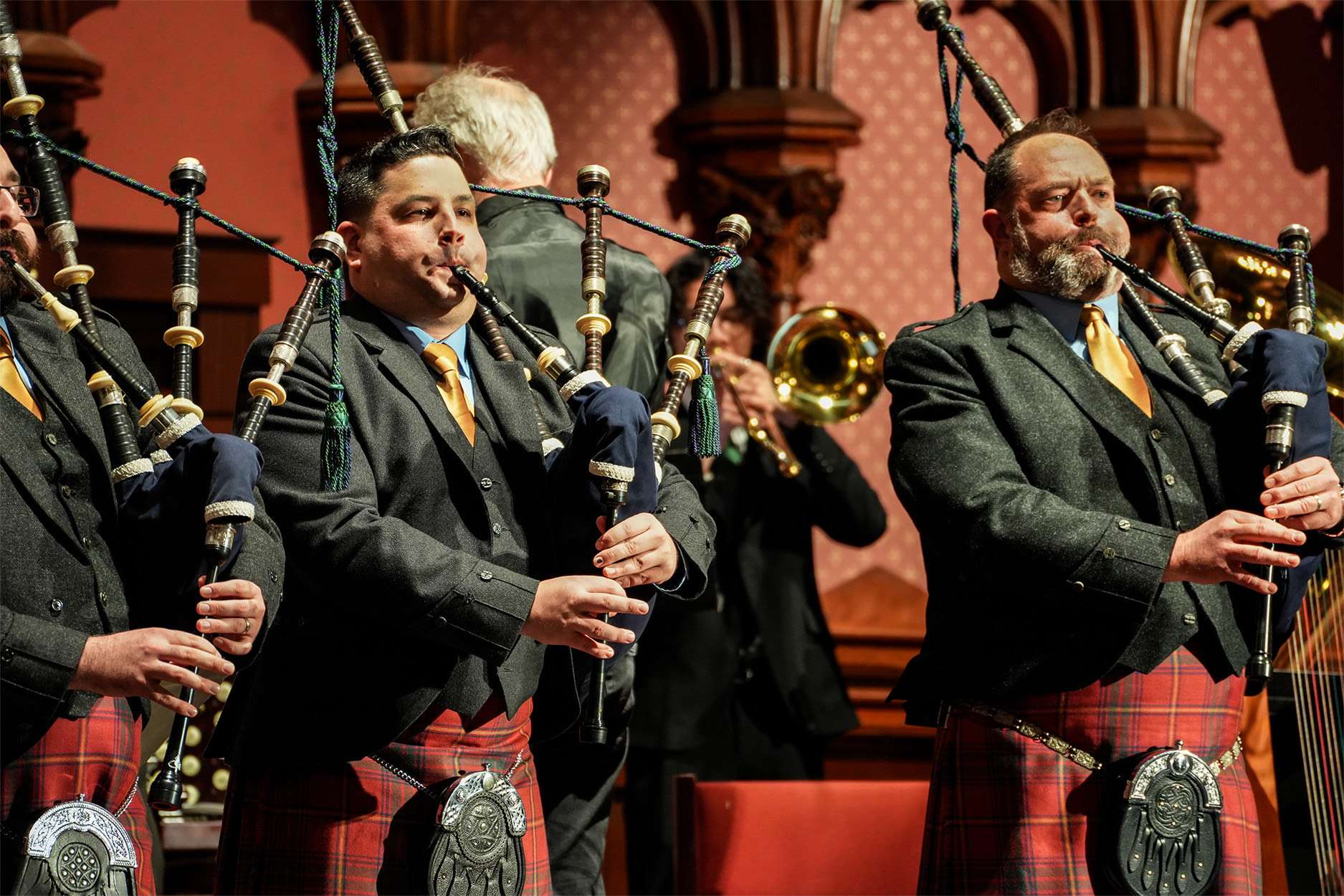
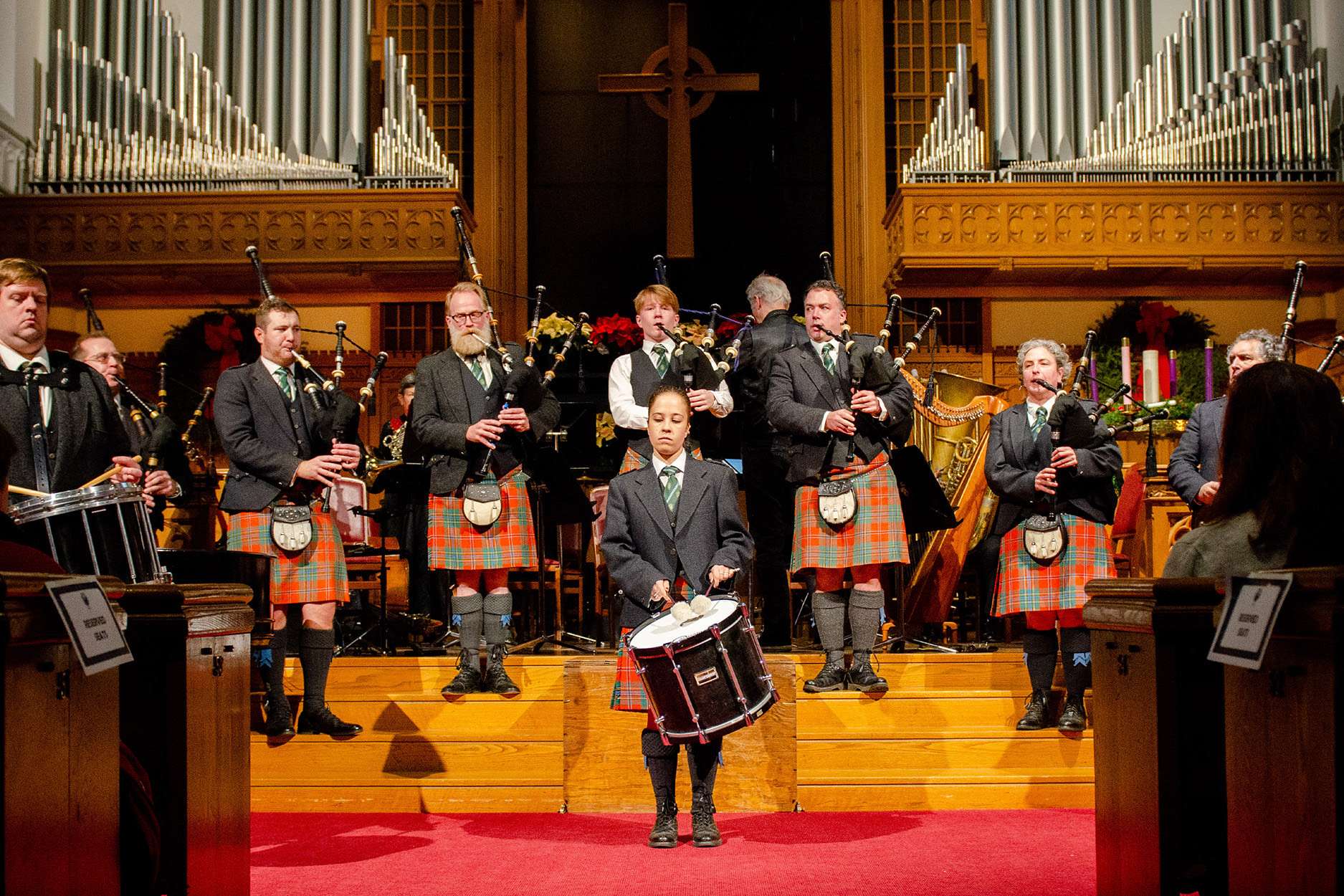
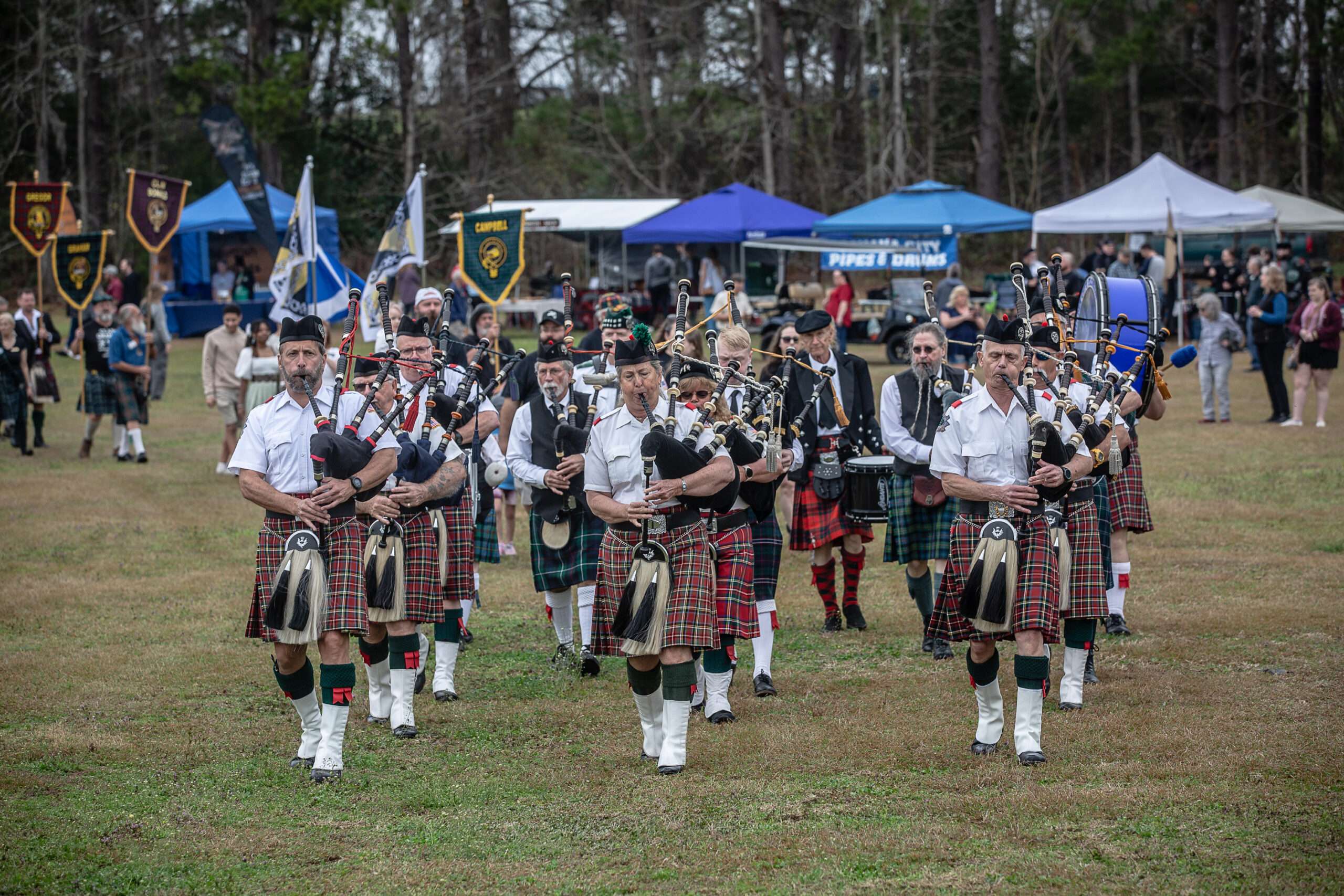
This year’s festival proudly hosts the Victorian Pipe Band Championships, a prestigious competition that will bring together pipe bands from across Victoria to compete for the State title. Audiences will be treated not only to championship performances but also to the stirring spectacle of the Massed Bands Parade, where pipers and drummers unite in a powerful and unforgettable display of sound and pageantry.
A celebration of history, culture and community
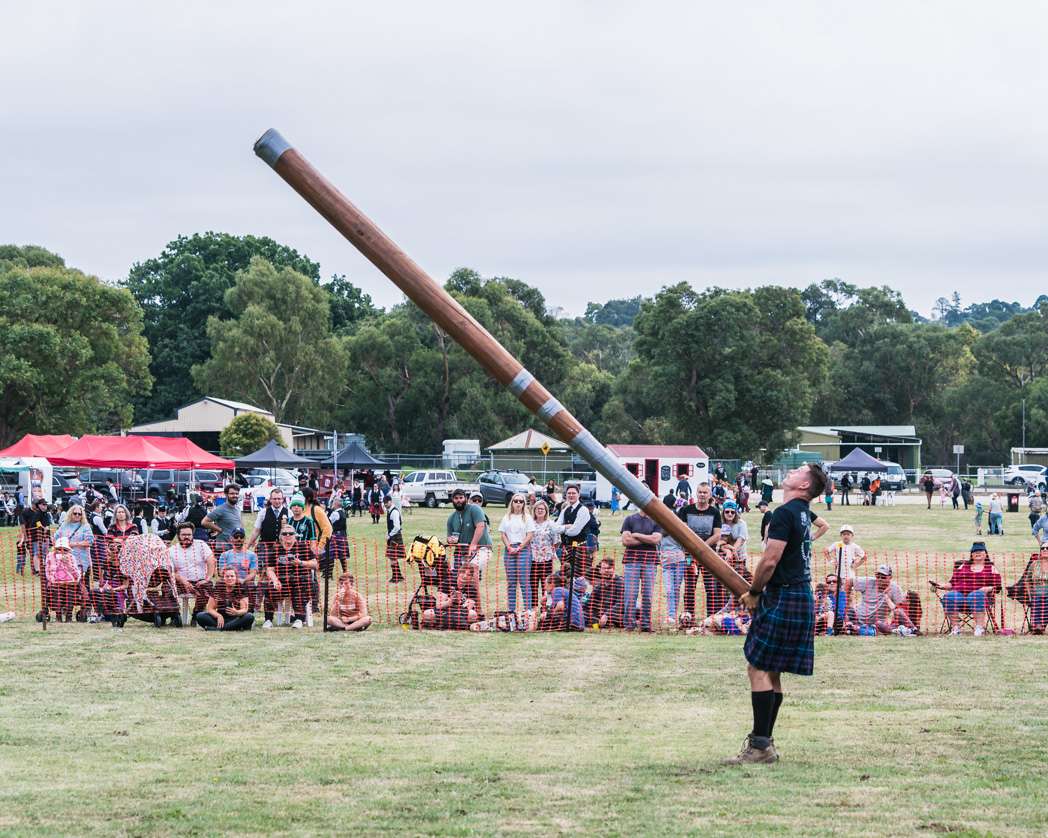
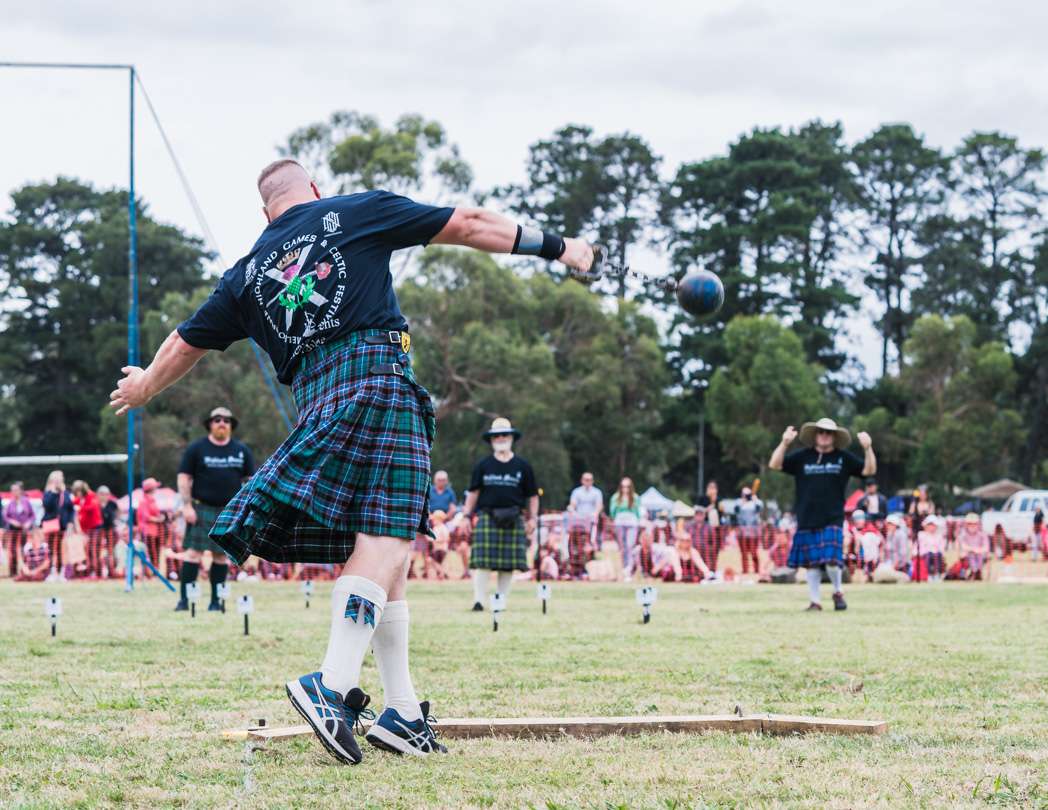
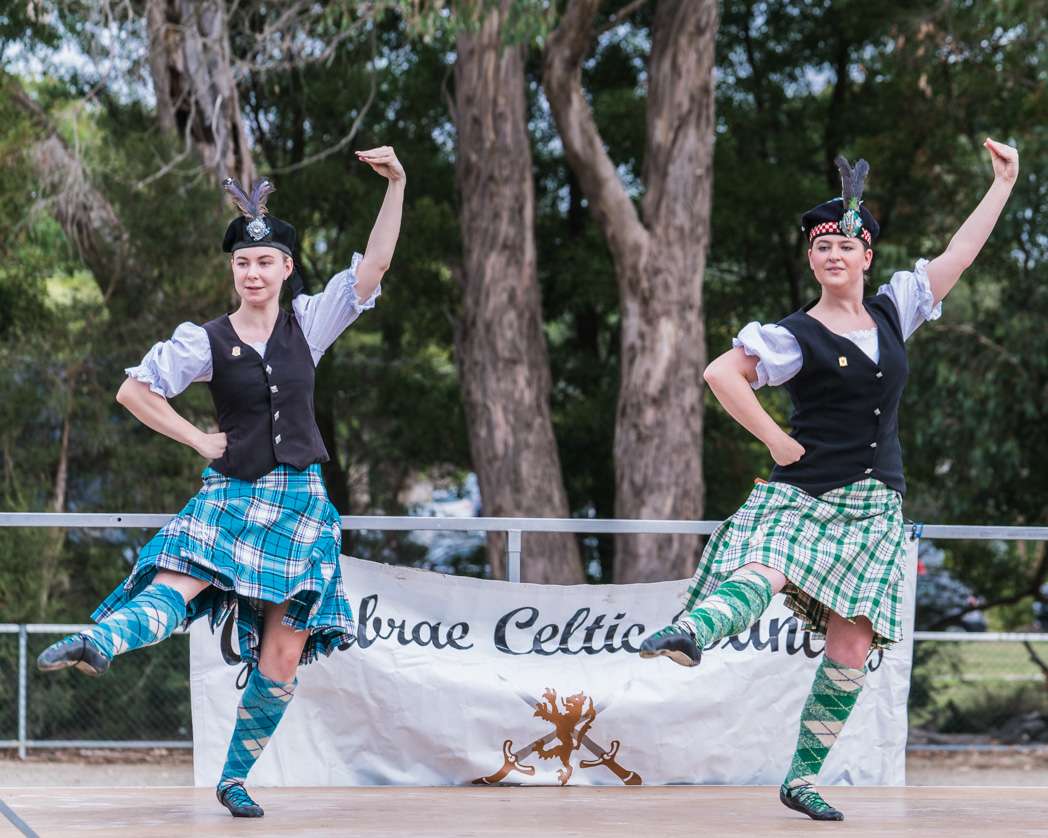
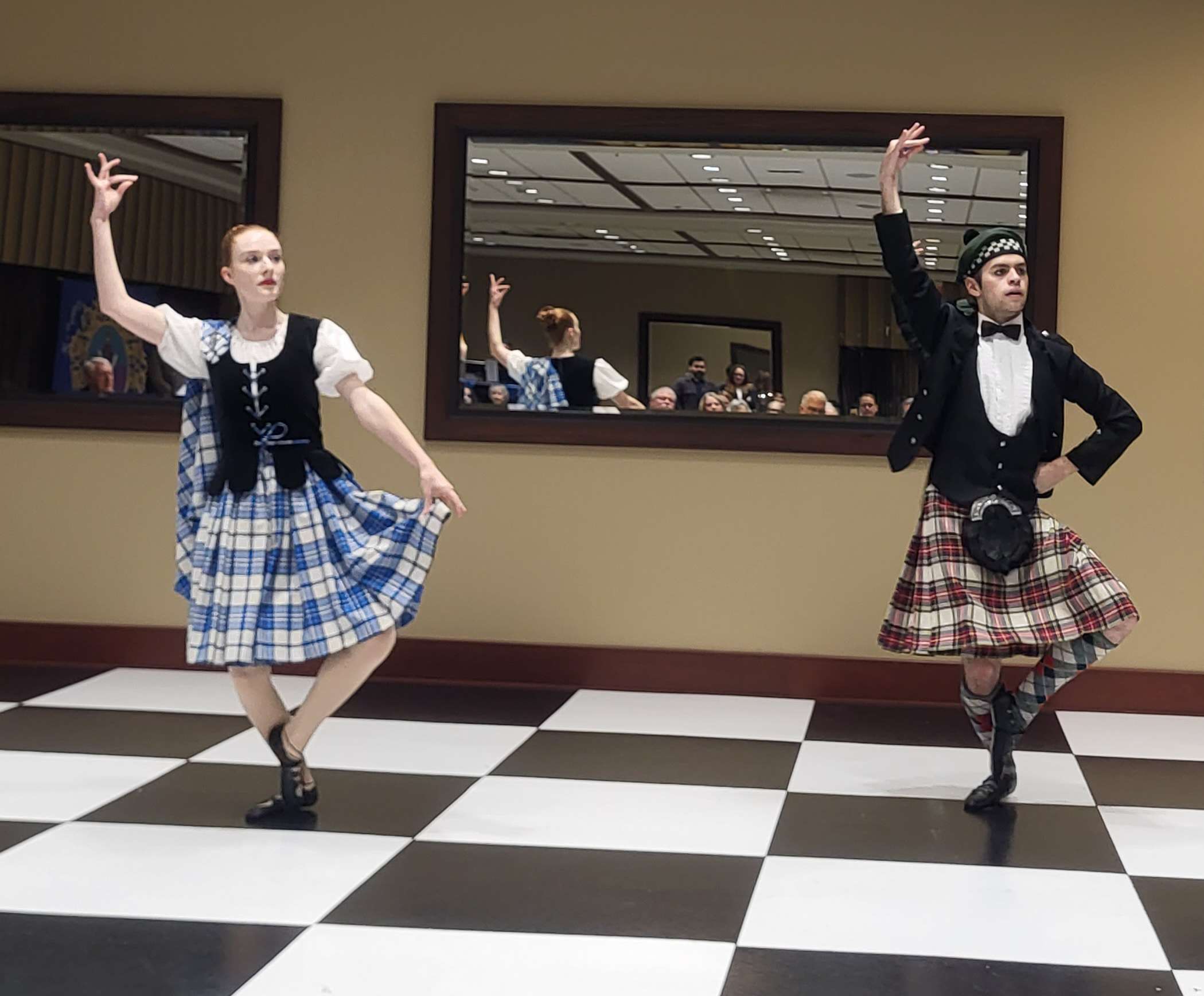
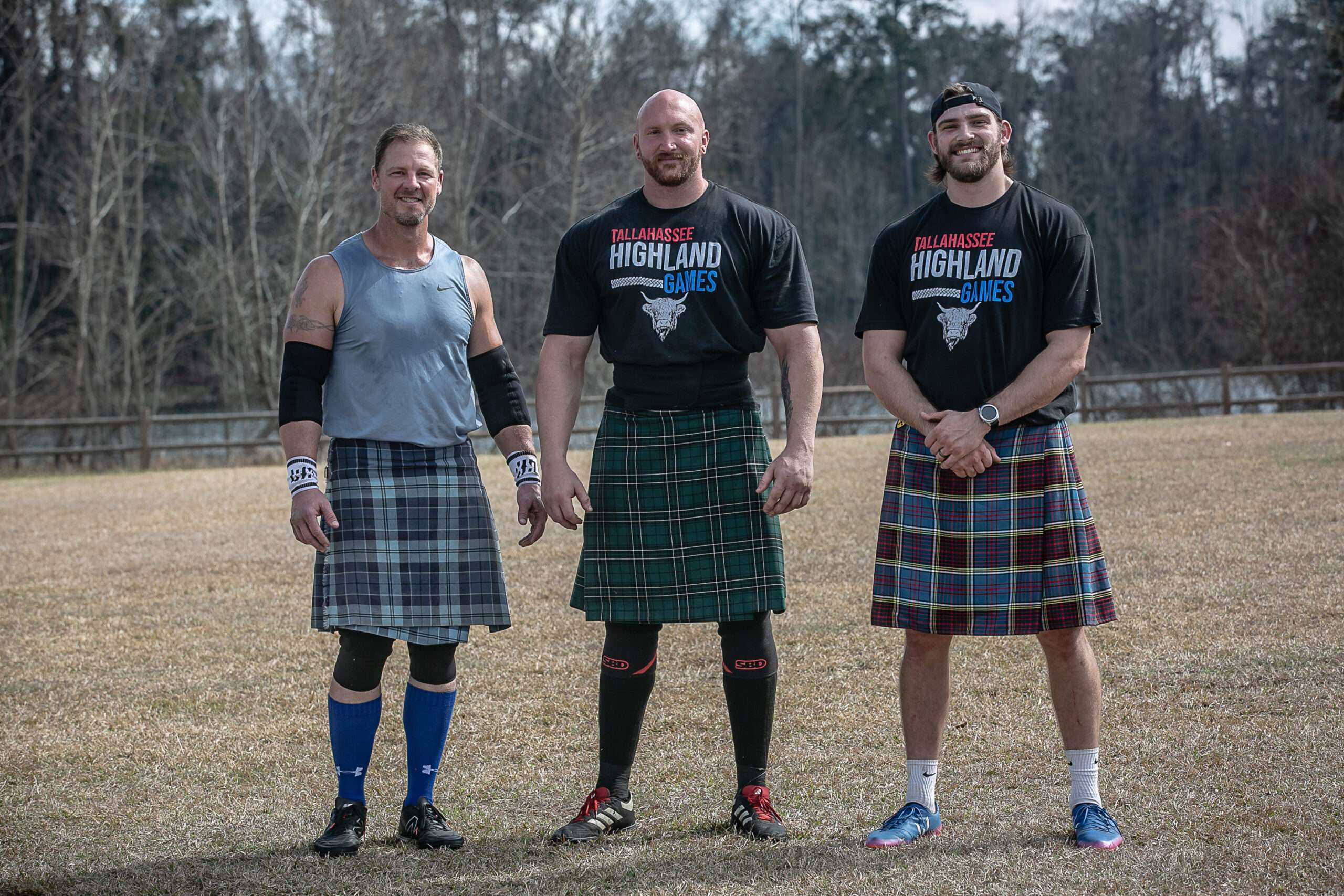
The day will also feature a rich program of Scottish and Irish dance, including traditional Highland dancing, Irish dance, and inclusive folk dancing, where members of the public are encouraged to join in and experience this welcoming, community-based form of dance. A major highlight of the festival will be the return of the Heavy Games, with elite athletes competing in traditional events such as hammer throwing, stone lifting, and other feats of strength that have been part of Highland Games for centuries.
Designed as a true family-friendly event, the Melbourne Highland Games and Celtic Festival offers something for all ages. Visitors are invited to relax, enjoy the atmosphere, wear their tartan colours with pride, and explore opportunities to learn more about their Scottish and Celtic heritage through cultural displays and community organisations.
The Melbourne Highland Games and Celtic Festival is a celebration of history, culture and community, delivered in a relaxed and welcoming setting and remains one of Victoria’s premier cultural events.
February is the month of love, marking as it does St Valentine’s Day on the 14th. And Scotland has strong connections to the Italian patron saint of lovers – his forearm is kept at a church in Glasgow. The saint’s relic arrived in Scotland in 1868 when a wealthy French family donated it to St Francis’s Church in the Gorbals area of the city – in 1999 it moved to the nearby Blessed John Duns Scotus Catholic Church.
However, his heart – after all the part of the body most associated with love – is in Ireland. But Scotland has claim to many other hearts, both real and symbolic.
Robert the Bruce
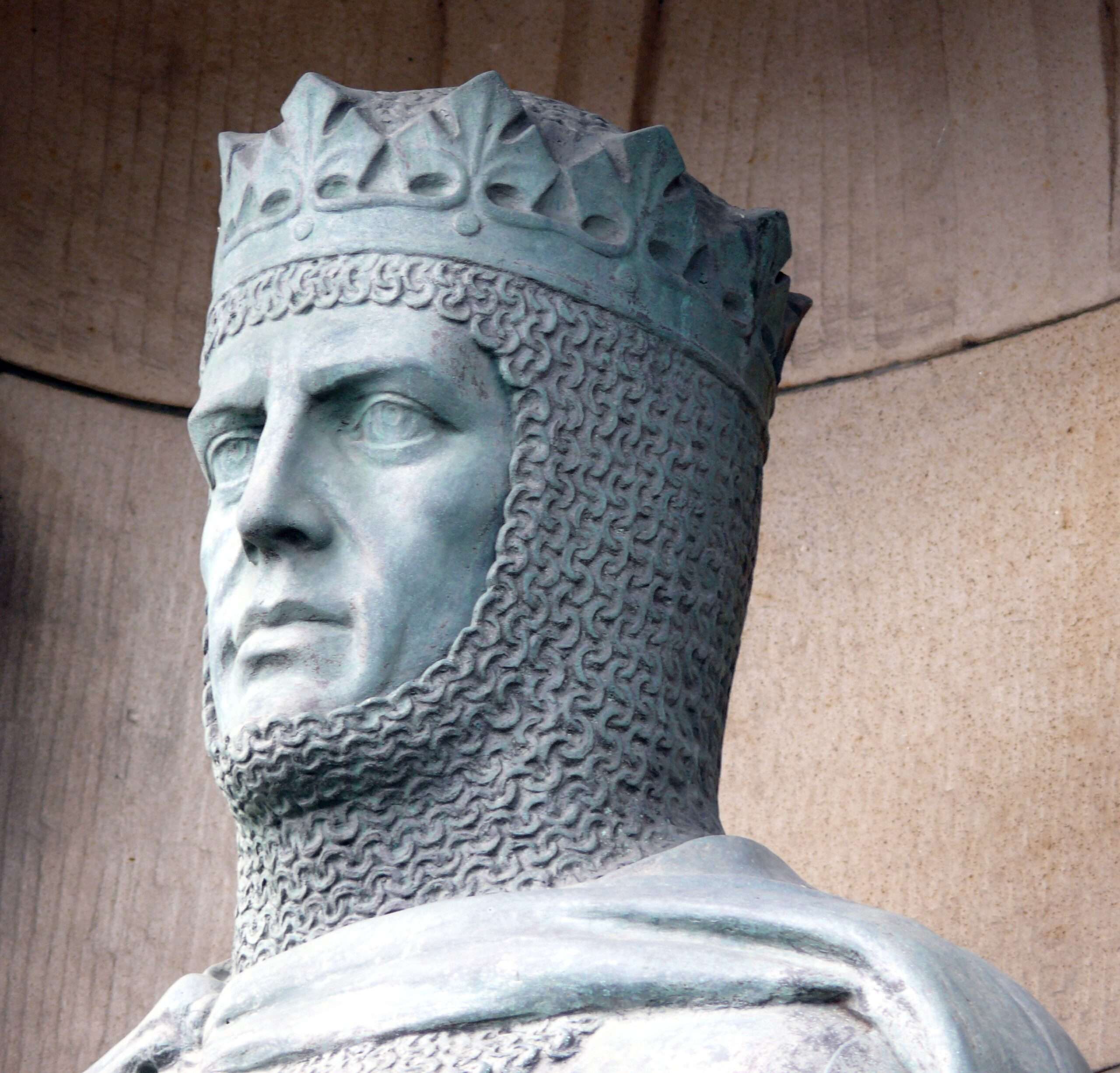
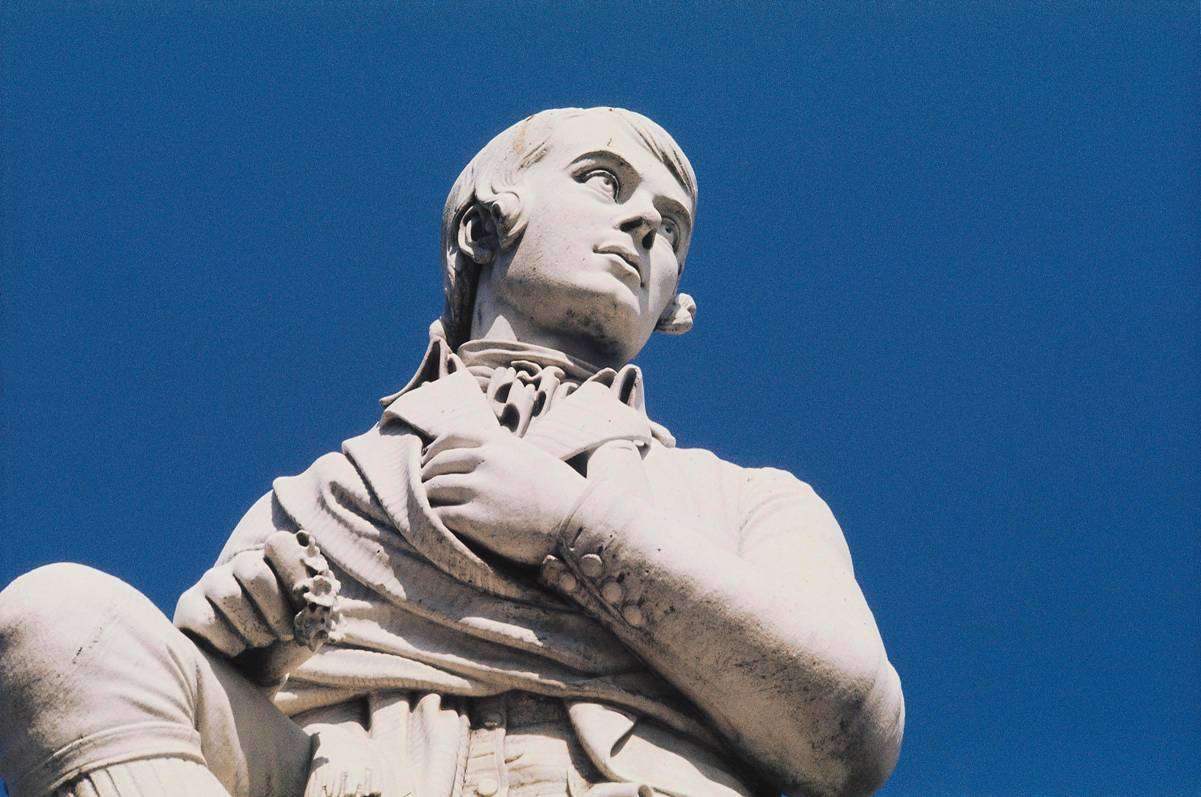
Robert the Bruce statue at Edinburgh Castle. Photo: Ad Meskens, CC BY-SA 3.0, via Wikimedia Commons.
The Braveheart of the Mel Gibson movie might have been William Wallace, but it was his sometime compatriot in arms, Robert the Bruce, whose actual physical heart has a story to tell well beyond the death of its owner. Bruce, the hero of Bannockburn and one of Scotland’s most revered kings, died in 1329, his promise to go on Crusade unfulfilled. His loyal knight, Sir James Douglas – The Black Douglas – promised to carry out his dying wish and take his heart to the Holy Land.
As there was no Crusade to the Holy Land in the offing, Douglas and his men instead headed to Spain where Alfonso XI of Castile was battling against the Moorish kingdom of Granada. Sir James and most of his men were wiped out at the siege of the castle of Teba in 1330 but amazingly the casket containing the Bruce’s heart, which Douglas was wearing around his neck, was recovered.
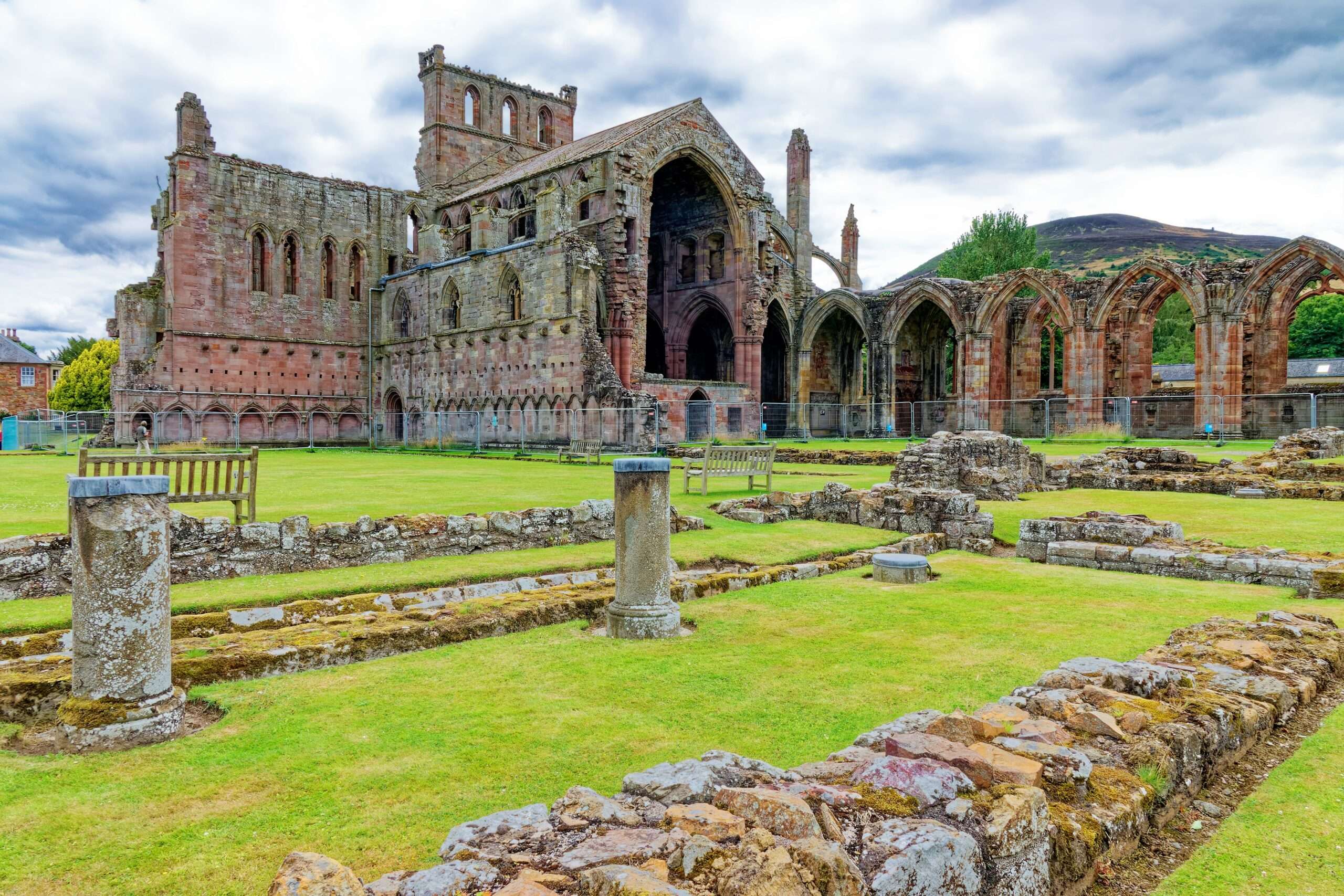
Melrose Abbey. Photo: Holger Uwe Schmitt, CC BY-SA 4.0, via Wikimedia Commons.
The heart was taken to Melrose Abbey in the Scottish Borders where it was buried. But that is not the end of the story of Bruce’s unquiet heart. In 1921, archaeologists found a casket within the abbey; it was opened, found to contain the remains of a human heart and reburied – but the location was again lost. In 1996, the casket was rediscovered and the presence of a “small, prune-like” shrivelled heart inside was confirmed by endoscope to prevent any further damage.
Donald Dewar, the Secretary of State for Scotland at the time, said the discovery was “one of great significance and symbolism for the people of Scotland” but archaeologists have warned that there is no way of knowing for certain that it is Bruce’s heart. That said, the heart was reburied at the abbey as per the mighty king’s final wishes. One of the reasons it’s tricky to confirm the authenticity of the heart at Melrose is that hearts were often removed from bodies during the Middle Ages – when John Balliol died in 1268, his widow Lady Dervorguilla of Galloway had his embalmed heart put into an ivory casket which she carried with her.
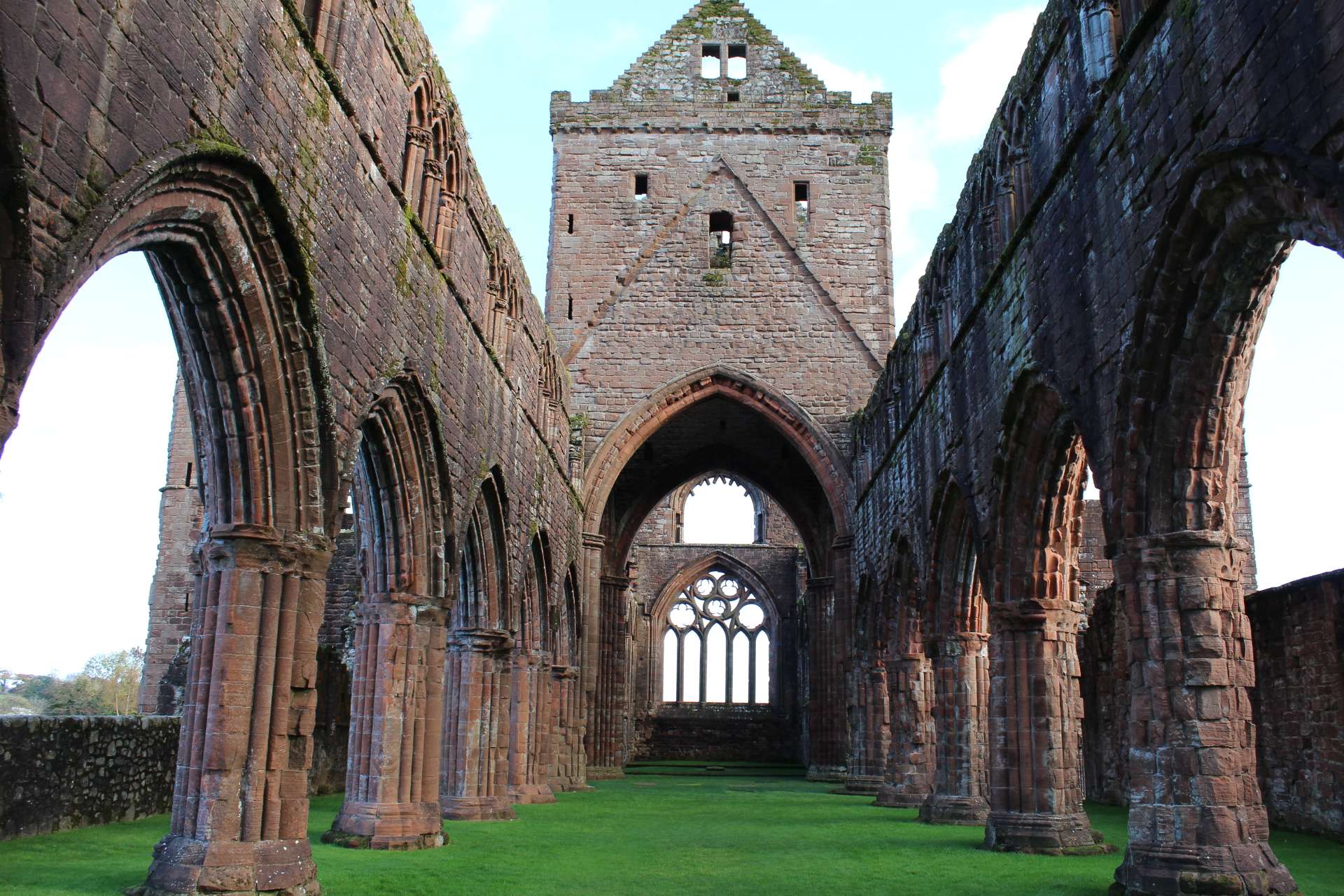
When she died in 1289, she was buried in the religious institution she had founded, holding her husband’s heart. And the name of that religious institution? Sweetheart Abbey is located eight miles south of Dumfries.
Sweetheart Abbey. Photo: Billy McCrorie, CC BY-SA 2.0, via Wikimedia Commons.
Four hundred years later, James Graham, the Marquess of Montrose, the dashing Royalist commander, lost his heart shortly after losing his life in a public hanging at the Mercat Cross in Edinburgh in 1650. He had been condemned to death for treason and, flamboyant to the last, appeared on the scaffold in a bright red coat and fur hat.
Denied the usual nobleman’s privilege of the swifter death of a beheading, he was hanged and his body dismembered, with his head placed on a spike near the Tolbooth and one limb each sent to Inverness, St Andrews, Stirling and Aberdeen, to be displayed above their city gates. His torso was buried in consecrated ground at Burghmuir but his niece had managed to remove his heart beforehand which was placed in a box made from the blade of his sword and taken to France for safekeeping.
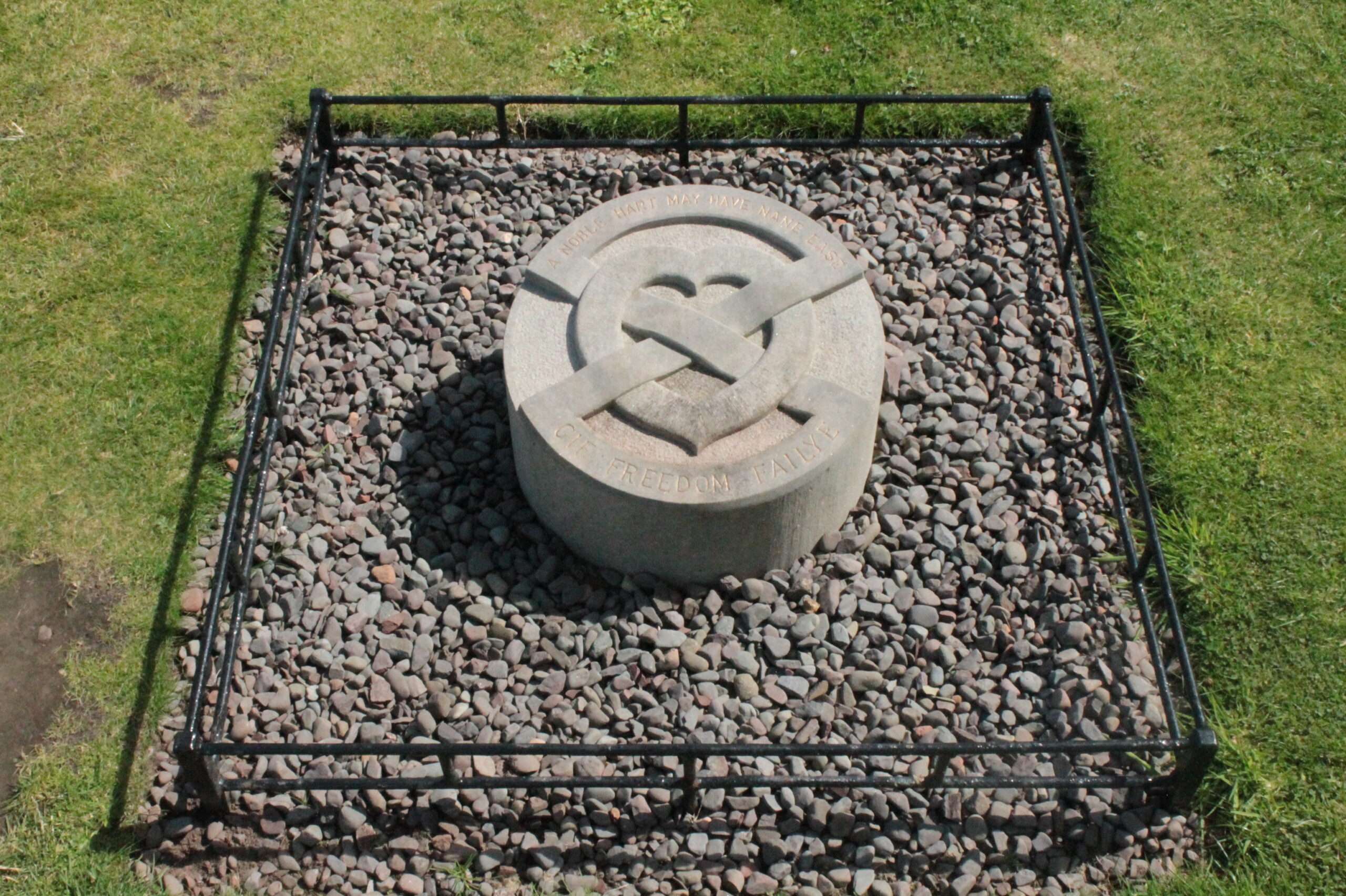
Marker stone for the burial place of Robert the Bruce’s heart, Melrose Abbey. Photo: Stephencdickson, CC BY 4.0, via Wikimedia Commons.
Sadly, however, his heart was lost during the French Revolution whereas ironically most of his limbs, his head and his torso were reunited when political fortunes changed and Charles II came to the throne and entombed at St Giles’ Cathedral in Edinburgh.
Heart of Midlothian
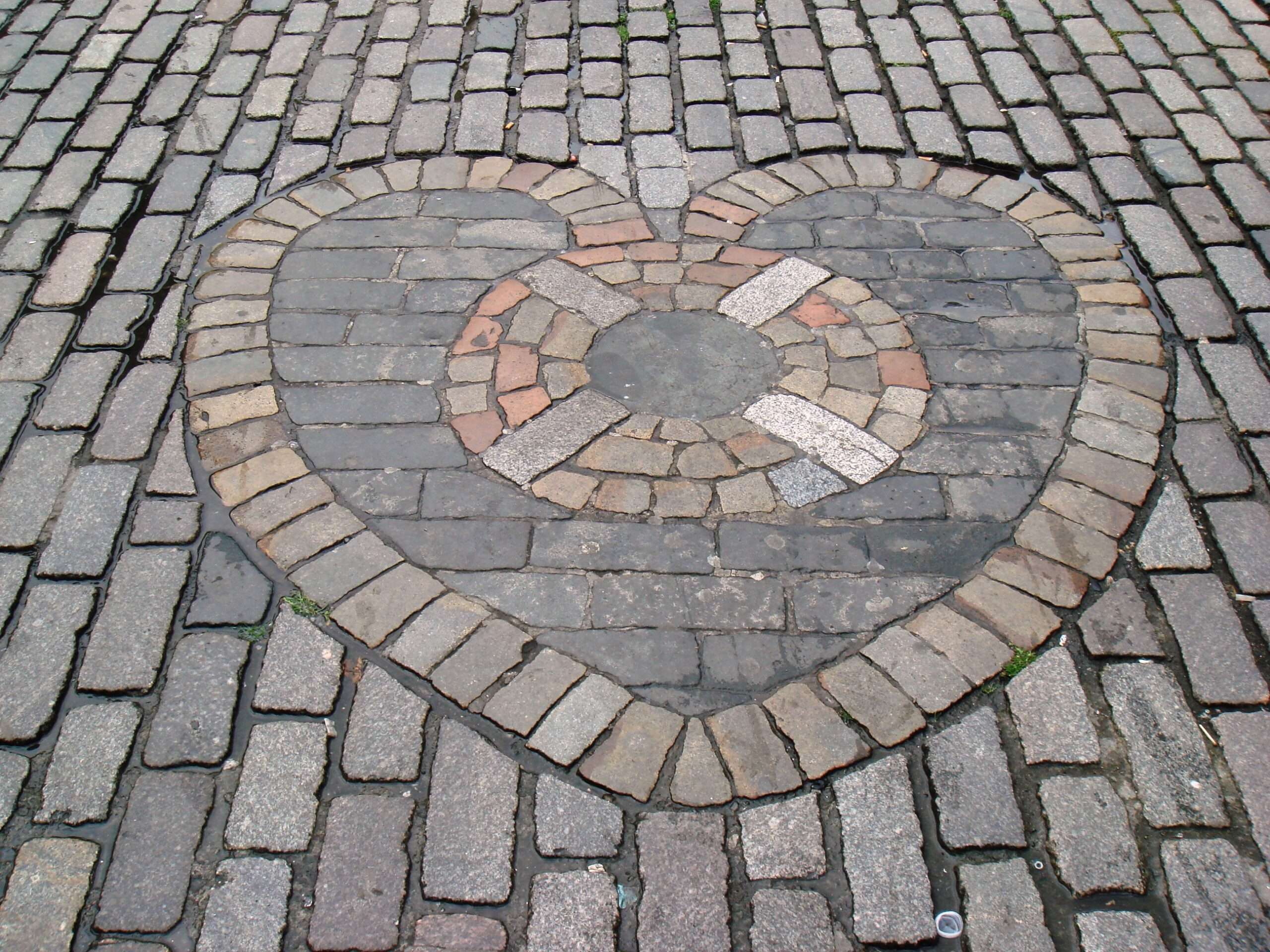
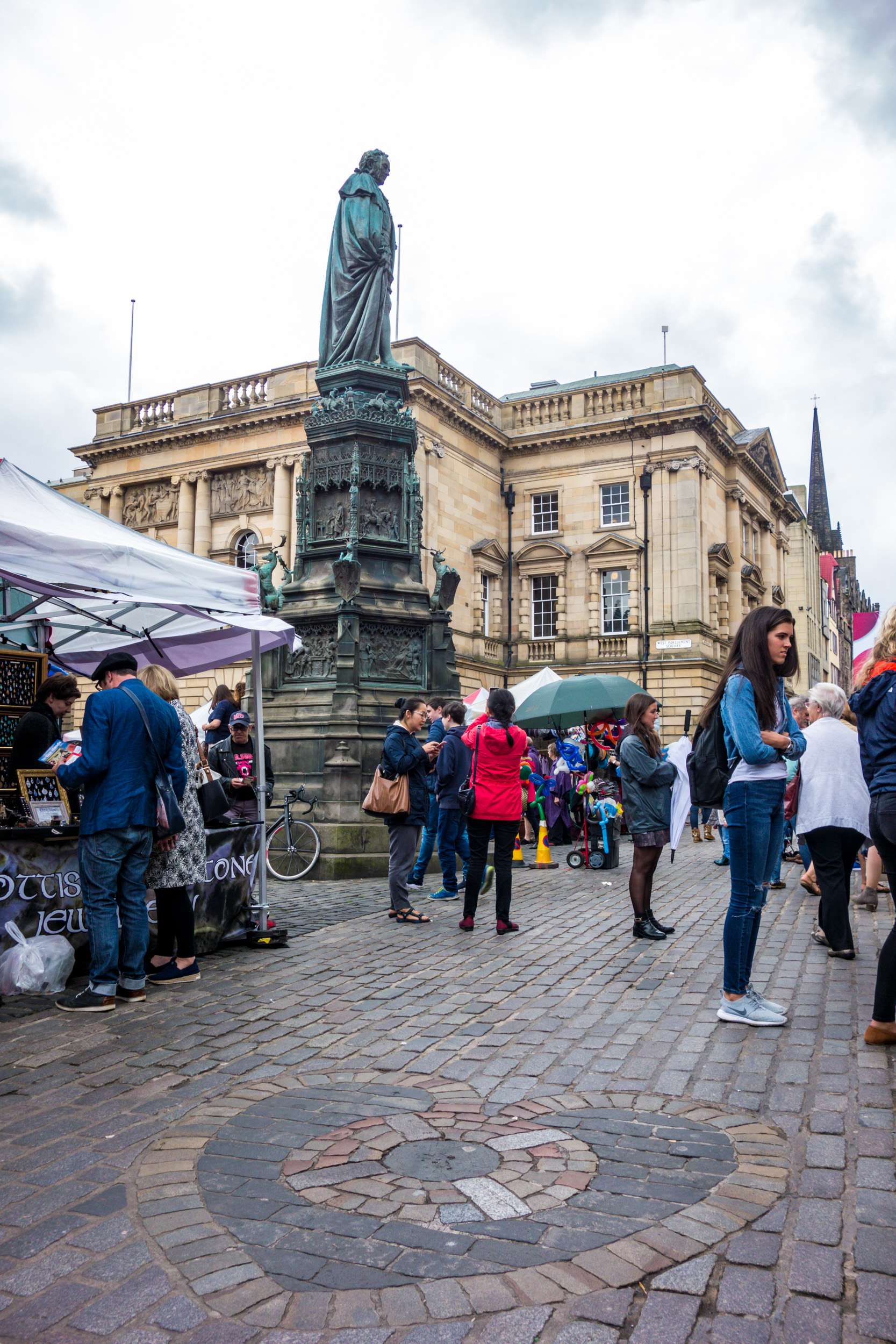
The Heart of Midlothian. Photo: Visions of Domino, CC BY 2.0, via Wikimedia Commons.
Not all the hearts in Scotland with a tale behind them are physical hearts. The Tinker’s Heart at Loch Fyne in Argyll is the only permanent memorial to Scotland’s traveller community. Located at the junction of three roads, the memorial is made up of white quartz pebbles formed in the shape of a heart and is said to have been first created to commemorate the travellers who died at Culloden.
For years afterwards, travellers’ weddings and christenings were celebrated there – now a scheduled monument, the heart has become a popular place for proposals.
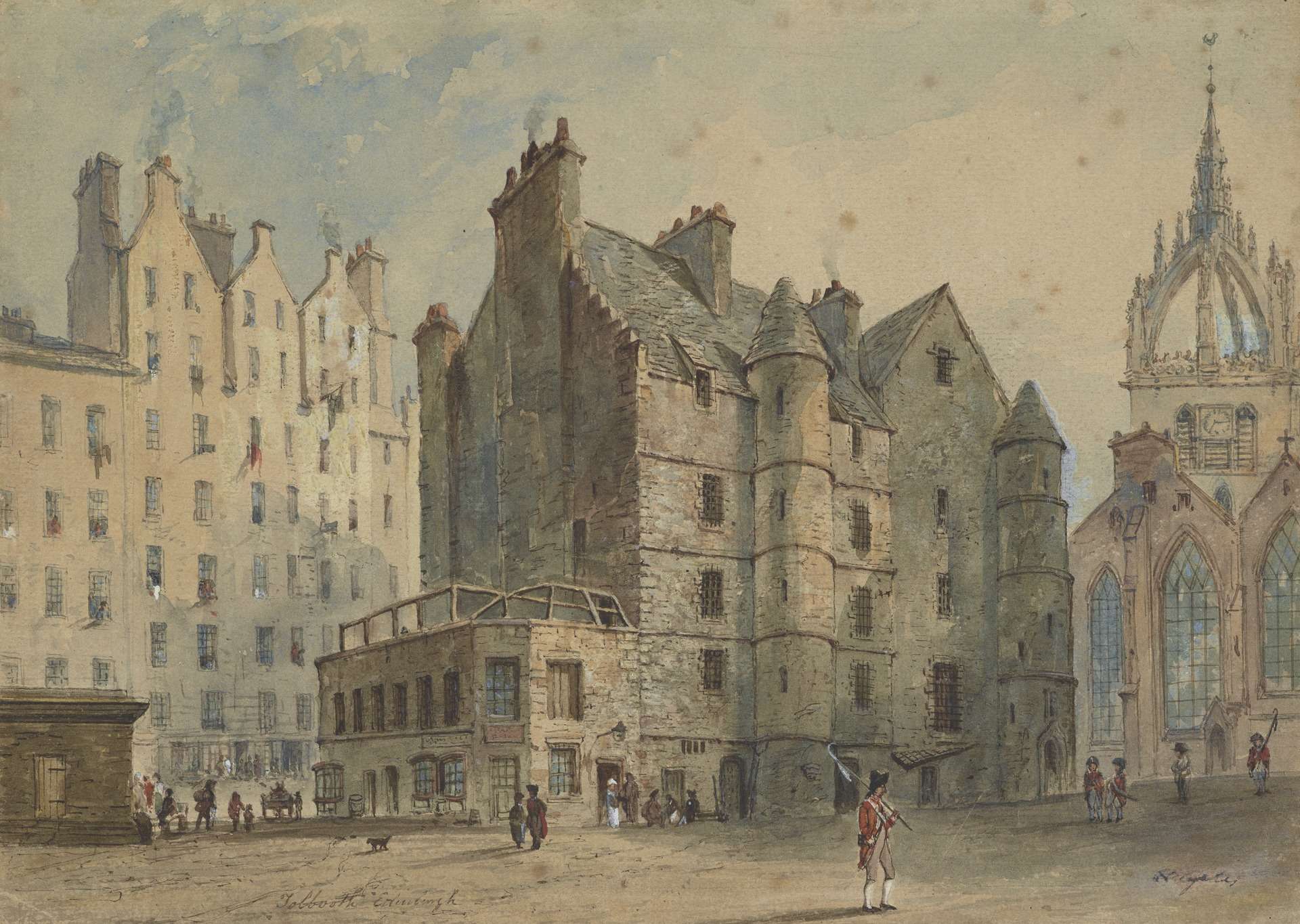
The Old Tolbooth and St Giles’ Cathedral by Henry Gibson Duguid. Public domain, via Wikimedia Commons.
The Heart of Midlothian is an 1818 novel by the famous Scots writer and nationalist Sir Walter Scott – the heart in question referring to the location of the Old Tolbooth in Edinburgh, which was then in the county of Midlothian. The Old Tolbooth was a prison, and the story revolves around a young woman, Effie Deans, locked up in the Tollbooth awaiting execution for the alleged murder of her baby and her sister’s attempts to free her.
The tollbooth was demolished in 1817 but a mosaic heart was set into the Royal Mile, just outside St Giles’ Cathedral, marking the place where it stood. Locals often spit on it for good luck! And the name of Heart of Midlothian, one of the city’s football teams formed in 1874, usually known as Hearts, derives from the novel and the mosaic.
And where is the heart of the whole of Scotland? Not including the islands, the Ordnance Survey shows it as being close to Schiehallion – with islands included it is above Loch Garry, near the Pass of Drumochter.
Main photo: The Heart of Midlothian. Credit – Rafael Tello, CC BY-SA 4.0, via Wikimedia Commons.
By: Judy Vickers
Support the Scottish Banner! To donate to assist with production of our publication and website visit: The Scottish Banner
Honoring Scottish Heritage, Supporting Community, and Shaping the Future.
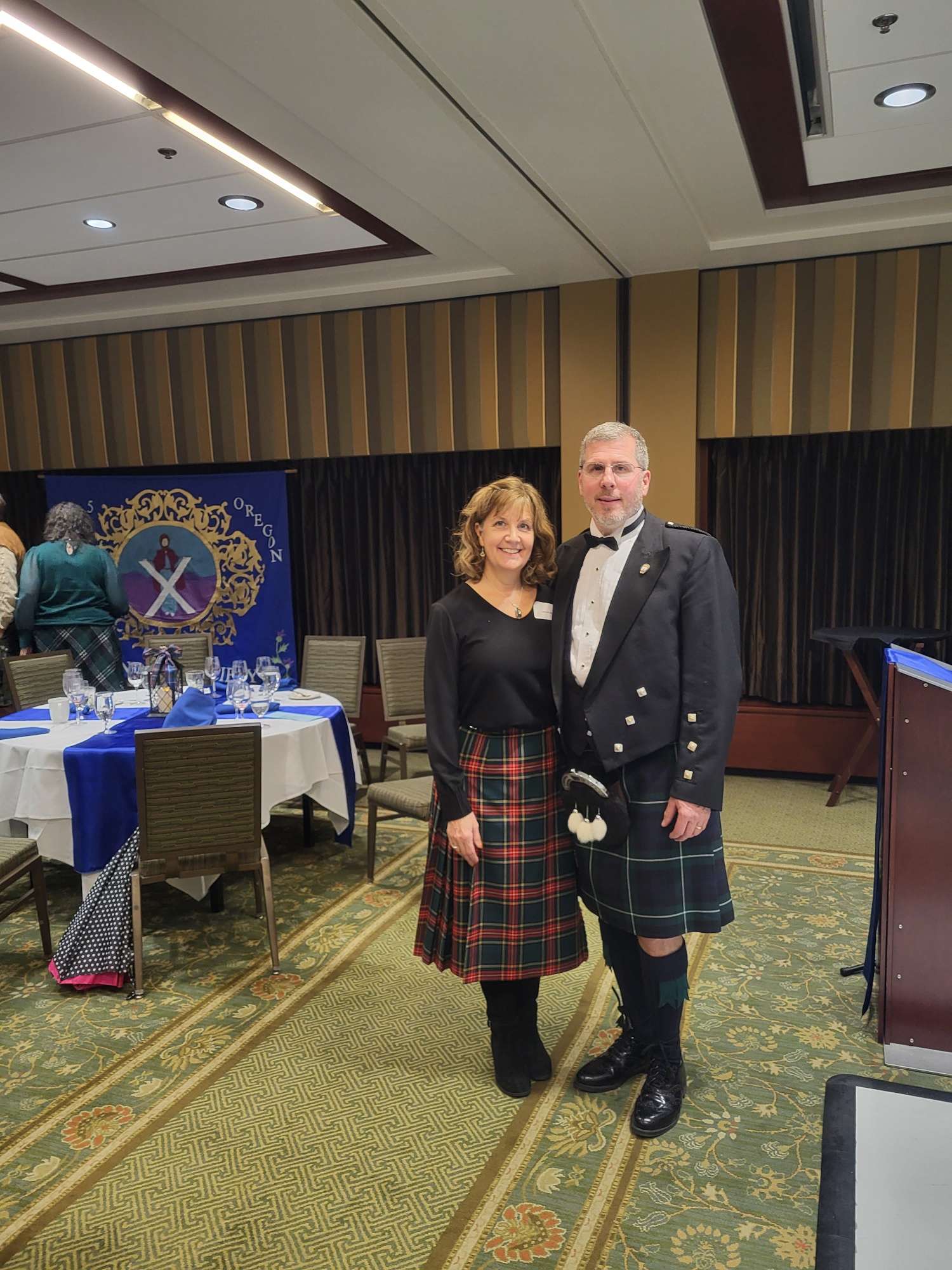
Founded to celebrate and preserve the rich traditions of Scotland, the St. Andrew’s Society of Oregon marked a historic milestone in 2025: its 150th anniversary. For a century and a half, the Society has been a beacon for Scottish culture, community, and support in Oregon and neighboring regions. Established in 1875, the St. Andrew’s Society of Oregon stands as one of the oldest Scottish cultural organizations in the Pacific Northwest.
As a nonprofit, the Society is dedicated to perpetuating Scottish heritage, traditions, and arts. Through outreach, events, and educational programs, the Society seeks to foster a welcoming community for Scots and those interested in Scottish culture, regardless of background. Our mission is to celebrate the enduring spirit of Scotland and to ensure its culture thrives across generations.
Scholarship Program
A core part of the Society’s commitment to the community is its annual scholarship program, designed for high school seniors in Oregon and Clark County, Washington. The program encourages youth to engage with Scottish heritage and the arts, supporting their educational and cultural journeys.
Eligibility Criteria:
Applicants must be graduating high school seniors residing in Oregon or Clark County, Washington.
Applicants should demonstrate an interest or involvement in Scottish heritage, arts, music, dance, or related cultural activities.
Scholarships are awarded annually and may be renewed based on continued involvement with Scottish culture or arts, as well as academic performance. Recipients are honored at the Annual Banquet and Scholarship Awards Evening each November.
Annual events
The Society hosts a variety of events throughout the year, with the November Banquet being the cornerstone celebration. This festive evening brings together members, friends, and the Scottish community for dining, entertainment, and cultural exchange.
November Banquet Highlights
Traditional Scottish fare and hospitality
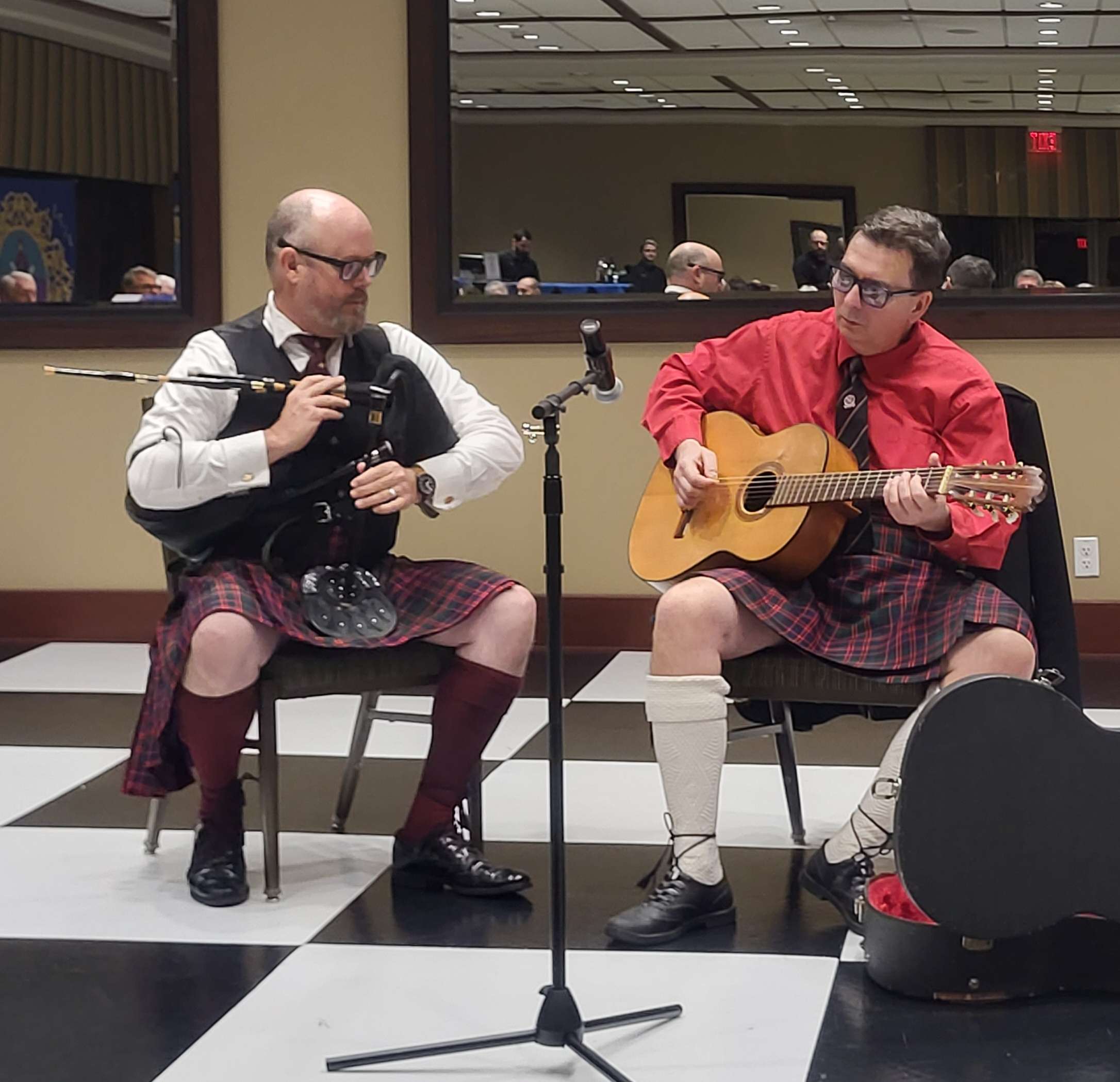
Live performances of bagpipes, Highland dancing, and Scottish music
Scholarship awards and recognition of outstanding students
Opportunities to learn about membership and get involved
The event is open to all who wish to experience the warmth and vibrancy of Scottish culture.
Membership and Donations
Membership in the St. Andrew’s Society of Oregon is open to anyone interested in Scottish heritage and culture. Members enjoy exclusive access to events, networking opportunities, and the chance to make a positive impact on the community.
How to Join
Visit the Society’s official website and navigate to the Membership page.
Complete the online membership form and submit annual dues.
New members are welcomed at the Annual Banquet and other Society events.
Donations to the scholarship fund are vital to sustaining future generations of Scottish culture and arts. To contribute, please visit the Scholarship Donations page on the website. Your generosity helps students pursue their passions and keeps Scottish heritage alive.
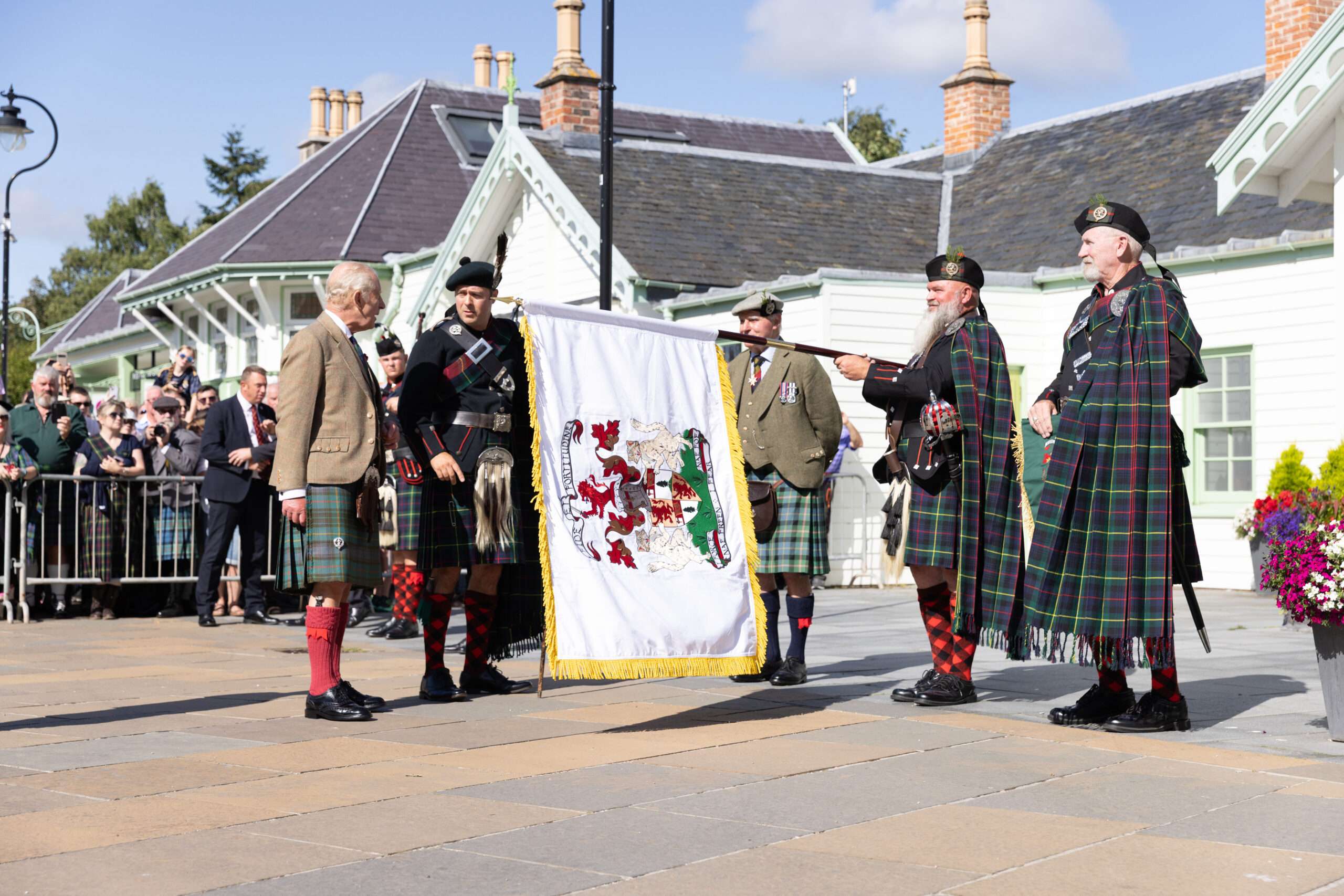
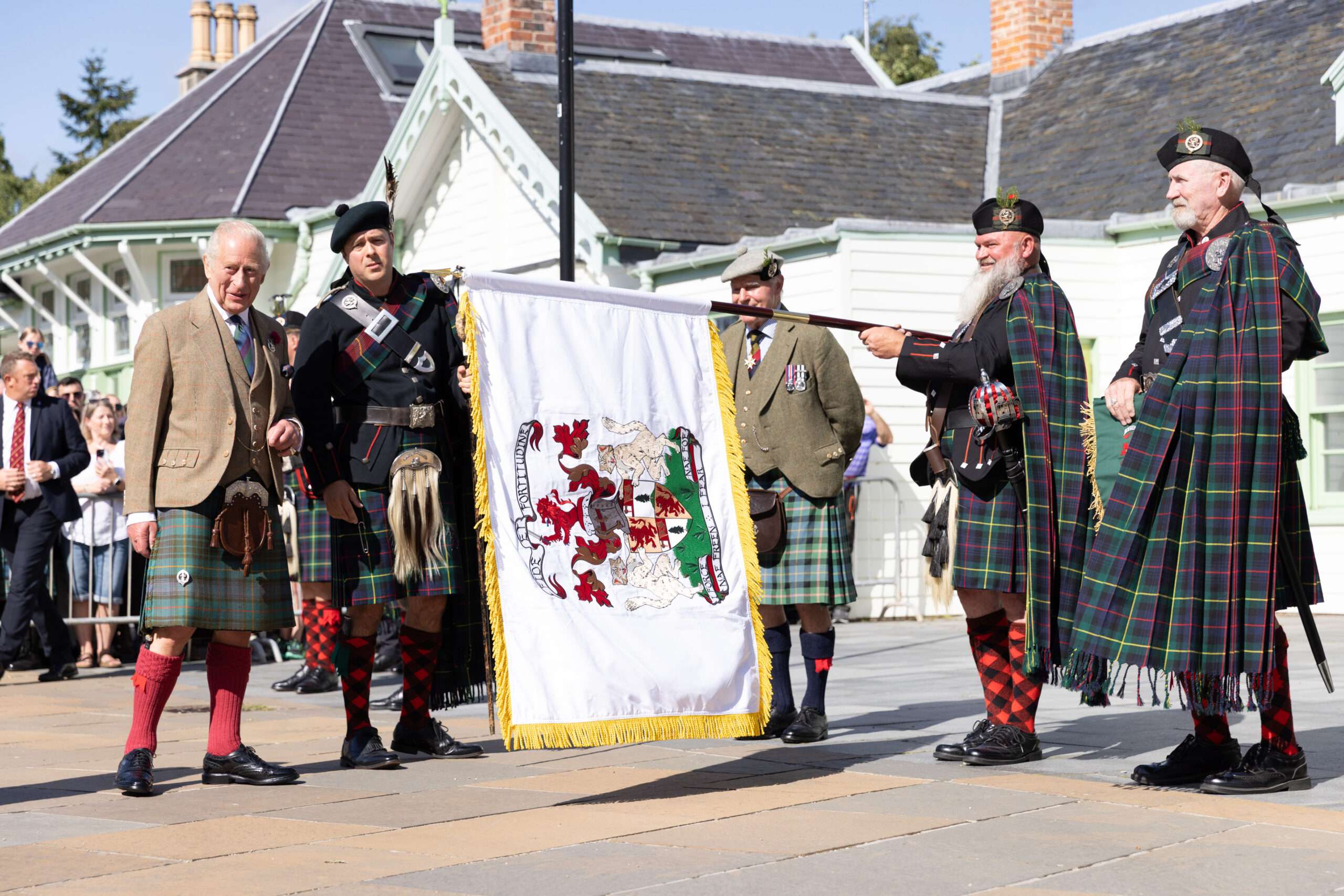
On Tuesday, August 12, 2025, Chief Philip Farquharson, 17th of Invercauld and Monaltrie, Chief of Clan Farquharson and Chieftain of the Ballater Highland Games, welcomed His Majesty King Charles III to Station Square in Ballater. The King inspected the Laird’s banner, which displayed his new Coat of Arms, with explanations provided by Gordon Casley of the Heraldry Society of Scotland. The Arms were presented on banners by Clan Farquharson UK committee members, Colonels of the Invercauld Highlanders, Gary Humphries and Randall Finlay.
His Majesty then received a royal salute from Captain Fraser (Honorary Vice President, Ballater Highland Games), before inspecting the Highlanders on parade, which included troops from Invercauld, Monaltrie, Atholl, Lonach, Duff, and the Balaklava Company, 5 SCOTS. Music was provided by Scots College, Sydney, Australia.
Following the formal proceedings, the Chief and His Majesty mingled with large groups of guests and members of the public, both outside in Station Square and inside at a reception hosted by Clan Farquharson UK in Victoria Hall. Just days before retreating to Balmoral for his annual summer holiday, King Charles III made a quiet but meaningful appearance in Ballater, Scotland — and most people nearly missed it. The monarch, 77, visited the village to inspect the new banner of Clan Farquharson, the family who originally sold Balmoral to the royals in 1852.
The King’s visit came ahead of last summer’s Ballater Highland Games, a beloved Scottish tradition featuring piping competitions, Highland dancing, and the famed Hill Race. While there, he also met members of the Invercauld Highlanders and the Pipes and Drums of the Scots College, Sydney. This stop wasn’t just ceremonial — it tied directly to Balmoral’s royal history and Charles’s personal love for Scotland’s heritage and conservation.
Support the Scottish Banner! To donate to assist with production of our publication and website visit: The Scottish Banner
The Centre for Robert Burns Studies is calling on people worldwide to help create a crowdsourced archive of Burns Night events, viewable through an interactive global map launching in July 2026 on the 225th anniversary of the first Burns Supper. They could never have imagined the outcome of a small gathering of friends and admirers in July 1801 in memory of Scotland’s national bard. That intimate memorial to mark the 5th anniversary of the death of Robert Burns has since grown into one of the world’s most enduring cultural and literary rituals – the Burns Supper.
Now, the Centre for Robert Burns Studies (CRBS) at the University of Glasgow is launching a new campaign, The Burns Supper at 225 Years: Scottish Tradition, Global Reinvention. Building on nearly six years of pioneering research, the CRBS is calling on people worldwide to help create a crowdsourced archive of Burns Suppers events, viewable through an interactive global map to be launched in July on the 225th anniversary of the first Burns Supper. It is hoped the new archive will feature poems and songs performed at Burns Suppers around the world as well as videos, photographs, recipes and clothing worn. This new crowdsourced archive of global Burns celebrations will also form the basis of a submission to a UK wide search for traditions to be recognised as UK living heritage following ratification of the UNESCO Convention on Intangible Cultural Heritage.
A modern phenomenon
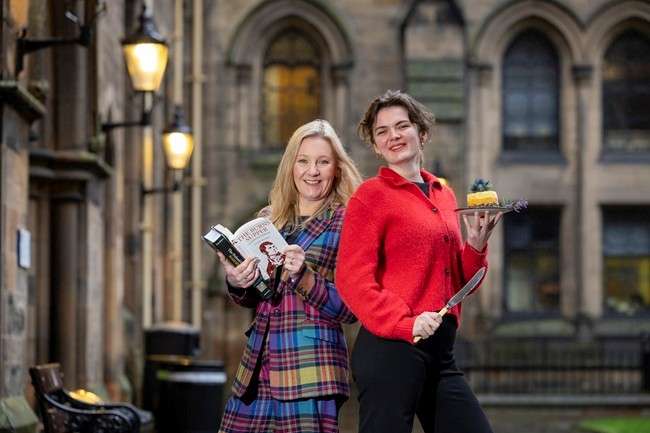
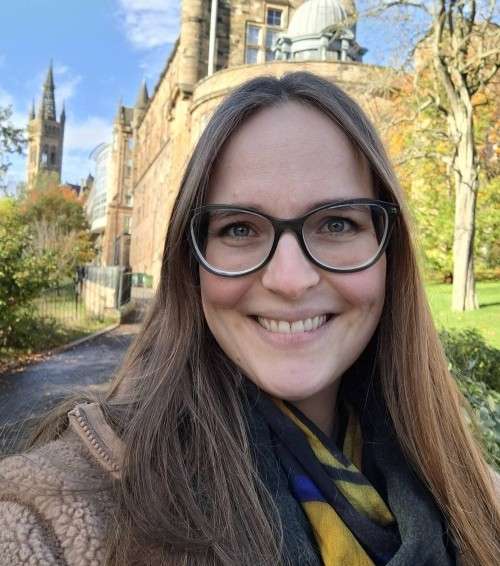
Left to right: Professor Pauline Mackay and Dr Cleo O’Callaghan Yeoman. Photo: Martin Shields.
Professor Pauline Mackay, Director of the Centre for Robert Burns Studies (CRBS), said: “The Burns Supper is not just a historic ritual, it’s a modern phenomenon and one of the most wide-reaching and impactful examples of Intangible Cultural Heritage to come out of Scotland and, indeed, the United Kingdom. This celebration is a living tradition that continues to evolve and we want to capture that and link people around the globe celebrating Scotland’s national bard by finding out what foods they eat, what they drink and which Burns poems or songs feature in their celebrations. We are not only interested in who celebrates the Burns Supper and how, but also the ways in which it has been adapted to incorporate different cultures.”
From Ayrshire to Vancouver, from the Arctic Circle to the summit of Kilimanjaro, more than 9.5 million people now celebrate Burns Night each year on 25 January, the poet’s birthday. The CRBS’s interactive Burns Supper map, first launched in 2021, already features over 2500 events across five continents. Now, with the 225th anniversary of the first Burns Supper approaching in July, the Centre has expanded its research to capture the full diversity of this remarkable tradition. The Burns Supper today has become a living and evolving tradition blending heritage, cultural expression and global voices in memory of Scotland’s bard which can be seen in everything from haggis pakora in Scotland to Reggae-infused Burns celebrations in Jamaica.
Scotland’s national bard
Professor Murray Pittock added: “Burns is not only Scotland’s national bard, but he is also one of its greatest economic and cultural assets. His legacy drives tourism, festivals, food and drink and education. The Burns Supper is a key part of that legacy. Its global reach and adaptability show how heritage can be both rooted and responsive, traditional and transformative. Austria has long capitalised on the Mozart brand and the country’s capital Vienna today gains over €10bn earnings from cultural tourism. Compared to that, Burns and the Burns Supper remain an underleveraged resource – a sleeping giant in Scotland’s culture, heritage as well as food and drink industries. This next phase of research will help us understand how Burns continues to shape Scotland’s identity and economy in the modern world.”
Angus Robertson MSP, Cabinet Secretary for Constitution, External Affairs and Culture, said: “As we approach the 225th anniversary of the very first gathering in honour of Robert Burns, this global tradition of Burns Suppers continues to evolve in remarkable ways. The Scottish Government welcomes the launch of pioneering research by leading academics from the University of Glasgow’s Centre for Robert Burns Studies into how Burns Suppers are celebrated and reimagined around the world. The largest social gathering linked to a single writer in the world, the Burns Supper is a symbol of Scottish friendliness, humanitarianism and internationalism and forms a vital means of developing our Scottish Connections worldwide.”
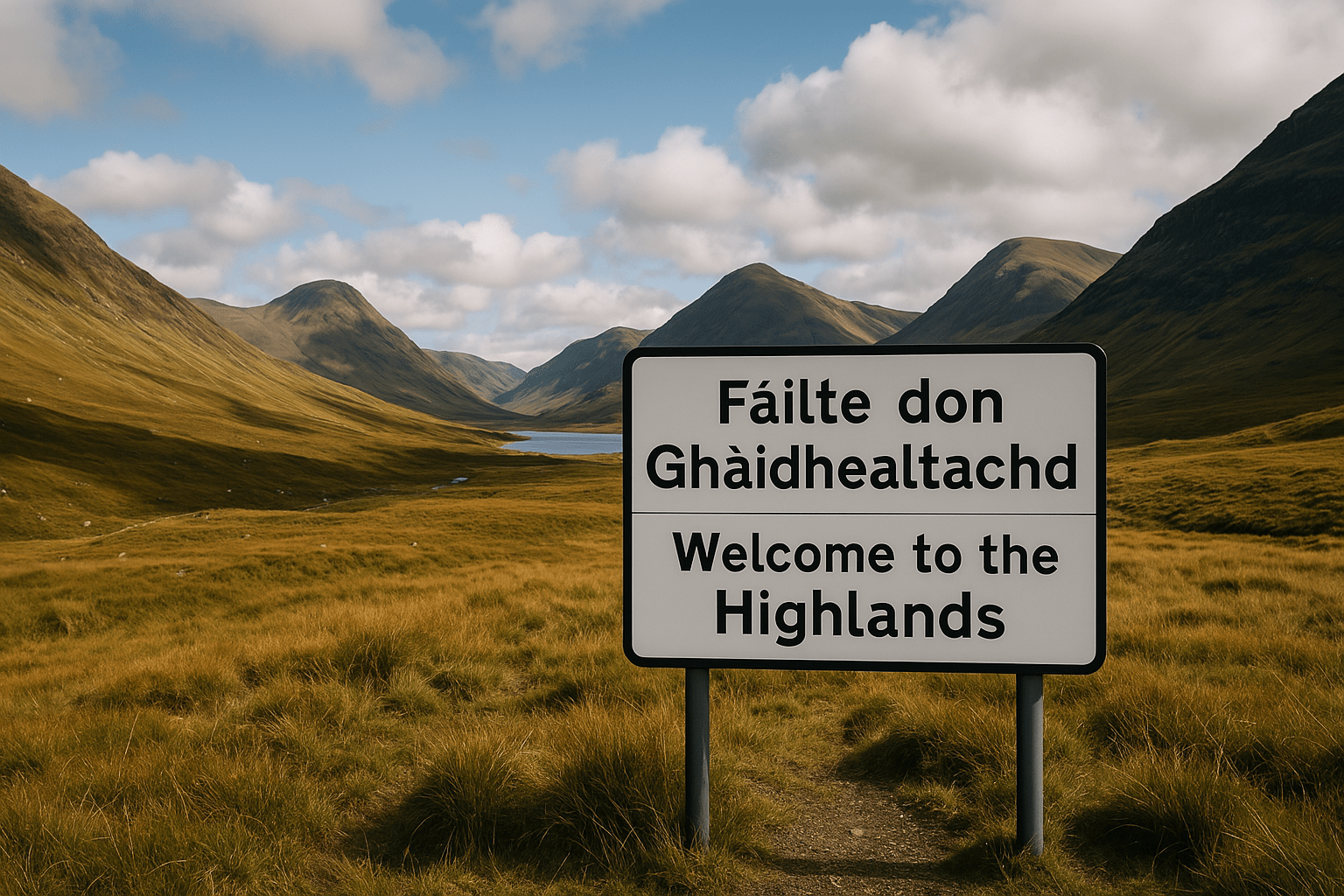
The Gaelic and Scots languages have gained official status in Scotland. The designation forms part of a range of measures which came into effect on St Andrew’s Day November 30, 2025 through the Scottish Languages Act 2025. These include powers for ministers to commission research into the use of Gaelic and Scots and establish teaching standards for the languages.
Measures of the Act include: empowering parents to ask for a Gaelic school to be established in their area, supporting the creation of areas of linguistic significance in Gaelic communities so that ministers can better target policies to support the language’s growth, enabling parents in every part of Scotland to apply for Gaelic nursery and early years places for their children, ensuring that more qualifications are available in Gaelic and introducing targets on the number of people speaking and learning Gaelic.
Deputy First Minister Kate Forbes said: “St Andrew’s Day is a fitting time to celebrate Scotland’s identity by recognising Gaelic and Scots as official languages. This is a historic milestone which acknowledges the vital place these languages hold in Scotland’s culture and heritage. This has been made possible through the Scottish Languages Bill which received unanimous support from MSPs. To support the continued growth of both languages the Scottish Government has already allocated £35.7 million for Gaelic and Scots initiatives this year, ensuring that this milestone translates into meaningful change for communities across the country.”
Support the Scottish Banner! To donate to assist with production of our publication and website visit: The Scottish Banner
In 1980 a packed crowd gathered for a gig in the University of Strathclyde’s Student Union, a renowned music venue back then. Tonight, in one of the smaller rooms, it was standing room only. A huge cheer welcomed the main act – a little round man in his late 60s with a beefy face, a prominent red nose and a tiny grey moustache. He didn’t sing or play; he just gave a talk and slide show about his life as mountaineer and naturalist. This was Tom Weir.
I first encountered Weir when he presented short filmed segments about hills, legend and history on STV’s Scotland Today news programme. Later, they were edited into the first series of Weir’s Way, a programme that was a huge hit in Scotland and was picked up by some English ITV regions. Weir was an experienced mountaineer who had climbed in the Himalaya, in Kurdistan and Norway, yet he could find things worth seeing just down the road.
Later, I got to know Weir’s writing; he was a regular in the Glasgow Herald and The Scots Magazine but from his books I learned that Weir, like me, had been born in Springburn in northern Glasgow; like me, he had started his outdoor life in the Campsie Fells, getting there, like me, on the Campsie Glen bus. Mountaineers and explorers were often Old Etonians or ex-Sandhurst types. Tom Weir was one of us.
He was born in 1914. His father died in 1916, a victim of the First World War in Mesopotamia, and in his early teens Weir had to leave school and work as a Co-operative delivery boy. When he found a full-time job in the local Co-op grocery, his mother happily described it as ‘a job for life’. Tom, though, dreaded a lifetime in a shop; ‘born a man,’ he summed up his likely fate, ‘and died a grocer.’
The world was opening up
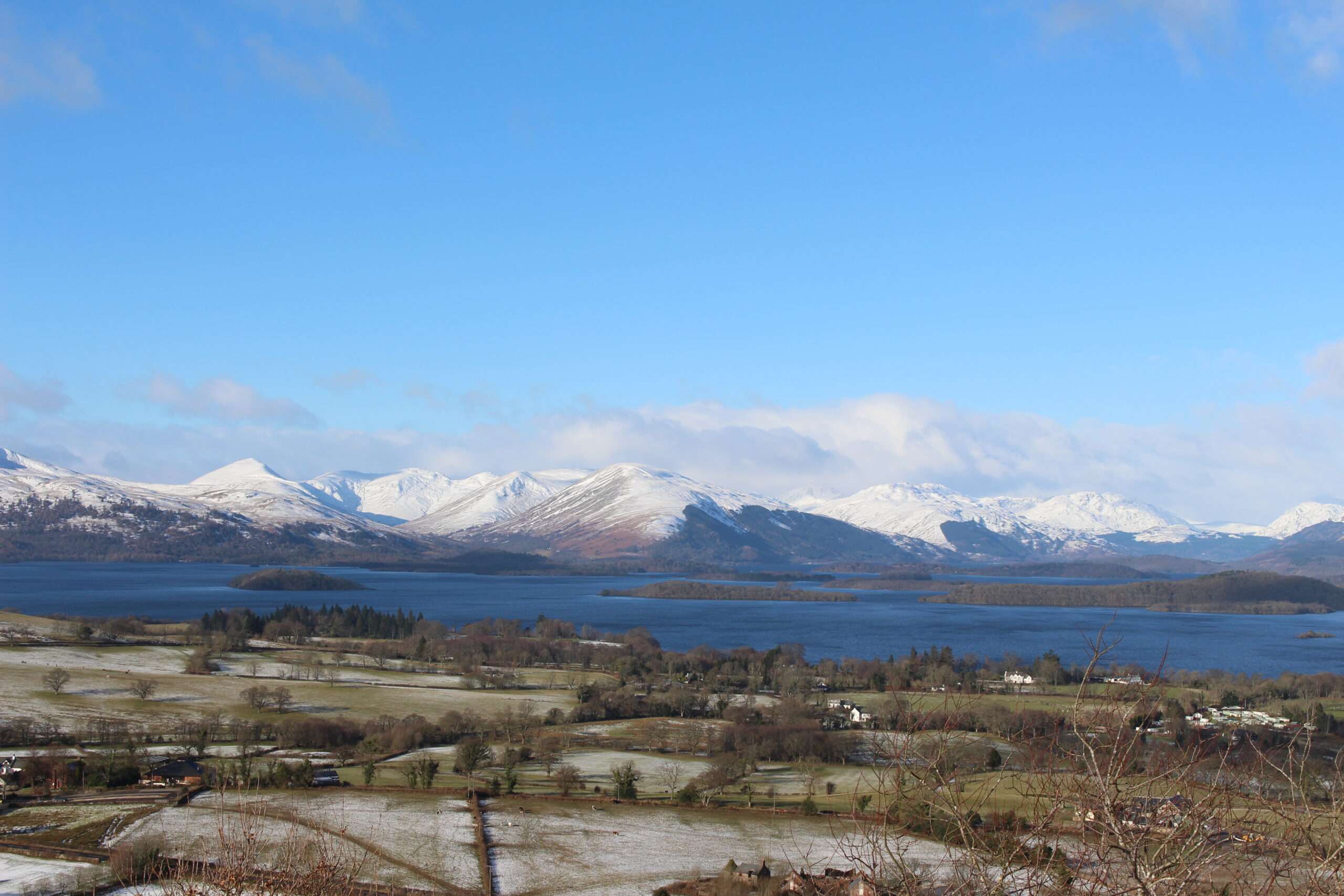
The incredible panorama of Loch Lomond and the Luss Hills from the summit of Duncryne.
In the 1930s, Weir became part of the first wave of working-class people to discover outdoor leisure. After Saturday’s half-shift, thousands of Glasgow people flocked to the countryside, joining those unemployed people who had already decided to walk the hills rather than the streets. There he met his early outdoor companions including John McNair, a railwayman on the West Highland Line (still the best way to reach the hills from Glasgow), and Matt Forrester, a Glasgow butcher. Matt was a gifted writer who encouraged Tom to take an Art of Writing class and to submit his work to magazines and newspapers. By the outbreak of war, much of his work was being published. ‘The world was opening up,’ he later wrote, ‘just as Hitler was shutting it down.’
During the Second World War Tom served in the Royal Artillery and trained as a gunnery surveyor. This experience helped him to get a job with the Ordnance Survey (OS) in 1946. He left the OS in 1950 to join the Scottish Himalayan Expedition, the first to be allowed into Nepal after the Second World War.
Later, Tom would walk and climb in many countries and expand his writing and photography. He married and settled in Gartocharn, a quiet village near Loch Lomond’s southern shore. He often wrote about Duncryne, a tiny 463ft summit near his home that he climbed every day. For its puny height, Duncryne offers a quite jaw-dropping panorama of Loch Lomond and the surrounding peaks.
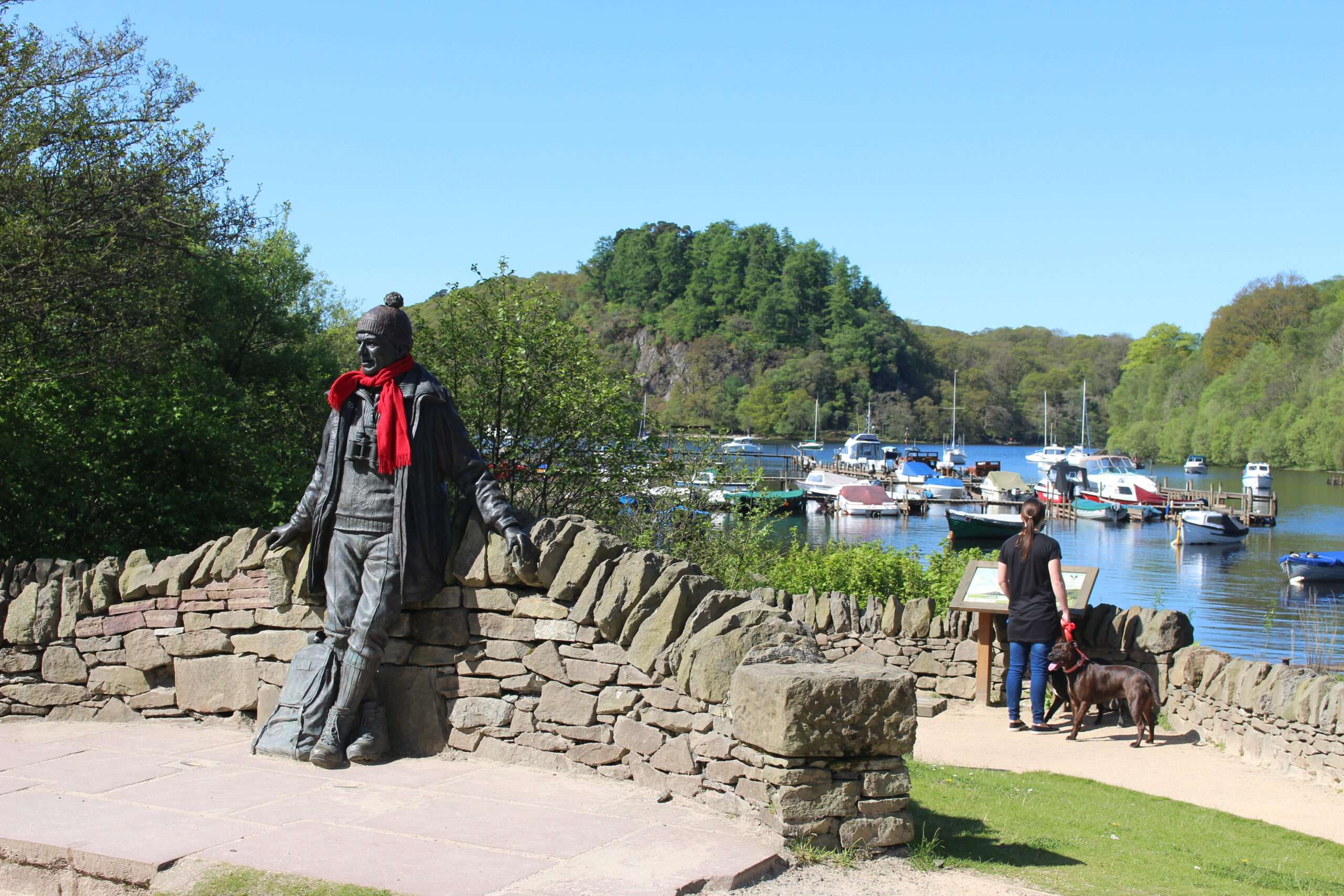
Tom’s Statue gains a scarf.
His first book was Highland Days, written during the war and published in 1948. It’s a moving record of his 1930s wanderings in the Highlands and is now a valuable historical document, describing meetings with local families in homes now vanished and trips to glens and straths now flooded by hydro schemes. It also captures the experience of tramping through the Highlands before the domination of the motor car. Weir wasn’t one of those outdoorsmen indifferent to the people of the countryside; he did not want to see the glens become unpopulated wildernesses.
Tom Weir’s Scotland (1980), a collection of previously published articles, is my favourite of his books. His pieces were unlike those you found in climbing magazines. Yes, he wrote about hills and mountaineering, but his enthusiasm carried him over into ornithology, wildlife and history. ‘Taste the History Before the Climb’, is an article in the book (about Criffel, the peak on the Solway shore); he was always true to that advice and demonstrated a welcome curiosity about how the countryside and its people had come to be.
Weir had the writerly knack of evoking a sense of place, but his deeper personality and feelings rarely broke through. In 1994 he published Weir’s World, subtitled ‘an autobiography of sorts’ – apt since it gave little away beyond the mere facts of his life, wandering off instead to celebrate companions, conservation, mountains and wildlife. However, when Weir did write with passion – for example, in the 1990s when railing against a bulldozed track that had despoiled the Loch Lomond shore – the effect was powerful, even devastating.
A yearning for green places that would not be denied
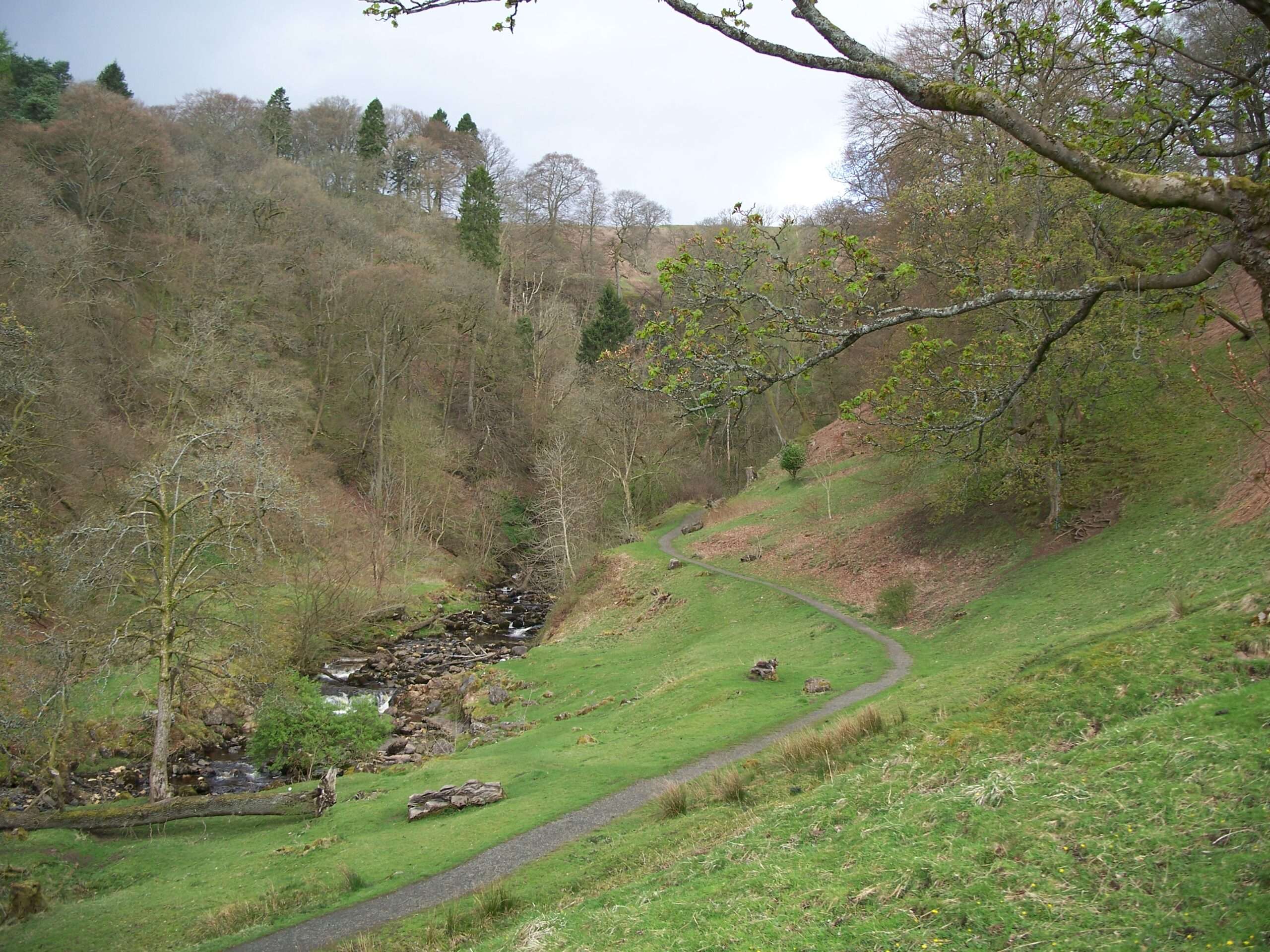
Campsie Glen – where adventures begin.
I never actually met Tom Weir to speak to, but after hearing his talk at Strathclyde Union, I had two more encounters with him. In 1994 The Scots Magazine published Jock, my short story about the working-class Scottish walkers of the 1930s. I was delighted to receive a kind letter from him praising the story. It’s one of the daftest things I’ve ever done, losing that letter…
Then, in 2004, I was waiting for a bus at Balmaha on Loch Lomondside after a day’s walking. Ahead of me in the queue were Weir and his wife Rhona. By now nearly 90 and frail, he could no longer explore the hills, but was still able to enjoy a bus trip along his beloved Loch Lomondside. He was chatting to a West Highland Way walker who was travelling back to his bed and breakfast in Drymen. He was from Germany and couldn’t possibly know how revered a figure he had met.
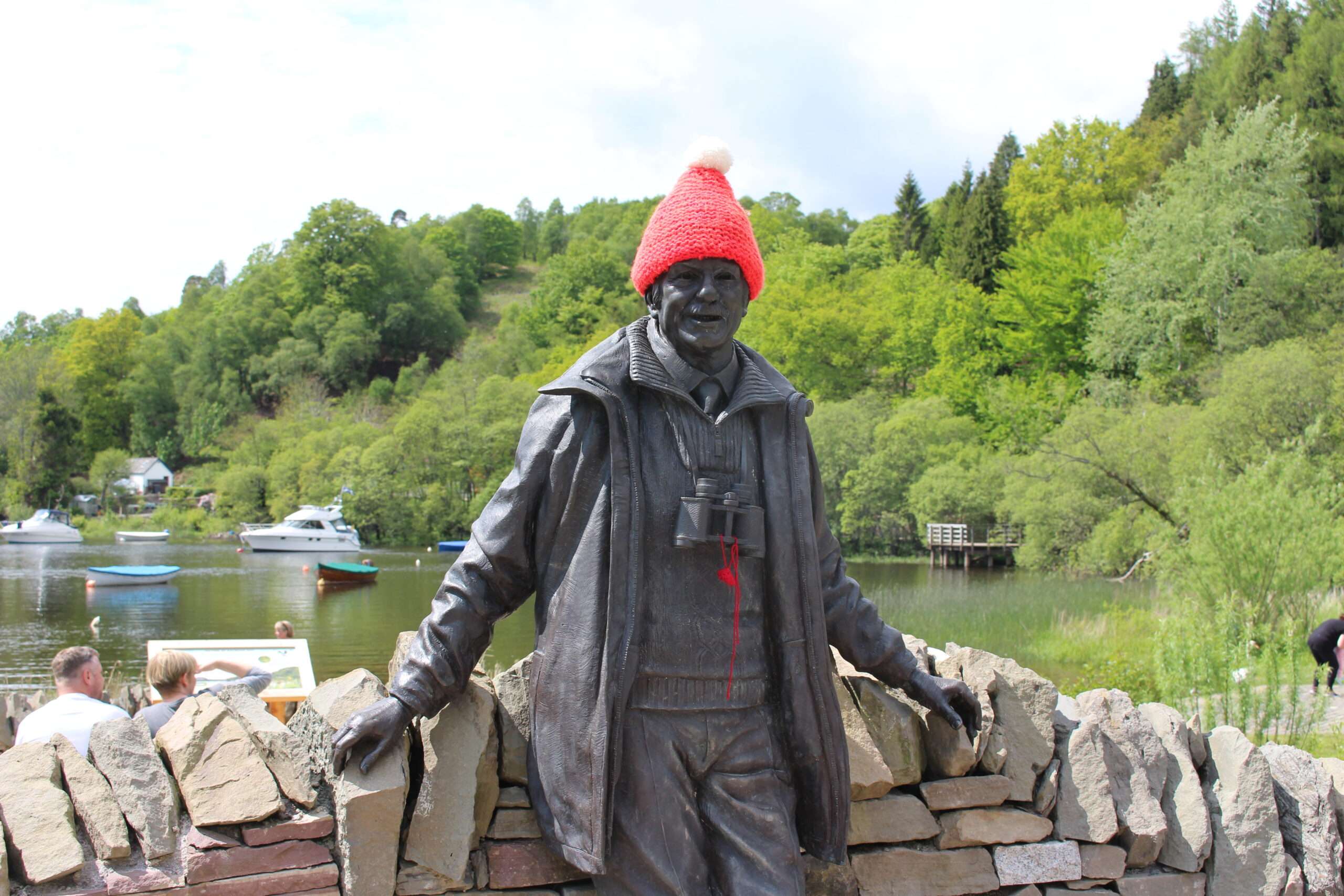
Tom Weir died in 2006. A plaque commemorates him in Campsie Glen, and in 2014 a statue, sculpted by Sean Hedges-Quinn, was unveiled at Balmaha, barely a hundred yards from the bus stop where I’d seen him a few years earlier. He’s portrayed wearing his trademark bobble hat and it’s becoming a tradition for an actual woolly hat to adorn the statue. Balmaha is a tourist honeypot and the statue no doubt puzzles many overseas visitors, but it has become a place of pilgrimage for outdoor enthusiasts from all over the UK. In inspiring us, Tom Weir pulled off quite a trick: he made TV programmes that encouraged people to go outside and experience fresh air and exercise.
In Highland Days Weir described how, after his first adventure in the Campsie Fells, he returned home; …with a yearning for green places that would not be denied. Mountains and birds seemed the most important things in life. The search for fulfilment in these things is the story of this book.
He inspired many others to do the same.
Words and photos: David McVey.
Support the Scottish Banner! To donate to assist with production of our publication and website visit: The Scottish Banner
Early in 2024, Wade King an occasional contributor to The Scottish Banner, published his family history, History of the King Family of Scotland, the West Indies and Australia. The book is of 550 pages. It records 42 generations of the King family over 1300 years. All those generations have written evidence to support them, from 778 A.D. which was about the time of the beginning of written history in Scotland. Before that history was recorded orally and memorised by those that undertook that responsibility. As a scientist (a specialist physician), Wade chose to rely only on written evidence, even though the family obviously had earlier ancestors going back into the mists of time well before the 8th century A.D.
The work is considered likely to be the longest family history ever written. At least, it was described as such by Iain Ferguson, recent Director of the National Archives of Scotland, who helped Wade with his research. With his thorough knowledge of the records, Iain was an invaluable helper.
Wade had a “leg-up” in the form of his surname. The surname King was given in the 11th century A.D. to denote membership of the King’s family. The King to whom it referred was Duncan I, King of Scots 1034 to 1040 A.D. King Duncan had a daughter Princess Bethóc (in the Gaelic) who was Wade’s ancestor. The genealogy of King Duncan I was, of course, recorded , so Wade was able to trace his ancestry back to King Kenneth MacAlpine, the first High King of both the Picts and the Scots, who ruled 843 to 858 A.D. and before him to his father Alpin, lived 778 to 843 A.D. (whom Wade designated generation).
A long family history
Wade had another “leg-up” in the form of a family tree stored in the Manuscripts and Archives Section of the University of Aberdeen library. This document showed the generations of the family in Scotland from Princess Bethóc down to the 18th century A.D. From then on it was easy to trace the generations using the website ScotlandsPeople. The family tree showed 14 generations of the family who were lairds of the Barra Estate in the Garioch district of Aberdeenshire and until 1596 lived in Barra Castle (which is still standing and used as a family home). It showed the generations after that who lived in the Ellon district of Aberdeenshire until 1652, when they were forced away from their estates in Ellon by Cromwell, who ravaged Aberdeenshire looking for royalists, Episcopalians and Tories who had supported King Charles I in the British Civil Wars.
The King family moved to Renfrewshire, a Whig area where Cromwell would be unlikely to look for Tories. They settled in Port Glasgow on the River Clyde and developed a shipping company there. The family tree shows Robert King (of generation 33) who led the Atholl Brigade in the last great Highland Charge at the Battle of Culloden in 1746. Robert is the subject of a previous article in the Scottish Banner (Loch Lomond- A story of Culloden, February, 2022).
The tree also shows John King (of generation 36), born in Port Glasgow in 1776. He moved to the West Indies in 1803 to open a branch of the family’s shipping and trading company, based in Port Glasgow on the Clyde. Specifically, John went to the island of St. Thomas in the (then) Danish West Indies and settled in its chief town Charlotte Amalie. St. Thomas is now part of the U.S. Virgin Islands. John’s son Dr. William King lived on the neighbouring island of Tortola, the main island of the British Virgin Islands. In turn, Dr. William’s son James King (of generation 38) travelled from Tortola in the 1880s and settled in Sydney, Australia. The family has lived in Australia for the four generations who followed that James. Wade is of generation 40 and his grandson James (James King the twelfth of his line) is of generation 42.
Of course, having a long family history does nothing special for the individual. Everyone alive has 42 generations of ancestors. The difference is that Wade and his many King cousins know who those ancestors were, where they lived and what they did during their lives. The published family history gives Wade and his cousins a sense of connection with his King forebears and the ability to visit the places in which they lived.
Have you been looking into your family history? How far back can you go? Share your story with us by email, post or at: www.scottishbanner.com/contact-us
Main photo: Robert King leading the Atholl Brigade in the Charge on Culloden Moor, 16th April, 1746. Detail from the historically accurate painting by G.W. Baxter.
Support the Scottish Banner! To donate to assist with production of our publication and website visit: The Scottish Banner
Imagine someone described as a force of nature. Who do you conjure? Perhaps a daringly dressed, larger-than-life dynamo who is constantly the centre of everyone’s attention. Maybe an artist at the peak of their creative intensity, or someone completely unwavering in their single-minded pursuit of a goal against the odds. Or, how about a seemingly frail, elderly woman, walking alone as cold rain pours down who, in a gentle and calm voice, asks if you might share your shelter with her.
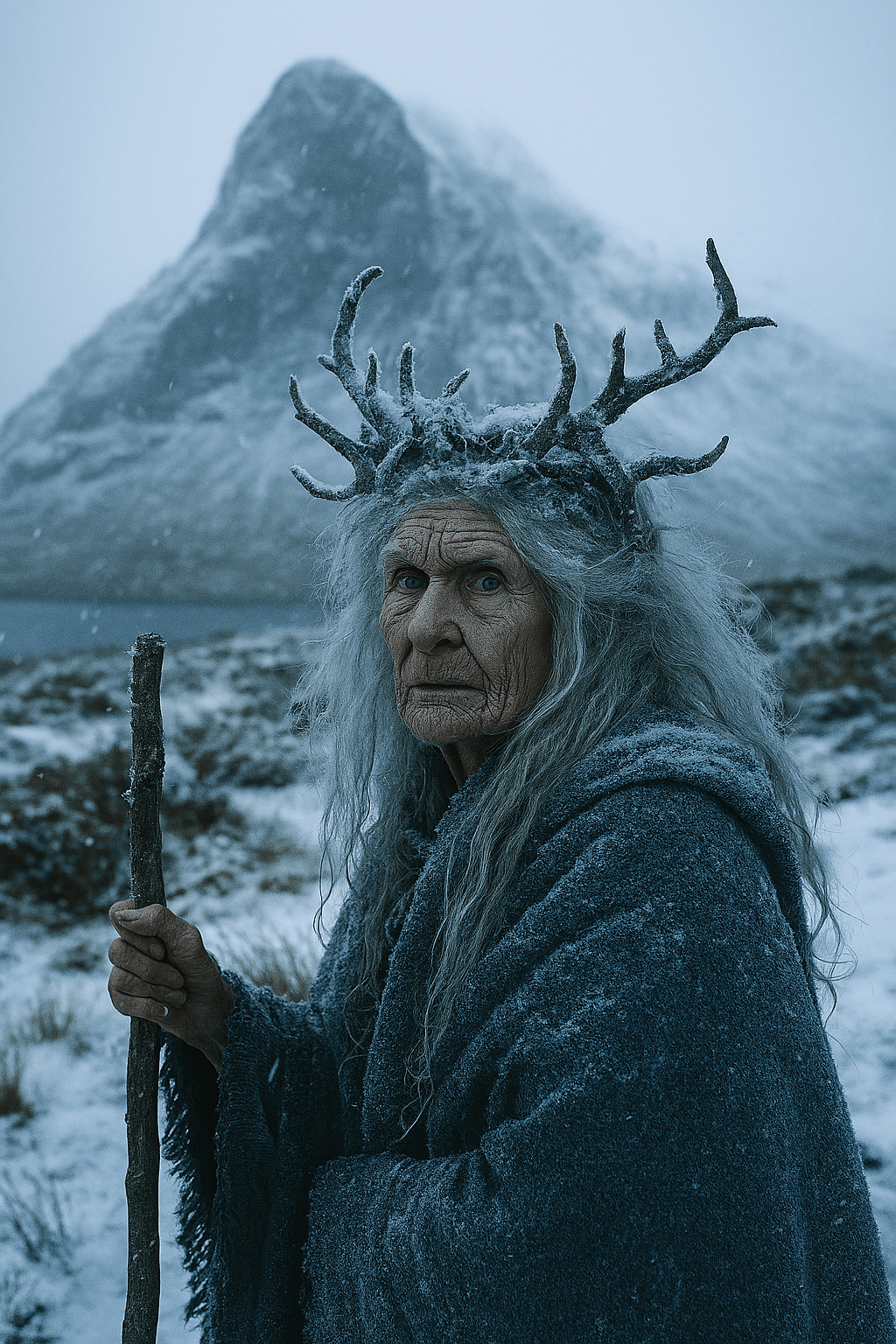
This unassuming woman is the Cailleach, not only a force of nature but the very embodiment of nature’s elemental cycles. To the Celts of Scotland, Ireland, and the Isle of Man, the Cailleach is a creation goddess who was here before even the hills and seas. There are many variations on her name’s meaning. Cailleach most directly translates to English as an “old woman”, but her name can also be interpreted as “veiled one” or “divine hag”.
Shaped Scotland
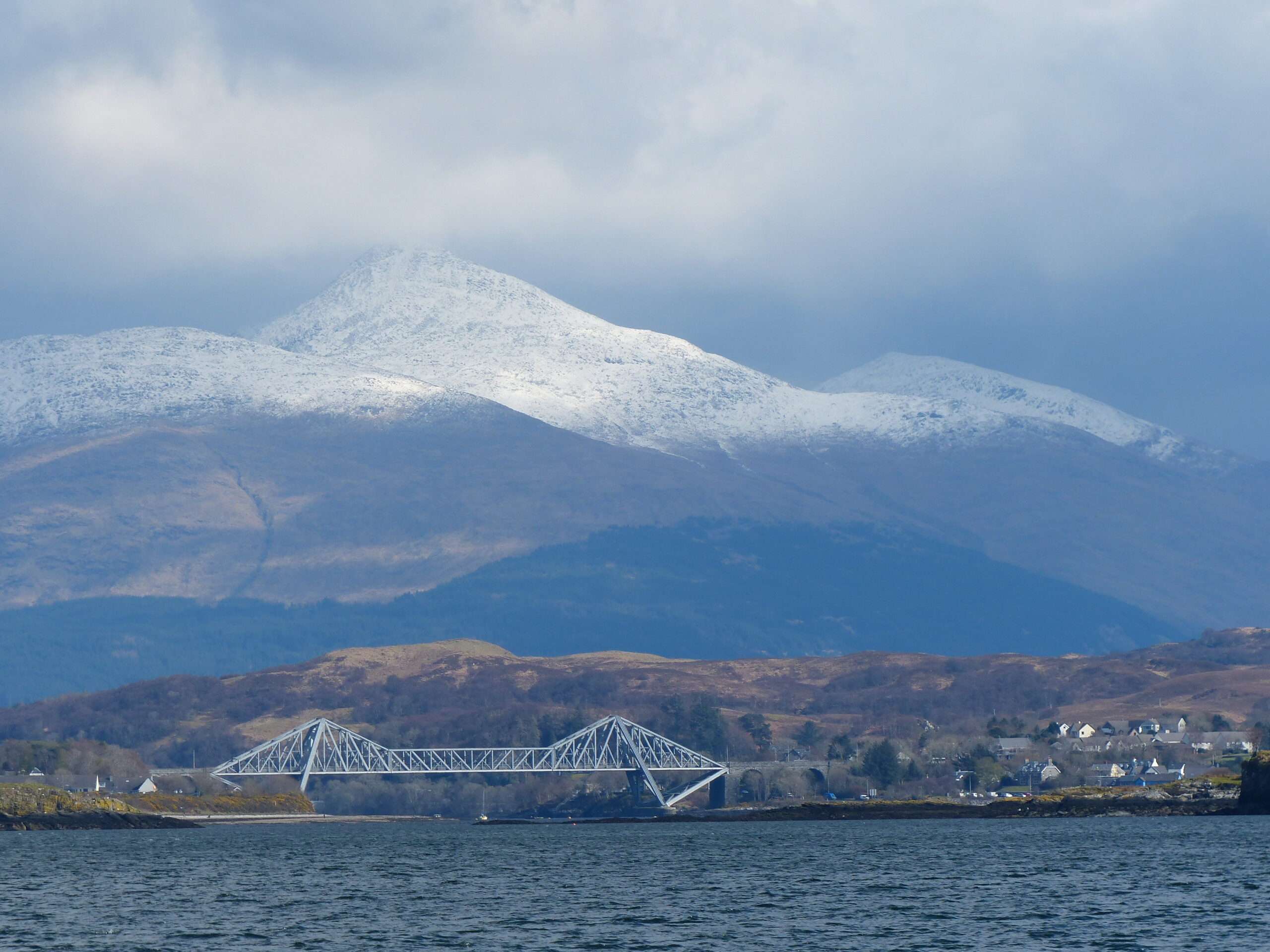
Ben Cruachan looming over Connel Bridge in Argyll. Wikimedia Commons, CC-BY-SA-4.0.
Indeed, the Cailleach shaped Scotland itself. The mountains and glens of the Highlands were made when, in giant form, she stomped across the land. The islands of Scotland’s west coast were rocks that fell out of the basket she carried on her back, with Ailsa Craig off the shores of Ayrshire once being a mere pebble that shook loose and fell through a hole in her apron.
The Corryvreckan in the Sound of Jura is the world’s third-largest whirlpool and is where the Cailleach washes her great plaid. When she hangs the plaid up to dry, ice crystals form upon it which then sweep across the land. This brings winter to Scotland, the season when the Cailleach is at her greatest power. When the Corryvreckan’s white foam surged to its highest point it was said that the Cailleach had ‘put on her kerchief’. Approaching the whirlpool in these conditions meant certain death.
In order to bring warmth and light back into the world, the Cailleach’s subjects must rebel against her wintery rule. They do this on the 1st of May, a vital turning point in the agricultural year, by holding fire festivals and preparing for the return of Angus and Bride, the king and queen of summer and plenty. Thus the Cailleach’s reign is ended, and she returns to slumbering in the upper reaches of sacred mountains like Ben Cruachan in Argyll, Beinn na Caillich in Skye, and Beinn a’ Bhric in Lochaber.
No one-trick goddess
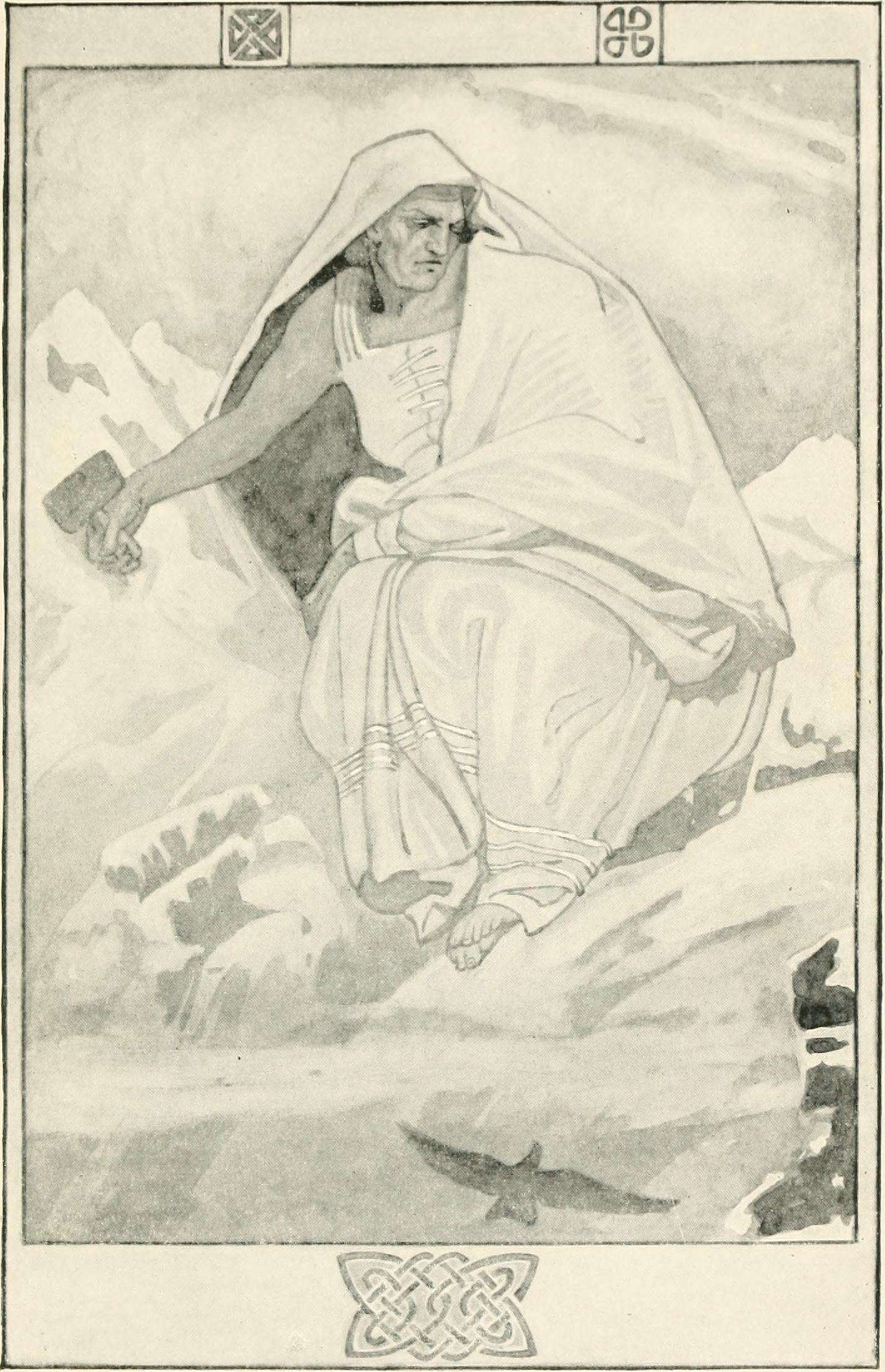
The Cailleach, depicted in Donald Alexander Mackenzie’s ‘Wonder tales from Scottish myth & legend’, 1917.
Many flairs were added to the Cailleach’s repertoire over the centuries. Some versions depict the Cailleach riding a chariot pulled by huge black hounds, perhaps a memory of the Bronze Age and Iron Age when tribal elites rode across battlefields in chariots. Sometimes she hurls fireballs from her chariot, blasting stones apart with their power. Whatever the particular twist, the Cailleach was clearly no one-trick goddess: whether fire and ice or water and rock, all of the powers of nature are at her disposal.
Above all else it is a just balance of forces which the Cailleach seeks to instil in her subjects, both human and animal. Though she is a protector of wild things, she also encourages deer hunts when populations rise to the point of denuding the landscape of other forms of life. She is known to have given some young hunters the power of exceptional accuracy or good fortune. Some tales connect the Cailleach with the Fianna, the warrior-bards of ancient Ireland and Scotland including Ossian, Diarmad, and Fionn mac Cumhaill (Finn McCool), whose renown for hunting was unparalleled.
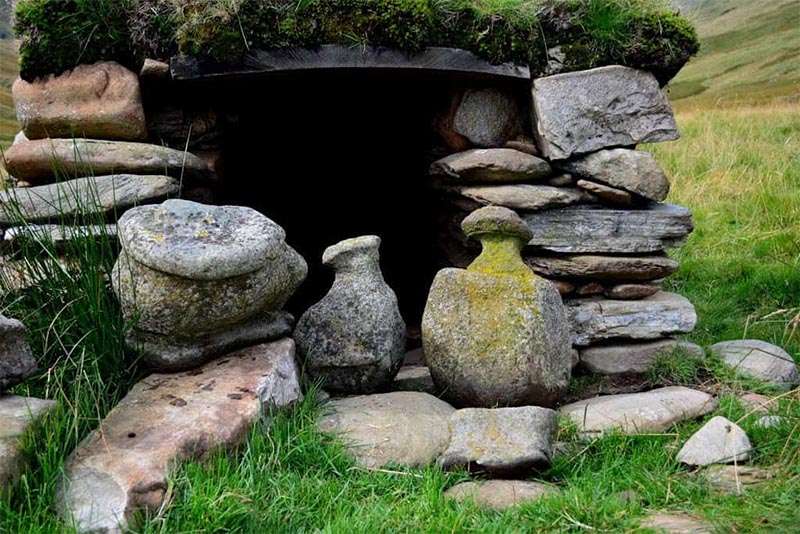
Two miniature stone figures at Tigh nam Bodach, Glen Lyon, representing the Cailleach and the Bodach (old man).
On the other hand, the Cailleach directly punished those who took too much. Poachers especially drew her wrath, but hunters who killed animals than they needed were also punished. The Cailleach would often send a deluge of water from the mountains to inundate the land which the offender lived on, ruining their crops and inflicting hardship for the winter ahead as the price of their greed. Similar judgments awaited those who, on encountering the Cailleach in the form of an old woman caught out in a storm, denied her their shelter, thus breaking the great taboo of ‘guest rite’.
The spectre of the Cailleach was used in social shaming when it came to the vital agricultural work required to sustain small, rural communities. The cutting of corn (meaning grains like barley and bere) took place in the autumn, and many communities across Scotland placed great importance on not leaving crops unharvested for too long. The first farmer in a district to finish cutting their corn made a little straw doll to represent the Cailleach. They passed the doll to their nearest neighbour, who in turn passed it to the next person to finish their harvest. The farmer who finished harvesting last of all was given the doll and expected to ‘feed’ it with some of his grain for the remainder of the year.
Belief
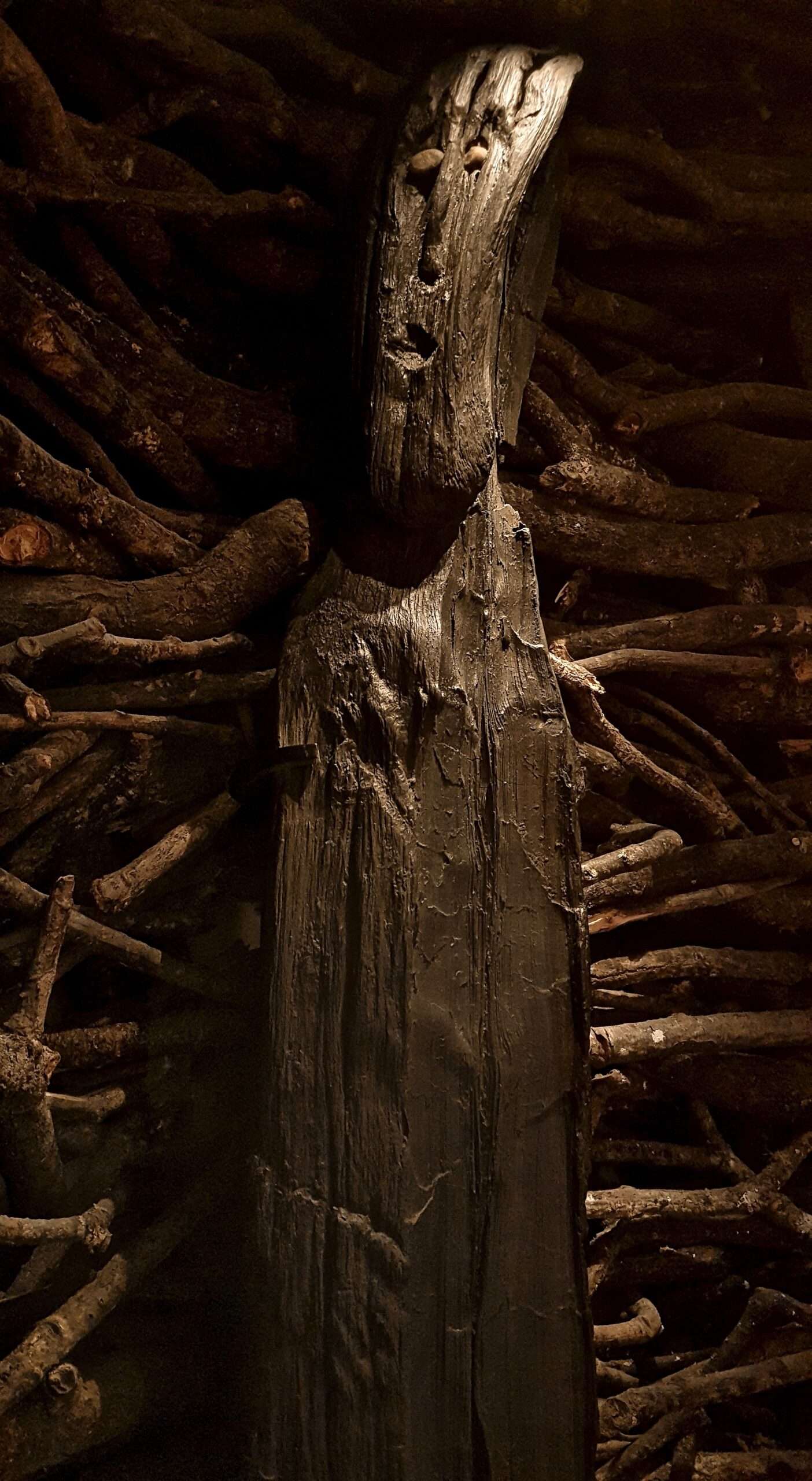
Ballachulish Figure in National Museum of Scotland. Photo: David C. Weinczok.
From the Iron Age through until the 19th century, belief in the Cailleach in the Highlands and Islands would have been nearly universal. Modernity, however, has taken its toll. As belief in the Cailleach has shrunk so, too, has the Cailleach herself, reduced now to the size of a garden fairy or teapot. There are some places, however, where the Cailleach still holds sway.
Deep in Glen Lyon is Tigh na Cailleach, the ‘house of the Cailleach’. There you’ll find a tiny shieling occupied by little stone figures barely larger than your fist. Every May Day (May 1st) these figures, representing the Cailleach, the Bodach (old man), and their family, are brought outside the shieling to face down the length of the glen. Glen Lyon, it should be noted, has long been central to the tales of the Fianna in Scotland. On Samhain (Halloween) the figures are placed inside for the winter.
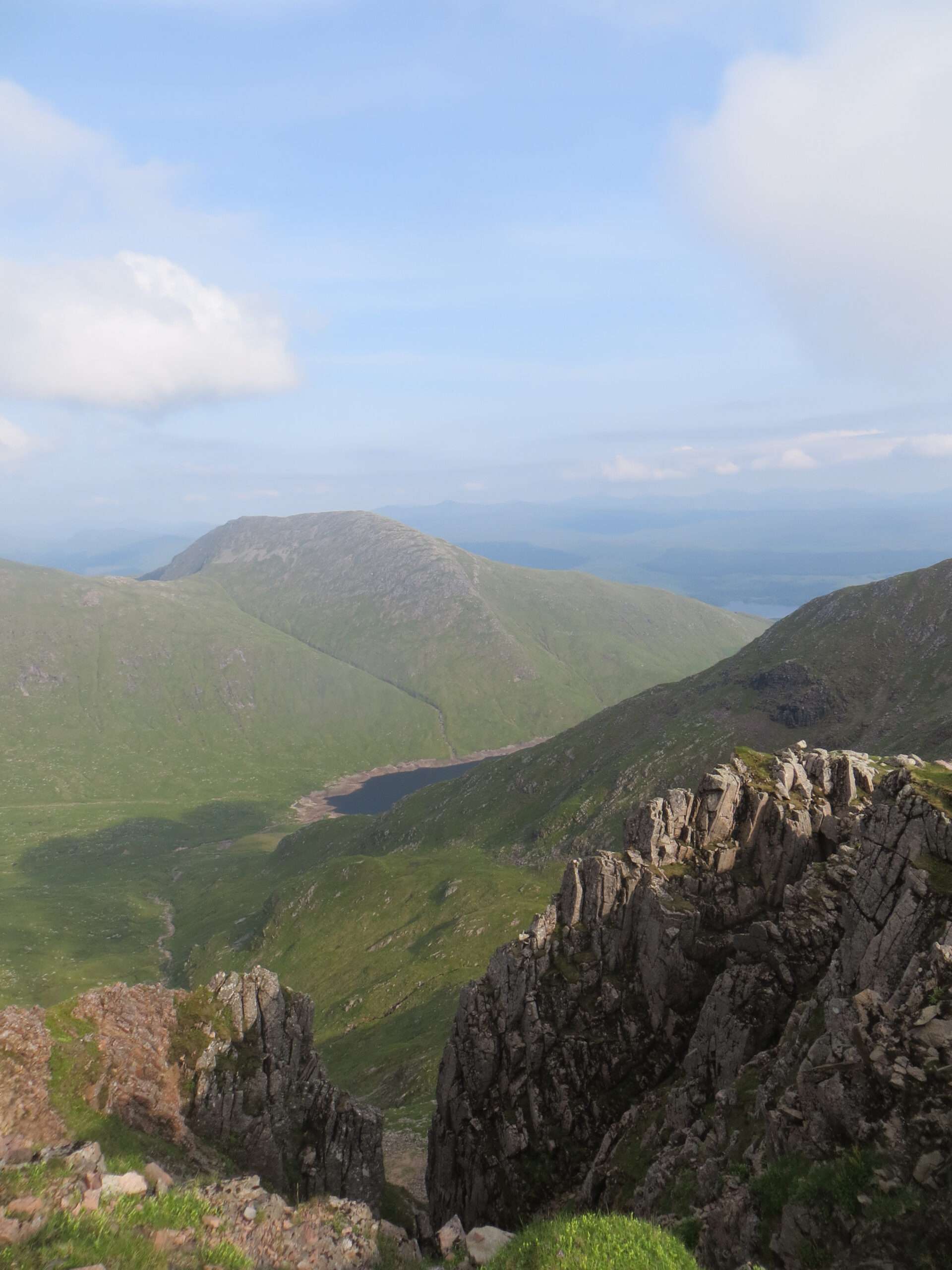
View from near the summit of Bean Cruachan, one of the Cailleach’s Highland homes. Photo: David C. Weinczok.
The ritual movement of the figures at Tigh na Cailleach is believed to be the oldest Celtic ritual still practiced in its original form anywhere in Europe. The last named person to move the figures, local shepherd Bob Bissett, did so dutifully year after year. When he passed away, the people who took on the estate vowed to continue the practice. I am happy to confirm, by word of mouth from a recent visitor, that the figures are currently inside their shieling.
No doubt that come May Day in 2026, they will feel the touch of the sun and stand guard over Glen Lyon once more.
By: David C. Weinczok
Support the Scottish Banner! To donate to assist with production of our publication and website visit: The Scottish Banner
Looking for a line-up of whiskies, all of which are linked to the life (and loves!) of Robert Burns? Here are details of five drops, with poems they can be associated to, which went down well at a Burns Night in Inverness last year, as Hamish Malcolm explains.
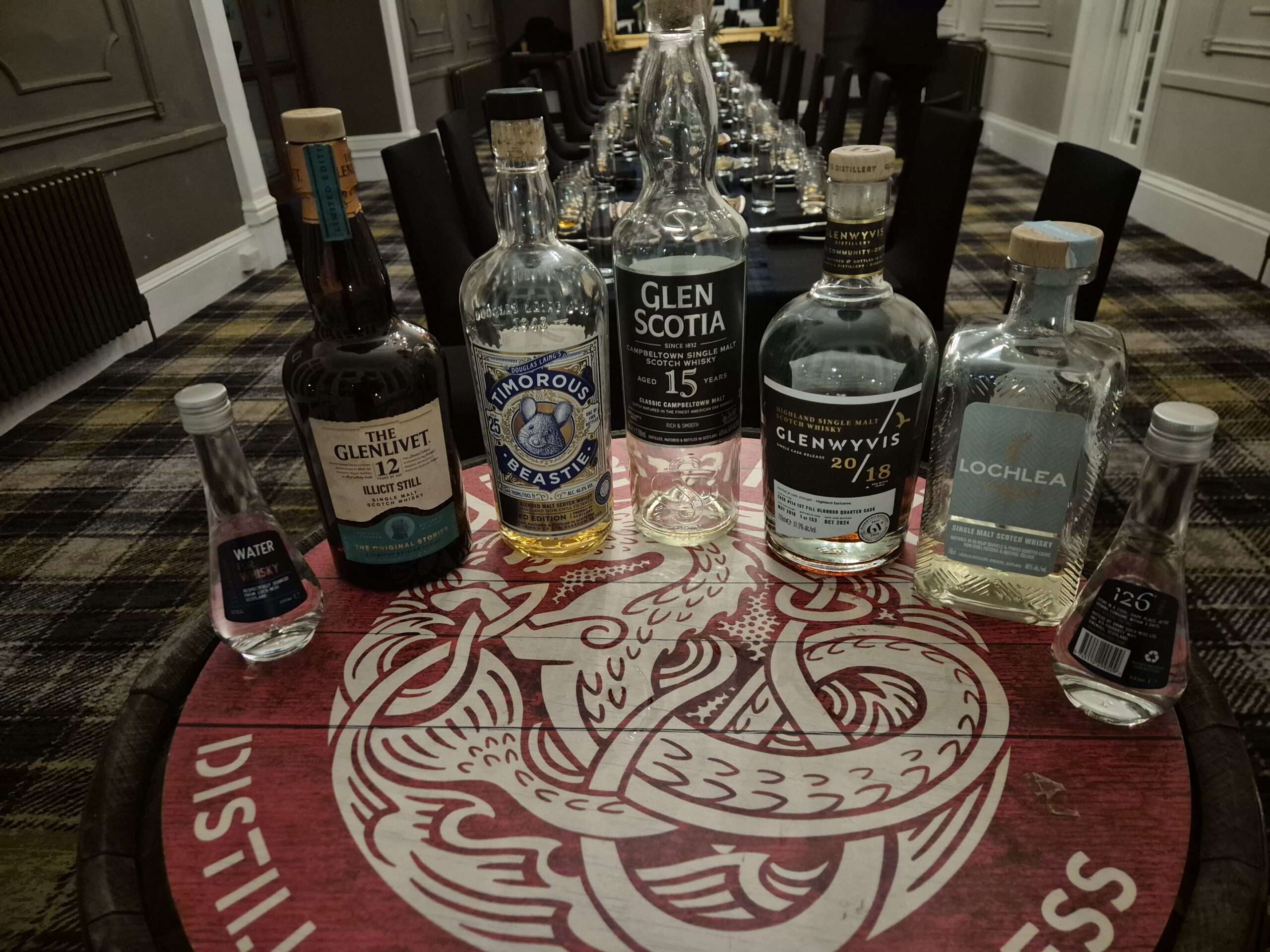
Glenlivet ‘Illicit Still’, 12-year-old single malt
Glenlivet, founded in 1824, is undoubtedly one of the most respected and established distilleries, based in the ‘heartland’ of Scotch whisky, Speyside. This limited-edition version, comes in at 48% ABV, which is stronger than the majority of most Glenlivet official bottlings ; harking back to the days of a more rugged style of production. The concept of illicit distilling links us to Robert Burns brief career as an exciseman, when he was employed to crack down on the ‘not so legal’ aspects of whisky distillation and production. This was at something of a turning point in Burns’ life , after he had shelved his plans to emigrate, and was looking to gain a steadier source of income.
See Burns’ poem: An Extemporaneous Effusion to being Appointed to the Excise.
2.Douglas Laing ‘Timorous Beastie’ 25-year-old Blend 46.8% ABV. Limited edition , one of 1600 bottles
A bottle which is clearly a reference to the line from one of Burns most famous poems To a Mouse. While in some sectors ‘blended’ malt whisky can be overlooked in favour of single malt, there is a great range of excellent whiskies to be found in the blended segment ; often representing strong value for money. It is clear from Burns work, that he was very much a ‘man of the people’, and so would spoken up for blends as being the ‘underdogs’ of the whisky market. Douglas Laing have been at the forefront of the independent bottling market since 1948.
See Burns’ poem: To a Mouse.
Glen Scotia 15-year-old, 48% ABV
Glen Scotia, founded in 1832 is one of three distilleries in Campbeltown – which was once the ‘world capital’ of the whisky world , with more than 30 active distilleries located in one single town. As is often the case in Scottish history, the ‘boom’ was followed by ‘bust’, leaving the once vibrant area with only two distilleries – one short of the number required to still be recognised as a ‘region’ in Scotch whisky. Today sees Campbeltown very much in a period of renaissance, with planning permission for a further three distilleries. Mary Campbell, better known as ‘Highland Mary’, was one of Burns lovers, spent part of her life in Campbeltown, before she died at the age of only 23. They had planned to emigrate to Jamaica together.
See Burns’ poem: The Highland Lassie O, Highland Mary and To Mary in Heaven.
Glen Wyvis ; single cask, Oloroso Quarter Cask 61.9% Limited edition ,one of 153 bottles
A hefty, sherry-based whisky from one of the Highlands newer distilleries, which started production on St Andrews Day 2017. GlenWyvis is based in Dingwall, close to the location of long shut Ferintosh distillery ; immortalised in Burns poem Scotch Drink. GlenWyvis is unique in being both crowdfunded and also being the world’s first fully community owned distillery.
See Burns’ poem: Scotch Drink.
Lochlea (exclusive bottling for the Aberdeen Whisky Shop) 60.3%
To finish this ‘Burns themed’ tasting; a lightly peated dram from another one of this century’s distilleries, Lochlea. Lochlea launched their inaugural whisky on Burns Night 2022. Burns father farmed the very land on which the distillery is now located, giving it a very unique link to the Bard.
See Burns’ poem: John Barleycorn, A Ballad.
Hamish Malcolm, known as The Dram Caddy, offers unique whisky experiences in the Scottish Highlands. For more information visit: www.dramcaddy.com
Support the Scottish Banner! To donate to assist with production of our publication and website visit: The Scottish Banner
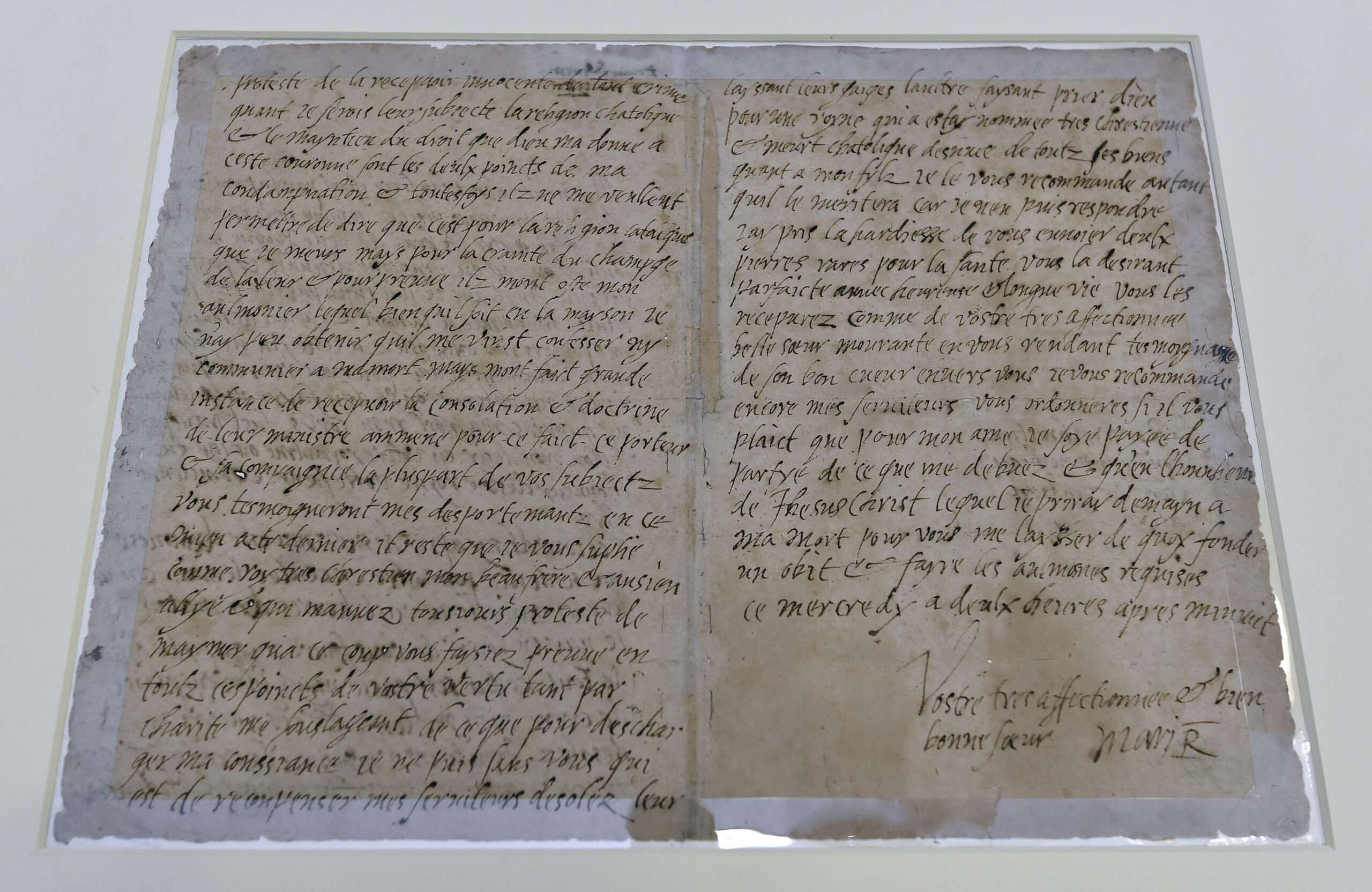
Mary, Queen of Scots’ Last Letter will go on display in Perth Museum this year, giving people a once-in-a-generation opportunity to see the manuscript up close. At 2am on Wednesday 8 February 1587, Mary, Queen of Scots wrote what is believed to be her last letter, writing to her brother-in-law in France to put her affairs in order. Her execution at Fotheringhay Castle was to take place six hours later.
Several centuries later, Mary remains a key figure of Scotland’s history and culture. Her last letter will go on display as part of ‘OUTWITH: National Library around Scotland’ – a special programme of loans, events and activities taking place at locations around the country to mark the National Library’s centenary. Mary’s letter is rarely seen outside of storage. While the vast majority of the Library’s collections can be accessed by anyone in the reading rooms, the letter leaves the vaults only in very special circumstances, owing somewhat to its historical and cultural significance, but primarily for conservation reasons.
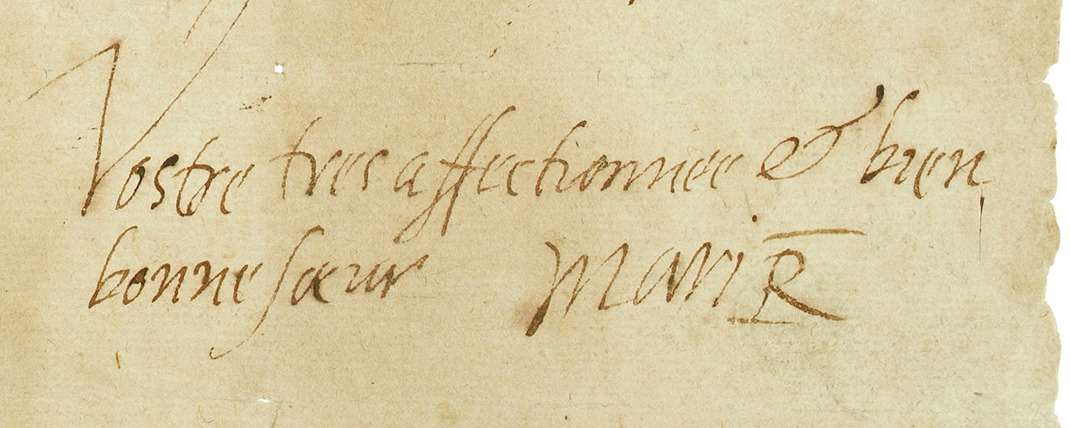
A close-up of the signature on Mary, Queen of Scots’ last letter. Photo: National Library of Scotland.
The letter will be on display at Perth Museum from 23 January until 26 April. The letter will form the centrepiece of an exhibition and events programme bringing Mary’s story and connections to Perthshire to life. Some 500 metres away at AK Bell Library, other items from the National Library’s collections will be on display to complement the letter in an exhibition entitled The Legacy of Mary, Queen of Scots. This display will feature Robert Burns’ poem Lament of Mary, Queen of Scots, On the Approach of Spring written in Burns’ own hand, and early manuscripts from Liz Lochhead’s iconic play Mary Queen of Scots Got Her Head Chopped Off.
Mary’s story continues to resonate
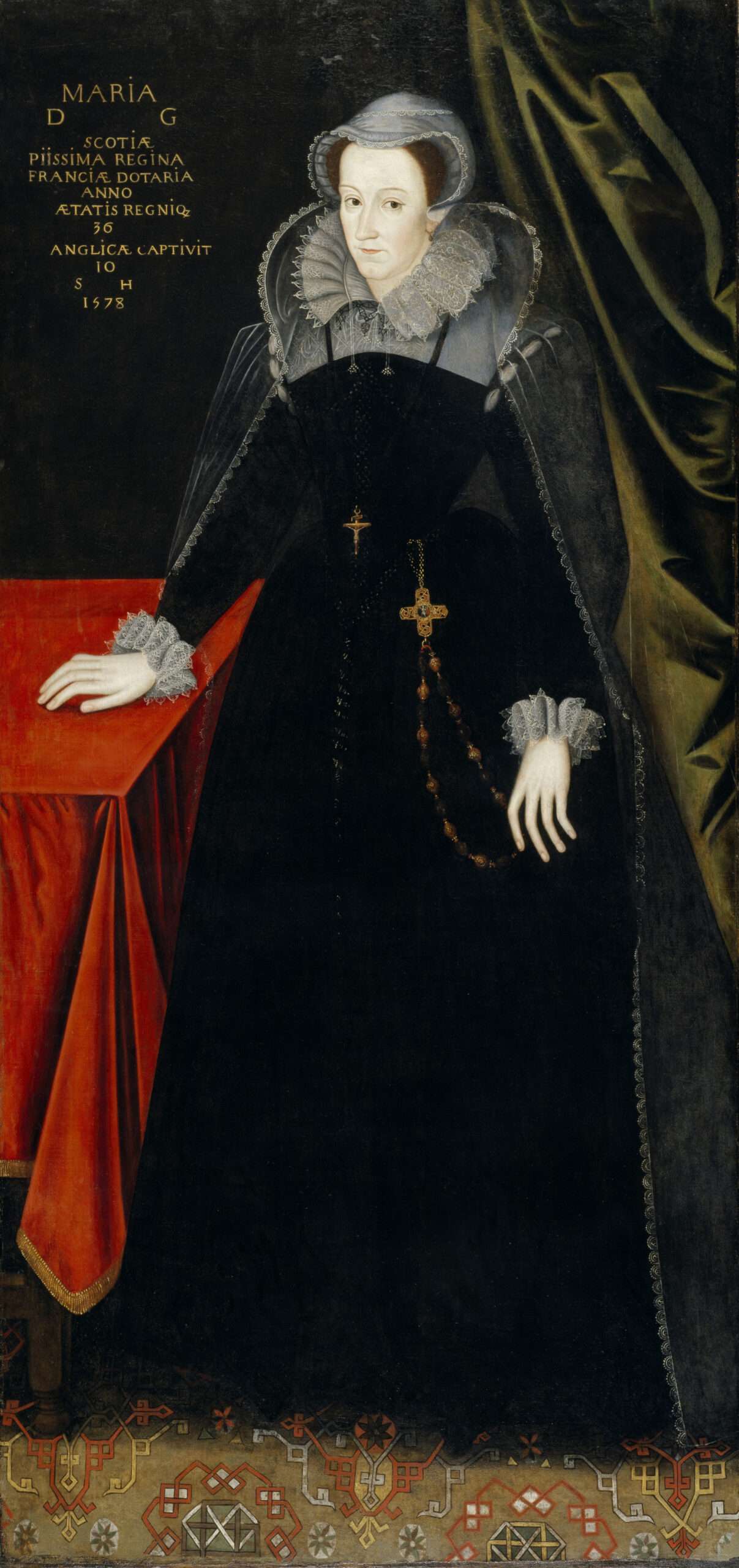
Portrait of Mary, Queen of Scots (1542–1587). Reigned 1542 – 1567. Unknown artist. Oil on canvas, painted c.1610–1615. Courtesy of the National Galleries of Scotland. Purchased 1925.
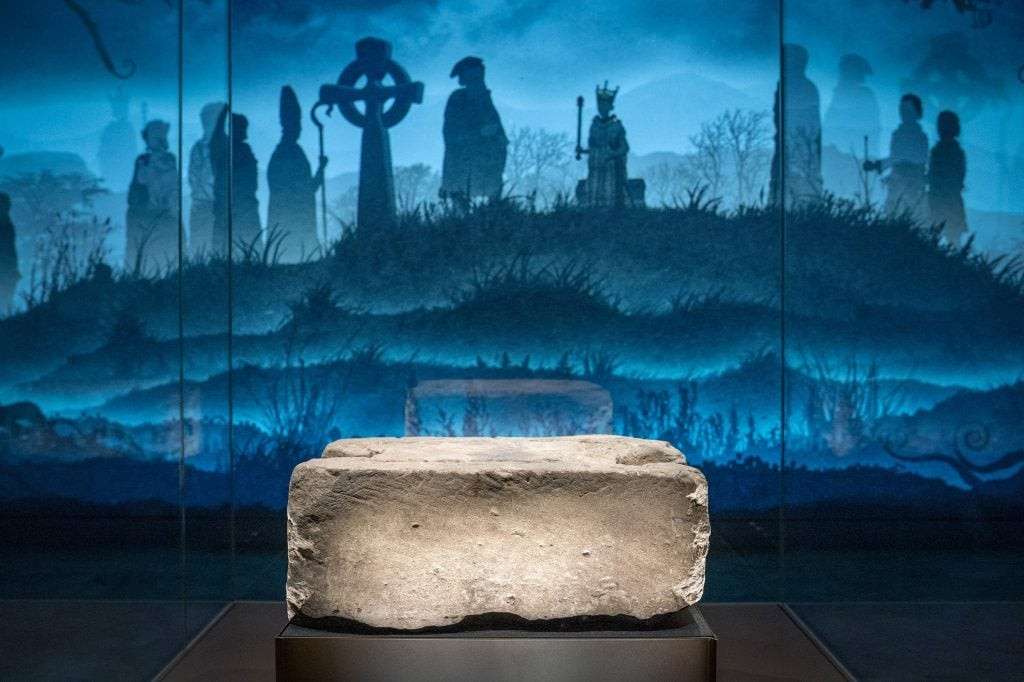
Ashleigh Hibbins, Head of Audiences and Learning at Culture Perth and Kinross, said: “We are so proud to welcome Mary, Queen of Scots’ last letter to Perth Museum, the first time this precious piece of history has travelled north of Edinburgh in the modern era. Perth and Kinross is at the heart of Mary’s story, particularly her imprisonment, abdication, and dramatic escape from Lochleven Castle. Mary’s poignant last words will be displayed within a wider immersive exhibition, directly above the Stone of Destiny and objects from the reigns of her son and grandson, so we really do view this as a homecoming. Mary’s story continues to resonate with people, which is why we are also delighted to be able to share a companion display of original material from Robert Burns and Liz Lochhead at AK Bell Library, two equally iconic Scots who were inspired by the doomed queen. It’s an honour that the National Library has entrusted us to display these cherished objects as part of the OUTWITH programme, which will be such a boost for our local communities.”
Cabinet Secretary for Constitution, External Affairs and Culture, Angus Robertson, said: “Mary, Queen of Scots is one of the most well-known figures in Scottish history. Her last letter, penned just hours before her execution, is a priceless record from somebody who lived over 400 years ago and we owe an immense debt of gratitude to all those who have preserved it from her hand to the care of our national library. Scotland’s history belongs to all of us, so I am delighted that it is going on display in Perth, as part of the library’s centenary celebrations. Due to its age this letter is rarely on display, so I would strongly encourage people across Scotland and beyond to make the most of this opportunity, before it goes back into storage for safekeeping.”
The Last Letter of Mary, Queen of Scots will be on display from Friday 23 January until Sunday 26 April 2026 at Perth Museum. To find out more about the exhibition and events visit: www.perthmuseum.co.uk/mary. The Legacy of Mary, Queen of Scots display will be held at AK Bell Library, Perth from Friday 23 January until Saturday 25 April 2026. Access to both exhibitions is free.
Support the Scottish Banner! To donate to assist with production of our publication and website visit: The Scottish Banner
Scotland is set to shine in 2026 with a captivating lineup of new attractions, world-class events, and soul-stirring experiences. From walking in the footsteps of Outlander’s final season to witnessing the long-awaited opening of the Inverness Castle Experience, visitors will find Scotland bigger, bolder, and more cinematic than ever.
The unveiling of the magnificent Paisley Museum will further elevate the country’s cultural landscape, celebrating a globally renowned design legacy in a striking new setting. On Lewis, the reimagined Calanais Standing Stones Visitor Centre will immerse visitors in ancient wonder, while Glasgow buzzes with the energy of the Commonwealth Games. Each corner of the country offers a new way to connect with history, imagination, and community.
Scotland in 2026
Blending heritage with contemporary trends, Scotland embraces everything from noctourism in Galloway’s brand-new dark sky observatory to learning about Scotland’s fascinating history. Whether seeking adventure or a mindful escape, travellers will find experiences that nourish the senses and ignite inspiration. Scotland in 2026 promises to be a year where every moment feels made for the soul, discover the latest trends and experiences on offer for visitors below:
Paisley Museum, Paisley, late 2026-Preserving Paisley’s remarkable legacy, the Paisley Museum will reopen in 2026 as a world-class visitor attraction at the heart of the town. Home to over 350,000 objects, including the globally unrivalled collection of 1,200 Paisley shawls, studio ceramics, and astronomical instruments, the museum celebrates the town’s rich heritage. As part of its transformation, the museum will share Paisley’s world-changing stories with new audiences, revitalise the High Street, and become a vibrant community hub for learning, creativity, and connection. Look out for even more exciting news from the museum which will be revealed in the coming months! For those keen to uncover Paisley’s charm check out Paisley Tours, which opened five months ago and take visitors on a journey through the town’s historic streets, revealing its stunning architecture, legendary shawl-making heritage, and hidden cultural gems.
The Inverness Castle Experience, Inverness, now open.
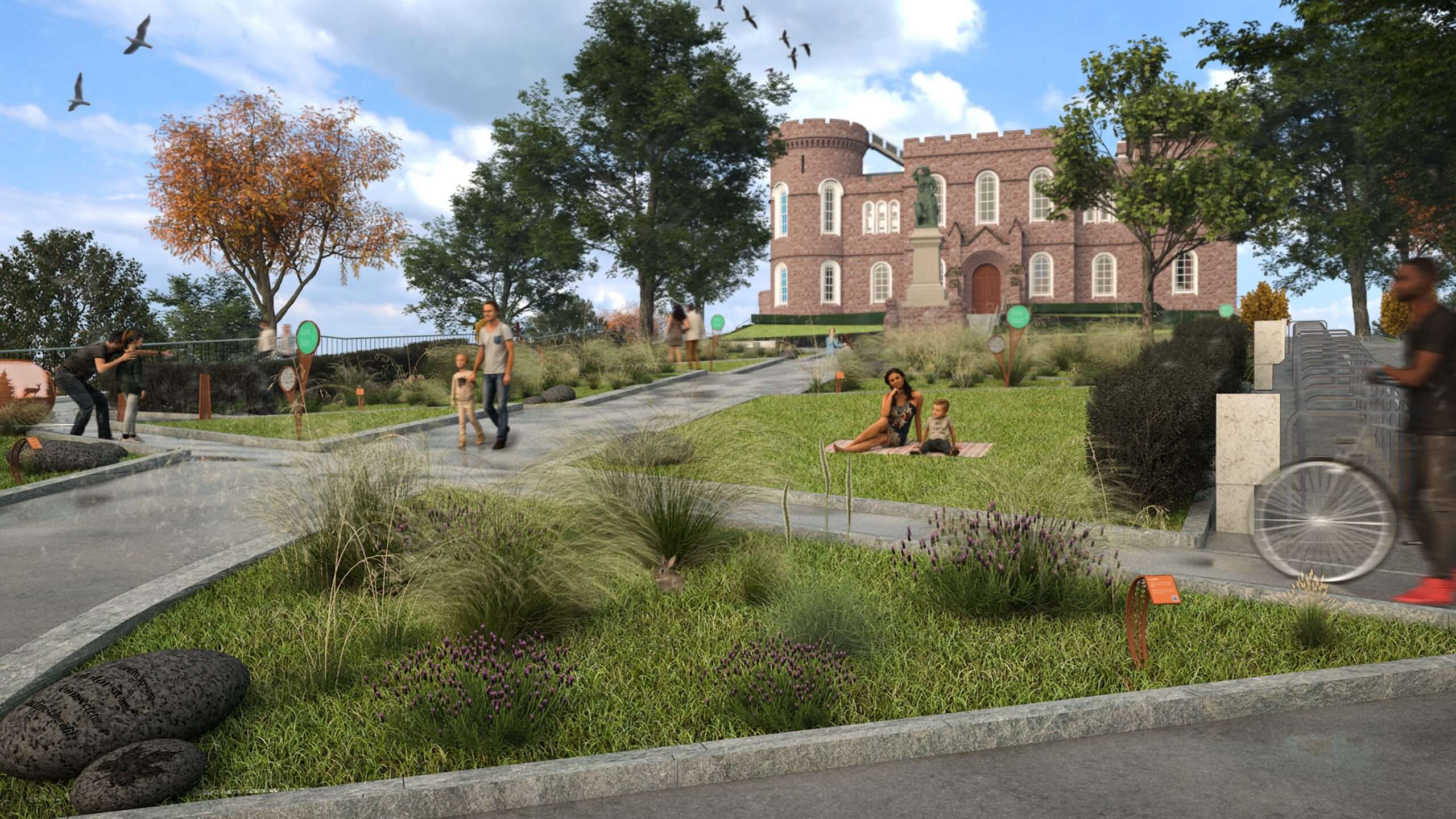
The Inverness Castle Experience, Inverness, now open- The Inverness Castle Experience transforms the city’s iconic castle into a must-see cultural destination. Once home to courts and a prison, the castle and its esplanade gardens are being reimagined through the rich landscapes, heritage, culture, and people of the Highlands. Visitors will follow the voices of the seanchaidh (storyteller) through the South Tower Experience, discovering stories in every room. The ticket also includes access to contemporary exhibits in the North Tower – Cèilidh Rooms and the North Tower Gallery. The castle has now open for a winter preview, with a full opening coming in 2026.
Royal Botanic Garden Edinburgh Palm House, Edinburgh, 2026-After four years of careful conservation, the Royal Botanic Garden Edinburgh is entering an exciting new chapter as its historic Palm Houses reopen. Now transformed into a cathedral-like temperate space, the beautifully restored 19th-century glasshouses will welcome back nearly 600 extraordinary plants, from delicate begonias to towering palms and lush ferns, each meticulously nurtured during the restoration. This highly anticipated redevelopment significantly elevates the experience, making it a must-see for both visitors and locals keen to explore the Garden’s new offering. Guests will embark on a captivating journey, uncovering the stories behind each specimen, enjoying stunning films, and exploring the collection through guided multimedia tours.
Abbot House, Dunfermline, date TBC-Discover Dunfermline’s rich medieval heritage with the exciting addition of a new visitor centre planned for Abbot House. Known fondly as the ‘pink hoose’ by locals due to its distinctive pink colour, Abbot House is located within Dunfermline’s Heritage Quarter next to the Dunfermline Abbey and the Dunfermline Carnegie Library & Galleries. Once the project is complete, the visitor centre will feature immersive themed rooms, rare historical artefacts, and innovative digital storytelling to make history accessible and engaging for everyone. From sensory experiences to online resources, Abbot House promises a unique journey through the city’s past that’s perfect for history lovers and curious explorers alike.
Tomb of the Eagles, South Ronaldsay, April 2026-After a five-year absence, the legendary Tomb of the Eagles returns in 2026 ready to welcome visitors once more. A cornerstone of Orkney’s Neolithic heritage and a must-see attraction in South Ronaldsay, the site will feature a brand-new viewing platform, refurbished visitor centre, enhanced interpretation, and guided walks that bring its fascinating history to life. Perched high above the dramatic cliffs of South Ronaldsay, the Isbister Chambered Cairn -better known as the Tomb of the Eagles- is one of Orkney’s most captivating archaeological treasures. Discovered by local farmer Ronnie Simison in the 1950s, this remarkable Stone Age tomb revealed an extraordinary collection of human and animal bones, placed here some 5,000 years ago. Visitors can step back in time by entering the tomb itself via a 3-metre passageway. Whether one chooses to crawl or hop aboard the ingenious trolley, exploring the chamber beneath its skylit roof is a unique experience.
Scottish Dark Sky Observatory, Dumfries & Galloway, late 2026-The Scottish Dark Sky Observatory will reopen on the banks of the Clatteringshaws Loch in Galloway Forest Park in late 2026. The site, within a “gold tier” dark sky park, has been selected for the exceptional quality of its dark night skies. The £1.5m development will comprise of two observing domes, each with a large telescope, and a 360-degree planetarium offering immersive educational shows and night sky simulations. The site will also offer educational spaces, an exhibition area, gift shop and cafe for visitors with a love of the night sky.
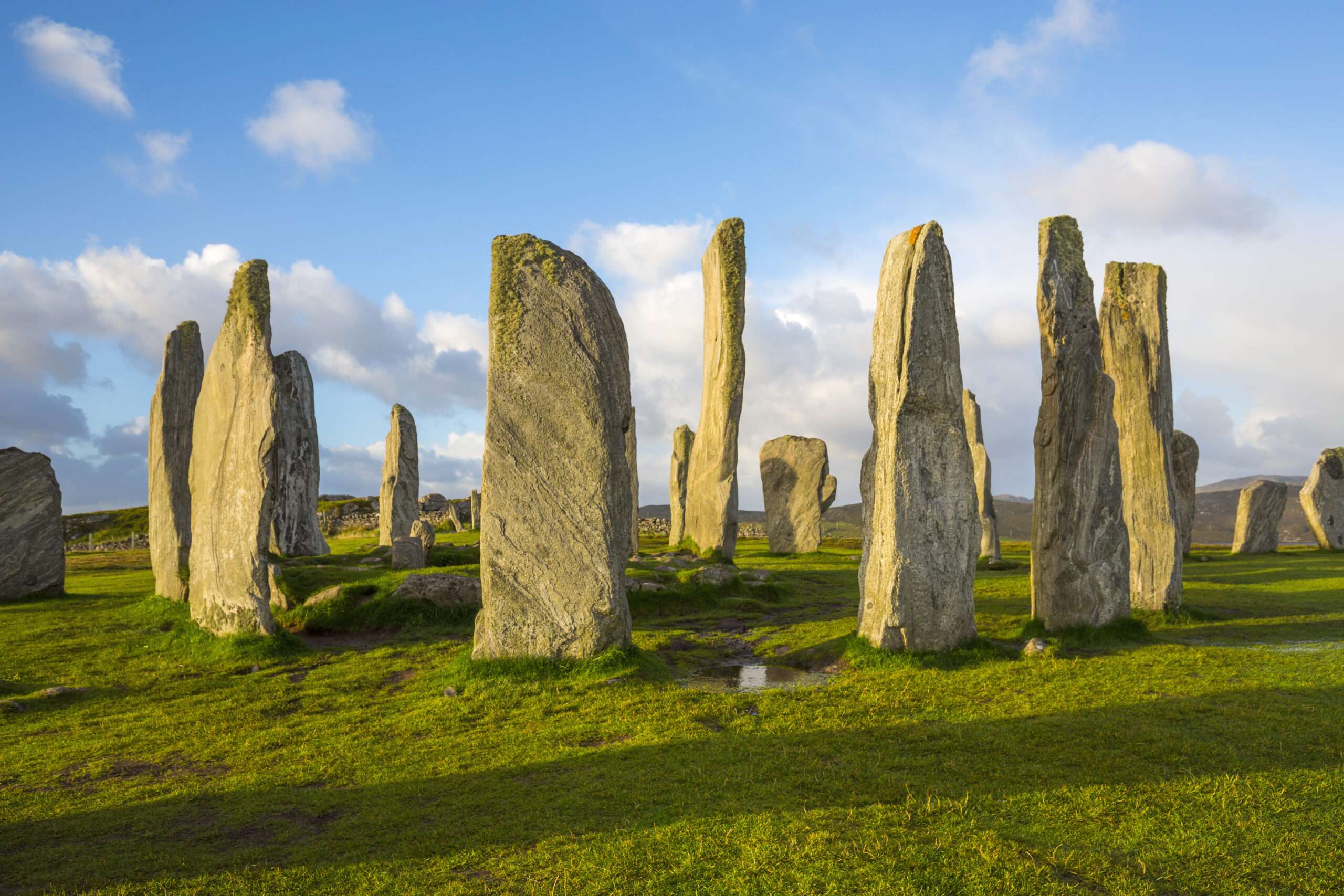
The Callanish Standing Stones On The Isle Of Lewis.
Calanais Standing Stones Visitor Centre, Isle of Lewis, spring 2026-The Standing Stones of Calanais are a renowned Neolithic monument known for evoking a powerful, mysterious, and atmospheric feeling in visitors. While their original purpose remains largely a mystery, people report a range of personal and spiritual effects from visiting them. Now, a major new chapter is beginning for the site itself. The Calanais Visitor Centre on the Isle of Lewis is undergoing a stunning transformation, reopening in spring 2026. This £10.1 million redevelopment will create a state-of-the-art hub that brings the iconic Calanais Standing Stones and their dramatic landscape to life like never before. Visitors can look forward to enhanced exhibitions, a welcoming café, a vibrant shop, and improved accessibility, all designed to celebrate local heritage and culture in fresh, inspiring ways.
Saxavord Spaceport Visitor Centre, Unst, Shetland, now open-As we await the UK’s first vertical rocket launch from the island of Unst, Saxavord Spaceport has recently opened their new visitor room titled “The Place for Space.” It features a mix of interpretive boards, video content, a kids’ corner themed around their education mascot Fredo and his resources, and an interactive activity where visitors can design their own launch site.
Macduff Marine Aquarium, Macduff, Aberdeenshire, spring 2026-Reopening spring 2026, visitors will have plenty to see and do at the new-look aquarium after a multi-million pound extension and redevelopment. Enjoy a habitat trail showcasing the diversity of the Moray Firth alongside new displays and fresh interpretation. Learn about the lifecycle of lobsters at a new Lobster Hatchery and get hands on in the new learning room, before enjoying a break in the upper floor café/restaurant with fabulous views over the Moray Firth.
Raise a glass to Scotland
Did you know Scotland has over 150 whisky distilleries, making it the greatest concentration of whisky production in the world. In addition, the country packs in nearly 100 gin distilleries and Scotland produces 70% of the UK’s gin. You can find distilleries spread across the country and new for 2026 why not consider some of the following:
Isle of Barra Distillery, Isle of Barra, October 2026-This £12 million development transforms this Outer Hebridean icon into a full-scale whisky distillery, visitor centre, café, and retail space. Alongside the thrill of arriving on the Isle of Barra via its world-famous beach runway (one of the most unique airport approaches in the world!), visitors can explore a distillery that celebrates Scotland’s unique coastal flavours with sustainably sourced seaweed botanicals and honey vodka, offering a taste of the island’s heritage.
Galloway Distillery, Dumfries & Galloway, now open-Sam Heughan, actor, philanthropist and owner of The Sassenach Spirits, has announced the launch of his new distillery in his hometown of Galloway. Sam and the distillery team will significantly develop and expand the visitor offering over the coming 12 – 14 months, so that it becomes a signature attraction and an ultimate destination for the South of Scotland.
Eden Mill Distillery, Fife, now open-Just outside St Andrews on the banks of the Eden Estuary, Eden Mill unveiled its new state-of-the-art distillery and visitor centre on 11 October 2025. Fully operational for gin and single malt whisky, the site offers guided tours, immersive tasting experiences, a top-floor cocktail bar with panoramic estuary views called “The Lookout”, and a golf simulator. Built sustainably with 100% renewable electricity, Eden Mill blends traditional flavours with modern, low-carbon design.
Glencadam Distillery, Angus, now open-Glencadam Distillery has unveiled a brand-new visitor centre in Brechin to celebrate 200 years of whisky making heritage. Newly opened on 15 November 2025, visitors can enjoy guided tours, tutored tastings and an interactive exhibition, tracing Glencadam’s journey from its 1825 origins to its place among Scotland’s most celebrated single malts today.
Stornoway Distillers Co., Isle of Lewis, now open-Stornoway Distillers Co. have opened a gin distillery right in the heart of Lewis. Visitors can enjoy tastings and even distil their own gin using local Hebridean botanicals. A spirited way to connect with the island’s natural elements.
Scotland on screen
Outlander Season 8. Photo: Starz.
Scotland is stepping into the spotlight like never before, as the silver screen continues to shape travel dreams in 2026. From the sweeping Highlands immortalised in Outlander’s final season, to the gothic allure of Frankenstein, and the intrigue of hit series like The Traitors, Scotland’s landscapes and landmarks continue to be global stars. VisitScotland recently published an insight report revealing that the cultural and economic impact of Outlander remains strong across Scotland.
According to this research, around one in five visitors to Scotland say that film, TV or literature inspired their decision to travel, with the figure rising to over a third among European and long-haul visitors. The enduring impact of the hit television series Outlander has driven dramatic visitor growth at many locations featured in the show, making it a prime example of how storytelling can power regional tourism and year-round interest.
Scotland’s starring roles in 2026
*NEW, Outlander Season 8 (Final Season), 6 March 2026, Starz-As the beloved saga of Outlander heads into its much-anticipated final chapter with Season 8, viewers will be transported back to the rugged heart of Fraser’s Ridge. With new arrivals, hidden betrayals and the question of what the Frasers will sacrifice to stay together, this season promises a sweeping, emotionally resonant finale. A date to note: the epic closing chapter premieres 6 March 2026 on Starz; The series is set to premiere in the UK on 7 March 2026 on MGM+.
*NEW, The Odyssey, July 2026-Scotland’s cinematic pull reaches new heights in 2026 with Odyssey, Christopher Nolan’s epic reimagining of Homer’s classic tale, set for release in July 2026. With a star-studded cast – including Tom Holland, Matt Damon, and Anne Hathaway – bringing the myth to life, the production has transformed parts of coastal Moray into striking backdrops for Odysseus’s perilous journey.
*NEW, Spiderman: Brand New Day, 31 July 2026-Get ready for the blockbuster spectacle of 2026: Spider Man: Brand New Day swings into cinemas on 31 July 2026, and it boasts a major Scottish twist. Filmed on the streets of Glasgow, with city-centre locales such as Merchant City, George Square and Trongate standing in for New York’s high-octane action zones, the film showcases Glasgow’s dramatic urban landscape in full superhero mode.
Available now, Frankenstein, Netflix-Dive into the gothic grandeur of Frankenstein, where sweeping Scottish landscapes and historic streets become characters in their own right. Released on Netflix in early November, discover Scotland’s cinematic secrets and explore the places where legend and film collide.
Scotland 2026: A year of culture, creativity, and celebration
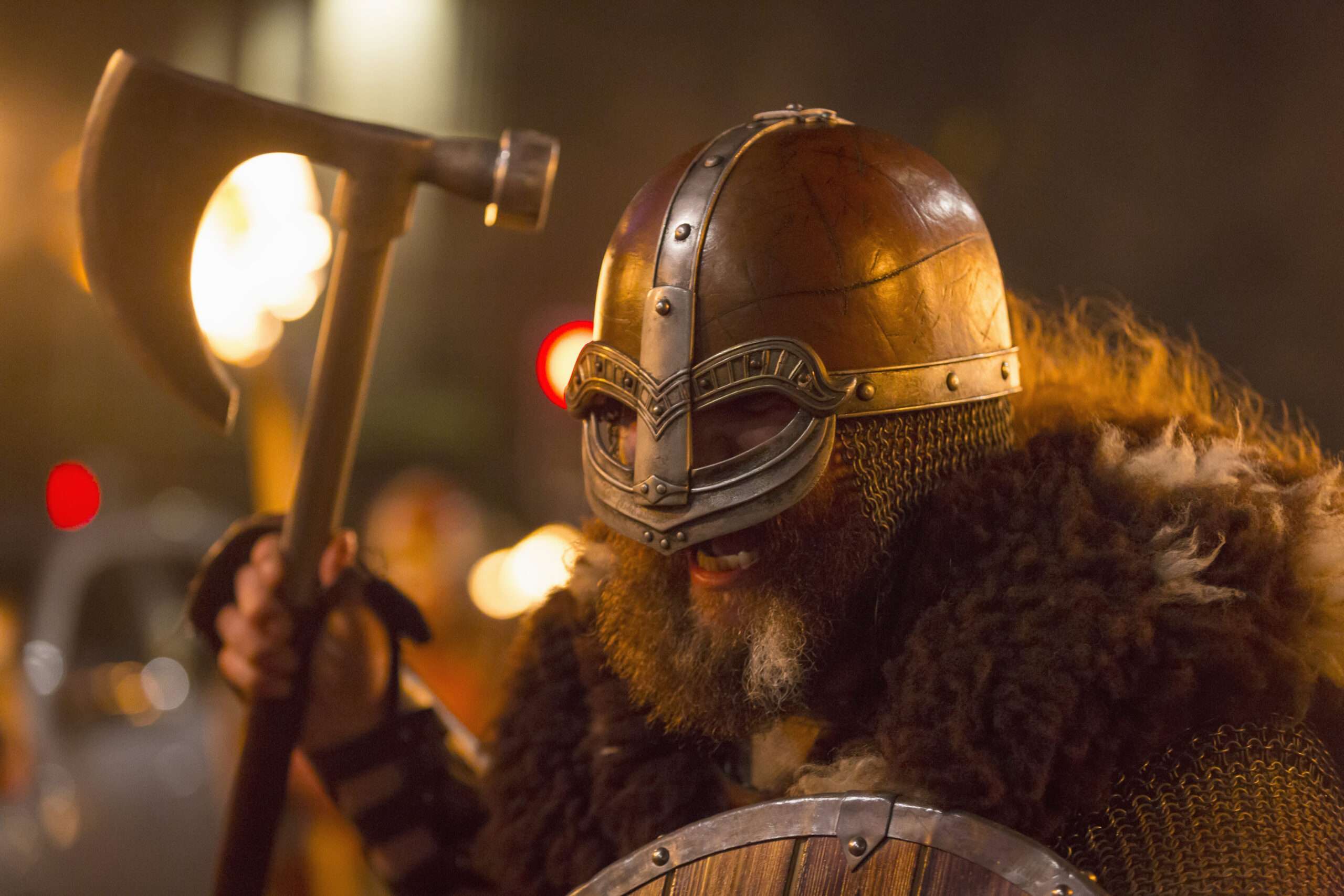
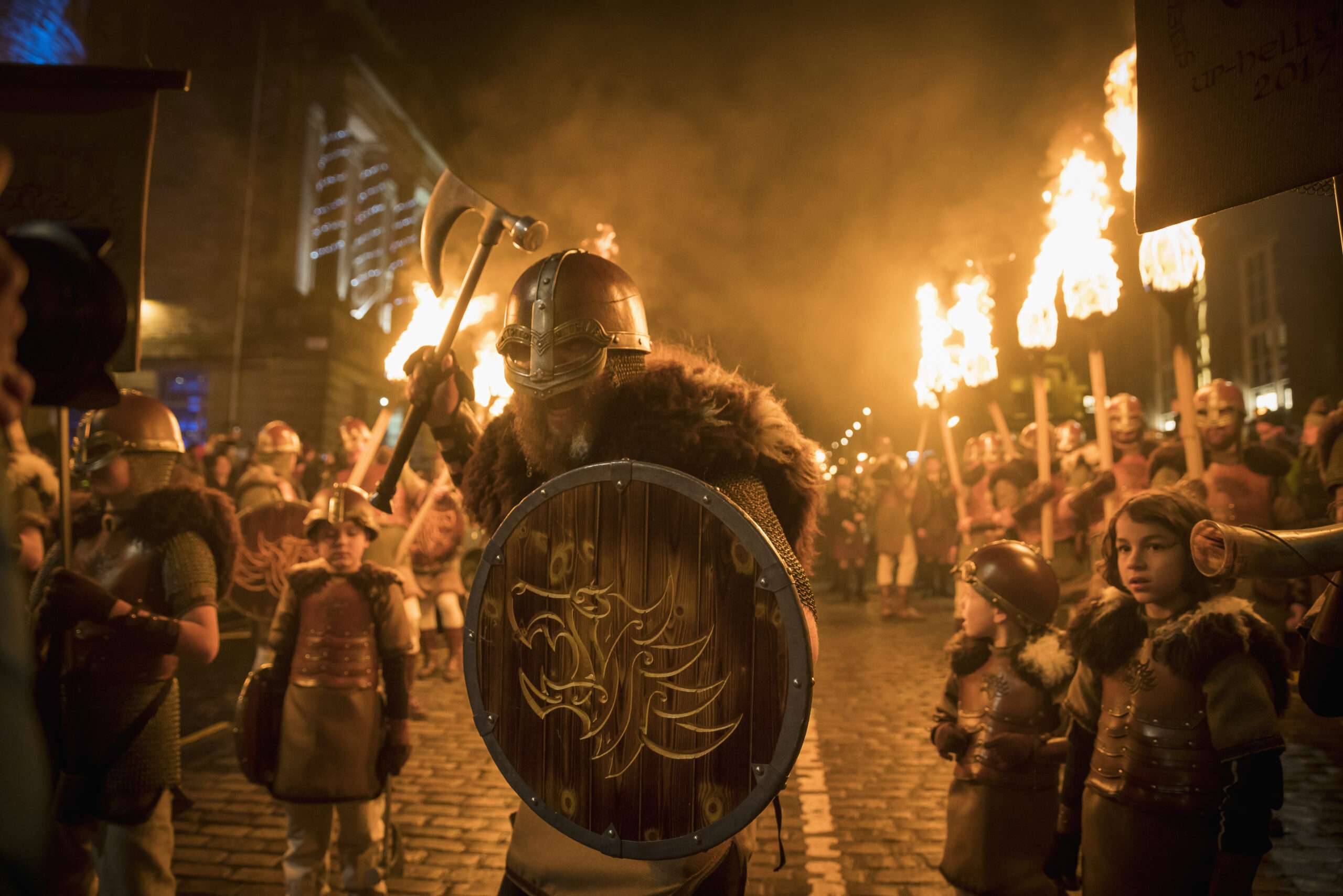
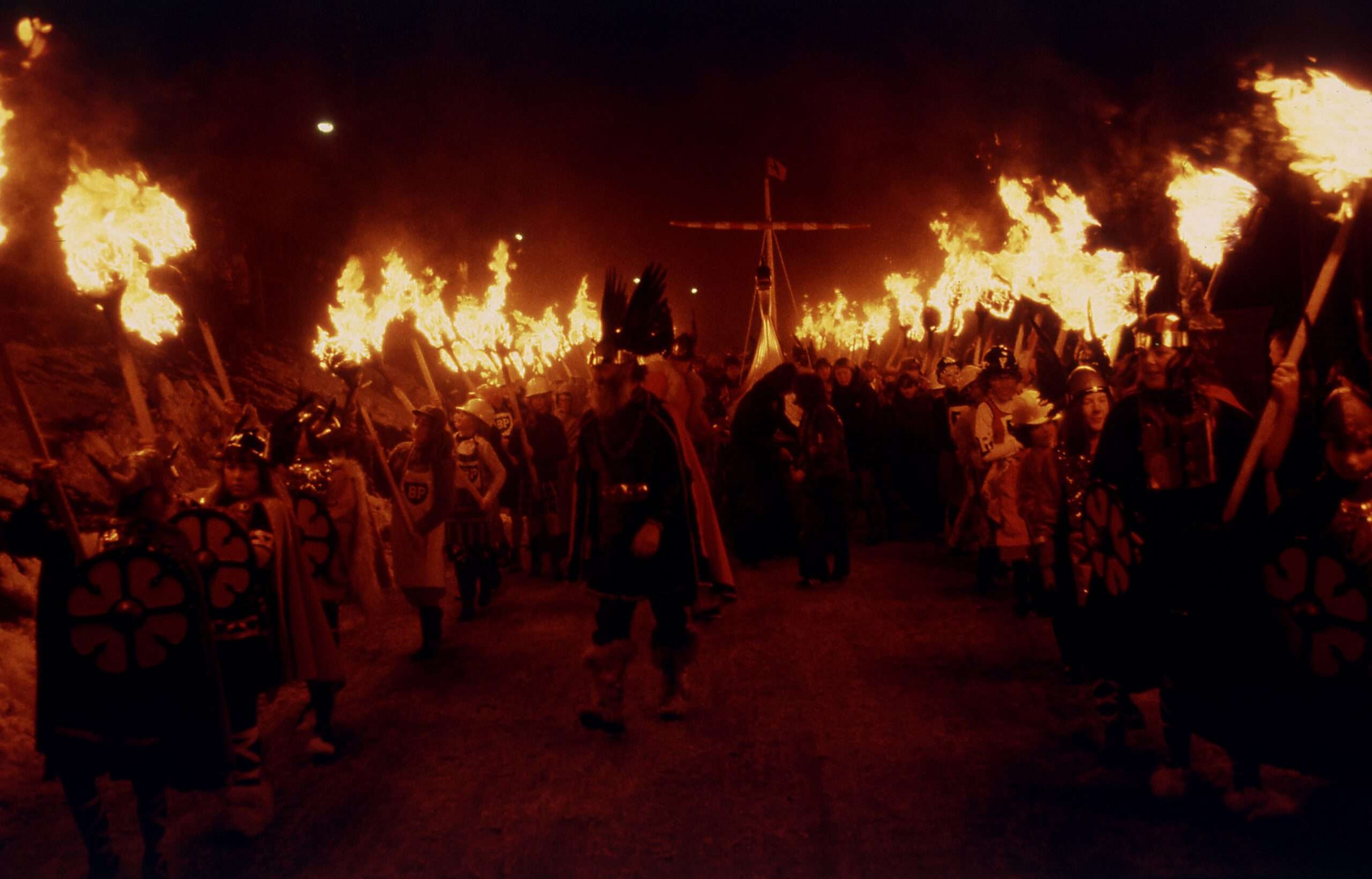
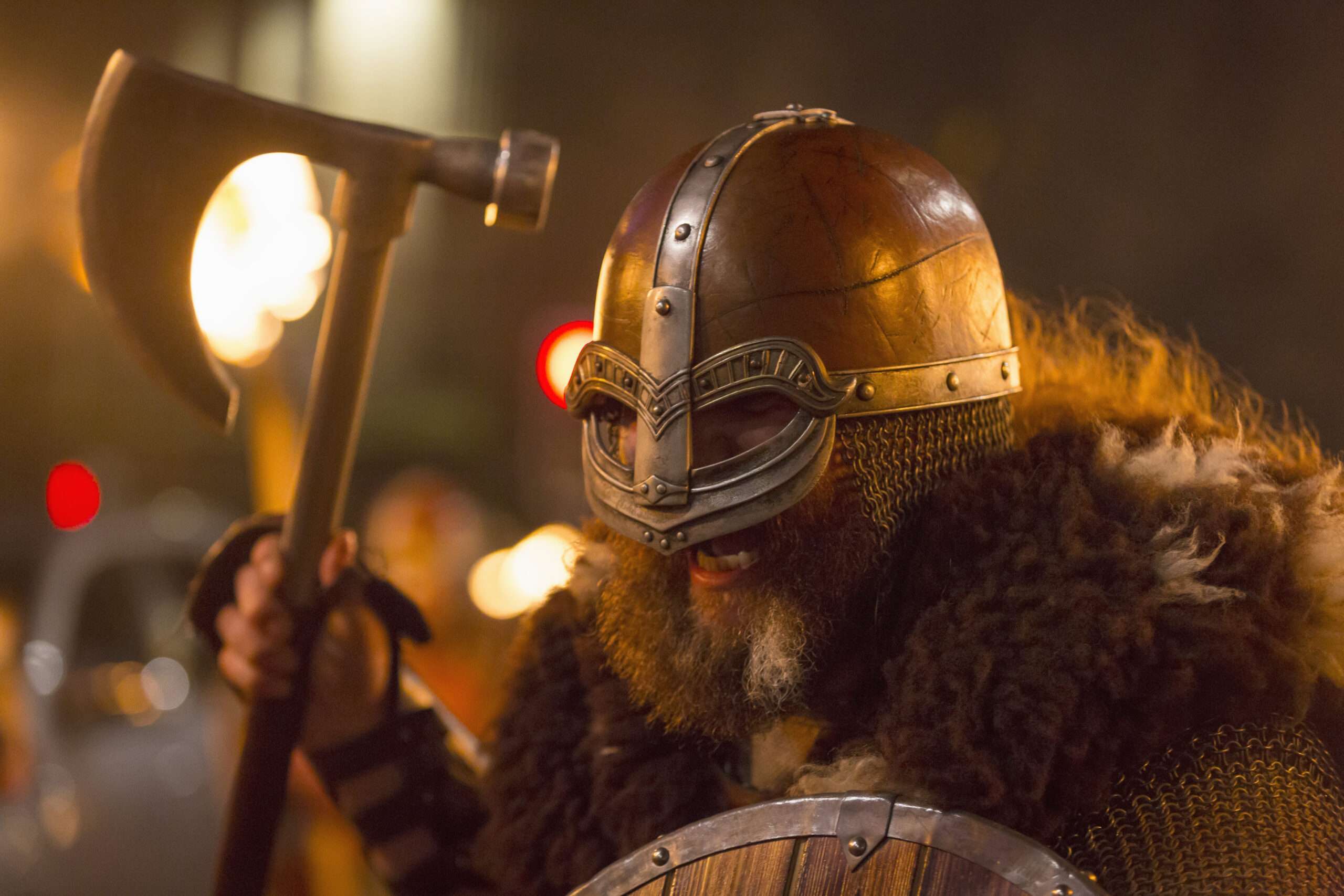
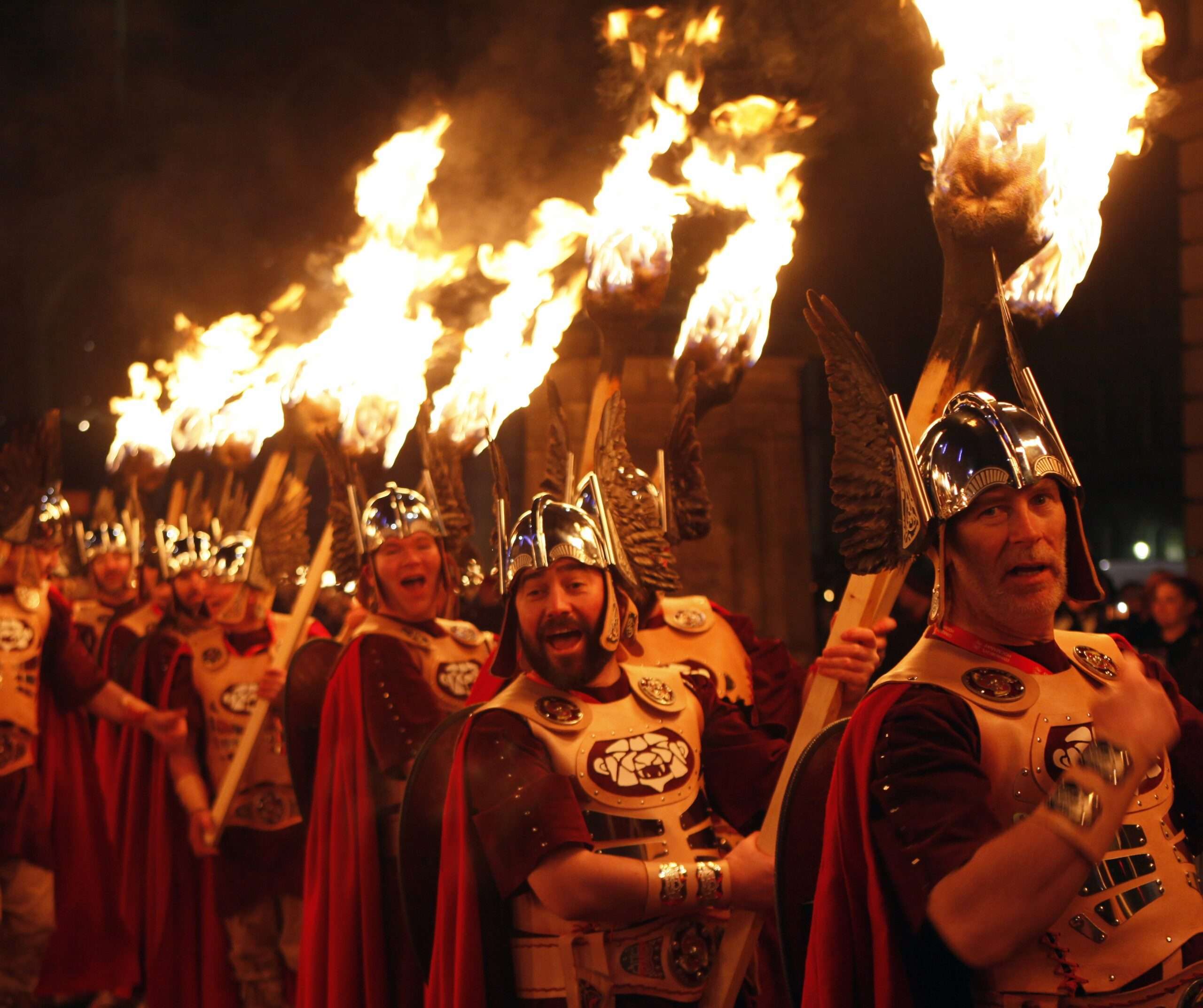
Up Helly Aa Vikings. Photo: VisitScotland.
From world-class art and design to music, comedy, cinema, and centuries-old traditions, Scotland in 2026 promises a year brimming with energy, imagination, and inspiration. Across cities, islands, and countryside, visitors will discover bold new festivals, major anniversaries, and one-of-a-kind experiences that celebrate the nation’s creativity, community, and cultural heritage.
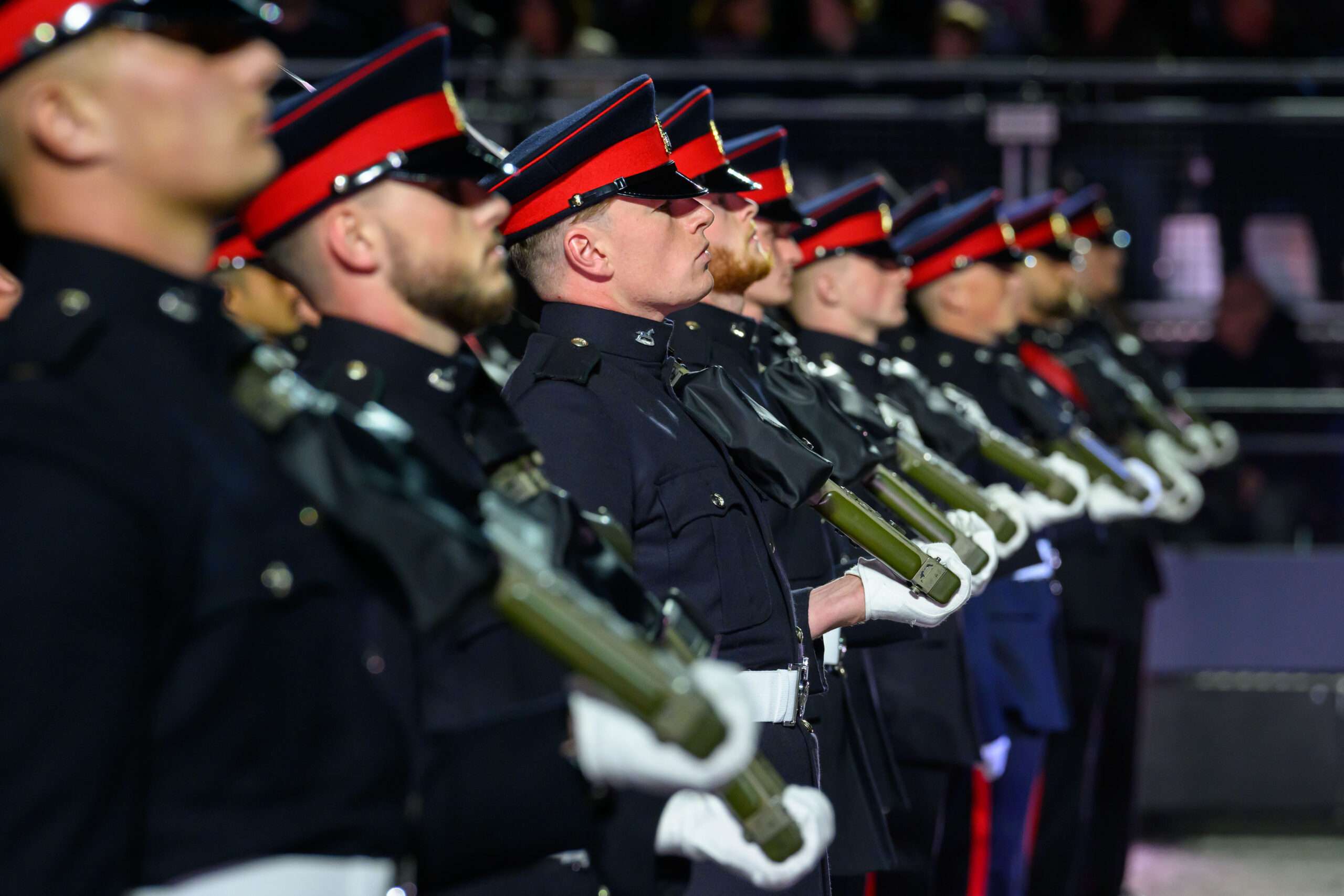
Whether drawn by the fiery glow of Up Helly Aa, the active Commonwealth Games in Glasgow or the tradition of Highland Games, 2026 will showcase Scotland at its most dynamic and diverse. A place where every visitor will find something to be inspired by, whether through sport, visual arts, or Scotland’s many cultural traditions. The Commonwealth Games 2026 takes place in Glasgow, 23 July – 2 August 2026, with 3000 athletes, 11 days and 10 sports. Glasgow welcomes athletes and fans from across the Commonwealth for a spectacular celebration of sport, unity, and culture in one of Europe’s most vibrant cities. In 2026, The Royal Edinburgh Military Tattoo invites audiences to unite at the Edinburgh Castle Esplanade for an unforgettable evening of spectacle, storytelling, and celebration. A Call to Gather will run from 7 – 29 August.
A large number of events and festivals will again fill the calendar across Scotland, hopefully you too can experince Scotland in 2026.
The Irvings of Bonshaw have a deep-rooted history with its line of Clan Chiefs dating back to 1506 in unbroken succession. Further research has indicated there are records going back to the 1120s and this work continues. As a Clan we are fortunate to have The Book Of The Irvings &c that was put together by Colonel J.B. Irving, in 1907, a remarkable achievement given this was done without computers and modern technology.
I am led to understand there is a Location Index for originals at Bonshaw Tower with books located worldwide: The House of Commons Library in the UK, Australia, New Zealand and in the United States of America including the Library of Congress, Washington DC.
With that history and family connection to it, we felt it would be a good idea to have the book cross-referenced and checked for validity by professional ASGRA researchers and what we found is quite surprising. The Book itself is 98% correct with a couple of anomalies that were ironed out by the research.
The Clan Chiefs Irving of Bonshaw
My father was encouraged to matriculate his Arms when he retired as we discovered the last person to do so was back in the 1890s, so we decided it was time to do something about it. In 2014, the Lord Lyon King of Arms formally confirmed my father as Chief of the Name and Arms of Irving of Bonshaw a direct descendant of William Irving of Bonshaw, who was the first to be registered in the 1672 Public Register of All Arms and Bearings in Scotland, a legal record of every coat of arms registered in the country.
This was a significant moment for us as a family as it reaffirmed what we knew about our history and role within the Clan. On my father’s passing in 2021, I felt that it is important to continue with matriculation of the Arms and this was kindly approved by Lord Lyon in March 2021. To have this formal recognition carries with it a certain responsibility I believe that still has relevance in today’s digitally driven environment. The role of Clan Chief evolves over time and today there is a particular focus as the guardian or keeper of each Clan’s history, its roots and above all else its unique identity.
The Irvings & Irvines in Scotland
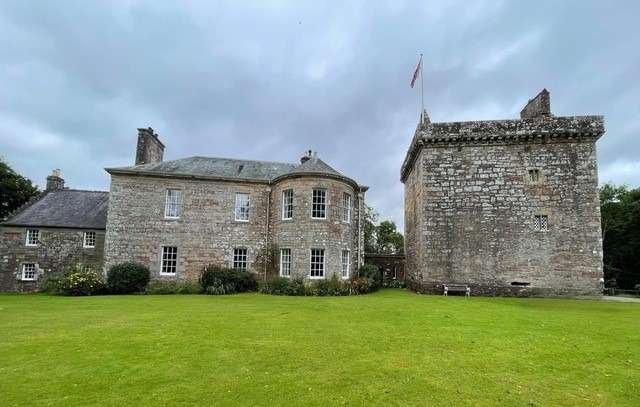
Bonshaw Tower and Manor Tower.
Within the Irvings & Irvines, we have a situation with two Chiefs being granted Arms formally recognised by the Court of the Lord Lyon. In itself this is not unique, given other clans such as Fraser, Stewart and Macleod for example.
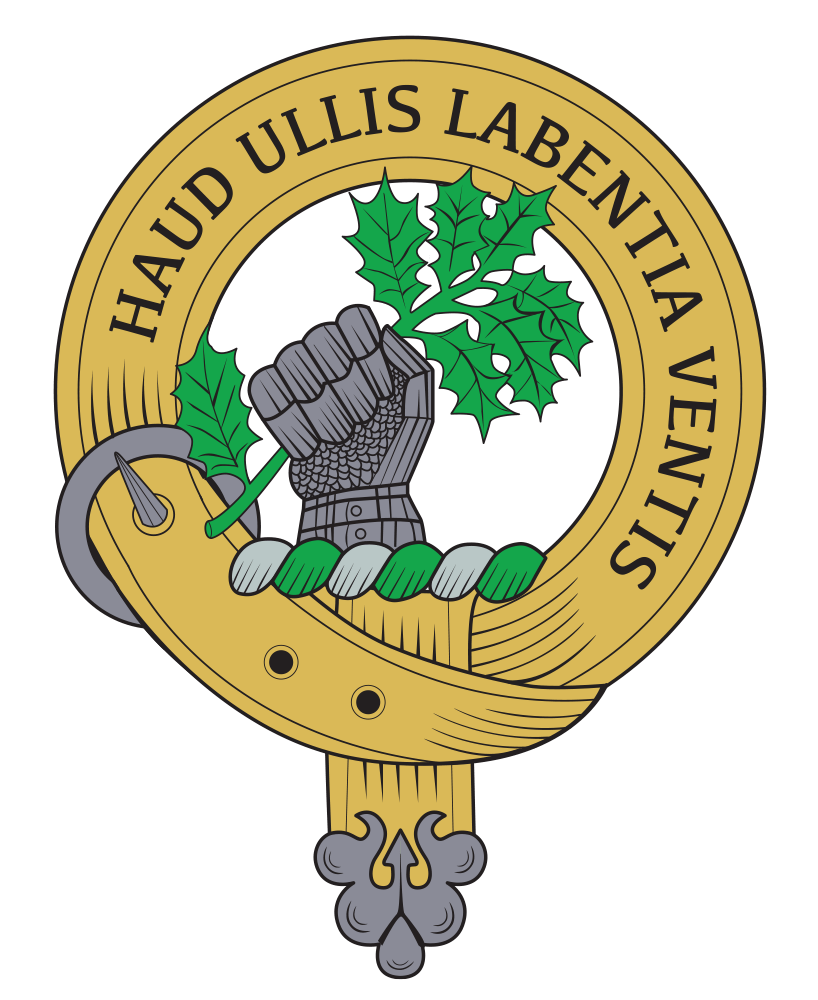
The Irvines of Drum, located in Aberdeenshire, are a Scottish Family being appointed by the monarch in 1324 to the Forest of Drum with the barony created in 1326. Their present Chief is Alexander Irvine of Drum 27th Baron. The Irvings of Bonshaw, located in Dumfries & Galloway, are a Scottish Border Reiver Clan with Gaelic origins and earliest records back to 1120s. The present Chief is Rupert Irving of Bonshaw 20th Clan Chief.
The Standing Council of Scottish Chiefs
The Standing Council of Scottish Chiefs was formed in March 1952 in Edinburgh, with the Earl of Elgin, Chief of the House of Bruce, as its founding Convener. At the annual meeting this year his grandson, Lord Charles Bruce, agreed to become the new Convener, succeeding Sir Malcolm MacGregor of MacGregor.
The council and its members not only liaise actively with their clan societies but also with umbrella groups in the US and Canada. Back home, the council also works closely with the Scottish Government both in furthering Scottish interests around the world and in raising awareness within Scotland of the vital role played by heritage tourism in the economy. Today, there are more than 135 members of the council, including the heads of almost all the major Clans and Families in Scotland. Both Rupert Irving of Bonshaw and Alexander Irvine of Drum are members of The Standing Council.
Tartan
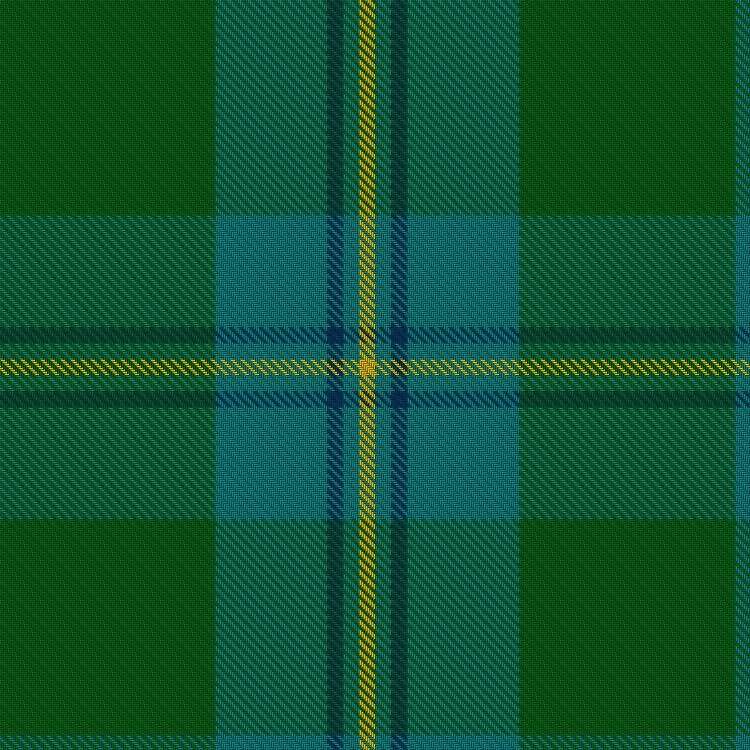
Irving of Bonshaw tartan. Image: Scottish Register of Tartans.
This was in itself a unique event that is being continued annually in Edinburgh. I have to say this great fun and there were a good number of Chiefs available to march in the parade. I was particularly impressed with the number of people in the parade itself and strong sense of community on the day. For 2026 Tartan Day, there are planned to be 2,500 participants and the Chiefs will be taking a leading role in the parade.
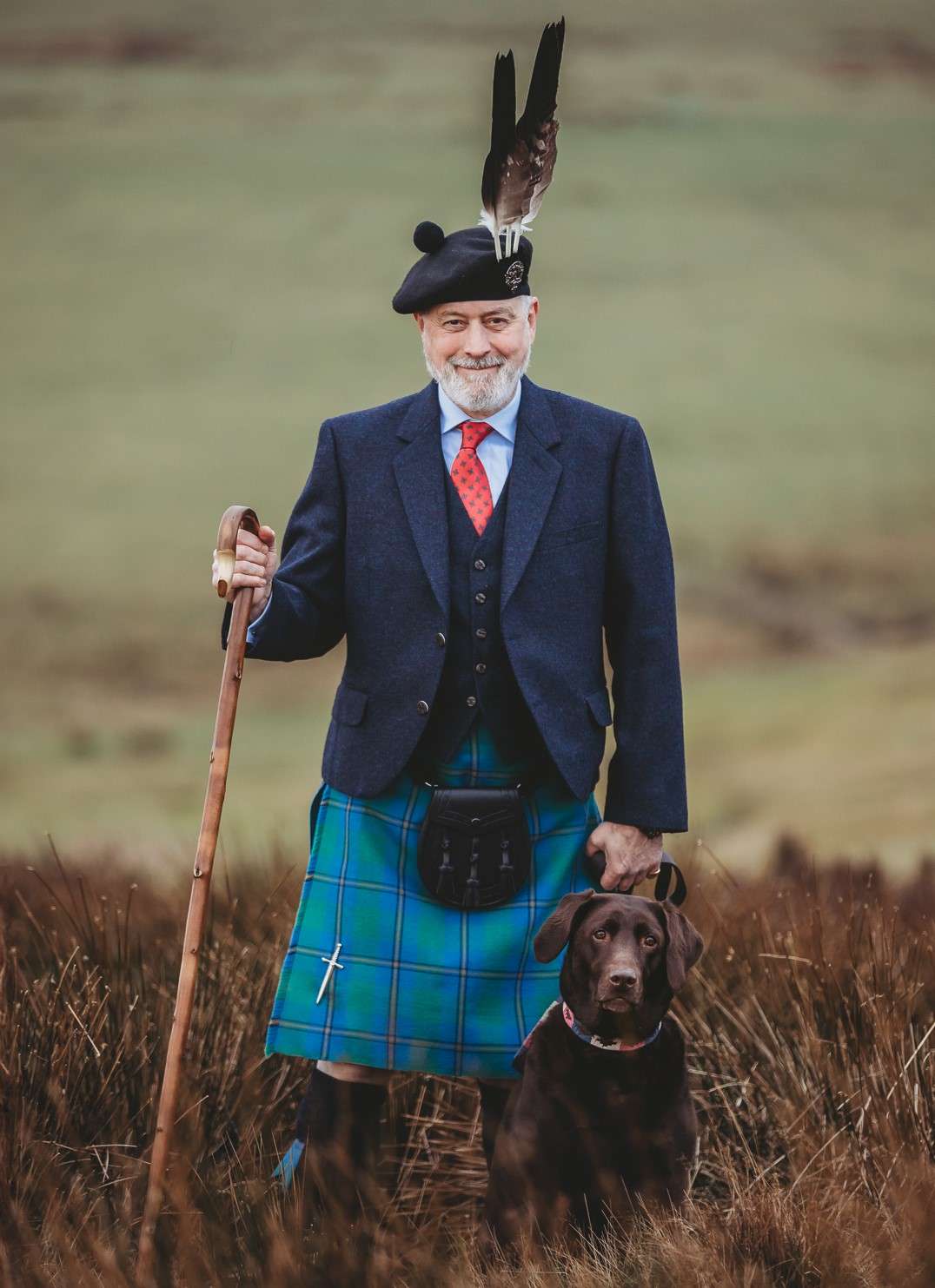
There are two Clan/Family tartans formally registered with The Scottish Register of Tartans in Edinburgh. The other Irvine and Irving tartans are formally registered as Personal only. There is the ‘Irvine’ tartan which is not affiliated with any particular Clan or Family and can be worn by Irvines & Irvings worldwide diaspora. The ‘Irving of Bonshaw’ tartan is for all those individuals and families affiliated with the Old Scots Border Clan of the Irvings & Irvines. Both are attractive tartans to wear, easy on the eye and both look just as excellent in formal or day wear, so our view is that if you like them then why not wear either or both of these tartans. I have both kilt and trews, and I do prefer wearing the kilt as this has become recognised worldwide as Scottish National dress.
Going forward
There is growing interest in Scottish heritage and family history with contact from Clan members over the years increasing in followers in recent times. The website www.clanirving.com is proving to be the primary point of contact and people’s interest is highlighted when they recognise and understand their Border Reiver heritage.
If you have any questions, the best place to start is probably to drop me a note to [email protected]. A lot of the questions I am asked are to do with research and I help as best I can to steer people in the right direction. It is genuinely a pleasure to hear from people.
By: Rupert Irving of Bonshaw, Chief of the Border Clan Irving
Support the Scottish Banner! To donate to assist with production of our publication and website visit: The Scottish Banner
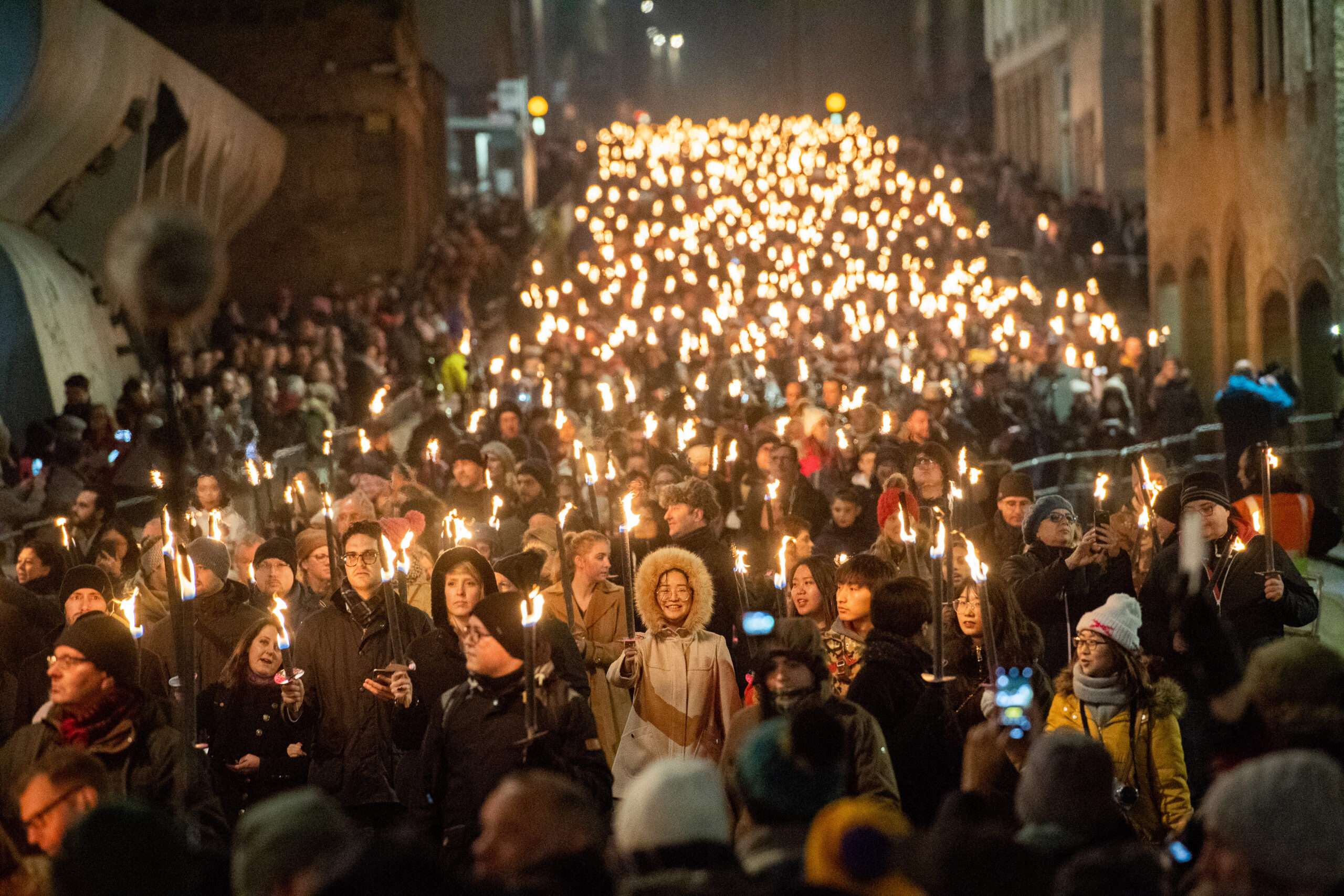
Up Helly Aa is a series of fire festivals held every winter in the Shetland Islands. January in Shetland means Vikings and one of the planet’s greatest winter fire festivals. Scotland meets Scandinavia in Shetland with this Norse enriched event which lights up the dark Shetland lights and heralds soon a closing of winters door as Elsie Maclean from Tobar an Dualchais/Kist o Riches explains.
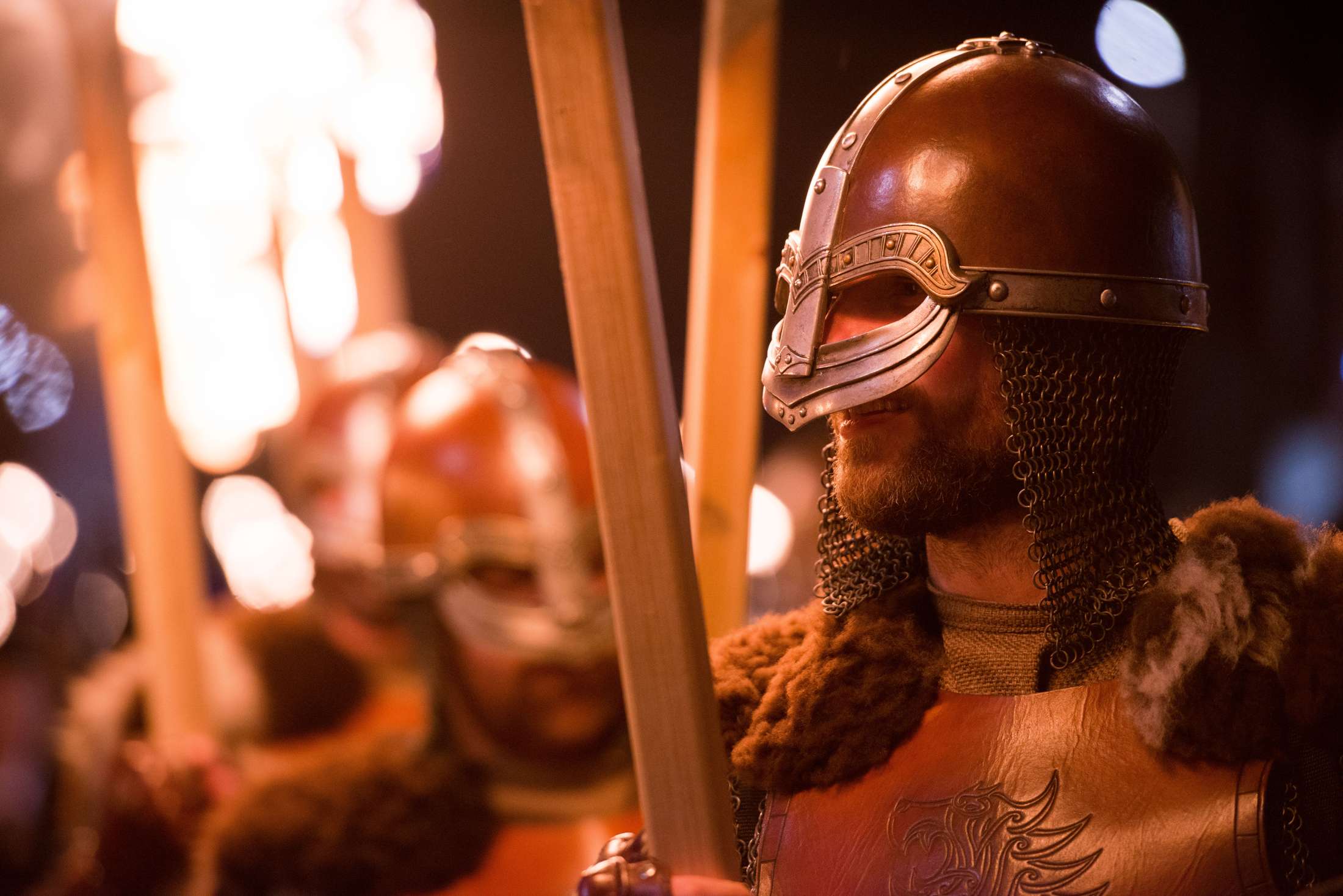
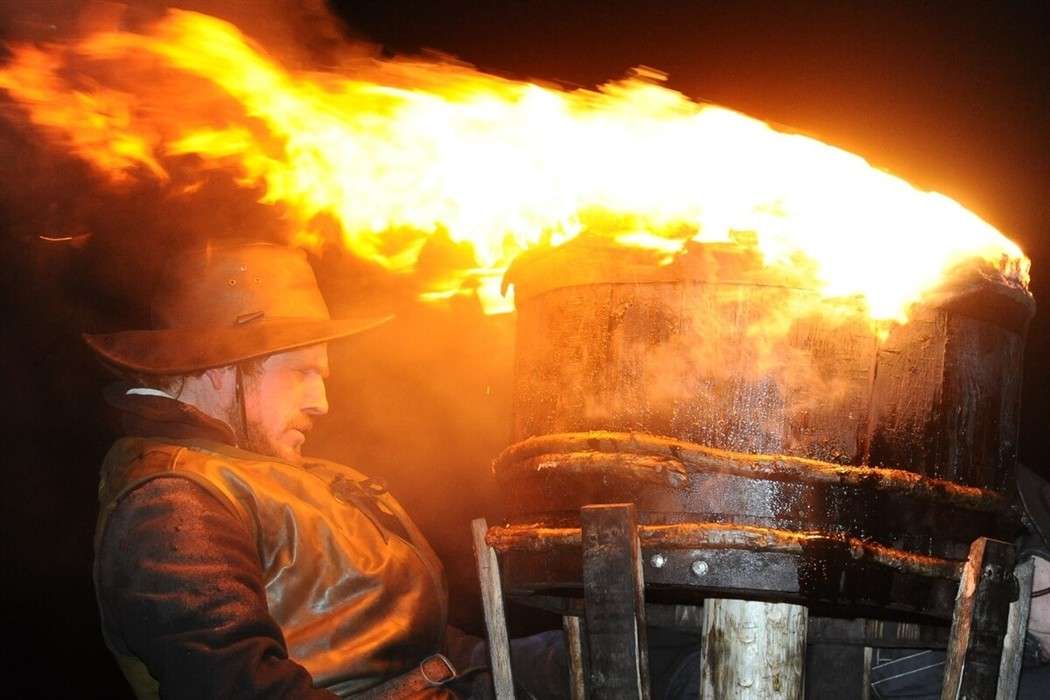
The origin of the name ‘Up Helly Aa’ is uncertain, but we think it refers to a celebration of the last day of Christmas festivities: a day of fire, feasting and fun. The festival’s roots date back to the early 1800s. Groups of young men in disguise would drag barrels of lighted tar on sledges through the streets of the islands’ capital, Lerwick. Burning tar often spilled as the men tried to navigate sledges along the narrow streets, causing damage to properties. Tar-barrelling was banned in 1874 in an attempt to stop such practices. The young men refined their activities, resulting in the first Up Helly Aa torchlight procession in 1881.
Other elements have been added to the festival over the years, becoming an integral part of the traditions celebrated today. Some of these elements incorporate Norse traditions and celebrate Shetland’s Viking heritage.
Up Helly Aas
Up Helly Aa festivals are also organised in areas outwith Lerwick. These are referred to as ‘country Up Helly Aas’. Although smaller in size than the Lerwick Up Helly Aa, they are nonetheless very impressive. For many people in Shetland, the Up Helly Aa festivals are the highlight of the year. Participating communities spend hundreds of hours planning and organising them.
On the day of an Up Helly Aa festival, squads gather together for the torchlight procession, marching through the streets while carrying wooden posts topped with paraffin-soaked sacking. Each squad is dressed in themed costumes, and they are referred to as guizers.
The central figure in the proceedings is the Guizer Jarl, the chief guizer and leader of the Jarl Squad. This squad is made up of the Jarl’s supporters and is the lead squad for the event. Each year the Jarl takes the name of a character from the Norse Sagas and there is great secrecy surrounding both the name and the costume he will don. The procession culminates in the burning of a replica Viking long-ship. The guizers gather round the vessel to sing the traditional Galley Song before throwing their torches onto it.
The Norseman’s Home
Up Helly Aa Vikings. Photo: VisitScotland.
Once it has burned, the guizers sing The Norseman’s Home before visiting local halls where each squad performs an act or skit of some sort, usually of a humorous nature, and where drinking and dancing are the order of the night. This is an extract of a recording of guizers singing The Norseman’s Home, which was recorded at the Lerwick Up Helly Aa in 1982.
The Norseman’s home in days gone by, was on the rolling sea,
And there his pennon did defy, the foe of Normandy.
Then let us ne’er forget the race, who bravely fought and died,
Who never filled a craven’s grave, but ruled the foaming tide.
The Lerwick Up Helly Aa takes place on the last Tuesday in January every year. It is a spectacular sight so if you ever get the chance to go, we’d highly recommend it. The following day is known as ‘Hop Night’, when further dances and celebrations are held. If not, don’t worry. The country versions take place between the middle of January and the end of March.
This article was written by Elsie Maclean from Tobar an Dualchais/Kist o Riches, a project dedicated to the presentation and promotion of audio recordings of Scotland’s cultural heritage. It was originally published on the Historic Environment blog in 2018. www.tobarandualchais.co.uk
Main photo: Up Helly Aa Vikings at Hogmanay. Photo: Edinburgh Hogmanay.
Support the Scottish Banner! To donate to assist with production of our publication and website visit: The Scottish Banner
Make tartan, trumpets and total spectacle your New Year resolution for 2026 as audiences are being invited to get tickets now for the once-in-a-lifetime Australian & New Zealand exclusive season of The Royal Edinburgh Military Tattoo, marching into Brisbane and Auckland in February 2026 for its 75th anniversary spectacular. With performers from across the globe and Australia and New Zealand coming together for this historic milestone, there’s never been a more perfect way to start the year.
From 12-15 February in Brisbane and 19-21 February in Auckland, more than 30 bands and cultural groups from over 12 countries will take centre stage in the powerful new production The Heroes Who Made Us, marking the largest Tattoo ever staged anywhere in the world.
Military music and cultural roll call
Photo: The Royal Edinburgh Military Tattoo.
The international line-up reads like a military music and cultural roll call of the globe, including:
The UK Military Bands from the Royal Navy, British Army and Royal Air Force;
His Majesty the King’s Guard Band and Drill Team of Norway;
The Japan Air Self-Defence Force Central Band;
His Majesty’s Armed Forces’ The Royal Corps of Musicians (Tonga);
The Combined Bands of the Australian Defence Force (Air Force, Army and Navy);
Australia’s Federation Guard;
The Queensland Police Pipe Band, Western Australian Police Pipe Band, and the Brisbane Boys’ College Pipe Band;
New Zealand Army Band.
Renowned worldwide for its stirring music, military precision, massed pipes and drums, cultural storytelling and spine-tingling finales, the season will see more than 1,100 performers descend on Queensland and Auckland, including Scottish actor Terence Rae as narrator and the sensational, crowd-favourite Top Secret Drum Corps. Alan Lane, Creative Director of The Royal Edinburgh Military Tattoo, said the 2026 cast was shaping up to be one of the most exciting in the event’s 75-year history.
Mr Lane said: “We are absolutely thrilled with the cast we’ve assembled for Australia and New Zealand. This is a truly world-class line-up that brings together the very best of music, pageantry and performance. The Tattoo has always been about celebrating culture, connection and spectacle, and to be able to share that spirit with audiences on such a scale is a real delight. We can’t wait to light up Suncorp Stadium and Eden Park with the colour, energy and precision that makes the Tattoo so iconic.”
This will be the Tattoo’s first-ever performance in both Brisbane and Auckland.
Last year was a fantastic year of events across the piping and drumming world, with packed out audiences watching great performances across the breadth of the traditional music world. We are already looking ahead to 2026 and what it holds.
On of the first piping and drumming events of the new year will take place in Christchurch, with the RNZPBA’s Summer School from 7th-11th January, featuring an all-start teaching line up for a fantastic week of tuition.
The National Piping Centre’s home city of Glasgow comes alive at the darkest time of year, as the UK’s premier celebration of celtic music, Celtic Connections presents a full 17-day programme from 15th January – 1st February celebrating 32 years of world music. Piping and drumming features across the programme. On Saturday 17th January, take in the Gordon Duncan Tribute Pipe Band: Live ‘N’ Well @ 30. This high-octane show will be a heartfelt tribute to the music, arrangements, and innovation of a true master, bringing powerful, contemporary pipe-band tradition to the Celtic Connections stage.
On the 24th January, a The Conundrum brings together leading exponents of the world’s great piping traditions in a unique celebration of shared heritage and musical innovation. Featuring pipers Finlay MacDonald, Ailis Sutherland (Scotland ), Michael McGoldrick and John McSherry (Ireland), alongside Brittany’s Jean-Michel Veillon & Nicolas Quémener and the acclaimed pipe band Bagad Cap Caval. This is just two of a huge range of piping and drumming events at Celtic Connections this year. Head over to the website now find out more – www.celticconnections.com
Plethora of pipe band events
PipingLive!
As well as Celtic Connections, solo pipers are heading to Kansas City once again this January as Winter Storm, organized by MHAF, returns from 15th – 18th January. The Competition League for Amateur Solo Pipers also returns in January, with an in-person event in Glasgow on 10th January. This league has an overall and online-only titles, and has recently introduced a practice chanter grade, so you can compete as an amateur solo player from anywhere in the world. The latest online event saw competitors from Hong Kong to Hawai’i join the event! If you are an amateur player and would like to find out more go to www.theclasp.co.uk. With summer in full swing in the Southern Hemisphere there is a plethora of pipe band events, solo competitions and more. The Royal Edinburgh Military Tattoo “The Heroes that Made Us” show will visit Brisbane, Australia from 12th – 14th February, then it will head to New Zealand stopping at Auckland’s Eden Park 19 & 21 February 2026.
Also, on 21st February the National Piping Centre Junior Piping Championship will return, one of a host of fantastic contest for young pipers aged Under 18 across the country every year. It aims to encourage all young players to compete, with chanter competitions through to Piobaireachd events.
The 20-21st March see the 2026 New Zealand Pipe Band Championships being held in Taranaki, New Zealand, closely followed by the 2026 Australian Pipe Band Championships which will be held in Perth, Western Australia, at the iconic Subiaco Oval on Saturday 11 April. The Glengarry Highland Games in Maxville, Ontario are home of the North American Pipe Band Championships on July 311-August 1st.
PipingLive!
On 21st March, the adult solo piping season kicks off in Scotland with the Duncan Johnstone Memorial Competition which is held at The National Piping Centre and managed by the Competing Pipers’ Association for B and C graded pipers.
As we move into the Scottish summer (keeping everything crossed for some sunshine!) the piping season begins in earnest with a huge range of Highland Games across the country, all of which feature some kind of piping with pipe bands, solo piping and ceilidhs across Scotland. This year’s World Pipe Band Championships has been announced as the 14th and 15th August. Keep up with all the pipe band news at; www.rspba.org
Piping Live! returns in full force to the streets of Glasgow in the run up to the World’s once again as Glasgow hosts the world’s biggest week of piping! This year, we are celebrating the 21st edition of our festival running from Sunday 9th– Friday 14th August, which attracts performers and audiences from across the world. In 2025, we welcomed performers from Ukraine, Brittany and Ireland performing on their own styles of bagpipes, as well as Scottish Pipe Bands from Australia, USA and Canada as well as from across Scotland. The reimagined outdoor, ticketed, festival site gave audiences two stages to choose from, and it will all be back for another year in 2026! We can’t wait for this year’s festival – you can get tickets now and keep up with what’s happening by registering for email updates at; www.pipinglive.co.uk
Solo competition
The Glenfiddich Piping Championship, 2025.
At the end of August, the piping world turns its focus to top level solo competition, with the Argyllshire Gathering taking place in Oban on 26th and 27th August, and the Northern Meeting in Inverness happening on 3rd – 4th September. These see the world’s best solo performers gather to compete for the most prestigious solo piping prizes, as well as a chance to qualify for the Glenfiddich Piping Championship.
The Glenfiddich Piping Championship takes place at the end of October each year, and in 2025 will celebrate its 52nd event on Saturday 31st October. 10 competitors will gather at Blair Castle to compete in Piobaireachd and March, Strathspey and Reel disciplines to be crowned champion. Tickets to join us in person at Blair Castle or to watch through the livestream will go on sale around mid-July through the National Piping Centre website.
But October isn’t all about solo piping, as the World Solo Drumming Championship takes place, here in Glasgow, with the best drummers gathering to compete over several rounds to be crowned the best. The date is still to be confirmed for 2026, but it will likely be around 24th October – check the RSPBA website – www.rspba.org for the latest updates. This will be a hotly contested event in 2026, that’s for sure!
The Glenfiddich Piping Championship marks the end of the 2026 season, only for the 2026 season to start shortly after in London with the Scottish Piping Society of London’s annual competition, which celebrates its 88th year in 2026 on Friday 13th – Saturday 14th November. Also, in the USA and Canada there are a number of piping events through November, with the An Crios Gréine – Sun Belt Invitational Solo Piping Competition taking place in Florida and the George Sherriff Memorial Invitational for amateur players taking place in Hamilton Ontario. Dates for these events will be confirmed later this year.
So, if you are travelling this year, come and hear piping in Scotland – or look out for it around the world!
You can find out more about all The National Piping Centre’s projects at www.thepipingcentre.co.uk or get the latest news and results from the piping world at www.bagpipe.news which will give you details of events happening across the globe.
Text by: The National Piping Centre, Glasgow.
Support the Scottish Banner! To donate to assist with production of our publication and website visit: The Scottish Banner
The American Scottish Foundation (ASF) has announced that 21-year-old Scottish culinary student Zayn-ul-Abidin Ahmad, an exceptional student from City of Glasgow College, will be awarded the prestigious Young Chef Wallace Award at the Annual American Scottish Foundation Burns Supper, held at the historic University Club, New York City. The annual award forms part of the American Scottish Foundation Youth Bursary Program, recognising rising talent in Scottish culinary arts. It celebrates the next generation of chefs who embody creativity, craftsmanship, and a passion for Scottish food culture. The hospitality sector in Scotland remains one of the country’s leading employment industries, making the importance of nurturing young talent more relevant than ever.
Glaswegian Zayn-ul-Abidin Ahmad has been selected for his outstanding technical ability, dedication to his craft, and his commitment to representing Scottish cuisine with pride and innovation. Receiving this award in New York marks a significant milestone in his emerging culinary career and highlights the world-class talent being developed within Scotland’s college sector. Supporting this unique transatlantic collaboration is Gary Maclean, Scotland’s National Chef and MasterChef: The Professionals Champion, who has long championed Scottish culinary talent on the international stage. His continued involvement strengthens the long-standing partnership between the American Scottish Foundation and City of Glasgow College. “This award highlights the incredible depth of talent coming out of Scotland’s colleges,” said Gary Maclean. “Zayn is a fantastic example of the passion, skill, and commitment we are seeing from young chefs today. Being recognised in New York is a huge achievement and one he should be incredibly proud of.”
Scotland’s remarkable young culinary talent
Camilla Hellman, President of the American Scottish Foundation, said: “The Young Chef Wallace Award shines a spotlight on Scotland’s remarkable young culinary talent. We are proud to partner with City of Glasgow College and thrilled to welcome Zayn to New York to receive this prestigious honour. This initiative embodies the Foundation’s mission to build cultural bridges and create meaningful opportunities for young people.”
Reflecting on the college’s role in shaping future culinary leaders, Paul Little, Principal and CEO of City of Glasgow College, said: “We are delighted to see Zayn recognised on such an international stage. The Young Chef Wallace Award strengthens cultural and educational ties between Scotland and the United States, while showcasing the innovation, ambition, and talent that define our students and Scottish cuisine as a whole.”
The ASF Burns Night Celebration, at which the Young Chef Wallace Award Gala will be presented, will bring together leaders from the American-Scottish community and supporters of education and the arts for an evening celebrating not only Scotland’s National Bard Robert Burns, but also innovation, tradition, and the bright future of Scottish education in Scotland.
The Young Chef Wallace Award takes place 16th January 2026 at The University Club, New York as part of the annual American Scottish Foundation Burns Supper. For details visit: www.americanscottishfoundation.com
Main photo: Gary Maclean, National Chef of Scotland, Camilla G Hellman, ASF President, Kenneth Donelly, ASF Chairman, and Young Chef Awardee Charlton Russel.
Support the Scottish Banner! To donate to assist with production of our publication and website visit: The Scottish Banner
BAFTA announced the winners of the BAFTA Scotland Awards 2025 at a special ceremony in Glasgow recently, hosted by presenter Edith Bowman. Actor Ewan McGregor attended to accept the Outstanding Contribution to Film & Television honour, whilst Location, Location, Location received recognition for its Outstanding Contribution to Scotland’s Screen Industry.
Alan Cumming. Photo by Jeff Spicer/BAFTA/Getty Images.
The BAFTA Scotland Awards honour excellence and celebrate talent across Scotland’s screen industries. Other winners included Lockerbie: A Search for Truth which received the award for Television Scripted. The team behind the long-running series Location, Location, Location – including presenter Phil Spencer and Head of Popular Factual at IWC Media, Gerard Costello received the Outstanding Contribution to Scotland’s Screen Industry. One of BAFTA Scotland’s highest accolades, the award celebrates the impact the Scotland-produced programme has had on the local industry and workforce.
Jamie Roy and Harriet Slater, Outlander Blood of My Blood, attend the 2025 BAFTA Scotland Awards. Photo by Euan Cherry/BAFTA/Getty Images.
Ewan McGregor was presented with the Outstanding Contribution to Film & Television, given in recognition of an exceptional standard of work across a long career, by his uncle and fellow actor Denis Lawson. 13 competitive awards in total were presented across the evening as well as two BAFTA special awards, and the BAFTA Scotland Audience Award.
Top image: Ewan McGregor poses with the Outstanding Contribution to Film and Television Award. Photo by Euan Cherry/BAFTA/Getty Images.
Support the Scottish Banner! To donate to assist with production of our publication and website visit: The Scottish Banner
A year on from its acquisition by National Museums Scotland, initial conservation work has revealed exceptionally rare silver-coloured objects in one of the most significant hoards ever discovered in Scotland. Dating to 1000–800 BCE, the Peebles Hoard comprises over 500 unusual bronze and organic objects and components, many without archaeological parallel anywhere in the world.
The defining technological characteristic of the Bronze Age is the widespread use and production of bronze, an alloy of copper and tin that is usually a deep golden colour. Conservation of the Peebles Hoard has revealed rare silver-coloured objects from an era when silver was unknown. Analysis at the National Museums Collection Centre revealed the colour is the result of high levels of tin on the surface. This is thought to be the product of a deliberate enrichment technique by highly skilled craftspeople.
The hoard was discovered by a metal detectorist in the Scottish Borders in 2020 and allocated to National Museums Scotland through the Treasure Trove legal process in 2024. It was extracted from the ground in a single block and excavated under laboratory conditions at the National Museums Collection Centre in Edinburgh.
The bronze objects emerged encrusted with earth and green copper patina. After months of careful preparatory work to stabilise, assess and document the material in the hoard, conservators are painstakingly removing thousands of years of dirt and corrosion to reveal the spectacular lustre of the original surface. It is estimated that it will take three years to complete the conservation of this exceptional Bronze Age discovery.
Bethan Bryan, Peebles Hoard Conservator at National Museums Scotland, said: “Working on the conservation of the Peebles Hoard is a rare privilege and definitely a career highpoint. As well as removing dirt and corrosion it is essential that we preserve as much precious organic material as possible for future research. Getting to this point has been a challenging and incredibly time-intensive process, but the moment the silvery surface began to emerge was magical, a secret revealed after 3000 years.”
The use of many of the objects in the hoard is yet to be discovered but it is believed that some may have adorned a horse or wooden vehicle. The tin-enriched decoration would have added to its impact, signifying high status and wealth through exquisite craft. Efforts to secure funding for the continued research and conservation of the hoard are ongoing.
Dr Matthew Knight, Senior Curator of Prehistory at National Museums Scotland, said: “The Peebles Hoard is truly a one-of-a-kind discovery, and I have never seen anything like the stunning, silver-coloured finish of these Bronze Age objects. They almost glow. Thanks to the generous support of our donors we are making significant progress. However, there is more to be done to prevent further deterioration of these fragile objects and continue our research to uncover more of the Hoard’s secrets.”
Support the Scottish Banner! To donate to assist with production of our publication and website visit: The Scottish Banner
2026 is shaping up to be one of the most exciting years yet for Scotland’s vibrant cultural capital. From global sporting events and world-class music to an ever-evolving food scene and a growing reputation for sustainability, Glasgow continues to shine. Recently, Condé Nast Traveller readers named it the friendliest city in the UK and ranked it fourth overall in the prestigious Readers’ Choice Award.
A city of music and celebration
A UNESCO City of Music, Glasgow stands as Scotland’s musical capital. Home to one of the most vibrant and diverse music scenes in the world, where everyone from global stars to local new talent fill the city’s stages, bars and legendary live venues every night. Among the highlights are Celtic Connections, the world-renowned winter celebration of Celtic and folk traditions, Counterflows, taking place in April, which champions boundary-pushing experimental sounds and underground talent from across the globe.
For the first time since 2019, The Royal National Mòd will return to Glasgow 9-17 October. Gaeldom’s most highly anticipated annual event strong which celebrates the Gaelic language heritage, history, and culture. Summer brings music to the heart of the city, with TRNSMT lighting up Glasgow Green in June and Glasgow’s iconic Summer Sessions are set to return with a spectacular line-up, including Teddy Swims and My Chemical Romance headliners. SEC venue, OVO Hydro is set to welcome major popstars such as Olivia Dean, Louis Tomlinson, Raye, and host popular annual events like Country to Country. The Big Nights Out concert series will also return, transforming the Kelvingrove and Queen’s Park bandstands into vibrant open-air venues, with an exciting line-up of homegrown talent and international favourites.
Sporting spirit: The 2026 Commonwealth Games
In 2026, all eyes will turn to Glasgow as the city proudly hosts the Commonwealth Games, welcoming athletes and visitors from across the globe. The Games will not only showcase internationally acclaimed sporting talent but also shine a spotlight on Glasgow’s passion, community spirit, and commitment to sustainable major events. Taking place from Thursday 23 July to Sunday 2 August, the Glasgow 2026 Commonwealth Games will take place and will feature a 10-sport programme including the largest ever Para Sport Medal Event Programme. Beyond the arenas, the excitement will ripple through every corner of the city, with celebrations capturing the spirit of Glasgow.
A taste of Glasgow: food and drink flourish
The city’s fast paced and dynamic culinary scene continues to evolve, with cult-favourite events returning, and a wave of new openings in the restaurant scene. From stylish cocktail bars to locally inspired dining, Glasgow’s food and drink offering has never been more diverse and exciting for foodies to explore. Scottish National Whisky Festival will return to Glasgow’s SWG3 in January 2026, bringing together exhibitors from across the whisky industry with hundreds of whiskies and spirits available to sample. Guests will also be able to enjoy live music and entertainment from celebrated Scottish artists.
Also set to return to SWG3 is Meatopia. In June 2025 the first Meatopia brought together 6,000 people with 40 chefs, DJs and eclectic bands for a three-day-long event of food and fun. In 2026, the event is set to return to Glasgow with its top chefs and ethically sourced food and sustainable cooking materials. Glasgow Clydeside Containers are set to open early 2026, bringing a vibrant outdoor space to the Clydeside for locals, tourists, and event-goers can come together and enjoy high quality, affordable food and entertainment.
The highly regarded Princes Square is set to welcome a cookery school, the Scottish Academy of Food and Drink which will offer masterclasses in cooking, cocktails, and whisky, along with a deli counter and coffee stand open to the general public. Finally, the ever-evolving restauraunt scene continues to impress Glasgow’s ever-evolving food scene continues to impress, with a new wave of restaurant openings capturing the city’s adventurous spirit. Fook Mei, Malocchio, and Grilled by Ajay Kumar have quickly become the talk of the town, drawing locals and visitors alike with bold flavours and inventive menus. Having opened their doors in late 2025, these hotspots are already making their mark and their popularity is only set to rise.
Arts and culture
Glasgow’s arts scene continues to thrive, with Barbie®: The Exhibition set to make its Scottish debut at Kelvingrove Art Gallery and Museum from 13 June 2026, promising to draw visitors from near and far to experience the history and design of one of the world’s most famous dolls. The showcase will feature over 250 objects including 150 remarkable dolls, including a Barbie from 1959, a rare first edition.
Heading into its 22nd year, the Glasgow Film Festival is set to take place from 25 February to 8 March and as always, will bring together a packed programme of international premieres to sit alongside the best of Scottish cinema, special events and Q&As. Also returning for 2026 is Sonica Glasgow, an 11-day biennial festival dedicated to globally celebrated audio-visual art and sound, produced by Cryptic. Presenting the best International and homegrown talent, the festival takes place in numerous venues across the city exploring visual music, sonic and digital arts in collaboration with renowned co-producers.
The 2026 Glasgow International Comedy Festival runs from 11 to 29 March, bringing three weeks of laughter to the city. One of Europe’s largest comedy festivals, it features stand-up, sketch and improv from Scotland and beyond. Audiences can enjoy local talent plus see their favourite acts from across the world at some of Glasgow’s iconic venues including the King’s Theatre, Oran Mor, The Stand and Barrowland Ballroom. With a mix of rising stars and household names, the festival spotlights Glasgow’s signature humour, cementing the city as a renowned destination for comedy. The 11th edition of Glasgow International, the city’s biennial contemporary art festival, will run from 5 to 21 June, transforming venues citywide with cutting-edge contemporary art. The exciting festival will bring together a mix of artist-led projects, large scale installations and public art for a celebration of the city’s vibrant creativity.
For more information and inspiration for things to see and do in Glasgow check out: visitglasgow.com
Support the Scottish Banner! To donate to assist with production of our publication and website visit: The Scottish Banner
New Trust calls for public support to protect Scotland’s most iconic trail path.
The West Highland Way marks its 45th anniversary with a rallying call to the thousands who walk, run and cycle the 96-mile route each year: support is urgently needed to ensure the route remains open for future generations. More than 45,000 people have once again completed the West Highland Way this year.
The trail is a global hiking icon, recognised by National Geographic as one of the world’s top 20 trails and contributing an estimated £20 million annually to Scotland’s rural economy. A newly established charity – the West Highland Way Trust – is urging the public to back its vital work to raise funds to support projects which maintain and protect the path, bridges, steps and drainage systems that are coming under increasing strain from climate change.
The enduring appeal of the West Highland Way
Jock MacGillivary inspecting the West Highland Way path in the shadow of Buachaille Etive Mor in Glencoe.
Jock MacGillivary, Senior Long-Distance Routes Officer with The Highland Council, has worked on the West Highland Way for more than 36 years and says the effect of the change in climate over recent years has been striking: “The Long-Distance Route Team are on the path daily, carrying out inspections, maintenance patrols and repairs. We have always strived to carry out any work in a fashion that is effective but discreet. What has become evident over the last three decades is that the rainfall has become more intense, overwhelming drains and culverts that previously coped and threatening vital structures such as bridges. What has been especially noticeable, is that sections of the route, historically unaffected by the winter storms, are now being ravaged during these periods. Our priority has always been to keep the West Highland Way safe and open for walkers, despite the weather which is unrelenting”
Beneath walkers’ boots lies a network of hand-built drains, steps and stream crossings designed to channel water and stabilise fragile ground. Once subtle and largely unseen, these defences are now being tested as never before. Without continued investment, key sections risk becoming impassable. That is why the West Highland Way Trust was established earlier this year — to fund the essential, often invisible work carried out by the five Access Authorities, communities and other stakeholders that keep the route safe, sustainable and spectacular.
Robert Marshall completed his 100th complete West Highland Way recently, using his milestone walk to raise awareness and funds for the new Trust. Carol Matthews, a trustee of the West Highland Way Trust, said: “Robert’s achievement showed the depth of connection people feel for this trail. His inspiring walk encouraged tremendous support, with many walkers keen to give back in recognition of their own experiences. This 45th anniversary underlines the enduring appeal of the West Highland Way — and it is vital we harness that affection to raise the funds needed to protect it for today’s users and future generations.”
The Trust is calling on all supporters to help secure the path’s future through donations at: www.westhighlandwaytrust.org.
Support the Scottish Banner! To donate to assist with production of our publication and website visit: The Scottish Banner
In the dark, seek light. In the cold, seek warmth. These most primal instincts have been part of the human experience since long before language, agriculture, art, or even the permanent home itself. For the entirety of our existence until just the last century, one thing and one thing alone provided both: fire. A reverence of fire is to winter what the delightful blooming of flowers is to spring. We gather to the flame in the darkest and coldest months because of the promise it holds for what lay ahead – if we manage to endure.
Fire festivals have been celebrated in Scotland from the earliest days of our documented history, and no doubt well beyond. Some, despite the countless comforts of modernity, remain at the heart of communities and social life today.
What follows are just a few of Scotland’s fire-based winter festivities and traditions, beginning with the most spectacular and ending with the most humble and intimate.
Up Helly Aa
Up Helly Aa Vikings. Photo: Lloyd Smith.
In the 800s AD the sight of a group of Norsemen marching into a Shetland village bearing torches would have been a scene of terror. Since the 1800s that same sight has been a source of joy and jubilation unmatched at any other time of year. This is Up Helly Aa, arguably the most renowned and distinctive of Scotland’s fire festivals.
In the early 19th century groups of young lads, many recently returned from the battlefields of the Napoleonic Wars, took to dragging barrels of flaming tar through the narrow streets of Lerwick. Property damage was common, and a minister in 1824 summed up the chaos thusly: “…the whole town was in an uproar: from twelve o’clock last night until late this night blowing of horns, beating of drums, tinkling of old tin kettles, firing of guns, shouting, bawling, fiddling, drinking, fighting.”
A ban on this ‘tar-barrelling’ in 1874 was followed just two years later with the first organised procession through Lerwick, with torches and fire prominently re-introduced in 1881. The Norse elements only came later. The first longship was burned in the late 1880s, the leader known as the Guizer Jarl entered the scene from 1906, and his select Viking-costumed followers – the Guizer Jarl Squad – were introduced after the First World War. A surge of Norse-themed literature, plays, and antiquarian investigations in the mid-20th century helped put the Viking elements of the festival front and centre. On the last Tuesday in January squads of guizers dressed in themed costumes gather carrying wooden posts topped with paraffin-soaked sacks. The Guizer Jarl, who each year takes the name of a figure from the Norse sagas, leads them through the town. Streetlights are turned off, and the heady reek of paraffin and smoke fill the otherwise pitch-black night.
The guizers gather round a replica Norse longship to sing the ‘Galley Song’ before hurling their torches into it, making a pyre of the dragon ship. The guizers then sing ‘The Norseman’s Home’ and proceed to Lerwick’s multiple halls for a night of revelry with the whole community. The event is never, as a matter of pride, cancelled on account of weather. The following day is called Hop Night with further gatherings, singing, dancing, and no doubt the concoction of many a family hangover recipe. While Lerwick hosts the world-famous Up Helly Aa, variations occur throughout Shetland known as ‘Country Up Helly Aas’.
On a far larger scale and with a far shorter history is the Edinburgh Torchlight Procession, which marks the official beginning of Edinburgh’s Hogmanay Festival. There is something undeniably enchanting, even votive, about walking through the Old Town amid a sea of torch-bearers. 15,000 people or more form a serpent of fire through the streets, casting strange shadows on the sandstone buildings and a spell of awe over all involved.
The Torchlight Procession typically occurs on December 29th or 30th, with the first iteration going back only to 1993. This year it will begin in The Meadows, stream through the Old Town past Greyfriars Kirkyard and across the Royal Mile and culminate beneath Edinburgh Castle. Previous years have seen the procession end atop Calton Hill, a much more historically resonant location. For centuries at the winter solstice people would ascend the highest nearby hill to light a torch from a communal fire, bearing the flame with great care back to their own hearths. From Calton Hill celebrants would have seen hilltop fires crackling as far away as North Berwick Law in East Lothian, Largo Law in Fife, and Dumyat near Stirling.
Hogmanay remains the largest and most revered wintertime celebration in Scotland, more so even than Christmas. A Parliamentary Act of 1640 banned Yule celebrations, which were seen as idolatrous by the Protestant majority in the Lowlands. People could be fined, ostracised, or worse if caught celebrating Christmas. Christmas was not made a public holiday in Scotland until 1958, meaning that it was only privately celebrated in much of Scotland for over 300 years. If you’ve ever wondered why Hogmanay is such a hallmark of the Scottish calendar, now you know!
The Stonehaven Fireballs
What could possibly go wrong allowing a group dozens strong to march through the streets of a village swinging tethered fireballs above their heads? As evidenced by only a few singed hairs through the decades, much less than you’d think. Easily the most audacious of Scotland’s fire festivals is the Stonehaven Fireballs. Near midnight on December 31st around 40 people take to Stonehaven’s High Street armed with fireballs set within wire cages and swung round on cords. In addition to being very fun, this was traditionally done – as with many wintertime fire ceremonies – to help ward off harmful spirits and literally burn away the bad things accumulated through the previous year.
Fishing communities have always been exceptionally superstitious, and rituals to cast off bad luck were common the length and breadth of coastal Scotland. The earliest versions of the Stonehaven fireballs, dating back to at least 1908 and very likely a few decades prior, were composed of the scraps from the year’s labours – torn fishing nets and ropes, scraps of leather, broken cork, rags, and whatever else was to hand. Burning these broken things was seen as an auspicious way to bring in the new year.
Some fireball swingers stop at the homes of people they know along the way, leaving their fireballs at the kerbside to enjoy a quick blether and drink before moving on. While the ceremony typically lasts around 20 minutes, this ‘extended version’ can carry on for up to an hour. First footing follows the fireball event. It used to be that only people born in Stonehaven could participate, but in recent years participation has broadened – though most of the volunteers involved are very local and all receive training to ensure that the fireballs remain tamed.
The Burning of the Clavie
The Burning of the Clavie. Photo: VisitScotland.
Another fire festival unique to the north-east of Scotland is the Burning of the Clavie in Burghead, celebrated on January 11th. Burghead contains the site of a major Pictish fortress astride the Moray Firth, from which its occupants did battle – with varying results – against viking onslaughts. It is upon the ruins of this very fort that the fire festival takes place.
The eponymous Clavie is a cask split in two and filled with staves. It is carried through the town with the assembled throngs following it until they reach the ramparts of the ancient fort which gives Burghead – with ‘Burg’ meaning a fort – its name. The Clavie is then affixed to a stone cairn and allowed to burn away. Pieces of the Clavie break off and tumble down the slope and are eagerly collected by locals to keep as good luck charms. Some fragments are sent to people born in Burghead – known as ‘Brochers’ – who have since moved away or are unable to attend in person.
So, why January 11th? In 1752 another Act was passed which replaced the Julian calendar with the Gregorian calendar across the UK. This resulted in eleven days being ‘lost’ that year. Many towns across Britain initially balked at the change, but Burghead decided to have it both ways – celebrating the New Year on both the 1st of January and again on the 11th.
The Yule log
On the smallest yet perhaps the most universal end of the scale are the fire-based traditions of the home. Winter was, and remains, a time to coorie in, to tell tales around the hearth, gather with friends and family to sing and tell stories, and to while away the hours indoors mending things and deepening bonds. As discussed in my article from December 2023, these were the origins of the ceilidh, which simply means a ‘gathering’.
Countless Scottish homes from at least the 17th century would have had a Yule log smouldering away in their fireplace. This private celebration of Yule was rarely intruded upon by the Reformation’s ban on Christmas. A large log, ideally of ash or birch, was placed in the fire and kept burning for as long as possible. Some sources say an ideal Yule log would burn from December 25th all the way until January 5th.
In Gaelic the Yule log was called the Cailleach Nollich, the ‘Christmas Oldwife’, evoking the ancient Celtic creation goddess and bringer of winter. A female figure was sometimes drawn in chalk on Yule logs to represent her. So long as the Yule log burnt feasting could continue, and by its light and warmth innumerable people came together and outlasted the darkest days of the year. Pieces of the Yule log were often kept for the rest of the year, placed in attics and thresholds to cleanse the household and bring prosperity and peace for the year ahead.
Main photo: VisitScotland.
Support the Scottish Banner! To donate to assist with production of our publication and website visit: The Scottish Banner
A familiar scene, the over-the-top medieval English Christmas feast. We hear less about the traditional Scottish Christmas. Instead, we’re reminded that Christmas Day only became a public holiday here in 1958 and our preference was always for boozy celebrations at New Year. Of course, many Scots had Christmas Day off long before 1958 and, anyway, the Scottish contribution to Christmas tradition is greater than you might think.
Let’s look at that verse with which we started. Yes, it’s part of a jolly canto describing a rollicking medieval Christmas in a great English hall, but it’s from a Scottish verse epic, Sir Walter Scott’s Marmion (1808). As Scott describes, Scotland makes a contribution to the feasting:
Nor fail’d old Scotland to produce,
At such high tide, her savoury goose.
Then came the merry maskers in,
And carols roar’d with blithesome din…
Christmas traditions
Scott crams in Dickensian levels of detail to this scene; plum pudding (Scott calls it ‘plum porridge’), pies, carols, the boar’s head, roaring fires, bells and mistletoe. The passage influenced later writers about Christmas, not least Dickens himself. Scott certainly promoted Scottish culture, but he put in quite a shift for England too. As well as this picture of an English Christmas, remember how he re-invented the story of Robin Hood in Ivanhoe (1818)?
The American satirist Washington Irving published a spoof History of New York in 1809 which invented a number of traditions – Christmas stockings, Santa Claus travelling in a flying sleigh – that subsequently became part of Christmas. In 1817 he visited Scott at Abbotsford (they were fans of each other) and they must have chatted a bit about Christmas traditions while the log fire roared and the candles flickered. Irving, who had Scottish ancestry, went on to write more about Christmas; Old Christmas in 1819 described the festivities at the fictional Bracebridge Hall in England. Perhaps he’d discussed the Marmion frolics with Scott. Irving later met Dickens during the latter’s tour of America in 1841. Two years later, Dickens produced the immortal A Christmas Carol. I wonder what Irving and Dickens had talked about?
The composer Andrew Gant has written a couple of fascinating books about the origins of English Christmas carols; some of them prove to have more than a little Scottish influence. Gant writes of a book of songs entitled Cantus, Songs and Fancies which was published in Aberdeen in 1666 and credited to a John Forbes. In it there’s a sacred song with a peculiar mix of characters and images which gets even odder when we suddenly go to sea in a ship, and;
Our Lord harped, Our Lady sang
And all the bells of Heaven they rang
On Christ’s Sunday at morn
On Christ’s Sunday at Morn
By the mid-1800s, this song had evolved so that the number of ships had grown to three and ‘On Christ’s Sunday at morn’ was ‘On Christmas Day in the morning.’ Yes, a little-known Scot called John Forbes played a major part in the story of one of our best-loved carols.
Deck the Hall
And then there’s Deck the Hall (and, yes, it was originally ‘Hall’ not ‘Halls’); the jolly tune of this carol is Welsh and dates from the 18th century with no real link to Christmas. The first incarnation of the words we know today was written by Thomas Oliphant (1799-1873), a Scottish composer who was related to Lady Nairne, the famous writer of Jacobite songs. Oliphant had a distinguished career as a lyricist and Andrew Gant writes that ‘it seems a little sad that such an obviously interesting and accomplished figure is known to us today entirely for one, rather modest, lyric.’ And, omitting the ‘Fa-la-las’, this lyric runs;
Deck the hall with boughs of holly
‘Tis the season to be jolly
Fill the meadcup, drain the barrel
Troul the ancient Christmas carol!
In 1877 a somewhat stern American publication toned down the drinking references, and the third line became the faux-ancient ‘Don we now our gay apparel’. Over the years, too, ‘hall’ for some reason became ‘halls’.
And then there’s James Edgar. Who? Edgar was an Edinburgh man, born in 1843, who emigrated to the USA and set up Edgar’s Department Store in Brockton, Massachusetts. In December 1890, he had the idea of dressing up as Santa Claus and walking around the store in the run-up to Christmas. He never got as far as setting up a grotto and listening to children’s present requests, but if your children have ever pestered you because they want to see Santa in a department store, blame James Edgar.
The annuals
And finally, Scotland’s greatest contribution to Christmas. What a thrill in the 1960s and 1970s to unwrap a present and find the ‘annual’ of your favourite comic; The Beano or perhaps The Dandy, The Victor or The Beezer. That glossy-covered hardback with the new-book smell that promised all the joys of your favourite comic, only much more!
These comics mostly began in the 1920s and 1930s and the best-known ones were published by the Dundee firm of DC Thomson and Co. The Dandy annual first appeared in 1939 with the first Beano annual the following year. These annuals spread far and wide but of particular interest in Scotland (and also popular in Northern England) were those collections of stories featuring Oor Wullie or The Broons, cartoon strips that appeared in DC Thomson’s Sunday Post newspaper. These were published in alternate years; Christmas was defined by whether it was a Broons year or an Oor Wullie year. The Broons Book first appeared in 1940; the Oor Wullie book, of course, debuted in 1941.
How Wullie and The Broons celebrated Christmas, New Year or Easter or Hallowe’en had a great influence on we youngsters who devoured the annuals. The Broons and Oor Wullie Christmas and New Year stories always came at the end of the book, as the stories followed the sweep of the year. In recent years, the books have departed from this model, with Christmas strips even appearing in the middle! I’m not happy about this.
Scotland, then, has contributed a surprising amount to wider Christmas traditions and you can still, if you want, look forward to Christmas morning curled up with the Beano annual or The Broons Book. Whatever age you are.
Support the Scottish Banner! To donate to assist with production of our publication and website visit: The Scottish Banner
Seventy-five years ago this month on Christmas Day in 1950 four Scottish university students plotted to steal the historic Stone of Destiny from Westminster Abbey in London and return it to Scotland. The daring heist made worldwide headlines, and it is now housed again in Scotland, but some of the stone may have journeyed far greater as Judy Vickers explains.
When a policeman caught a couple canoodling in their Ford Anglia outside Westminster Abbey in the early hours of Christmas Day 75 years ago, he was inclined to be indulgent. After all, the pair told him they’d just arrived from Scotland and hadn’t been able to find a hotel – and who could resist a “no room at the inn” story at Christmas? The incident sums up all the key parts of the tale of the theft of the Stone of Destiny – hiding in plain sight, events going very far from plan and the making of a legend which is still giving up its secrets today.
Kay Matheson one of the four students who removed the Stone of Destiny from Westminster Abbey. Photo: Scottish Political Archive, CC BY-SA 2.0, via Wikimedia Commons.
Because the couple in the car were Ian Hamilton and Kay Matheson, two of the four Glasgow University students who carried out the notorious heist of the ancient Scottish coronation stone, seized by the English in the 1300s. The other two, Gavin Vernon and Alan Stuart, were at that moment hiding behind the jemmied door of the abbey – and a chunk of the Stone was lying on the back seat of the car.
Scottish nationalism
Coronation Chair with Stone of Scone, Westminster Abbey. Photo: Cornell University Library.
The four had arrived in London on December 22, 1950, with the idea of taking the Stone to highlight the cause of Scottish nationalism. All four were members of the Scottish Covenant Association, which was campaigning for a Scottish Parliament. And the iconic Stone was an ideal target – used in coronation of Scottish kings for centuries before being looted by the English king Edward I, known as the “hammer of the Scots”, it was housed at the bottom of a coronation throne built specially for the purpose in the abbey.
Firstly, Hamilton had hidden in the abbey at closing time, with the idea of letting the others in when all was quiet, but he was caught and thrown out by the nightwatchman. The next night, Vernon and Stuart were also foiled. In the early hours of Christmas Day morning, they tried a different tack.
Gavin Vernon, Ian Hamilton and Alan Stuart.
The three men jemmied a door, managed to get inside and freed the stone from the throne but to their horror, the heavy block broke in two as they tried to drag it to the door. Hamilton grabbed the smaller piece of stone – still a hefty 40kg – and scarpered.
As he was heading for the car parked nearby, though, Matheson, the getaway driver, spotted the policeman approaching. “I drew the car in as closely as I could and Ian quickly pushed the stone into the back seat of the car and threw a coat over it,” she said later. Moved on by the officer, the couple drove off with the piece of Stone still concealed.
Stuart and Vernon fled the abbey but Hamilton – who would later be a contributor to the Scottish Banner – returned and lugged the chunkier piece of Stone out of the abbey by himself. He also found the keys to the second Anglia on the floor of the dark abbey – they had fallen out of his coat pocket earlier. He took the larger piece of stone to Kent where it was buried with the idea it would be returned to Scotland once the inevitable furore calmed down. Matheson took the smaller piece to a friend’s house. Hours later, when the theft was discovered, pandemonium broke out.
Myths
The Stone of Destiny at Perth Museum. Photo: Culture Perth & Kinross.
There are plenty of myths about the origins of the Stone – one that it was the Biblical Jacob’s pillow and came to Scotland from the Holy Land; another that it came from Egypt, brought by an Egyptian princess, Scota; yet another that it is actually part of the Irish Lia Fáil – also known as the Stone of Destiny – that the High King of Ireland had lent to the ancient Scottish kingdom of Dalraida, who never given it back. And in fact, Irish nationalists had attempted to steal the Stone in 1884. Modern tests show that it is probably hewn from stone local to Scone – but then that just adds to the legend that Edward was in fact palmed off with a fake. Certainly, many medieval descriptions of the Stone don’t match its modern appearance. But wherever it came from – and whether the 66cm by 41cm by 28cm sandstone block with an iron ring on each end was the original object that at least 42 Scottish kings used in their coronation – its seizure from Westminster Abbey was big news. For the first time in 400 years the border between Scotland and England was closed as the hunt began.
The students managed to get the two pieces of Stone back to Scotland where stonemason Robert Gray joined the two pieces back together with metal dowels. Already the myth was that the dowels were hollow and that Gray placed a message in one but just last month another twist emerged. Professor Sally Foster, of the University of Stirling, revealed research showing that Gray gave 34 fragments of the Stone away. Back in early 1951, detectives were closing in on the students – they had discovered that Ian Hamilton had taken out every book on the Stone from the Mitchell Library in Glasgow – so feeling they had made their point, in the April the students left the Stone at Arbroath Abbey, draped in a Scottish flag.
Returned to Scotland
The Stone of Destiny leaves Edinburgh Castle for Westminster Abbey for the Coronation of King Charles III and Queen Camilla. Photo: UK Government Scotland, CC BY-SA 4.0, via Wikimedia Commons.
The Stone was returned to London – ironically driven out of Glasgow Central Police Office in a Jaguar in full view which the waiting press ignored as they assumed it was a ruse. There it remained in a vault until it was used during the coronation of Elizabeth II in 1953.
On the 700th anniversary of its theft from Scotland, the Stone was officially returned. Now it is housed in Perth Museum, after having journeyed to London for a brief visit for the coronation of King Charles III in 2023. It still attracts controversy – in July a 35-year-old man from Sydney was arrested and charged with malicious mischief after an alleged hammer attack on the glass case containing the Stone, which was undamaged.
None of the students were ever charged over the theft – the authorities feeling perhaps wisely that they would be in a lose-lose situation with a guilty or not guilty verdict making the foursome either martyrs or heroes. And there would be the tricky matter of having to prove ownership of the Stone. Hamilton, who went on to become a lawyer, said: “I’ve defended a lot of daft people during 30 years as a criminal lawyer, but I doubt very much if I’ve defended anyone who was as daft as we were then.
Global Stone of Destiny fragments
A fragment of the Stone gifted to Queensland Museum, with its certificate of authenticity. Image: Queensland Museum/Peter Waddington.
Just last month there was a new twist in the tale of the Stone. Professor Sally Foster, of the University of Stirling, revealed research showing that Robert Gray, the stonemason who had repaired the Stone when it was left in two pieces after the students’ heist, had taken 34 fragments, chipped off as part of his repairs which he gave away as gifts. Only one was officially recognised when she began her research, but she has been on the trail of the rest – and has also discovered there are slivers of stone other than those taken in 1951. More than that, she says some have definitely travelled worldwide – including one which was last heard of in Canada – and she’d be keen to hear from anyone who can help her with her investigations. She told the Scottish Banner: “Yes, there are, and are likely, fragments outside Scotland dating from the 1951 repair, and other periods. I know of some examples which also travelled with people on their holidays to show to people, or when they migrated.” Several of the fragments were distributed to Scottish politicians, including former First Minister Alex Salmond, but one was gifted to a visiting Australian tourist by Gray. On her death in 1967, the family donated the fragment, accompanying letter of authentication and Gray’s business card, to Queensland Museum.
Another ended up in Canada. Prof Foster says: “Journalist Dick Sanburn received numbered fragment 25 in April 1951 – it ended up behind his desk as editor of Calgary Herald. I’d love to know what happened to it after that!” And she added: “From public responses since 17 Jan 2025, I know that tiny, tiny fragments and grains of the Stone (sweepings, even) were collected by another person present at the repair. Some of these have ended up with families presently in Canada and Norway, some mounted in jewellery. The 1951 fragments might have been given predominantly to people who lived in Scotland from 1951 to 1974 (the period in which we know Gray distributed them), but they moved, or the people to whom they donated them have moved. I don’t yet have a full picture of what happened to all the numbered, nor indeed unnumbered fragments, but I would anticipate that some of their journeys have been global, and a concentration within the Scottish diaspora is inherently likely.”
If you have any information on any Stone of Destiny fragments, you can get in touch with Prof Foster via the contact page at https://thestone.stir.ac.uk/.
As winter in Scotland sets in, and the darker nights lengthen, now is the ideal time to plan your escape to gaze at the cosmos in The Cairngorms, the UK’s biggest National Park. The Cairngorms is home to an ‘International Dark Sky Park’, which is the most northerly park of its kind in the world, so here are seven stellar stays or activities that you can do after dark in The Cairngorms this winter.
If the stars perfectly align, you can spot the Milky Way with one of the stargazing nights on offer at Tomintoul and Glenlivet’s ‘International Dark Sky Park’. It is one of the very best places in the UK to see the star-filled night sky or even the Aurora Borealis. As nature never sleeps, you can also book a nighttime mammal watching experience with Speyside Wildlife.
If that doesn’t appeal, you can book a cosy overnight glamping stay at Howe of Torbeg, followed by one of their Friday night star spotting events. At Cairngorm Bothies, you can also enjoy a luxury Stargazing Bothy Hamper or arrange a special group star party, and if you are near Aviemore, how about a nighttime story walk with storyteller Sarah Hobb, or illuminate the darkness with a fun ‘Ancient Forest Twi-LIGHTS’ experience at Landmark Forest Adventure Park. There is also a chance to see the stars above Loch Insh on their two-hour stargazing experience.
Stargazing at Loch Insh.
7 winter holiday tips
1.Tomintoul and Glenlivet ‘International Dark Sky Park’ The Tomintoul and Glenlivet areas were awarded Gold Tier status as an International Dark Sky Park in November 2018 by DarkSky International. It is one of the best places in the Cairngorms National Park to discover the wonders of the night sky.
Not only does this remote area have stunning dark skies, but it also has easy access, allowing everyone to enjoy a night sky brimming with stars with three Dark Sky Discovery Sites at Tomintoul Field of Hope, The Carrachs or Blairfindy Moor. The Cairngorms Astronomy Group runs stargazing events throughout the year which are designed to allow both visitors and locals to view the diverse wonders of the night sky through 8″ and 10″ reflecting telescopes, weather permitting. If it is cloudy, then there will be an indoor presentation on the same subject. www.cairngormsdarkskypark.org
Pine marten. Photo: Speyside Wildlife.
2. Evening Wildlife Watching Hide near Aviemore-Speyside Wildlife has a special mammal watching hide situated deep within the Caledonian Pine Forest near Aviemore in the heart of the Cairngorms. Badgers are regular visitors all year round, as are Pine Martens.
A variety of Scottish wildlife may also visit the hide, including Tawny Owls, Red Squirrels and Roe Deer. Each evening wildlife watching experience lasts approximately two and a half to three hours. Evening Wildlife Watching happens nightly from Easter to October. From November to Easter, they offer a reduced number of evenings per week. www.speysidewildlife.co.uk
3. Wild Stargazing Evenings at Howe of Torbeg near Ballater-Immerse yourself in the gorgeous Cairngorms countryside with a cosy stay at Howe of Torbeg, near Ballater, in one of their bespoke, high-quality glamping pods in the heart of Royal Deeside & the Cairngorms National Park, only 5 miles from the picturesque village of Ballater. Set in an acre of land, surrounded by open farmland and birch woodlands, they offer a range of accommodation in Glamping Pods & an off-grid Shepherd’s Hut.
During your stay, you can take some time out in a gorgeous natural setting, to discover the magic of the night’s sky with Howe of Torbeg Wild Stargazing Evenings. On selected Fridays throughout autumn and winter, they offer guided stargazing sessions in small groups of up to 10 people in the stunning Cairngorms National Park, with its exceptional dark skies. Guests can make the most of the clear winter skies in the Cairngorms and gaze heavenward. www.howeoftorbeg.co.uk
Stargazing Storywalk near Aviemore.
4. Dark Skies at Cairngorm Bothies- Imagine yourself nestled under a blanket, gazing up at a sky so dark it feels like you could reach out and touch the stars. At Cairngorm Bothies, where the dark sky in the Cairngorms is a canvas painted with celestial wonders – far away from the city’s glaring lights – unaffected by the light of pollution. This means you can enjoy unadorned views of the Milky Way or even catch a glimpse of the Aurora Borealis. Cairngorm Bothies offer Star Bathing Parties, for residents and non-residents alike.
From October to March, they can organise bespoke special stargazing evenings which coincide with astronomical events or full moons. Cairngorm Excursions provide parking at Cairngorm Bothies and your group will be guided through the ancient Scots pine forest and the trails to a centralised location, with rustic log seating, hot drinks and a blanket to keep you warm. Red LED head torches are provided along with other goodies in the Star bathing goody bag. A guide will help you interpret the night’s sky with the help of mobile phone devices with downloadable apps. www.cairngormbothies.co.uk
Pod Stars Howe of Torbeg.
5. Stargazing Storywalk near Aviemore with Sarah Hobb- On selected dates in winter, you can book a short evening stroll in Aviemore to stargaze and explore Scotland’s own Gaelic and Pictish stories of the stars from thousands of years ago with Sarah Hobb, a specialist outdoor storyteller.
She weaves tales that belong in the landscape and skyscape of Badenoch and Strathspey and the wider Highlands and Islands. The skies she describes are a rich tapestry of tales of characters and their adventures, from warrior queens to one-eyed giants. The walk includes a warming cup of foraged wild tea. www.booking.storywalks.scot
6. Ancient Forest Twi-LIGHTS experience at the award-winning Landmark Forest Adventure Park at Carrbridge near Inverness. Between 22nd November and 4th January 2026 and again during the February Half Term (6th – 18th of February). The ‘Ancient Forest Twi-LIGHTS’ experience will allow visitors to follow a one-kilometre woodland trail and immerse themselves in the enchanting ancient pinewood forest, illuminated by thousands of lights, sounds and effects.
Special features include a UV light tunnel and a ‘Red Squirrel Trail’, a treetop journey that takes visitors eight meters up into the forest canopy for stunning views of the illuminated woodland below. Landmark Forest Adventure Park is taking part in this year’s VisitCairngorms winter campaign, which is promoting the UK’s largest National Park as the ultimate winter travel destination for 2025/26. The event incorporates the original Treetop Trail, built nearly 30 years ago and now expanded for improved accessibility, including buggy and wheelchair access. www.landmarkpark.co.uk
Dark Skies at the Scalan. Photo: Niven Photography.
7. Stargazing at Loch Insh- Just outside the village of Kincraig, deep in the heart of the Cairngorms National Park, lies one of the UK’s most magical stargazing spots. With minimal light pollution and wide-open skies, it’s the perfect place to wrap up warm, step outside, and connect with the cosmos. Loch Insh’s stargazing experience is a two-hour session designed for all levels of curiosity. It begins inside their cosy dome with an engaging presentation followed by an outdoor guided introduction to the night sky. You’ll learn what to look for once you’re outside: constellations, planets, the Milky Way, and, if you’re lucky, even the Northern Lights. The focus is on naked-eye observation, but you’re welcome to bring binoculars if you’d like a closer look.
The guide can also teach you some tricks with your smartphone for photography and using star chart apps. Just bring your tripod if you’re interested in getting the best photos of the night sky. Dress for the cold with winter layers is strongly recommended. A low-light torch will help you navigate the woodland trails as our expert guides lead you to a few hidden local spots where the dark silhouettes of trees frame the stars above in dramatic contrast. Whatever the weather, you’ll leave with the foundation and tools to know what you are looking at in the night sky wherever you are.
Scotland is a land rich in storytelling and unique experiences to last a lifetime. From historical attractions to tempting food and drink, there’s something to stir the soul round every corner. For Scots living abroad or those with ancestral ties, the Scotland Loves Local Gift Card, provides a heartfelt invitation to reconnect to the places, stories and traditions that make Scotland home, and encourage friends and loved ones to experience more within their corner of Scotland.
Scotland Loves Local gift cards will take your friends and family on a journey of discovery and can be used at a wide variety of businesses across the country. Uncover connections to one of Scotland’s many castles or stately homes, find homemade Scottish delights in independent boutiques, or tuck into sumptuous food and drink in cafes, bars and restaurants. A perfect seasonal gift – why not buy a Scotland Loves Local gift card for your friends and family in Scotland this Christmas?
Buy a Scotland Loves Local gift card and treat your friends and family back home at: www.scotlandgiftcard.co.uk
Support the Scottish Banner! To donate to assist with production of our publication and website visit: The Scottish Banner
Records of the lives of Highlands and Islands crofters and cottars who fought for their rights more than 140 years ago are online for the first time. Around 16,000 entries from the landmark Napier Commission are now available to search on Scotland’s People. The Napier Commission was a public inquiry set up by the government in 1883. It investigated Highlands and Islands crofters’ claims of unfair treatment by landlords. A crofter was – and is today – someone who pays a landlord rent to live in a small farm known as a croft. They often work a small piece of land with a few animals grazing on common land.
Cottars were farm labourers or tenants who occupied a cottage on a croft. They sometimes received accommodation in return for their labour. The Commission asked landowners to fill in forms detailing crofting and farming on their land. These records became a unique rural census, revealing how families lived, worked, and survived. If your ancestor features in the records you may be able to discover details of their landlord, land, rent, livestock, and other occupations. If your ancestor was a landowner, you can see details of crofters and cottars who rented from them.
The voices of ordinary people of Scotland
In 1883 a Commission toured the Highlands and Islands of Scotland. Officially named the ‘Royal Commission of Inquiry into the Condition of Crofters and Cottars in the Highlands and Islands’, they were tasked with interviewing crofters and cottars to understand and obtain evidence about their way of life and challenges facing them in relation to living conditions, rent and farming. The Commission was one of the first times that the voices of ordinary people of Scotland were captured and heard within the corridors of power. It provides an unparalleled recording of lived experiences from communities in the Highlands and Islands in this period of time.
Around 16,000 crofters and cottars can be searched for a fee at: www.scotlandspeople.gov.uk. The records are also free to browse in the site’s Virtual Volumes.
Support the Scottish Banner! To donate to assist with production of our publication and website visit: The Scottish Banner
A record crowd of 11,000 people gathered at the Hororātā Domain on Saturday, 8th November, for the 14th Hororātā Highland Games — a celebration of Scottish and Kiwi culture like no other. One of the most moving moments of the day was the Chieftain Welcoming Ceremony, a powerful blend of traditions that epitomised the spirit of the event.
The Kapa Haka group Ngā Puāwai Ō Tāwera welcomed this year’s Chieftain, Michael Fraser Milne, before 20 pipe bands saluted him in a mass performance that left many in the crowd emotional.
Andrew Wain Competes in the Hororata Stone – Oceania Heavyweight Championship. Photo: Kathryn Taylor.
Once again, the Hororātā community delivered a world-class event, showcasing the power of community spirit and volunteerism. The Games featured 21 Scottish clans, 800 competitors, 230 volunteers, 13 market stalls, 8 performing groups, and 19 community organisations fundraising for their own causes. For many, the Hororātā Highland Games is more than just a one-day event — it’s a source of inspiration that sparks new passions and lifelong involvement.
Rachelle McDowell, from Ashburton, shared how the event has shaped her daughter’s journey. “Nine years ago, Charlotte made us sit there and watch bagpipes and Highland dancing all day at the Hororātā Highland Games,” said McDowell. “Now she’s beyond excited to be playing the bagpipes there for the first time — in four separate events — and coming away with a third-place medal.”
A real sense of belonging
Best dressed Lad and Lass winners Andy and Kaye Clyne. Photo: Kathryn Taylor.
Hororātā Community Trust Executive Officer Cindy Driscoll said this story captures the true spirit of the Games. “I love that the Games inspires people to take up new passions — whether it’s playing the bagpipes or drums, Highland Dancing, or heavy athletics,” said Driscoll. “This is also true for our volunteers. When the community started the Games back in 2011, most of the committee hadn’t even been to a Highland Games, let alone run one. Now they know all the ins and outs and have developed their own passion for creating something truly special.”
Driscoll said the sense of community around the Games extends far beyond the Hororātā Valley. “There’s a real sense of belonging that isn’t just based on geography. Yes, we have lots of locals from our rural area, but people also come from Australia, Auckland, Wellington, Dunedin, and all over to be part of Clan Hororātā because they love being part of this amazing family.”
Nga Puāwai Ō Tāwera welcoming the Chieftain. Photo Kathryn Taylor.
The event continues to be a major fundraiser for the region, helping local community groups thrive through grassroots fundraising opportunities. Funds raised by the Hororātā Community Trust through the Games are reinvested into community projects, including the Hororātā Hall renovation, a cornerstone project that will support the community for generations to come.
“To all our sponsors, suppliers, entertainers, and volunteers — thank you for enabling the Hororātā Community Trust to put on the Games, which are more than just an enjoyable day out; they are inspiring people and helping our community thrive,” said Driscoll. The Hororātā Highland Games have become one of Waikirikiri Selwyn’s signature events — a true celebration of heritage, heart, and rural ingenuity.
The Scottish Banner speaks to Deacon Blue’s Ricky Ross
Glasgow band Deacon Blue are celebrating 40 years of incredible music with an upcoming tour to Australia and New Zealand. Deacon Blue’s Ricky Ross spoke to the Scottish Banner on 40 years of the band, their new album and just what audiences can expect with the upcoming tour.
Deacon Blue is celebrating 40 years of incredible music. Can you tell us how the band formed and could any of you have ever considered the band would still be playing to audiences around the world four decades later?
RR: We have a kind of floating anniversary, because Dougie the drummer and myself got together for the first-time round in 1985 and over the course of time, over the next year and a half, everyone else came in. We started recording late 86 and put out our first record in 1987, so it’s one of these things that took a little while to get together and then once we started the recording with that first record in 1987, and the second one in 1989, we just kind of hit the road and did a lot of live shows. It was not until 1989 that we came to Australia, and oddly enough we never came back until 2019 and then came back two years ago again. As we have come back over these last two tours, the audience has grown enormously, and it’s been really exciting to see.
I think the second part to the question is easy to answer, we could not have even considered it back then.
Ricky Ross.
Deacon Blue formed in Glasgow in 1985 during a time some incredible Scottish bands were on the scene such as Texas, Simple Minds and Hue and Cry. What was it like to be making music at such a golden age for Scottish music?
RR: It certainly was an exciting time, lots of people were putting bands together then. People were coming up from London to see the Scottish bands. People were making records, sometimes independent records, getting money to make more expensive records and going abroad to record. There was a lot of exciting things happening back then and musicians were getting a chance to work in different environments, and there were good studios to work in as well which was great.
When you were in a studio you bumped into other musicians as well, so it felt like Glasgow was a great place for music. You mention Simple Minds, we didn’t know them. They were above our station at the time, they were just zooming ahead and had become huge and played Live Aid in America and that kind of stuff. They were definitely an inspiration for us. And I think the big inspiration at the time was that bands like Simple Minds didn’t always go down to London, they made people come to see them. And that was the mantra we had that we would not go anywhere and would let people come and see us in Scotland. And that’s kind of what happened and that’s how we got started.
Deacon Blue is synonymous with the city of Glasgow where you signed your first record deal from a car bonnet on the banks of the Clyde. What is it about Glasgow do you love and how much has the city inspired you creatively?
RR: Glasgow is a unique city and has its own character. As a post-industrial city, it’s got a great humour, it has a kind of humility, but it also has a great warmth. There is also an attitude in Glasgow, it doesn’t look elsewhere for it, it just knows what it is. The city does not try to import culture as there is enough there. There’s a lot of artists, from musicians, painters, theatre, to film makers. There’s a lot of stuff going on in Glasgow, because it’s a big enough city to carry that, and there are a lot of stories to be told.
For me Glasgow is a place where I’ve always written songs and has been a place I have found the stories to write those songs. For example, the song Dignity, the song is set in the south side of Glasgow, and I would look out my window and see council workers walking down the street with brushes and it inspired me to write it. That story and song basically started from looking at the world out the window and then you have a dream.
Lorraine McIntosh.
Some may be interested to hear you were once an English teacher, do you think that background helped you write such great and timeless songs?
RR: No, I think I’ve wrote these songs despite being a teacher. I enjoyed teaching but I was working away in the background on my music. I was growing up in the atmosphere of The Beatles and Bob Dylan and these people that were all song writers. To me song writing was a sexy thing, I had no interest in making videos or dressing up and all of the paraphernalia that surrounds pop music. I had no interest in any of that stuff; I was interested and still am interested in the business of song writing.
How songs kind of seep into your heart and change the way you think and make you want to turn around to go into a different direction. That’s what has always captured me, and I think that’s what I have always tried to chase really.
Deacon Blue have just released their new album The Great Western Road. How does it make you feel to still be able to share with audiences not just iconic classics like Dignity and Real Gone Kid but also the great new music the band is still creating today?
RR: The funny thing is when you start off with a song, sometimes you start off with very little. Then suddenly emerges a whole idea of a record and suddenly a song comes together and before you know it a couple of songs come together. The basis of an album starts to form and it’s lovely just to let that happen, that creative exercise to take its own course. Of course, you just hope it connects with people, you know that basically the audience is yourself. You think if I’m interested in this, then maybe someone else will be.
Then the next audience is the rest of the band, and if they think the songs have some value then maybe the audience does, and it’s as simple as that really. It is lovely when it connects, and I think we’ve had an amazing reaction to the songs on this record from our audience. People tell us they are enjoying this new album and that has been a lovely thing for us.
Crowd reactions to Deacon Blue live.
Australian and New Zealand audiences can join in the Deacon Blue 40th anniversary as you tour in January and February. How much are you looking forward to playing in the Southern Hemisphere and what can audiences expect from the upcoming shows?
RR: Well, we have loved this part of the world, we loved it back in 1989, we loved it in 2019, and we loved it in 2023. As I said before that audience has grown and that’s been really exciting to watch. People can look forward to the songs they know as well as songs from the new record. We try and mix it up a bit, we try to make each night special. Whatever we do one night wouldn’t necessarily be what we do the next night, we try to make that the best night for that audience.
We have just finished a UK tour and that was an exciting time, and a different tour than we’ve done before, but was again a creative one. We are very excited to come over and the whole band looks forward to playing to audiences in Australia and New Zealand.
Deacon Blue tour Perth, Adelaide, Thirroul, Sydney, Melbourne and Brisbane between January 28-February 10. For full information and tickets: www.daltours.cc/deacon-blue
Deacon Blue tour Christchurch, Wellington and Auckland between February 12-15. For full information and tickets: livenation.co.nz.
Support the Scottish Banner! To donate to assist with production of our publication and website visit: The Scottish Banner
The sound of pipes and drums will once again ring out this holiday season as the 27th annual Pipes of Christmas returns with performances in Boston, New York City, and Summit, New Jersey.
Presented by the Learned Kindred of Currie, the beloved concert celebrates Scotland and Ireland’s rich musical and spiritual heritage through a vibrant program of traditional carols, hymns, and readings that tell the story of Christmas through a distinctly Celtic lens.
The true spirit of the season
Audiences will experience stirring performances by world-class musicians on bagpipes, brass, fiddle, harp, and organ, alongside the majestic voices of the Pipes of Christmas Choir. Narrations drawn from the works of Scottish poets, scripture, and classic holiday literature bring warmth, reflection, and inspiration to the stage. “For more than a quarter century, The Pipes of Christmas has brought together people of all backgrounds to celebrate faith, heritage, and the true spirit of the season,” said Robert Currie, producer of the concert and Commander of the Name and Arms of Currie.
Since its founding 27 years ago, The Pipes of Christmas has earned rave reviews and industry awards from audiences and critics alike for its majestic blend of music, history, and message. Over the years, The Pipes of Christmas has become a cherished tradition for families across generations, drawing capacity audiences from across North America and abroad. Beyond the stage, the concert has raised thousands of dollars to support educational and cultural initiatives, including music scholarships in Scotland, the United States, and Canada—helping nurture the next generation of artists and scholars.
This year’s program will feature new musical selections alongside cherished favorites such as Highland Cathedral, Wexford Carol and Silent Night, performed in the rich Celtic style that has captivated audiences for over two decades.
Performance Schedule:
Boston, MA – December 5-6, Church of the Covenant at 7PM and Noon
New York, NY – December 13, Madison Avenue Presbyterian Church at 2PM
Summit, NJ – Central Presbyterian Church at 2 and 7PM
Global webcast of Concert Highlights to follow
For those unable to attend in person, concert highlights will once again be shared with audiences around the world through the Pipes of Christmas Global Webcast, premiering on December 19 for subscribers. The broadcast brings the magic of the live performances to homes across six continents, allowing friends and families everywhere to share in the music, message, and joy of the season.
The Learned Kindred of Currie is an international Scottish heritage society dedicated to celebrating Scotland’s history, language, and culture. The organization sponsors the annual Pipes of Christmas concerts and a variety of educational programs, including scholarships for young musicians, writers, and scholars.
Complete information and tickets are available on the concert website at www.pipesofchristmas.com.
Support the Scottish Banner! To donate to assist with production of our publication and website visit: The Scottish Banner
Scottish solicitors and legal writer Joshua Julien Brouard explore Scotland’s quirky laws, from Not Proven verdicts to freedom to roam.
From the courtroom to the countryside, Scottish law reveals just how closely rules can be tied to the way people actually live. Whether protecting open landscapes, shaping marriage ceremonies, or even governing farm work after a few too many drinks, these laws showcase a culture that prizes both practicality and freedom.
Curious? Read on as we explore five Scottish laws that will make you say, ‘Only in Scotland!’
No Strings Attached: Contracts Without Consideration
“In Scotland, contracts don’t require consideration to be binding; a reflection of the practical, straightforward nature of Scots and the country’s civil law heritage. It’s a system that prioritizes intent and agreement over formalities.” – Phulah Pall, Head of Immigration at Jones Whyte Solicitors.
In English law, contracts typically require ‘consideration’ – a benefit or exchange between the parties involved. Scotland, however, takes a different approach: here, simply having the intention to form a contract is generally enough. So how did this distinction arise? The answer lies in Scotland’s civil law traditions, which were heavily influenced by Roman law. Roman law placed a strong emphasis on obligation and mutual intent, rather than strict formalities, and these principles carried over into Scots law. This means that Scottish contract law can feel more practical and flexible than its English counterpart. Rather than getting caught up in the technicalities of what counts as a benefit, the focus is on the genuine agreement between parties – a reflection, some might say, of the straightforward and pragmatic nature often associated with the Scottish people. It’s a subtle but significant difference that highlights how legal systems evolve in ways that mirror the societies they serve.
And if contracts show Scotland’s pragmatic side, criminal law reveals an equally fascinating quirk.
Guilty, Not Guilty… and the Mystery Verdict
Did you know that in Scotland, criminal trials have historically included more than just ‘guilty’ or ‘not guilty’? There’s a third verdict: ‘Not Proven.’ While it functions much like a ‘Not Guilty’ verdict, it carries a slightly different meaning – it signals that there wasn’t enough evidence to fully exonerate the accused, leaving an air of ambiguity. The ‘Not Proven’ verdict has long been a subject of debate. Critics argue that it can be confusing for juries and the public alike, while others see it as a uniquely Scottish safeguard against wrongful convictions.
After years of discussion, the Scottish Parliament finally voted in September 2025 to abolish it. The aim is to simplify the system, remove uncertainty, and make criminal trials clearer and more straightforward for everyone involved. This change marks the end of a centuries-old legal quirk and reflects an ongoing effort to modernize Scottish law while balancing fairness, clarity, and justice. Yet not all of Scotland’s quirky laws are about the courtroom or contracts; some are about the great outdoors.
Picture sourced from Pexels. Photo: Lewis Ashton.
How Scots Can Legally Wander Almost Anywhere
“The freedom to roam embodies Scotland’s respect for personal responsibility and connection to the land. It allows people to explore and enjoy nature while balancing freedom with respect for property and the environment.” – Charles Brown, Partner at Jones Whyte Solicitors.
Scotland is often hailed as one of the most progressive countries in the world when it comes to public access to land. Thanks to the Land Reform Act of 2003, the public has the right to access most land and inland water, and in certain circumstances, this can even include private estates. This approach not only benefits locals, allowing them to enjoy Scotland’s natural beauty, but also supports tourism by making the country more inviting for walkers, cyclists, and outdoor enthusiasts.
Of course, this freedom comes with responsibility. Whether you’re camping in the Highlands, cycling through a scenic trail, or simply taking a stroll, the principle of ‘Leave No Trace’ is key. Visitors are expected to respect the environment, wildlife, and the land itself, ensuring that Scotland’s landscapes remain beautiful and accessible for generations to come. And when it comes to freedom, there’s perhaps no moment more personal than marriage; which, in Scotland, comes with its own legal twist.
Your Wedding, Your Way: The Scottish Legal Twist
Scotland has long been known for its people-first approach to the law, and few areas reflect this better than how it allows couples to marry. While England and Wales enforce strict formalities, including notice periods and requirements for licensed venues or registrars, Scotland takes a much more flexible approach. Couples can marry in a wider range of settings and be officiated by a broader variety of people. The focus is on genuine consent rather than rigid formalities, making Scottish law uniquely accommodating and practical for life’s big moments. And speaking of life’s practicalities, some laws are less romantic; but no less important.
Tipsy and Tending Cows? Better Not Be in Scotland
“Quirky historical laws, like the prohibition on being drunk while tending livestock, showcase Scotland’s practical approach to everyday life and safety. They may seem amusing today, but they reflect a long tradition of balancing personal freedom with community responsibility.” – Ross Anderson, Partner at Jones Whyte Solicitors.
While potentially reflective of times past, Scottish law prohibits getting drunk while handling livestock. Peculiar? Perhaps. Practical? Most definitely. Livestock can be unpredictable, and even the most experienced handler can be put at risk if impaired. This law isn’t just about enforcement; it’s about protecting both people and animals alike.
In Scotland, a tipsy farmer is no laughing matter. Being under the influence while tending to cows, sheep, or other livestock is not only dangerous but also against the law. It’s a reminder that, in rural Scotland, responsibility and care are taken as seriously as tradition and hard work.
Celebrating Scotland’s legal quirks and wisdom
Scotland’s laws, quirky, practical, and often steeped in tradition, from progressive freedoms like the right to roam to the now-abolished ‘Not Proven’ verdict, reveal how a nation’s character and values are woven into its legal system. Ultimately, these legal quirks tell the story of a country where law, life, and tradition are inseparably intertwined.
Main photo: Picture sourced from Pexels. Photo: Katrin Bolvtsova.
Support the Scottish Banner! To donate to assist with production of our publication and website visit: The Scottish Banner
Archaeologists from the University of Glasgow and the National Trust for Scotland have recovered more than 100 projectiles, including lead musket balls and cannon shot, from Culloden Battlefield. The discoveries were made by a team of archaeologists and volunteers led by the Trust’s Head of Archaeology Derek Alexander and the University’s Professor Tony Pollard.
The battle, fought on 16 April 1746, saw the decisive defeat of the Jacobite army led by Bonnie Prince Charlie by government forces commanded by the Duke of Cumberland’s government army.
The last battle fought on British soil
Left to right: Professor Tony Pollard and Derek Alexander at Culloden. Photo: National Trust for Scotland.
The new findings, from an area of the battlefield that had not previously yielded any archaeological discoveries, is fresh evidence from the last battle fought on British soil. The most striking result from the investigation, which took place between 13-18 October, was the recovery of over 100 projectiles, which included lead musket balls and cannon shot, the latter of which included what is believed to be a three-pound cannon ball fired by the Jacobite artillery. This collection of artefacts not only proves that archaeology from the battle has survived in this area but, the project leaders believe, it has provided evidence for one of the most dramatic episodes in a battle that from beginning to end probably lasted less than an hour.
Metal detecting used to investigate the area. Photo: National Trust for Scotland.
A variety of techniques, including metal detector survey, trial trenching and test pitting were used to examine a portion of the battlefield which, on 16 April 1746, sat between the government and Jacobite lines. This area had failed to produce archaeological material in the past, possibly due to disturbances caused by a 19th century forestation, which created acid soils, and tree clearance in more recent times. The area is also boggy, which has provided further challenges for archaeologists. On the importance of these discoveries to the wider understanding of the battlefield, Derek Alexander said: “We are delighted with the results, especially as the ground we investigated didn’t appear to hold out a great deal of promise. Our volunteers did a fantastic job of enhancing our understanding of the battle and the battlefield as it exists today. This new evidence adds to earlier findings, which include the scatter of objects related to the hand-to-hand fighting on Cumberland’s left, to the south of the present site. We now have a clearer picture of where the various actions that made up the battle took place, and this will assist the National Trust for Scotland in enhancing on-site interpretation and the long-term management of the battlefield. We look forward to bringing the team back together to carry out a more detailed examination of the finds.”
The fate of the Jacobite cause
Lead buck and ball shot found in a single location. Photo: Andy Jepson.
Professor Tony Pollard added: “We’ve only had time to make a rapid assessment of our results, but musket balls fired by Jacobite and government troops, including pistol balls fired by government dragoons, likely relate to one of the last actions in the battle. This fight took place between the initial battle lines, at a location where boggy ground slowed the Highland charge, and this in combination with heavy fire from Cumberland’s line helped to seal the fate of the Jacobite cause. As the Jacobites retreated, a battalion of Irish troops in French service, fighting with the Jacobites, made a brave stand against hundreds of mounted men from Cobham’s Dragoons and possibly Kingston’s Horse, advancing from the right of Cumberland’s line. The job of these horsemen was to cut down the disordered Jacobites, and we have recovered some of the shot fired from their heavy pistols. The Irish troops, numbering about 150 men, under their commander Lieutenant-Colonel Walter Stapleton, blocked this advance and according to an account by Adjutant General John O’Sullivan, one of Bonnie Prince Charlie’s senior officers, fired volleys into the approaching cavalry. The red-coated Irish Picquets then found cover behind the walls of Culloden Parks but their surrender, after suffering heavy casualties, with Stapleton among the dead, was the only alternative to total annihilation. Being regular troops in French service, they were treated as prisoners of war rather than rebels, but none-the-less they suffered the privations of confinement on a prison hulk in the Thames before being repatriated to France in early 1747. This valiant action helped thousands of Jacobites get away from the field, but it gets only brief mentions in most of the history books. A more detailed analysis of the artefacts and their distribution pattern will be required before we can make a definitive statement but at present there are no obvious alternative interpretations.”
Support the Scottish Banner! To donate to assist with production of our publication and website visit: The Scottish Banner
History has officially been made at Fed Square in Melbourne. On Wednesday 12 November, hundreds of pipers gathered at Fed Square for The Great Melbourne Bagpipe Bash, together setting a new world record for the largest ever bagpipe ensemble. Presented by Fed Square and supported by City of Melbourne and ABC Radio Melbourne, the record-breaking performance saw a sea of tartan and kilts fill the city’s heart as 374 bagpipers played AC/DC’s legendary It’s a Long Way to the Top (If You Wanna Rock ’n’ Roll) in thunderous unison.
The event paid homage to the band’s iconic 1976 music video, filmed on Swanston Street by Paul Drane for ABC’s Countdown. Nearly fifty years on, that moment was brought roaring back to life, this time louder, larger, and led by pipers from all across Victoria, around the country, with some even travelling from New Zealand to take part.
Creative spirit and music legacy
The previous world record of 333 pipers, set in Bulgaria in 2012, was officially surpassed, confirmed onsite by adjudicators from The Australian Book of Records with the sound of the pipes echoing across the CBD. Katrina Sedgwick OAM, Director & CEO of MAP Co said “The Great Melbourne Bagpipe Bash was pure joy, bringing together musicians of all ages and backgrounds to celebrate our creative spirit and music legacy. Hundreds of bagpipers, an AC/DC anthem, and the heart of the city alive with music. Fed Square has always been the place where Melbourne comes to celebrate. Today, we made history together.”
Afterwards, the pipers played Happy Birthday to Scottish actor Gerard Butler who was in the crowd of thousands to witness the world record performance, followed by Amazing Grace.
Photos courtesy of Tobia Titz.
Support the Scottish Banner! To donate to assist with production of our publication and website visit: The Scottish Banner
The University of the Highlands and Islands (UHI) awarded a prestigious honorary doctorate to international bestselling author Diana Gabaldon at its graduation ceremony in November at Eden Court, Inverness. The honorary doctorate is one of the highest honours the university bestows. It recognises her outstanding contribution to literature and entertainment, celebrating how her work has brought Scottish history and heritage to life, and promoted the Highlands to a global audience.
Diana Gabaldon is best known for her Outlander novels, that blend of historical fiction, romance and fantasy that has sold 50 million copies in 39 languages across 114 countries. Her storytelling has inspired renewed international interest in Scotland’s history, landscapes and traditions, and her work has been credited with boosting Scottish tourism through the so-called ‘Outlander effect.’
The series now spans nine volumes, with a 10th in progress, as well as spin-off novels and short stories. It also inspired the award-winning television adaptation of the same name, and its prequel Outlander: Blood of My Blood, both filmed in Scotland. Fittingly, the UHI graduation ceremony took place in Inverness, the same location where the Outlander heroine, Claire, begins her time-travel journey in 1946. Gabaldon said: “I’m honoured and excited to take part in this year’s graduation ceremony and very happy for all the new graduates. Congratulations!”
Dr Alexandra Dold.
Also graduating on the day is Dr Alexandra Dold (32), originally from Germany and now living in Glasgow, who will receive a PhD for her thesis examining Outlander as public history. Her research explores how Gabaldon’s historical fiction uses narrative strategies such as intertextuality and the representation of historical research methodologies to shape perceptions of Scottish history, and how her storytelling invites readers across the world to engage emotionally and critically with the past. There is no one else in the world who has solely focused on the novels and the specific narrative strategies, making Dr Dold quite unique as ‘Doctor of Outlander’.
Dr Dold said: “I’m incredibly excited to be a ‘Doctor of Outlander’. UHI Centre for History, has been fantastic in supporting my research… even though it is slightly unusual for a degree in History. My hope is that this research helps others see how stories like Outlander can make history more accessible, showing that learning about the past can be emotional, personal and inspiring.”
Vicki Nairn, UHI Principal and Vice-Chancellor, added: “We are delighted to award Diana Gabaldon an honorary doctorate of the University of the Highlands and Islands. Through her remarkable storytelling, she has shared Scotland’s history, language, and landscapes with audiences around the world, inspiring a deep appreciation of our culture and heritage. Diana’s work has also brought real economic and educational benefits to our regions, and we are proud to recognise her extraordinary contribution today.”
Images courtesy of the University of the Highlands and Islands.
Support the Scottish Banner! To donate to assist with production of our publication and website visit: The Scottish Banner
The Scottish North American Community Conference (SNACC) will be hosted in Alexandria, VA on December 5th, both online and in person. Now in its 23rd year, this annual conference brings together the Scottish American diaspora community for a collaboration of experience and knowledge.
Charles Lord Bruce.
This year’s theme, “Connecting Hearts and Minds: The Way Forward,” will focus on strengthening our collective Scottish heritage. As the community faces technological and generational change, the conference aims to bring together the Scottish American community as an anchor of shared challenges and experiences, promoting collaboration and mentoring for future generations. Charles, Lord Bruce, the new Convenor of the Standing Council of Scottish Chiefs, will deliver the keynote, offering insights into his plans of strengthening the connection with the Scottish American community.
A panel from The Heirs Project, an initiative of the Standing Council of Scottish Chiefs, will explore the importance of mentoring. The panel will feature John Cochran FSA Scot, Vice President of the Council of Scottish Clans and Associations (COSCA) joined by heirs, The Hon. Alexander Fraser, Master of Saltoun, and Lord Archibald Cochrane. Young leaders from the Council of Scottish Clans and Association (COSCA),the Scottish American Women’s Society (SAWS) and the Clan Campbell Society NA will discuss their shared experiences as they emphasise the importance of mentoring
John King Bellasai.
‘Scottish Connections’ brings together exciting opportunities open to the Scottish American Community, with Rory Hedderly, Head of Business Development, Saltire Foundation USA, joined by Brian Smith, Trustee of the University of Strathclyde, and Jonathan Jack, NA Opportunities Manager at the University of St. Andrews.
Knowledge to the community
Gus Noble.
Among the many engaging panels are ‘Women in Scottish Societies, Associations, & Organizations,’ ‘Heritage and Culture as a Tool for Connection,’ and ‘St. Andrews Societies.’ Gus Noble, OBE, President & CEO, Chicago Scots, will introduce The Rt. Hon. Henry McLeish who will highlight the work of Alzheimer Scotland, introducing a later thread of how the Scottish American Community can contribute to a better society with philanthropic engagement. The conference organizations will discuss the challenges they face in the changing social landscape, giving their valuable insight and knowledge to the community.
Camilla Hellman.
Camilla G. Hellman, MBE (American Scottish Foundation) will be joined by Gus Noble, OBE (Chicago Scots); John King Bellassai (COSCA); Bob Giles (St. Andrews Society of Detroit); Susan Bryant Thomas (Scottish Heritage USA); and Aliana Shephard (Scottish American Women’s Society),
Together, Leaders and Organizations from across the Scottish American Community, come together in collaboration to share, mentor, and secure the way forward for the future. This educational and inspiring day will be followed by whisky tasting and reception.
Clans gathered once again at Kryal Castle in Ballarat, Victoria to the rousing sound of a lone piper calling all kin within the mighty Castle walls, as the Highland Spectacular returned for its third year in August. The weekend was a celebration of Scottish heritage and culture with the Chief of the Day Simon Abney-Hastings, the 15th Earl of Loudoun, returning as the Chief of the Day and special guest Malcolm Murray the 12th Earl of Dunmore.
Andrew McKinnon ready to battle England in the joust.
The crowd favourite joust between the knights of England and Scotland returned to the main arena with the Scots, surprisingly taking the win. Proving once and for all that Scots are indeed the superior warriors of the burly lads and lasses from Highland Muscle.
For those who have never been to Edinburgh for the Tattoo, this was as close as you can get outside of Scotland. The massed pipes and drums celebrating the music of Scotland in the main arena with the fabulous Highland dancers with their wee’uns stole the show yet again.
Displays of Scottish culture in a Castle setting
From left: Mal Nicholson, Chief’s Lieutenant for Clan MacNicol in Australia, Frank McGregor High Commissioner and Chiefs Lieutenant for Clan Gregor Australia and the Honorary Consul for the United Kingdom in Tasmania, Fiona McGregor, Phil Leitch from Kryal Castle, Seargeant Ben Casey Pipe/Drum Major with 5th/6th Battalion, The Royal Victoria Regiment, Bruce Edmiston, Melissa Ventre, Malcolm Murray the 12th Earl of Dunmore, Simmon Abney-Hastings the 15th Earl of Loudoun, Jann McKinnon, Paul McKinnon Assistant Commissioner NSW Police (rtd), event organiser and Australian Commissioner for Clan MacKinnon Society.
On Saturday evening a traditional Highland Feast was held at the Castle with haggis and other fine Scottish culinary delights. Accompanying the delicious food were selected whiskys from Kinglake Distillery. After dinner the crowd jumped up for the stirring Hebridean tunes of Auld Alliance, who called traditional dances.
Griffin the wonder dog.
Highland Spectacular creative director, Andrew McKinnon, was excited to see the event grow in 2025 and said: “We saw thousands of people attend last year from the huge Scots diaspora around Ballarat and the Central Highlands region of Victoria. This year was the biggest turnout to date. I hope that we can attract more proud Scots from wider afield. Kryal Castle is only an hour from Melbourne. To see all the amazing attractions and displays of Scottish culture in a Castle setting makes this the closest thing to being in Scotland. Let’s not forget Ballarat has its own tartan!”
The Highland Spectacular was proudly presented by Kryal Castle.
The 2026 Highland Spectacular will take place August 29-30, 2026.
Support the Scottish Banner! To donate to assist with production of our publication and website visit: The Scottish Banner
The BBC quiz show Pointless often features questions where the answers are cities in the UK. It’s surprising how many contestants offer ‘St Andrews’ as an answer. Or perhaps it isn’t, after all, St Andrews has a university (Scotland’s oldest, dating from 1413), a ruined cathedral and is by common consent the world capital of golf. It even has a prominent street called ‘City Road’.
All the same, it’s not a city. If it were, it would be Scotland’s smallest city by a long way, its population just 17,000. However, the year-round influx of tourists, and the seasonal population of students mean that it has the retail, commercial and catering facilities of a rather bigger community. It can feel like a city.
Golf
Golf Shrine-Young Tom Morris.
Now, golf; St Andrews is home to several famous courses and to the Royal & Ancient (R&A), one of the sport’s governing bodies. Confusingly, these days the R&A is a separate organisation from The Royal and Ancient Golf Club of St Andrews, whose clubhouse stands near the modern building that is the R&A World Golf Museum.
A wonderful PG Wodehouse story called The Coming of Gowf tells of a distant kingdom whose king sees a gardener swinging a hoe to hit small round stones. ‘It seems a hard thing to say of anyone, your majesty,’ explains the King’s vizier, ‘but he is a Scotsman.’ It turns out that the man had been captured at a place called ‘Snandrews’. Eventually he teaches the King, and his people, the joys of golf.
The West Sands.
Beyond the golf courses are the West Sands, a fantastic beach, a glorious destination if you can find a hot summer’s day. They are now inextricably linked with another sport because of their role in two of the most memorable sequences in British cinema history.
A group of athletes in 1920s running kit (played by actors including Ben Cross, Ian Charleson, Nicholas Farrell and Nigel Havers) pound along the West Sands as they train for the 1924 Paris Olympics, accompanied by Vangelis’ soaring music. Lump-in-the-throat stuff. It’s Chariots of Fire (1981), of course, and the sequences, which open and close the film, are supposed to take place in Broadstairs in Kent. It’s very obviously St Andrews, though. Apparently there had been no longer term plan to shoot there. Apparently the crew were in Scotland shooting scenes in Perthshire and Edinburgh anyway, and St Andrews was thriftily chosen for the Broadstairs sequences. With unforgettable results.
Cennrigmonaid
St Andrews Castle.
Historic Environment Scotland (HES) care for both St Andrews Castle and St Andrews Cathedral, both mostly in ruins. They’re well worth seeing, though, and there’s a modern visitor centre at the castle which tells much of the St Andrews story. The first, early medieval settlement here was called Cennrigmonaid which, besides being a real mouthful, is said to mean something like ‘Church at the Head of the King’s Mount’. Over the years it was shortened, thankfully, to Kilrymont. There was a monastic settlement at an early date, and it gained royal connections from the time of Kenneth Mac Alpin in the 9th century. But it was during the 11th century that stories began to spread of a 4th century figure called St Rule or Regulus (who may not have existed) taking the relics of St Andrew (who had existed) and lodging them at Kilrymont.
A shrine developed and became the focus of pilgrimage. Queen Margaret famously instituted a ferry – the Queen’s Ferry – from Lothian to Fife to help pilgrims reach the site. Already the seat of a bishop, St Andrews (as it was becoming known) was chosen as the site of an ambitious new cathedral, with David I giving the go-ahead sometime around 1140. The building took many decades, and rose beside the existing, smaller church dedicated to St Rule. In 1270, the west end of the building was destroyed in a storm, just as it approached completion.
The resulting cathedral became the seat of the Archbishop of St Andrews and was effectively the headquarters of Scotland’s medieval church. It was a massive building, perhaps larger than it needed to be as the flow of pilgrims to the shrine of St Andrew was never as large as had been hoped. It certainly had an interesting life, with the invading Edward I of England residing there, holding a parliament, and even stealing lead from the roof. It was only after the English had been removed from Scotland, in 1318, that the cathedral was finally consecrated in full. Robert the Bruce was in attendance.
Historical and cultural depth
St Andrews Cathedral from the castle.
In the cathedral’s heyday, St Andrews could legitimately call itself a city. The cathedral fell out of use after the Reformation; you’ll sometimes read that the building was destroyed at the time by the reformers. In fact, the building was mined over the centuries by local people for building materials. What’s left still does give a sense of the enormous scale of the building in its pomp. I recommend taking one of the regular tours led by HES staff. Your tour finishes with an airy visit to the top of St Rule’s Tower – the remaining bit of the church which preceded the cathedral.
You can’t escape St Andrews’ golfing history even here, though. The precinct has continued to be used for burials and a modern object of pilgrimage is the tomb of Young Tom Morris, a St Andrews lad who won the British Open at the age of 17 – he’s still the youngest to have done so – and died at the tragically early age of 24. There’s a well-worn path to his shrine (for, really, it is a shrine) which is easily identifiable by the bronze statue of Young Tom, complete with club and ball.
St Rule’s Tower.
St Andrews Castle was highly bracing on the wet and windy occasion of one of my recent visits. It has a dramatic setting, just a stone’s throw from the cathedral, protected from the sea by dramatic crags. It was the seat of the Bishops and later Archbishops of St Andrews, but it saw many other distinguished guests. James I celebrated Christmas here in 1425 and it’s thought that James III may have been born in the castle.
Nowadays, especially if you visit in term time, the university rather sets the tone of the town. It’s an intriguing thought that St Andrews had a university 400 years before London. The distinctive red gowns add a unique flavour to the place. In recent years, there has been a trend for the younger members of the royal family to study at St Andrews a dream come true for the university’s student recruitment!
One thing St Andrews doesn’t have is a railway station but buses run from Leuchars Station every few minutes so it’s perfectly accessible even without a car. You could call it a seaside resort, but that description does no justice the town’s historical and cultural depth. What it isn’t, not anymore anyway, is a city.
Text and photos: David McVey.
Support the Scottish Banner! To donate to assist with production of our publication and website visit: The Scottish Banner
The Scottish Banner speaks to Paul Gallagher, Chairperson, The Caledonian Society of Sydney
Paul Gallagher.
The Caledonian Society of Sydney is fairly new Scottish organisation. Can you tell us about the Society and its goals?
PG: Upon returning to Australia two years ago, I noticed a gap—a lack of a dedicated business network for Scots seeking to establish themselves in Sydney. Recognising this need, I joined forces with fellow members of the Scottish Government’s Global Scot program. We saw, especially with the number of young Scots relocating to Australia, that such a network could be highly beneficial.
The Caledonian Society was thus formed, aiming to provide a welcoming community for individuals of Scottish heritage or anyone who feels a strong affinity with Scotland. Our mission is to support members in their business and professional endeavours by organising events that foster networking, encourage the exchange of ideas, and facilitate mentorship. We are particularly committed to helping young Scots get settled and thrive in Sydney.
Inclusivity is at the heart of our Society. We consciously maintain a balanced representation across age groups and gender—half our committee is female and half are under 35 years old. This reflects our dedication to creating an environment where everyone feels valued and supported. While we are still in the early stages of development, we aspire to introduce a charity component to our mission within the next 18 months, further strengthening our commitment to the community.
The Caledonian Society is this month hosting its inaugural black tie St Andrews Dinner & Ceilidh. Can you tell us more?
PG: Promoting Scottish culture and tradition in a way that resonates with contemporary audiences is central to our mission. To ensure that our celebration of St Andrews Day would be meaningful and inclusive, we consulted our younger members, seeking their input on how best to mark this significant occasion. The overwhelming preference was for a black-tie dinner paired with a ceilidh, blending formal elegance with lively Scottish tradition.
Accordingly, on November 14th, we will gather at the Fullerton Hotel in Sydney for an evening that captures the spirit of Scotland. Guests will be treated to a ceilidh band, the iconic haggis, and, undoubtedly, some fine whisky—creating an authentic Scottish atmosphere. The event will also feature a charity auction, generously supported by one of our sponsors, Pickles Auctions. Funds raised from this event will go to the Women’s Housing Company, an organisation dedicated to providing safe accommodation and support to thousands of homeless women across New South Wales each year.
The Caledonian Society of Sydney committee members.
The Society also plans other events throughout the year, can you tell us about them and how people can get involved?
PG: Since launching just five months ago, the Caledonian Society of Sydney has grown to over 600 followers. It has already brought together members for three vibrant midweek networking events. Each gathering has been filled with lively conversation and genuine connections, with attendees sharing how these opportunities have opened new doors for them professionally and personally.
More than just a place to swap business cards, these events have sparked valuable mentoring relationships—a key part of our vision for the Society. We’re delighted to see members supporting each other’s journeys, whether it’s offering advice over coffee or helping navigate new challenges. This spirit of camaraderie and mutual uplift is at the heart of what we do.
We’re excited to keep the momentum going, with plans to host these networking evenings every quarter. If you’d like to join us or stay up to date on future events, simply follow The Caledonian Society on LinkedIn, where you’ll find all the latest news, updates, and ways to get involved. Everyone with a love for Scotland or a desire to connect is welcome—we look forward to meeting you.
The Society is an avenue for professional Scots to not only connect but also allows for mentorship. Why is it important for you to offer that to new Scots relocating in Australia?
PG: We are actively working towards developing a formalised mentoring program within the Society. Beyond simply facilitating professional networks, this initiative will provide structured support for members, allowing mentees to clarify their goals, enhance their skills, and build the confidence needed to overcome challenges. By offering guidance and encouragement, mentors will help participants better navigate both professional and personal obstacles.
Importantly, a formal mentoring program will also foster greater diversity and inclusivity throughout the Society. By extending support to those who may feel less confident or underrepresented, we aim to ensure that every member feels empowered to participate fully and achieve their potential.
The Caledonian Society of Sydney networking event.
Can you tell us where in Scotland you are from and what brought you to Australia?
PG: I was born in Edinburgh but grew up in Dumfries and Galloway. I first worked in Australia from 1998 and was proud to work with amazing clients such as the Sydney 2000 Olympics. Having returned to the UK in 2001, I now find myself back in one of my favourite places, Sydney. This time I have my family with me having relocated from Edinburgh. Our three sons attend Scots College here in Sydney. It is quite something to witness when the school comes together and sings Flower of Scotland!
There’s a moment before the pipes strike when the field holds its breath. In those heartbeats, you can feel whether a gathering remembers what it is. In Tallahassee, after so many silent years, the answer has been yes, clear, stubborn, resonant. Celebrating year four, the Games here weren’t relaunched as a spectacle; they were rebuilt as a gathering. That distinction matters to anyone who cares about where our traditions are headed next.
This isn’t an article to explain Highland games to the uninitiated. It’s an invitation to those who already know the sound of a clean pick on a heavy caber, who can tell by the hands whether a thrower will shy the stone or drive it like their ancestors are watching. It’s written for people who can sense when a festival is slowly becoming a theme park, and who still believe a chief’s gathering, even on new soil, can light the old fire while being as unique as the host themselves.
Recover the heartbeat
Why bring a dormant Games back at all? Because in the diaspora you either let the flame gutter, or you shoulder wind and keep it. You don’t watch your kin on their deathbed saying “do it” and not take on the task. The Tallahassee Highland Games returns year four, not to replicate a standardized program, but to restore the older logic of the field: a host sets the tone; the land and its people shape the tests; and the gathering serves the community that carries it… clans, families, and the young who need to see strength up close. That is why this revival has felt less like a product launch and more like a promise kept.
The first principle was simple: recover the heartbeat. Stones. Not props, but trials that carry the weight of the land itself. In the beginning, we poured our own, concrete atlas stones and honest, because if you’re reviving a tradition, you start with your hands, not a shipment. Each of those early stones was cast in the same spirit as the old masons: shape what you have until the real one’s answer.
Now we’re hunting for them… the old white anchors that lie half-buried along country drives and fence lines, the quartz and limestone boulders that once marked roads and homes in Leon County. Those are the ones we want to lift, the ones that have already held their ground for a hundred years. We’ve even found some at Apalachee Regional Park. Perfect to pull from the soil and make our own challenge stones, unique to this field and to this land. Because every true Highland gathering deserves a stone that remembers where it stands.
The second principle: guard the caber. A caber toss is the great truth-teller of a games. Technique without courage is useless; courage without discipline is chaos. Hosting the International Highland Games Federation National Championship (IHGF) means inviting the standard to test you instead of you pretending to meet it. It’s a statement to athletes and to Scotland alike: when we say “Highland,” we mean it.
Third: put the clans back at the center. That means more than tents and signage. It means removing barriers, so culture isn’t pay-to-play and making room for actual teaching – genealogy, language, music, and the quiet work of transmission. In Tallahassee, clan and society presence isn’t a bolt-on; it’s the spine. Free participation for clans is not our charity; it’s alignment with the first principles. The point is to convene a people, not monetize a backdrop. To give them space to step out of the tent, show their tartans with pride and invite those who become kin and our next generations who honor the call.
The fourth principle is harder to talk about because it asks us to be honest about drift. Many events, especially successful ones, end up smoothing their edges until one looks very much like the next. But the older pattern of the Highlands ran on difference: river stones here, sea-wind there; a chief who prized his 400lb challenge stone more than the hammer; a glen with no wood for a truly monstrous caber and so a different trial altogether. That refusal to be interchangeable is part of what made the tradition durable. Tallahassee’s organizers have been explicit about resisting the temptation to become yet another “festival format.” They’re choosing curation over bloat, athlete-first fieldcraft over prop-work, and a hospitality culture that looks more like a feast than a VIP upsell. (Yes, there is a proper gala and whisky dinner—because hosts should host, and a night’s table can do more for a community than a month of posts.)
That feast mentality carries onto the field. When Francis Brebner is on the mic, seven-time world caber champion and President of the IHGF… the crowd doesn’t just get noise; they get standard, story, and pace. Announcing becomes stewardship. It’s a subtle difference, but you can feel it in how athletes respond and how children watch. Even the spectators roar as “the loudest crowd I’ve ever seen” delights in this new, yet oh so old tradition. The layout has been redrawn to serve that experience; clear sightlines, flow that respects the throw, and vantage points where new families can catch their first goosebumps without being jostled out of it.
Strength Without Borders
If the field is the heart, the year is the body with the soul of our loved ones quite literally imbued in it. Plenty of gatherings light a weekend and vanish. Tallahassee built a structure around the Games to keep the muscle working when the banners come down. Team Tallahassee (our nonprofit arm) coaches, equips, and funds athletes year-round. In practical terms, that pint you buy isn’t disappearing into a pit; it becomes fuel for the next thrower, the next travel stipend, the next kid who realizes they’re built for this. “Strength Without Borders” isn’t a line… It’s our policy. It signals to Scotland that this corner of the map understands stewardship.
There’s also a decision here to take heritage seriously without taking oneself too seriously. Three stages run music, dance, and heritage programming that teaches as it entertains. Children design tartans, build beards, test themselves at the Wee Highland Games area, and learn that culture is something you do with your hands. If you’ve ever worried that the next generation will inherit a Pinterest board instead of a living craft, the antidote is watching a kid heft a mini-caber with that stubborn set of the jaw we all recognize.
Some will ask whether television coverage and modern marketing dull the edge. Whether our partner podcast and unique branding signal something else. They can confuse, if you forget who you are. But when you treat the camera and mic as a witness rather than a judge, it amplifies what’s real. Stones of Strength filmed for cable isn’t dilution; it’s proof that the fire still burns hot enough to be seen from far away.
And when the co-branded Ology Brewing Company; Scottish red ale turns up in a Florida grocery, it may raise an eyebrow… until you realize that every can is an echo, carrying the name of the Games into new hands. The point isn’t to make the tradition fashionable; it’s to keep it fluent. When the field and our people stay honest, the signal will travel.
And then there is the matter of honor. Hosting the Clan Graham Society’s Annual General Meeting isn’t just calendar business; it’s a declaration that this revived gathering is honored to carry our ancestral weight. A chieftain’s presence changes the air. It anchors the weekend in lineage, in obligation, in that particular silence before the toast when you remember who you stand for. For a diaspora games, that is not small. It’s a sign that the old structure recognizes itself in the new and holds value in their people wherever they may be.
Place matters. Apalachee Regional Park is famous for cross-country… thin spikes on red clay, wind across open ground. Turning it into a Highland field isn’t a gimmick; it’s a metaphor for how tradition migrates. The same terrain that measures endurance at the World Cross Country will now measure courage under a caber. The same terrain now honored by the very sports like modern Track and Field, events that our great heritage inspired. That juxtaposition says what needs saying about diaspora culture: the roots can travel if the hands are willing.
The field is calling again
So, what should those of us in Scotland make of this American revival? Judge us by the old tests, not facade.
Does the field honor the athlete and the throw?
Do the stones belong to the place?
Are the clans convened to teach and to welcome, not just to decorate?
Is the feast a real feast, the hospitality real hospitality?
Does the year between the weekends matter? Coaching, building kit, and the quiet work of keeping people in the sport.
Does it resist becoming generic? Yes, and all on purpose, driven by the heart of our Team.
There are things to watch, always. Standard must be held. Craft must be taught. Commerce must be kept in harness. Cows, horses and folk didn’t just show up without driving economy. But if you’re looking for signs of life, you can hear them in Tallahassee, Florida. The pipes come in, the athletes square, the crowd shifts forward. The field breathes again.
For those of us who worry that the tradition is dwindling, maybe the answer isn’t to harden into nostalgia or chase novelty. Maybe it’s to remember how our ancestors built gatherings that felt like themselves and recalling that difference, not uniformity, was part of the genius. The Tallahassee Highland Games have chosen that path: not bigger for its own sake, but truer for ours.
If you come, don’t come to be entertained. Come to stand where the old and the new shake hands. Come to watch a kilted stranger pick a length of timber and make a promise with it. Come to see whether your own hands have been idle too long. The field is calling again. Answer how our people always have… by showing up, lifting what’s in front of you, celebrating our culture and uniqueness while leaving the ground better than we found it.
Experience the 2026 Tallahassee Highland Games at Apalachee Regional Park February 7 & 8th, 2026. For further details visit: www.tallyhighlandgames.com
Text by: Ryan May.
Support the Scottish Banner! To donate to assist with production of our publication and website visit: The Scottish Banner
Most conventional histories present the Norse invasions of Britain as a flash in the pan, an intense if fleeting period when the island’s kingdoms were carved up by seaborne raiders and their great axes. Bloody and swift as some raids were, in Scotland the picture is much more complex – there simply wouldn’t be a Scotland as we know it without centuries of Norse influence. So, where and when did Scotland’s ‘Viking Age’ begin and end, and what traces of it remain?
Fury of the Northmen
Immortalised in countless books, television shows, and history books, the Viking raid on Lindisfarne in northeast England in 793AD is commonly referred to as the very first appearance of the Northmen in Britain. We now know, however, that Vikings were plundering and setting down early roots in Shetland, Orkney, and the Outer Hebrides several decades before the ‘fury of the Northmen’ visited Lindisfarne.
The Northern Isles of Scotland are, after all, a mere two days’ sailing from northern Denmark or southwest Norway, barely a weekend trip for a Viking warband. Many Norse sagas mention raids in northern Scotland and the Hebrides as casually as we might mention going to the shops to buy groceries. There is evidence for Viking sea battles on Scottish shores as far south as Bute from the mid-780sAD, and no doubt some intrepid Norsemen ventured west significantly earlier than that.
One important thing to note is terminology. ‘Vikings’ were the raiders and plunderers who first struck British shores and did not intend to permanently settle upon them. Once they established communities and buried their dead in the new-won lands, they are referred to as ‘Norse’. The key difference is that ‘Viking’ is a verb, not a noun. There is no ‘Viking’ tribe or single culture. To go ‘a-Viking’ was to go raiding during the summer, so it really describes an occupation (raiding) rather than a cultural identity. A group of 9th century Norwegians, Swedes, and Danes would have had far more to fight over than to agree on, and they often did!
By the early 800s AD significant Norse settlements were founded in places like Birsay in Orkney and Stornoway in Lewis. At Westness in Rousay, Orkney, the earliest Norse settlers buried their dead alongside the Pictish dead in the local cemetery. Perhaps this was one way of stamping their ownership upon the land, or of symbolically declaring that they were the new locals. These earliest settlers were known as landnamsmen, the ‘land-taking men’.
Perhaps unexpectedly, they seem to have respected many existing monuments like the ancient chambered cairns, and many Norse families would have included people of mixed Norse and Pictish or, in the Outer Hebrides, Gaelic heritage. Indeed, the Outer Hebrides became known in Gaelic as Innse Gall, the ‘Isles of the Strangers’, and a hybrid Gall-Gael culture emerged in subsequent centuries along Scotland’s western seaboard. This culture survived well into the Middle Ages in the form of Somerled’s Kingdom of Argyll and the Isles.
It’s from the 830sAD onwards that things got rather more dire for those living in Scotland. Iona, a shining seat of Celtic Christianity, was repeatedly sacked. In 839AD a Norse army destroyed an army of Picts and slew the kings of Fortriu (in the central Highlands) and Dál Riata (in Argyll). Ancient power centres like Dunadd were abandoned due to constant raids. In 870AD a Norse host under Ivar the Boneless besieged and sacked Dumbarton Rock, capital of the Strathclyde Britons. They carried hundreds off as slaves and any survivors fled to their kinsmen in Wales. Native strongholds and kingdoms fell like autumn leaves to the Norse, while Norse realms like the mighty Earldom of Orkney ascended and gobbled up the leftover pieces of the resultant power vacuum.
The 10th through 12th centuries saw these Norse realms continue to expand until checked by increasingly assertive kings of Scots, who made forays into the Isles and clawed back territories in the northern mainland. During this time Norse culture largely replaced Gaelic culture in the Western Isles, with many place names there today still containing Norse elements. Gaelic folklore reflects this, with many folk tales centred on Irish and Scottish heroes resisting the ‘Lochlannach’, men from across the eastern sea who assumed mythological proportions and powers.
Norse folklore also imprinted on the Scottish landscape. In Orkney and Shetland many large boulders are attributed to Norse giants throwing them at each other, and in the Outer Hebrides many of the ancient ruins of chambered cairns and brochs were attributed to supernaturally strong Norse builders. The Norse left hogback gravestones along the banks of the River Clyde, carved runes into standing stones at sites like the Ring of Brodgar, built longhouses from Shetland to Kintyre, stashed away or abandoned valuables like the Galloway Hoard and the famed Lewis chess pieces, and – slowly but steadily – began converting to Christianity.
Role in Scotland’s story
St Blanes Chapel in Bute which was sacked by the Norse in the late 700sAD.
The height of Norse activity in Scotland may have been behind them by the 13th century, but pivotal events were still to unfold. In 1230 a Norse fleet assailed Rothesay Castle in Bute, temporarily wresting it away from its Stewart lords. In 1263, led by no less than the King of Norway himself, Håkon IV, a Norwegian army swept through the Isles and landed at Largs on the Ayrshire coast. Checked by a Scottish host, the Norse were forced to abandon their plans to retake the western seaboard and Håkon died in Kirkwall that December. This was to be the final military incursion of the Norse in Scotland.
However, it was not for another two centuries that, in 1472, Shetland and Orkney were pawned to Scotland by Norway and simply never purchased or taken back. Those archipelagos were part of the Norse world for over 600 years, longer than they have been part of modern Scotland and the UK. There are even whispers today of a desire for them to re-join Norway, and even a brief venture to them will instil a strong sense of how culturally intertwined the islands are with their Norse past.
Many people think of Scotland’s Viking and later Norse history as a brief, albeit bloody and dramatic, flash in the pan, and no doubt the victims of Viking raids and early Norse conquests are a testament to the brutality of the times. Zoom out, however, and we see a period of no less than four centuries when Norse armies, politics, material culture, folklore, and settlement patterns were central to the stories of huge swathes of Scotland. New discoveries emerge from soils and shorelines every year which shed further light on their role in Scotland’s story – and with any luck, someone walking on a storm-swept beach this winter might just happen across another long-lost piece of the puzzle.