
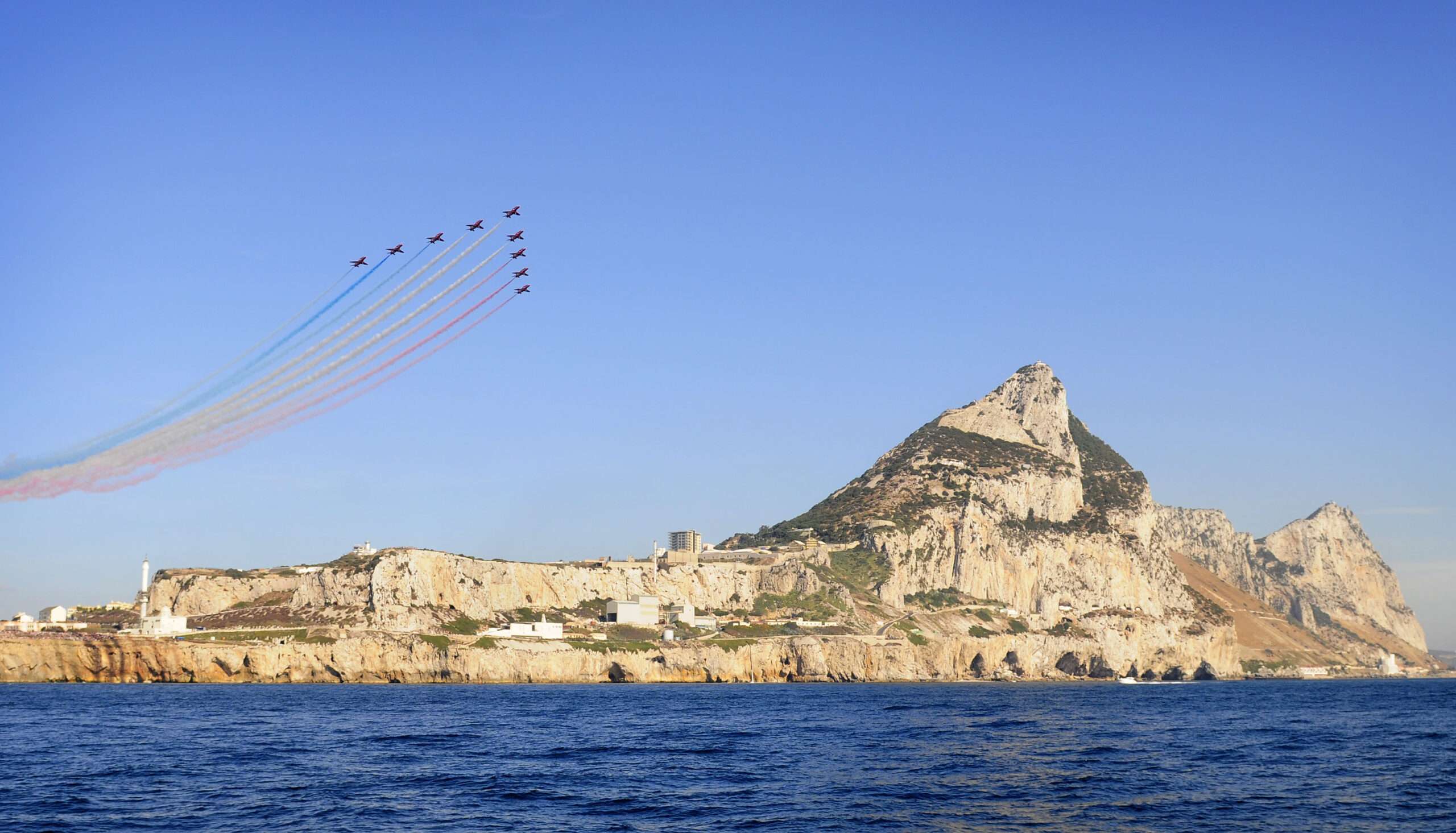
It’s often described as a little piece of England in the Mediterranean. But it would be just as accurate to describe the Rock of Gibraltar as a small chunk of Scotland in the sun, given the indelible mark the country and its people have made on Britain’s famous fortress in the Mediterranean over the past three centuries.
One of the first Scots to make his mark on Gibraltar was the 1st Earl of Portmore, David Colyear, whose family seat was in Perthshire. A Major-General in The Queen’s Royal Regiment, Colyear served as one of the first governors of Gibraltar, following its capture from the Spanish by an Anglo-Dutch force under Admiral Sir George Rooke in 1704.
After his tenure as governor ended in 1720, seven years later Colyear was despatched to Gibraltar with military reinforcements to take command of the garrison when Spanish forces under the Count de las Torres laid siege to the Rock. The siege was lifted, however, whilst Colyear was en route to Gibraltar.
Strategically vital territory
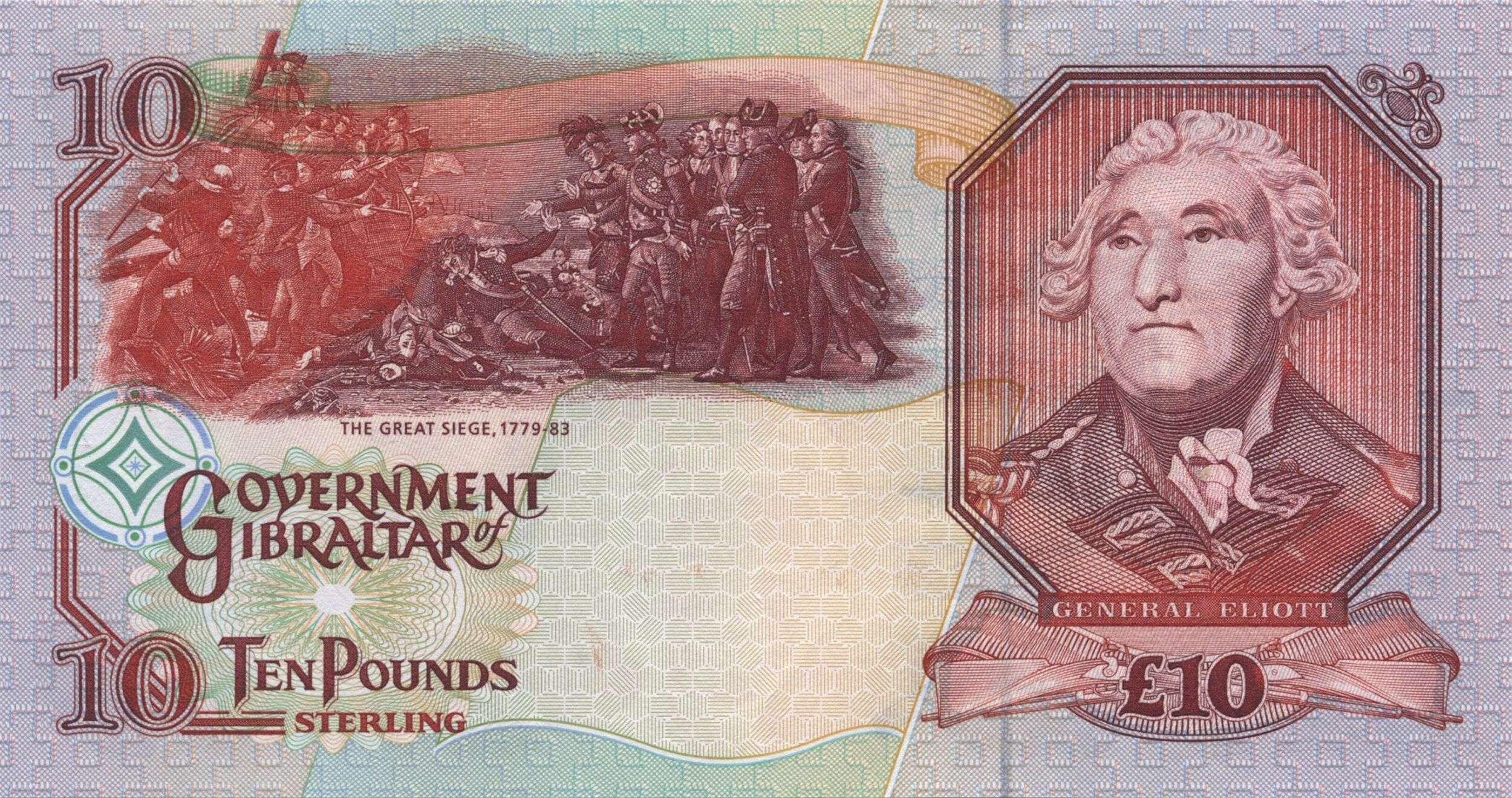
When Spain next attempted to wrest back the strategically vital territory from Britain, in the Great Siege of 1779 – 1783, Gibraltar was under the governorship of another Scotsman, General George Augustus Elliott. Born in Roxburghshire in 1717, Elliott served in the Engineers and as an aide-de-camp to King George II before being appointed governor in 1777. When the Great Siege commenced two years later, he set about strengthening Gibraltar’s defensive fortifications, which helped the garrison resist the repeated attacks from both land and sea launched by the Spanish and their French allies. Amongst the military units at Elliott’s disposal was the 2nd Battalion, the Highland Regiment, which distinguished itself in the fighting. The Great Siege finally ended in February 1783, with Britain retaining control of Gibraltar. In recognition of his successful defence of the Rock, General Elliott was knighted and later made a peer.
But the history of Scottish soldiers on the Rock has not always been so illustrious. On Christmas Eve 1802 simmering discontent with conditions in Gibraltar and the authoritarian rule of the newly appointed governor, King George III’s fourth son, Prince Edward, boiled over when armed (and, it was claimed, drunken) soldiers of the Royal Scots surrounded his residence at Line Wall Road. Complaining that they were “being treated worse than slaves”, the aggrieved Scottish soldiers demanded he be replaced as governor. A confrontation with soldiers from an English regiment that remained loyal to Prince Edward ensued, and, after an exchange of fire that left one Royal Scots soldier dead and several others wounded, the rebellion petered out.
Unrest broke out again just a couple of days later, however, and once again soldiers from a Scots regiment were involved. This time, it was men of the King’s Own Scottish Borderers who marched on the prince’s residence. Eventually, the mutiny was put down after more violent clashes with loyal units. The ringleaders of the mutiny were court-martialled and three executed by a firing squad drawn from their own regiment. Several others were exiled to Australia, then a penal colony. However, London felt it prudent to recall the unpopular prince to England soon after.
Although he continued to hold the title of governor until his death in 1820, Prince Edward would never return to Gibraltar. From 1814, the actual running of the territory fell to Lieutenant-General Sir George Don, a Scot born in Edinburgh, who held the post of Lieutenant-Governor of Gibraltar until his death in 1832. In contrast to Prince Edward, Don became one of the Rock’s most successful leaders, as popular with the military garrison as he was with the civilian inhabitants, the so-called ‘rock scorpions’, as the Royal Navy dubbed them.
Scottish influence
Don’s tenure began at a particularly difficult time, with an epidemic of yellow fever ravaging Gibraltar, which killed almost one thousand of its inhabitants. Upon his arrival, Don found Gibraltar to be in a sorry state of neglect – overcrowded, filthy, disease-ridden and poorly administered. Described by William Jackson, governor of Gibraltar between 1978 and 1982, as ‘a man of vision and political acumen’, Don immediately set to work on improving conditions and infrastructure. He introduced a proper sanitation and sewage system, oversaw construction of the Rock’s first civilian hospital – today called St Bernard’s – and overhauled law and order, establishing a civil judiciary and the Gibraltar Police Force. He also instigated sweeping political and social reforms, including addressing long-standing religious discrimination by abolishing a ban on Catholics owning property. During Don’s 18-year reign as de facto governor, Gibraltar began its transformation from simply a useful base for the Royal Navy to a town and community in its own right.
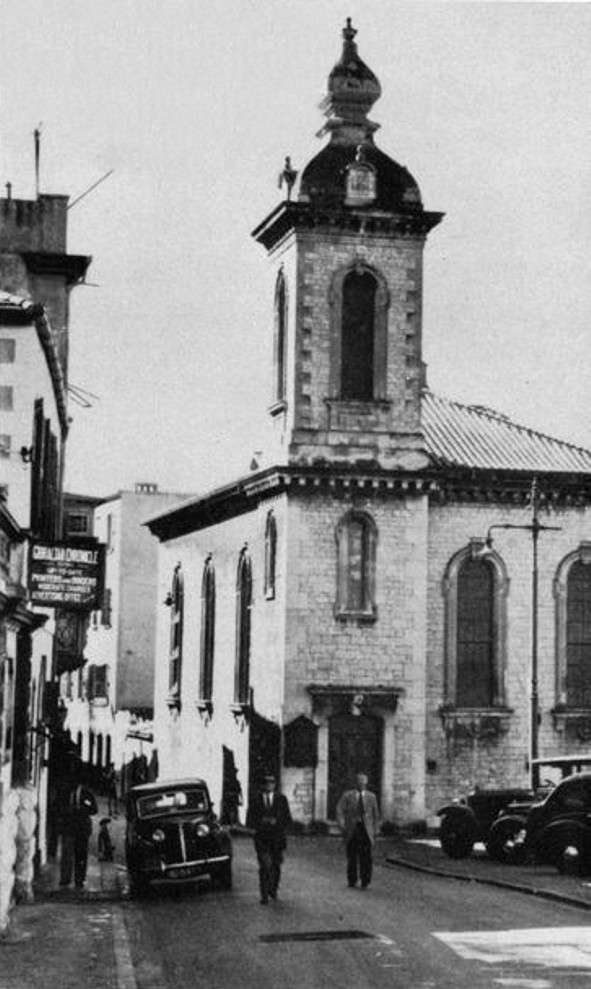
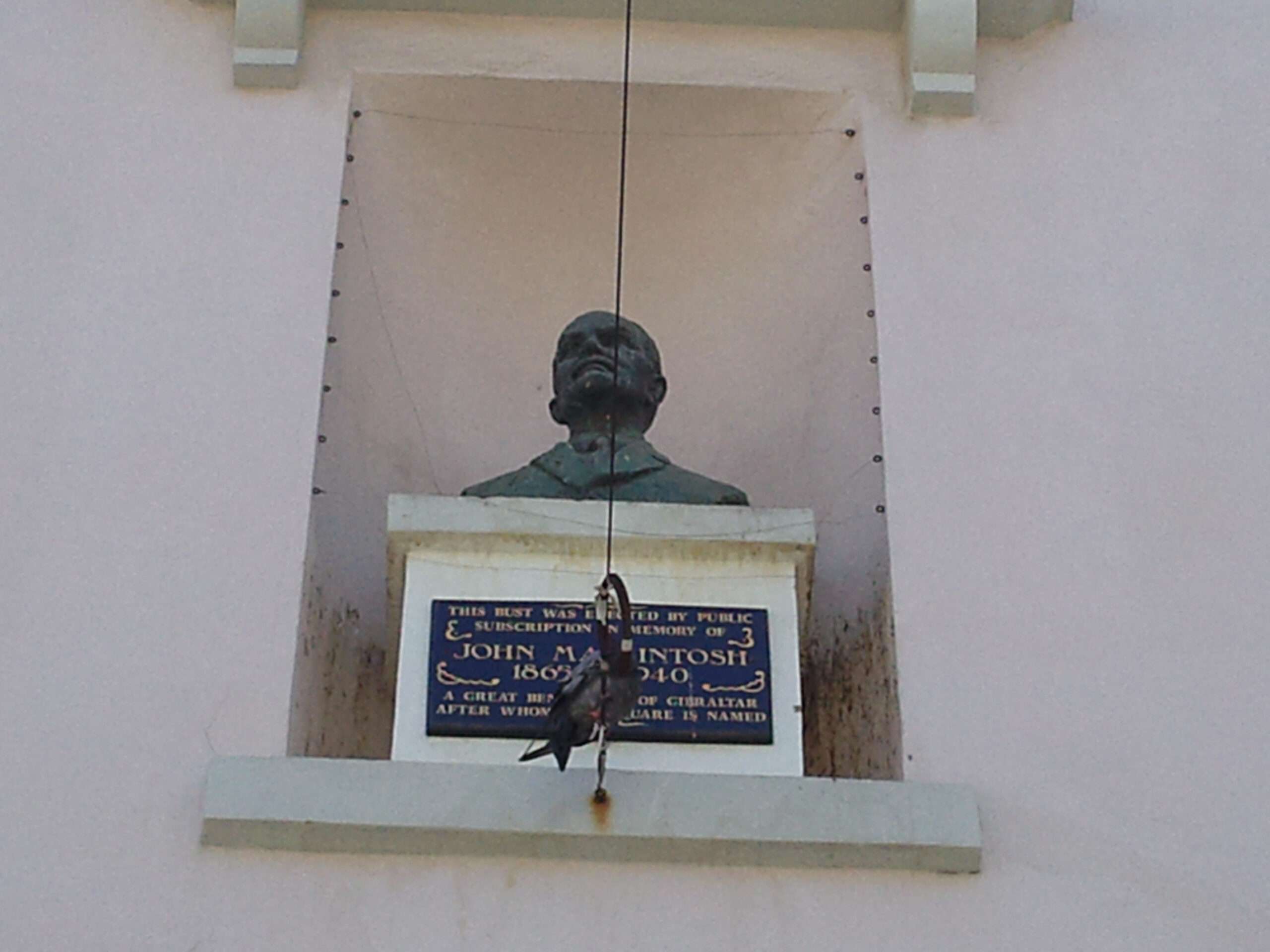
The Scottish influence in Gibraltarian society deepened further in 1854, when the Church of Scotland opened the St Andrew’s Church on Governor’s Parade, principally to cater for the large number of Scottish soldiers stationed on the Rock, but also the sizeable Presbyterian community. For the next few decades Gibraltar enjoyed relative peace and growing prosperity. A key figure in the economic development of Gibraltar during the latter part of the 19th century was John Mackintosh. The son of a Scots emigrant to Gibraltar, he was born in 1865 and made his fortune as a coal merchant. During his life he supported many causes, providing homes for the poor and elderly, and donating generously to the Rock’s civilian hospital, which named a wing after him. He died in 1940 and Gibraltar’s main plaza was named John Mackintosh Square in his honour.
But World War II brought more upheaval to Gibraltar and its people. In the run-up to the war, another Scotsman was serving as governor, the Edinburgh-born General Sir Edmund ‘Tiny’ Ironside, who helped prepare the colony for the titanic struggle that lay ahead by overseeing the beefing up of Gibraltar’s defences. Ironside’s spell as governor was cut short, however, when he was recalled to Britain upon the outbreak of war to take up the post of Chief of the Imperial General Staff – overall commander of the British Army.
The defensive preparations begun by Ironside were continued by another officer of Scottish descent, General Noel Mason-Macfarlane, who was appointed General Officer Commanding Gibraltar in July 1940, amid fears Hitler and his fascist Spanish ally General Francisco Franco were planning a joint invasion of the Rock. Although the feared invasion never materialised, most of Gibraltar’s civilian population was evacuated as a precaution. Some were sent to Jamaica and Madeira, others to various parts of the United Kingdom, including Glasgow, where several pregnant Gibraltarian women were sent to give birth after arriving by ship at Liverpool docks in August 1940, deemed at that time to be safer while the ‘Blitz’ was underway.
Post-War tragedy
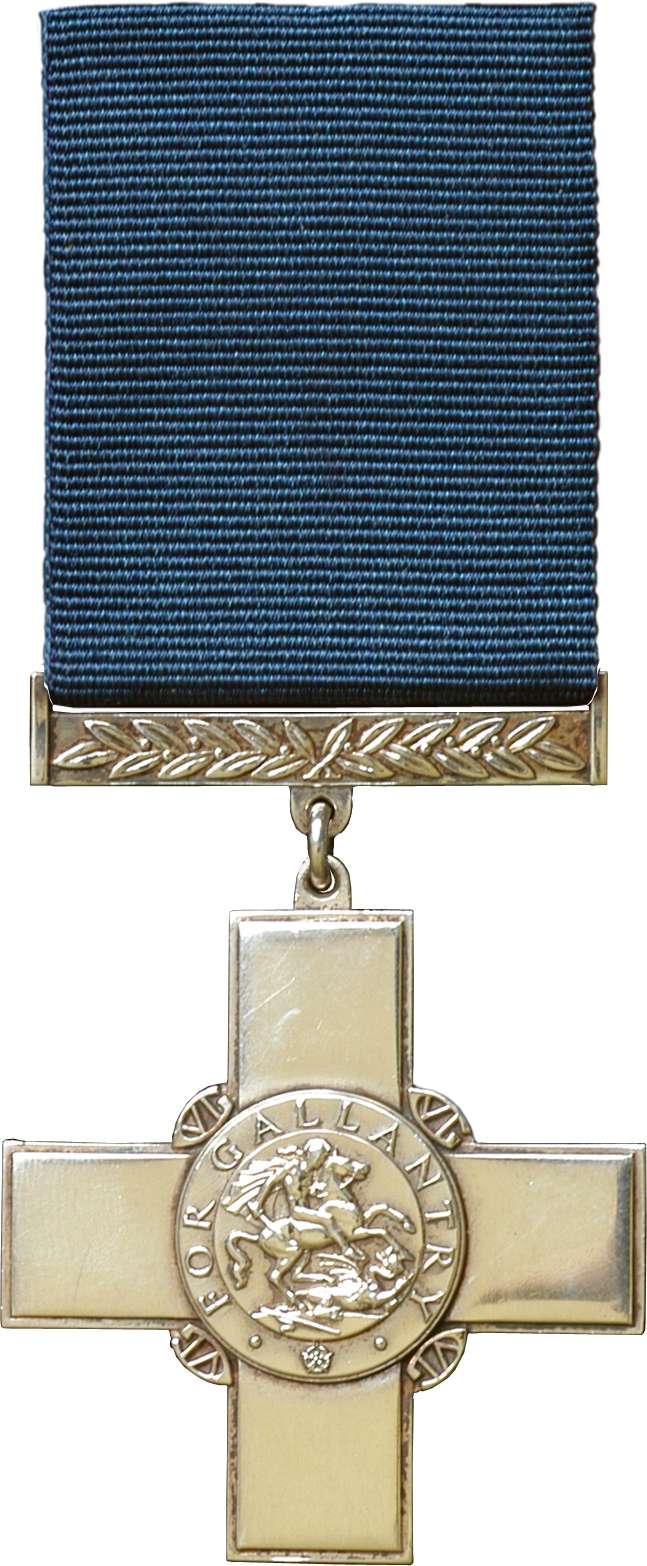
After the war, the people of Gibraltar were gradually repatriated, a process only completed in 1951. That year, just as life was beginning to return to normal, the Rock experienced its greatest post-War tragedy, one which turned a Scots fireman into a local legend. On the morning of 27 April, whilst its cargo of depth charges was being unloaded at the dockyard, the Naval Armament Vessel Bedenham caught fire. Among the local firemen who responded to the emergency was Sub-Officer George Henderson. Born in Aberdeenshire in 1910, Henderson joined the Gordon Highlanders in 1931. While stationed in Gibraltar a few years later, he married a local woman and, after leaving the army, settled in Gibraltar, joining first the police force and later transferring to the Dockyard Fire Brigade.
As the fire on the Bedenham quickly spread, Henderson boarded the ship with his hose to fight the fire. Unfortunately, the fire set off the depth charges, causing an immense explosion that tore the ship apart, killing Henderson and twelve others, injuring more than fifty, and causing substantial damage throughout Gibraltar. An investigation later found that the fire was started due to faulty ammunition on the ship. For displaying “courage of the highest order in the face of almost certain death” in his efforts to control the raging inferno, Sub-Officer Henderson was posthumously awarded the George Cross in November 1951.
In the wake of the tragedy, another Scotsman was made governor, General Sir Gordon MacMillan, a highly decorated World War II veteran. Besides the damage caused by the Bedenham disaster, MacMillan also had to deal with renewed belligerency towards Gibraltar from General Franco, who now made the return of the territory to Spain a political priority. His increasingly aggressive policy towards the Rock eventually led to the sealing off of the border with Spain in 1969, effectively blockading Gibraltar.
During the 1982 Falklands conflict Gibraltar’s military usefulness was again demonstrated, serving as an important staging post for British ships of the naval task force heading to the South Atlantic to retake the Falkland Islands after the Argentine invasion. Serving as Flag Officer Gibraltar at the time – the overall commander of all military forces on the Rock – was Rear-Admiral John Mackenzie from Perthshire. Rear-Admiral Mackenzie had to contend with the possibility that rogue elements in the Spanish army might try to take advantage of Britain’s preoccupation with the Falklands situation by attempting a military move of their own against Gibraltar, fears that were shared by the Prime Minister, Margaret Thatcher.
Scotland’s presence in Gibraltar
“Mr Nott (the Defence Secretary) said that the Prime Minister was much concerned about the implications of this crisis for our position in Gibraltar,” a note of a Cabinet meeting, held two days after the Argentine invasion, stated. “(She) noted the jubilant reaction in the Spanish press to the Argentine seizure of the Falkland Islands, and was also clearly concerned that the move of the task force might leave us militarily exposed to a similar Spanish attempt against Gibraltar.”
To deter any planned Spanish aggression, Mackenzie requested the garrison be reinforced with an anti-aircraft unit equipped with surface-to-air missiles and RAF Jaguar strike aircraft, based at the airport. It later transpired that Gibraltar did indeed face the threat of attack during the Falklands War – not from Spain, as feared, but from Argentina. The chief of the Argentine Navy, Admiral Jorge Anaya, dispatched a team of commando divers to the southern Spanish city of Algeciras, from where they were to swim out into the Bay of Gibraltar and attack British shipping in the harbour using limpet mines. Fortunately, the Argentine team was arrested by Spanish police before they could execute the plan and swiftly deported.
The diminishing military presence in Gibraltar over subsequent decades has meant that the Scottish presence has also inevitably waned. In 2022, the St Andrew’s Church was closed due to dwindling attendance and the building sold to developers, bringing an end to the Church of Scotland’s presence in Gibraltar after 168 years. But from the local ten pound note, which features a portrait of General Sir Augustus Elliott, to the numerous statues, plaques and street names scattered throughout the territory commemorating distinguished Scottish governors and business leaders, the profound impact Scots have had on the history of the Rock is still very evident to this day.
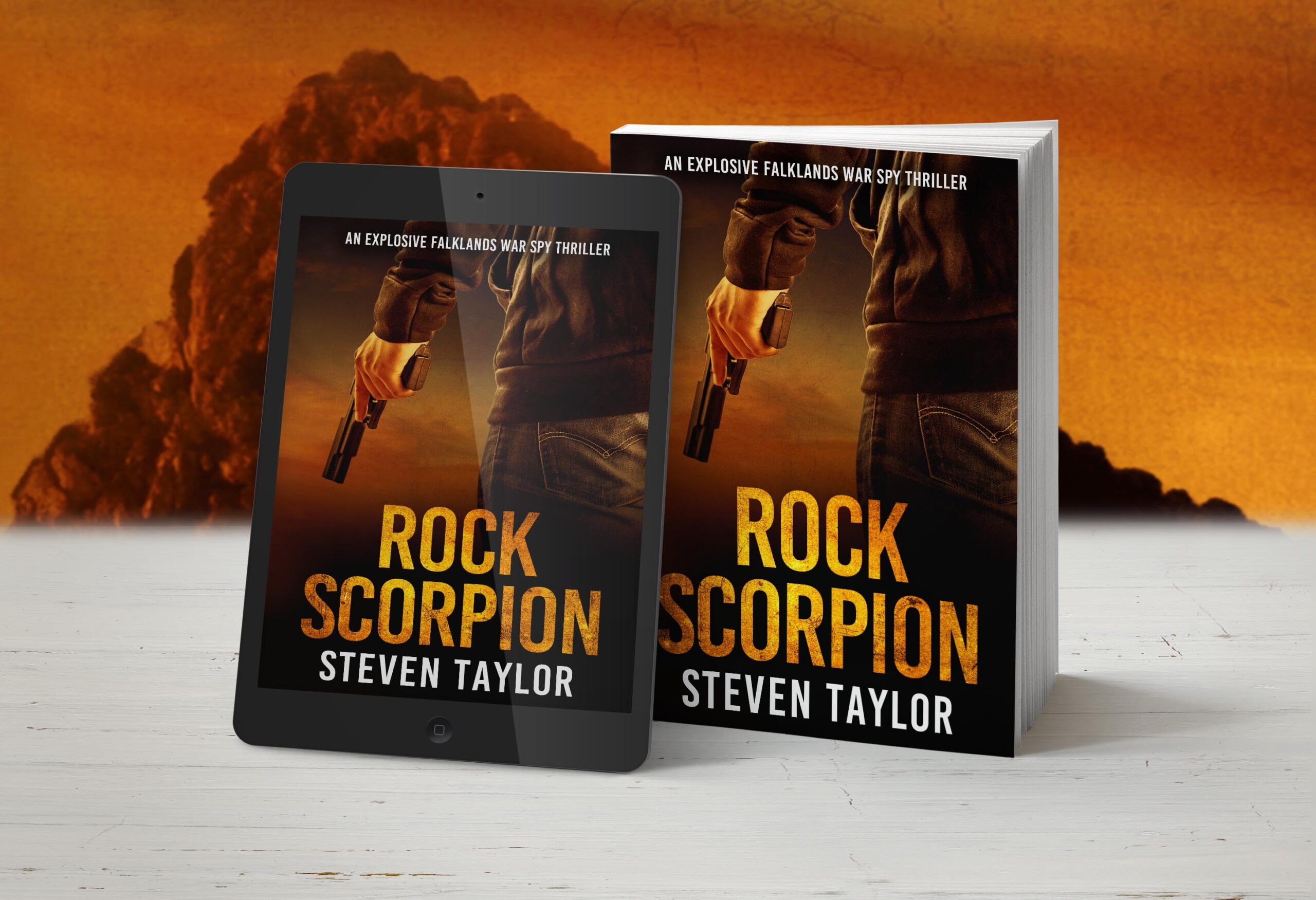
Steven Taylor is the author of Rock Scorpion, a thriller set in Gibraltar during the Falklands War. Now available to buy from Amazon in paperback and ebook format. Visit: www.steventayloronline.co.uk
Main photo: The mighty Rock of Gibraltar. Photo: MOD © Crown copyright.
Do you enjoy our content?
Content on the Scottish Banner website remains free for users. Stories and events listed for the international Scottish community continue to be an important resource for many across the world. As advertising revenue remains a challenge, our readers can donate to help us produce unique Scottish content for global Scots. Every contribution counts and thank you for considering your support.
Support the Scottish Banner! To donate to assist with production of our publication and website visit: The Scottish Banner