
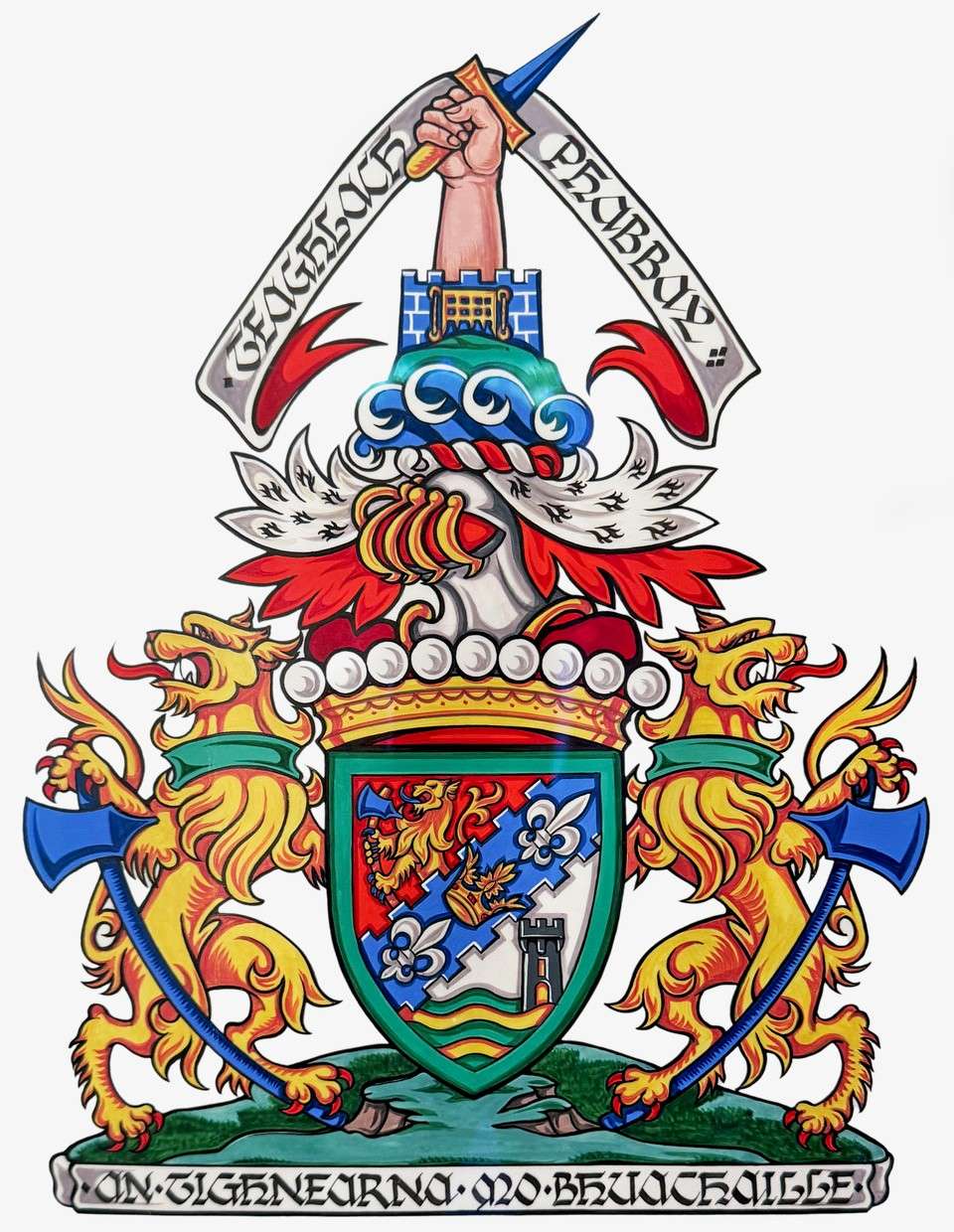
In 1959, my grandfather, W.S. “Shakes” Morrison, made the decision to retire from Parliament and step down as Speaker of the House of Commons. As a former Speaker, he was then raised to the peerage and became Viscount Dunrossil and as a new peer he would need a new coat of arms. Shakes was a Scot, a native Gaelic speaker from Argyll, whose parents had moved there from the Outer Hebrides. He therefore approached the Lord Lyon, King of Arms, the chief heraldic authority in Scotland, to help design the arms.
Morrison is one of the larger clans in Scotland. It’s the 18th most common name in Scotland, the 8th or 9th most common in the Highlands and Islands and the third most common in the Outer Hebrides. But they hadn’t had a chief in 350 years, not since the last Brieve or hereditary Judge of the Isles had been murdered by Macleods in the early 1600s. Without a chief, they could not be recognized as a clan, a “noble community”, under the law.
As a result, a clan society was formed in 1909 to try to identify possible candidates for chief, suitable to the Lyon Court. Various suggestions had been rejected, either because they were not armigers (people with their own coat of arms) or because they were not from the Outer Hebrides, where the main center of clan activity had been.
Who gets to decide who’s a chief?
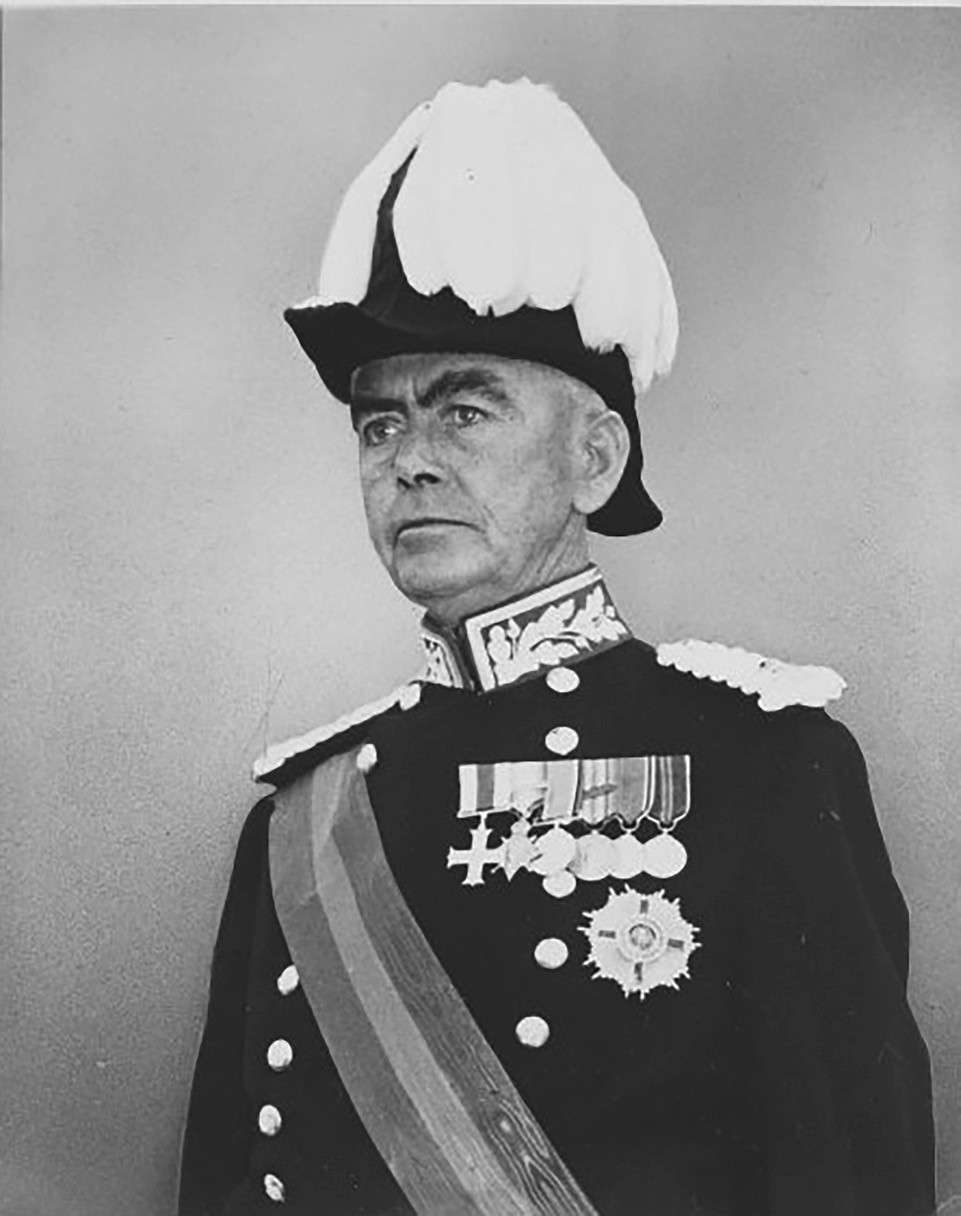
This was an impasse. Generally speaking, heraldry and titles were a feature of Lowland, Anglo-Norman culture. The sets of Hebrideans and armigers just didn’t intersect! So, as Shakes recited his ancestry (orally, in Gaelic, as he’d learned it), Lyon felt he’d solved a 50 year—even a 350-year problem. Shakes must be the chief! “Not so”, said Shakes. He had older brothers. “Then the oldest must be chief!”
And so it happened. Shakes died in 1961, in Australia, where he was Governor-General. A few years later his brother, Dr. John Morrison, Morrison of Ruchdi, was acclaimed by the clan and by Lyon as chief. Today, Dr. John’s great grandson, Alasdair, is the fourth chief in this new line. Alasdair is studying Robotics and Artificial Intelligence at the University of Glasgow – a very modern chief! The Morrisons are not alone in setting out to find a chief and be accepted as a clan. There are many other surname groups which have recently formed societies.
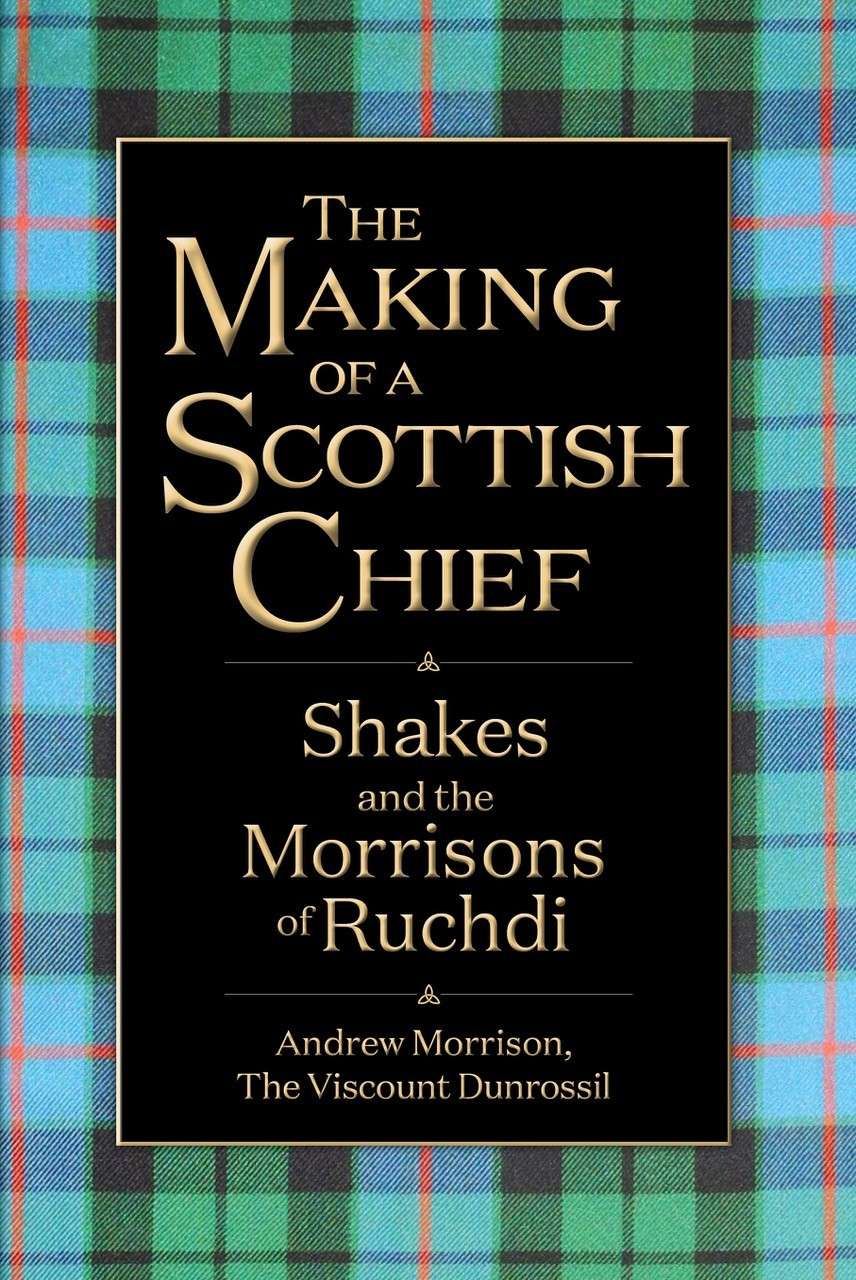
This raises lots of questions. Should they be recognized as a clan, should one of them be accepted as chief? Who gets to decide who’s a chief and what names are clans? What’s the role of the Lord Lyon and the Standing Council of Scottish Chiefs? What’s the role of a clan chief today? And who really cares about this? I have attempted to answer these questions—and more—in the first half of my new book, The Making of a Scottish Chief: Shakes and the Morrisons of Ruchdi. What are my qualifications for writing this book, you might ask?
Though not actually a chief myself, I serve as the vice convenor (vice chairman) of the Standing Council and on the Advisory Board of the Council of Scottish Clans and Associations in the US. I am not, however, a lawyer, just an informed amateur in these matters, and nothing I say in this book should be seen as representing the official position of any of the august organizations with which I have the honor to be associated. Nevertheless, this does represent the way I see the consensus moving.
The second half of the book is all about Morrisons. There are some characters there! John Wayne, for instance (whose birth name was Marion Morrison), was a proud paid-up life member of the Clan Society. There have been other weird and wonderful Morrisons too worth hearing about, Clan Morrison includes among its membership such notables as Van Morrison, Jim Morrison and David Gilmour among many others. The book concludes with accounts of the lives of my father and grandfather.
Leadership and honour
I hope that anyone with even a hint of Scottish ancestry—not just Morrisons—will find this part interesting, not just because of their individual accomplishments, but because of how they illustrate the way a modern chiefly family can still bring honor to the name they bear. I have also endeavored to explain how the duties, functions and privileges of a chief have changed over the centuries, but leadership and honour remain core values.
We live in a time when hereditary titles have lost much of their luster, when the word “entitled” has come to have strongly negative associations. Hereditary peers are no longer able to participate in the Parliamentary chamber which bears their name. Even a Prince has been stripped of his titles and roles, for having brought dishonor to his country. If a chief is to mean anything and the institution of chiefs is to survive and have value for future generations, it is imperative that we see it as an office, a job, not just a title. As I say in the book, you can be a lord, even a duke, without anyone to lord it over. But you can’t be a chief without a clan.
Author Andrew Morrison, the current Viscount Dunrossil, is the Vice Convenor (vice chairman) of the Standing Council of Scottish Chiefs and serves on the Advisory Board of the Council of Scottish Clans and Associations in the USA. The Making of a Scottish Chief is a must-have for anyone with even a hint of Scotland in their ancestry—it is insightful, informative and laced with wonderful anecdotes reflecting a rich and fascinating history.
This book was released on April 6th (National Tartan Day) and is available from all good online booksellers (Amazon, Barnes and Noble, Waterstones etc) or directly from the publisher: Elm Grove Publishing: www.elmgrovepublishing.com.
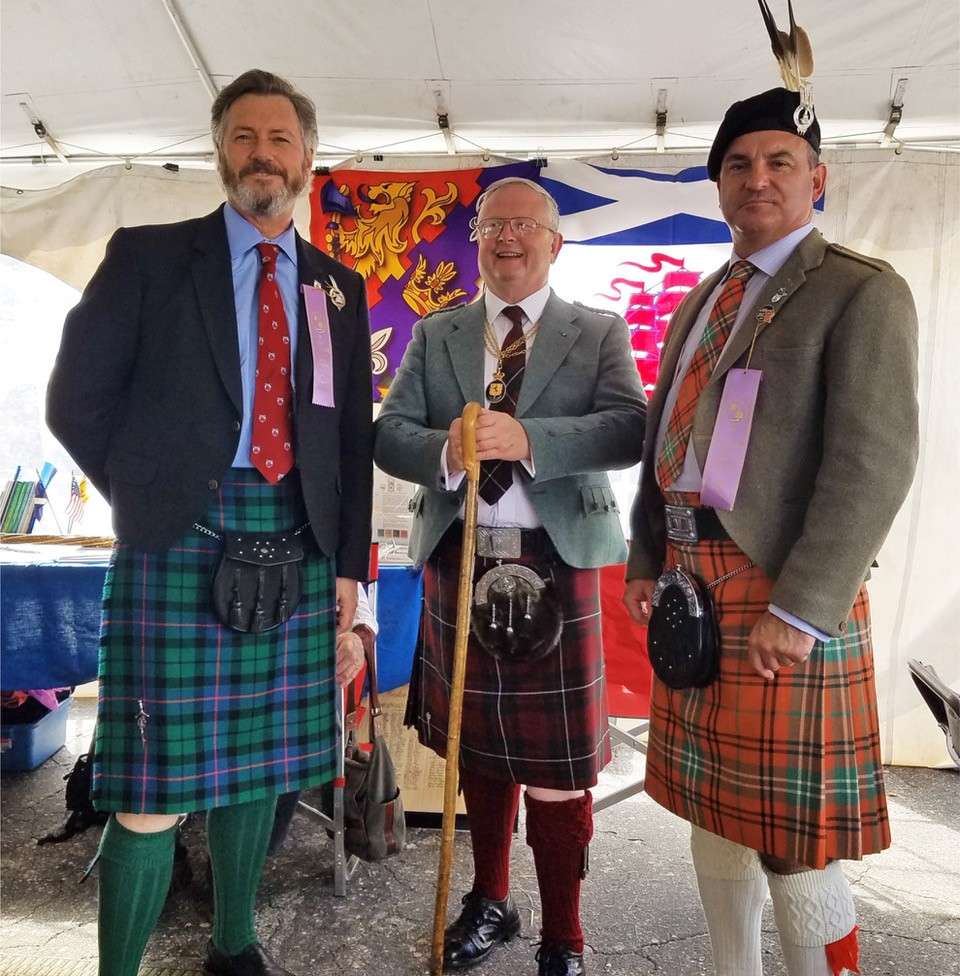
Main photo: The author (left) with Lord Lyon King of Arms and the late Dr. Ru. Morrison, Chief of Clan Morrison.
Do you enjoy our content?
Content on the Scottish Banner website remains free for users. Stories and events listed for the international Scottish community continue to be an important resource for many across the world. As advertising revenue remains a challenge, our readers can donate to help us produce unique Scottish content for global Scots. Every contribution counts and thank you for considering your support.
Support the Scottish Banner! To donate to assist with production of our publication and website visit: The Scottish Banner