
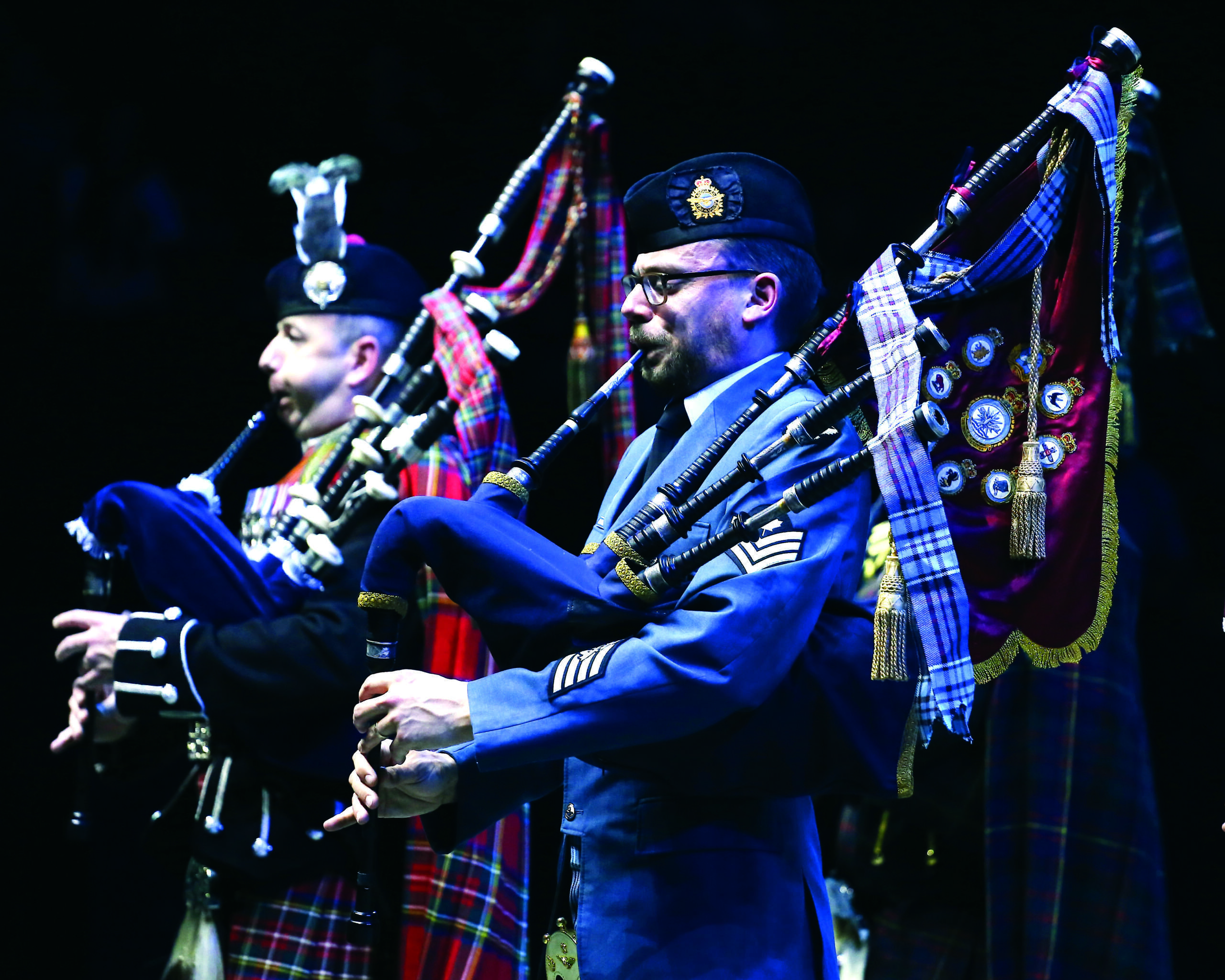
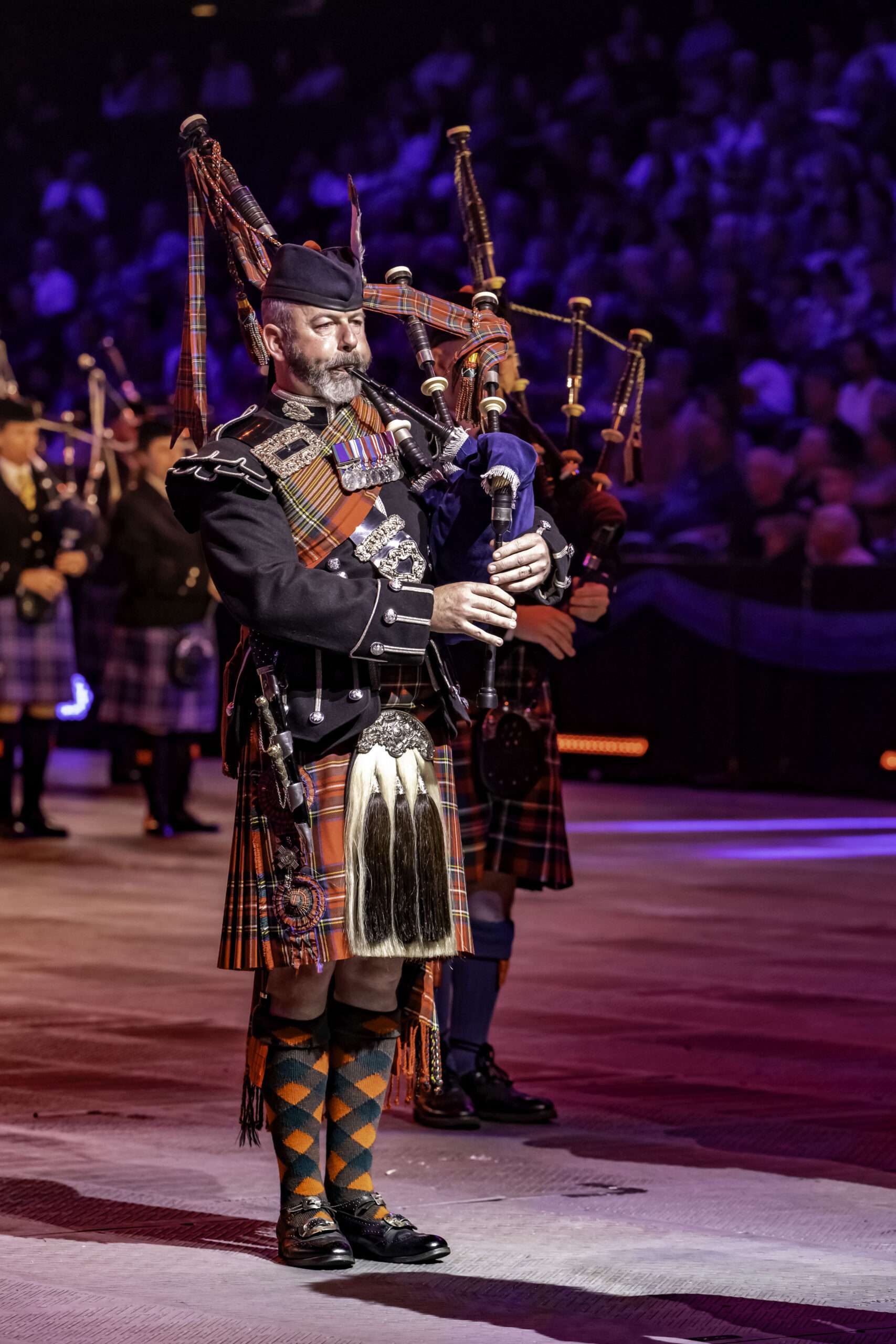
It is no surprise to see Americans celebrating St. Patrick’s Day and honoring their Irish roots. Likewise, it is not surprising to see the proliferation of Scottish Games and festivals where kilts and bagpipes represent the diaspora of Scots to America as well. The Celtic influences on America are unmistakable and widely celebrated—and in some cases, elevated to large-scale international performances such as the Virginia International Tattoo, held each year in Norfolk.
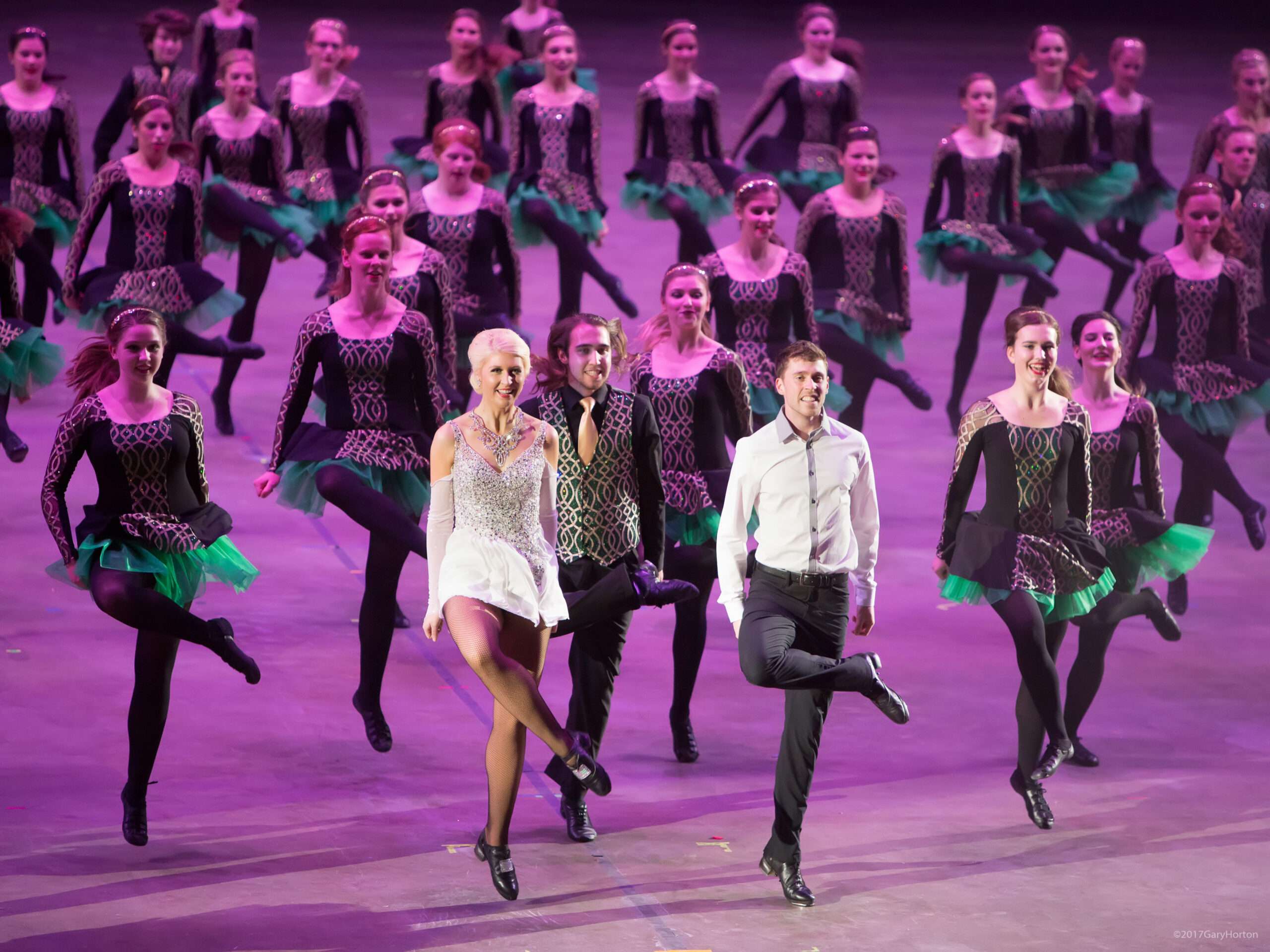
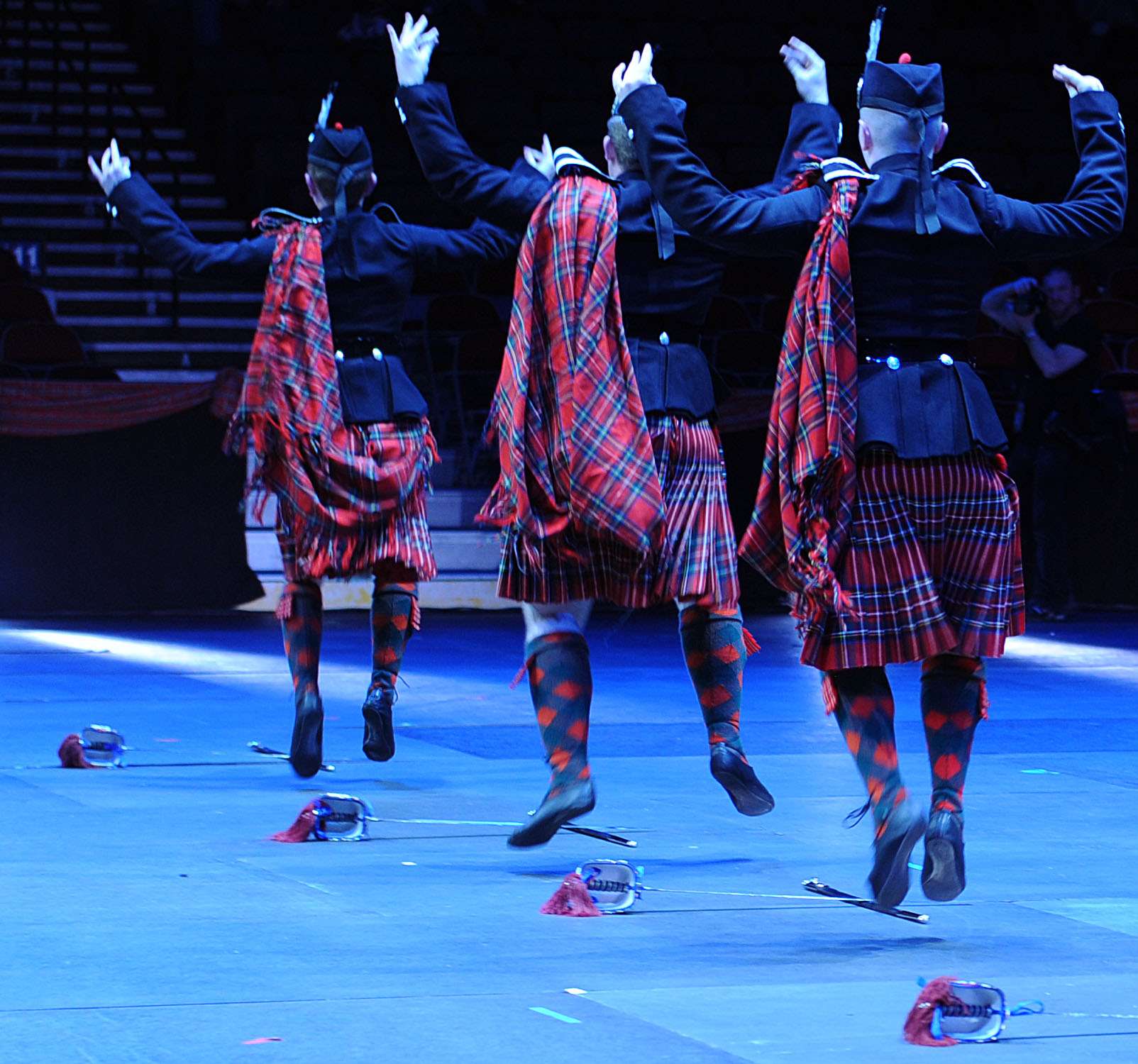
This event, one of the largest of its kind in the United States, brings together military bands, massed pipes and drums, Irish dancers, Highland dancers, and performers from across the Celtic world and beyond. Notably, pipe bands from Canada, the United Kingdom, and the United States regularly perform side by side, while both Irish and Highland dancers add a vibrant visual expression of Celtic tradition through precise footwork and centuries-old choreography.
Ulster-Scots
There were Irish and Scots emigrants in the United States as early as the 17th century. Irish indentures and some prisoners from Cromwell’s wars in Ireland were among the earliest from that nation. Between 1720 and the coming of the American Revolution in 1775 it is estimated that roughly 250,000 Irish – mainly Protestants from Ulster whose ancestors were planted in that region during the Tudor dynasty from lowland Scotland and northern England made their way to America due to social and economic hardships. Scottish merchants prospered in port cities and population centers up and down the Eastern seaboard while other Scots predominated the trade being established with Native American tribes on the frontiers.
Highland Scots, many being affected by the social, economic, agricultural, and cultural changes in the years following the failed Jacobite Rebellion of 1745–46 settled in organized parties – sometimes recruited by colonial governors and led by former tacksmen of Highland estates. They established notable settlements, the largest of which was in the Cape Fear Valley of North Carolina. Ulster-Scots were the predominant pioneers who settled the colonial “backbone” of the early American colonies pushing toward and across the Appalachian mountains and beginning the nation’s westward expansion.
Emigration was renewed again following the American Revolution, with further Scots and Ulster-Scots being influenced by the “push” of economic and social factors such as the continued rises in land rents, while the “pull” of favorable accounts of settlements sent home by neighbors and kinsmen who had improved their conditions in America. The beginnings of the “Highland clearances” where estate owners found it more financially beneficial to turn lands over to sheep and deer forests than have rent paying tenants with only limited means led further Highland Scots to settle among the regions already pioneered by their kin.
The largest numbers of Irish emigrants to America came during the famine years of the late 1830’s through the early 1850’s where as many as 2 million Irish settlers came primarily to the cities of Boston and New York City with many dispersing further afield as well. The promise of riches which were offered by news of the discovery of gold in California was also another motivator for many who were in dire straits and seeking better opportunities in America.
Celebration of their uniqueness and identity
While Scots and Ulster Scots in the South proliferated and continued the expansion of settlement into lands cleared of Native American threats as well as those formerly occupied by the French and Spanish, Irish emigrants also expanded along growing westward trails as well as providing labor for factories, the expansion of roads and canals, and the beginnings of rail transportation. Place names taken from Ireland and Scotland as well as the surnames of prominent settlers can be found from their original places of settlement and along their routes westward throughout the expanding United States. Presbyterian Scots as well as the Catholic Irish placed high regard on education, and early schools as well as colleges which were established based on those values were among the earliest in many regions, with many still existing from those pioneering efforts.
The hearty fighting spirit of both Scots and Irish –drawn as some suggest from long struggles in their homelands – led many to become military as well as political leaders from their earliest years in America. A romantic attachment to their homeland, perhaps in some cases influenced not only by family tradition but also by images created by writers such as Sir Walter Scott, Jane Porter, and Robert Burns led many to not only hold on to their concept of ethnicity but to celebrate it through the establishment of St. Andrews and Hibernian Societies nationwide as well as military units with Scottish and Irish themes which reflected the unity of their ethnic communities as well as celebration of their uniqueness, identity and echo of the martial traditions carried to America by Scottish and Irish immigrants.
The cultural representations of these Celtic communities are relatively easy to find through the years. Newspapers were published in America in the native languages of the Gaelic speaking Irish as well as Highland Scots, as well as in the native Welsh of those lesser-known settlers even up into the early 20th century. Emigrations of Celts from Brittany in France to New York City in particular from the late 19th century into the mid-20th century also brought that lesser known culture into the Celtic-American mix. Celebrations of St. Patrick’s Day in Irish communities, St. Andrews Day and Burns’ Nights in Scottish communities, and even St. David’s Day in Welsh communities are recorded from the 18th century until the present. Irish music clubs and sessions, Irish dance schools and Feis events, as well as the founding of pipe bands, Highland games, and fiddler’s gatherings represent efforts to keep traditional music and culture flourishing.
Large-scale events like the Virginia International Tattoo serve as a modern culmination of these traditions—bringing together not only Celtic performers but also international military ensembles, reinforcing how these once-immigrant traditions have become part of a broader American cultural and ceremonial identity. Meanwhile, the ballads and fiddle tunes preserved in isolated regions such as the Appalachian mountains represent the last vestiges of traditions which have had no outside influences to disturb them. They represent the strength of the oral traditions which were so prevalent among these Celtic peoples and served as the inspiration and roots of our own American traditional music.
Celtic roots
Pride in these ethnic connections has become quite mainstream in modern America. The “Roots movement” of the mid-1970’s – inspired in part by the release of Roots: The Saga of an American Family by Alex Haley, as well as the Bicentennial of 1976 seemed to inspire many Americans to delve into their own family stories and backgrounds – with many “discovering” their Celtic roots for the first time. Others who were aware of their ethnic roots had celebrated these connections for much longer. For many years, host Fiona Ritchie’s The Thistle and Shamrock brought an awareness of Celtic music and culture to millions through her widely broadcast National Public Radio show, and the release of the Outlander series of novels and its resulting television adaptation by Diana Gabaldon has launched a new interest and curiosity among mainstream America.
So, whether you celebrate with traditional music in a pub on St. Patrick’s Day, attend a Highland gathering, or experience the spectacle of the Virginia International Tattoo, know that the Celtic roots of America are quite deep. This history, these stories, and their associated lore are an important part of the American story. They are woven together into America’s history just as threads are woven together to make a colorful Scottish tartan or a rugged Irish tweed.
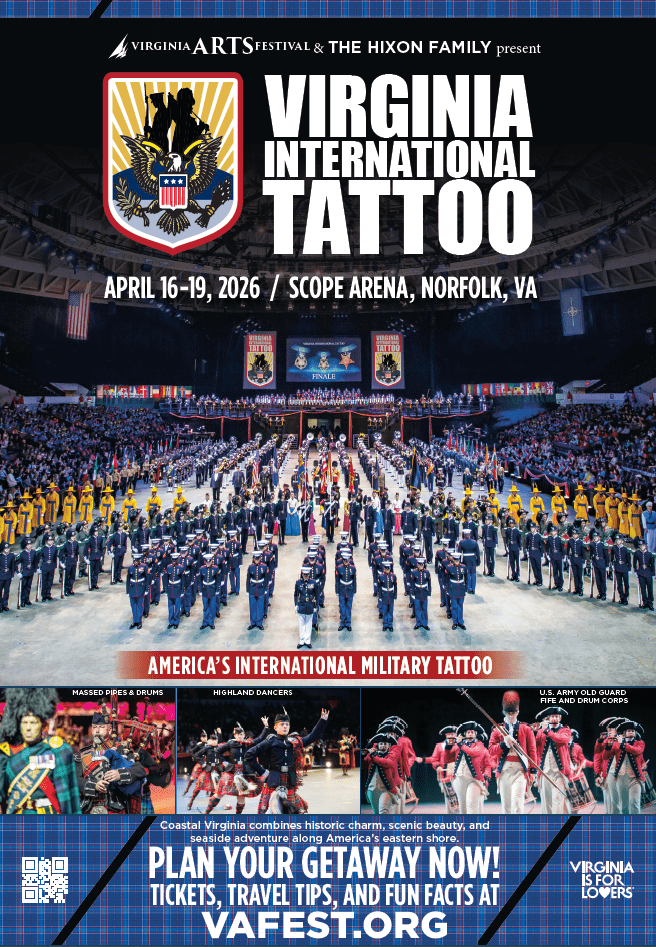
Text by Bill Caudill, a native of Waxhaw, North Carolina, is a historian, folklorist, and award-winning professional Scottish bagpiper known for his expertise in Highland Scots heritage in the American South. The 2026 Virginia International Tattoo runs April 16–19 at Scope Arena in Norfolk as part of the Virginia Arts Festival. Learn more at: vafest.org/tattoo.
Do you enjoy our content?
Content on the Scottish Banner website remains free for users. Stories and events listed for the international Scottish community continue to be an important resource for many across the world. As advertising revenue remains a challenge, our readers can donate to help us produce unique Scottish content for global Scots. Every contribution counts and thank you for considering your support.
Support the Scottish Banner! To donate to assist with production of our publication and website visit: The Scottish Banner