
February is the month of love, marking as it does St Valentine’s Day on the 14th. And Scotland has strong connections to the Italian patron saint of lovers – his forearm is kept at a church in Glasgow. The saint’s relic arrived in Scotland in 1868 when a wealthy French family donated it to St Francis’s Church in the Gorbals area of the city – in 1999 it moved to the nearby Blessed John Duns Scotus Catholic Church.
However, his heart – after all the part of the body most associated with love – is in Ireland. But Scotland has claim to many other hearts, both real and symbolic.
Robert the Bruce
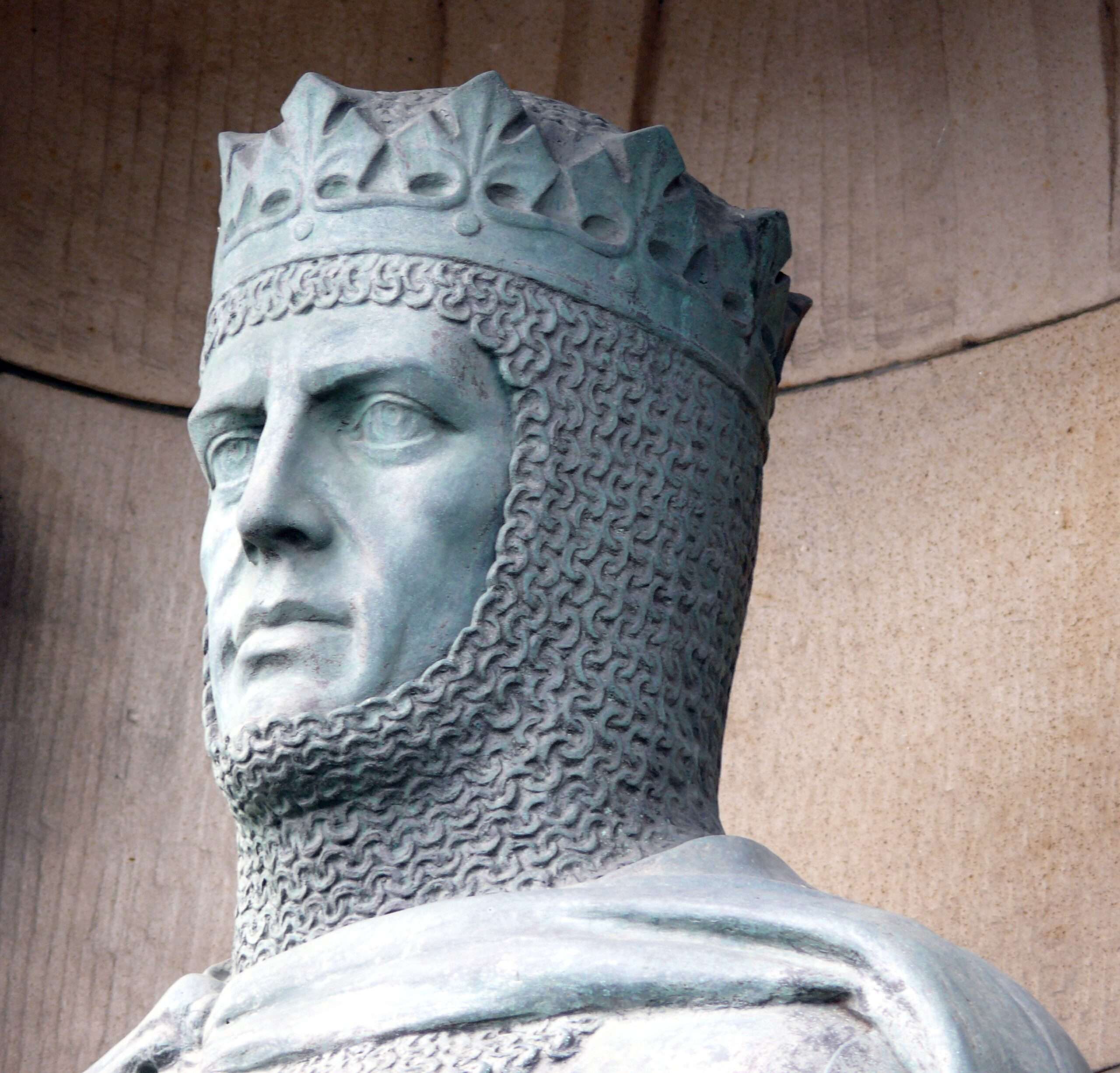
The Braveheart of the Mel Gibson movie might have been William Wallace, but it was his sometime compatriot in arms, Robert the Bruce, whose actual physical heart has a story to tell well beyond the death of its owner. Bruce, the hero of Bannockburn and one of Scotland’s most revered kings, died in 1329, his promise to go on Crusade unfulfilled. His loyal knight, Sir James Douglas – The Black Douglas – promised to carry out his dying wish and take his heart to the Holy Land.
As there was no Crusade to the Holy Land in the offing, Douglas and his men instead headed to Spain where Alfonso XI of Castile was battling against the Moorish kingdom of Granada. Sir James and most of his men were wiped out at the siege of the castle of Teba in 1330 but amazingly the casket containing the Bruce’s heart, which Douglas was wearing around his neck, was recovered.
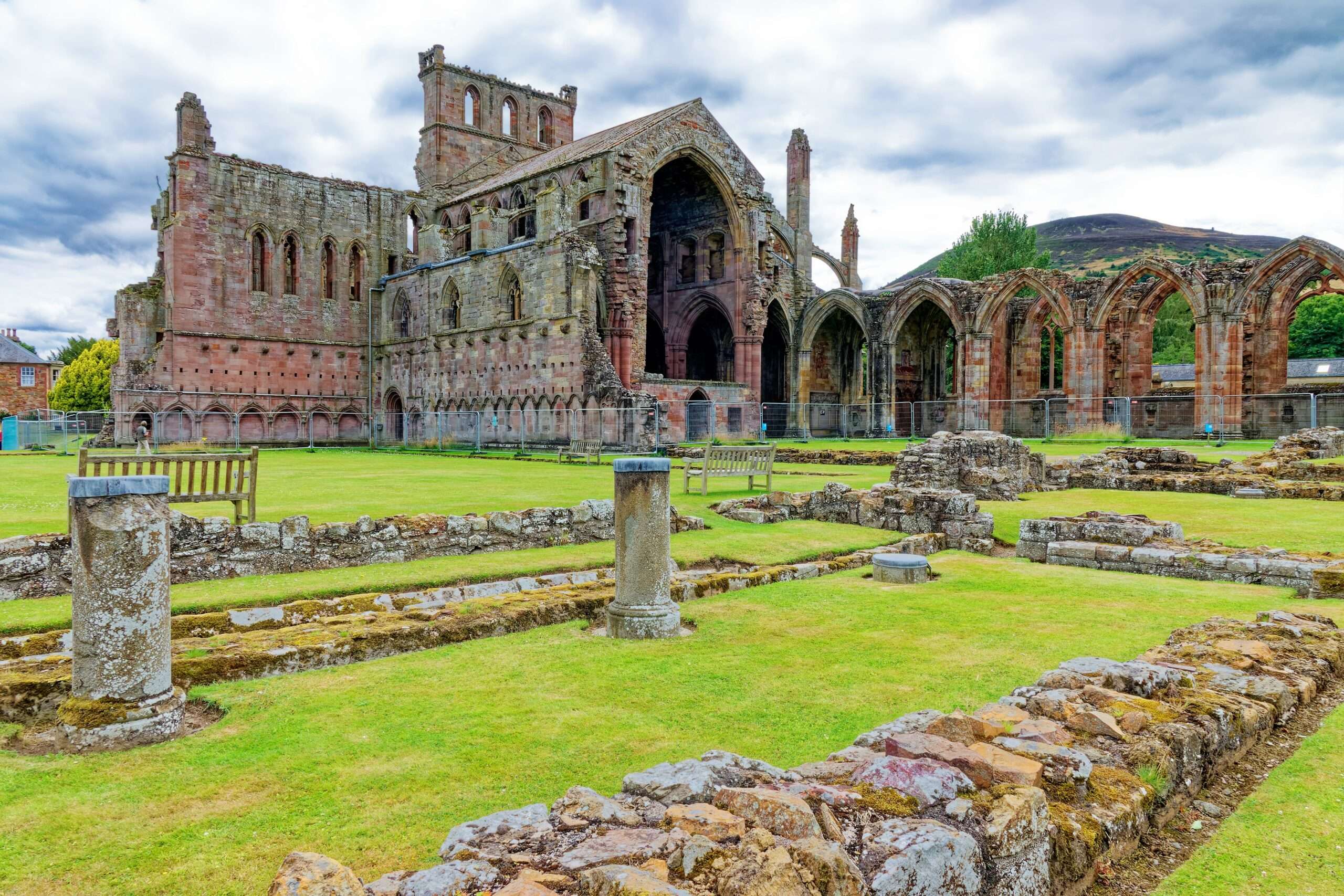
The heart was taken to Melrose Abbey in the Scottish Borders where it was buried. But that is not the end of the story of Bruce’s unquiet heart. In 1921, archaeologists found a casket within the abbey; it was opened, found to contain the remains of a human heart and reburied – but the location was again lost. In 1996, the casket was rediscovered and the presence of a “small, prune-like” shrivelled heart inside was confirmed by endoscope to prevent any further damage.
Donald Dewar, the Secretary of State for Scotland at the time, said the discovery was “one of great significance and symbolism for the people of Scotland” but archaeologists have warned that there is no way of knowing for certain that it is Bruce’s heart. That said, the heart was reburied at the abbey as per the mighty king’s final wishes. One of the reasons it’s tricky to confirm the authenticity of the heart at Melrose is that hearts were often removed from bodies during the Middle Ages – when John Balliol died in 1268, his widow Lady Dervorguilla of Galloway had his embalmed heart put into an ivory casket which she carried with her.
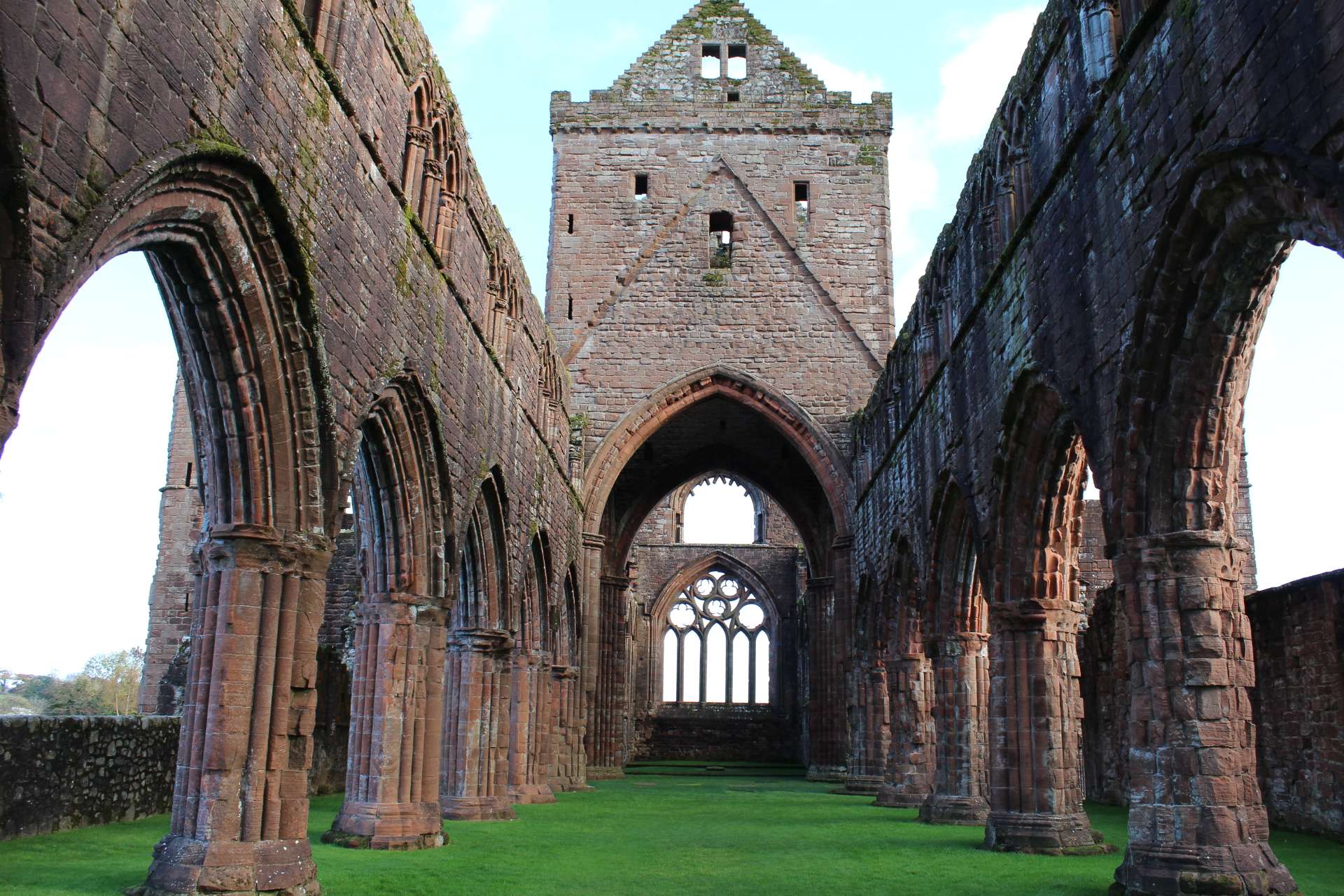
When she died in 1289, she was buried in the religious institution she had founded, holding her husband’s heart. And the name of that religious institution? Sweetheart Abbey is located eight miles south of Dumfries.
Four hundred years later, James Graham, the Marquess of Montrose, the dashing Royalist commander, lost his heart shortly after losing his life in a public hanging at the Mercat Cross in Edinburgh in 1650. He had been condemned to death for treason and, flamboyant to the last, appeared on the scaffold in a bright red coat and fur hat.
Denied the usual nobleman’s privilege of the swifter death of a beheading, he was hanged and his body dismembered, with his head placed on a spike near the Tolbooth and one limb each sent to Inverness, St Andrews, Stirling and Aberdeen, to be displayed above their city gates. His torso was buried in consecrated ground at Burghmuir but his niece had managed to remove his heart beforehand which was placed in a box made from the blade of his sword and taken to France for safekeeping.
Sadly, however, his heart was lost during the French Revolution whereas ironically most of his limbs, his head and his torso were reunited when political fortunes changed and Charles II came to the throne and entombed at St Giles’ Cathedral in Edinburgh.
Heart of Midlothian
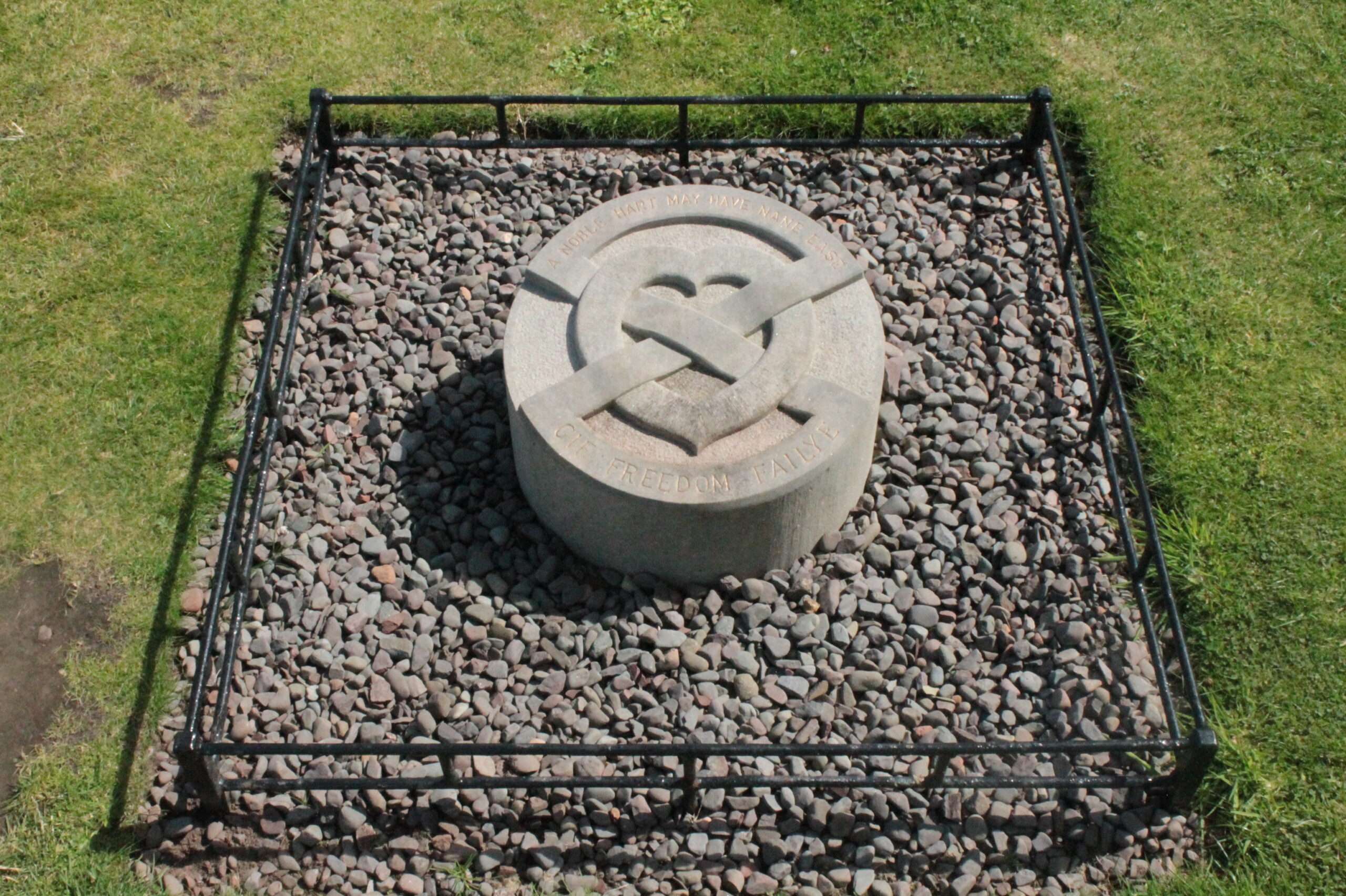
Not all the hearts in Scotland with a tale behind them are physical hearts. The Tinker’s Heart at Loch Fyne in Argyll is the only permanent memorial to Scotland’s traveller community. Located at the junction of three roads, the memorial is made up of white quartz pebbles formed in the shape of a heart and is said to have been first created to commemorate the travellers who died at Culloden.
For years afterwards, travellers’ weddings and christenings were celebrated there – now a scheduled monument, the heart has become a popular place for proposals.
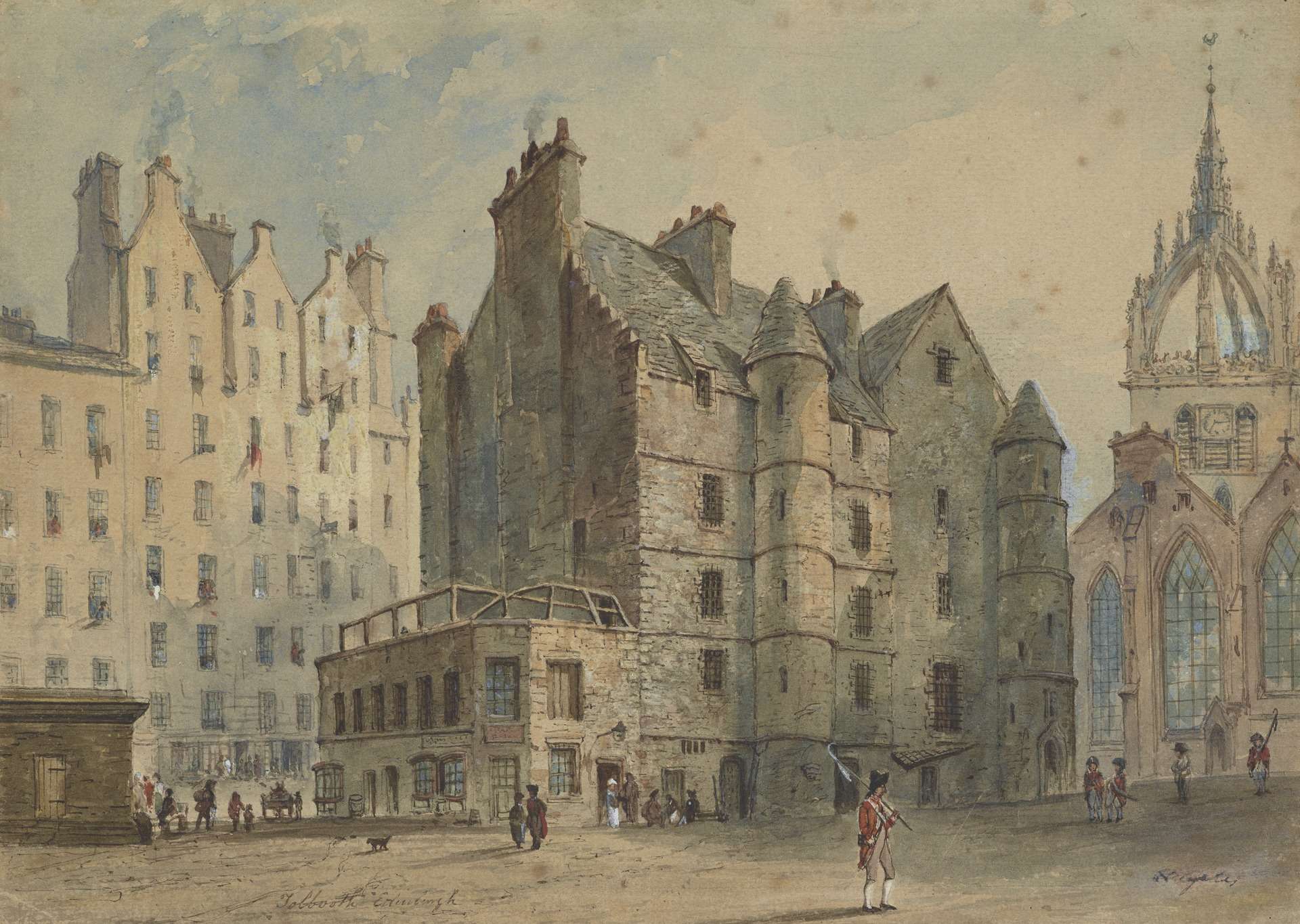
The Heart of Midlothian is an 1818 novel by the famous Scots writer and nationalist Sir Walter Scott – the heart in question referring to the location of the Old Tolbooth in Edinburgh, which was then in the county of Midlothian. The Old Tolbooth was a prison, and the story revolves around a young woman, Effie Deans, locked up in the Tollbooth awaiting execution for the alleged murder of her baby and her sister’s attempts to free her.
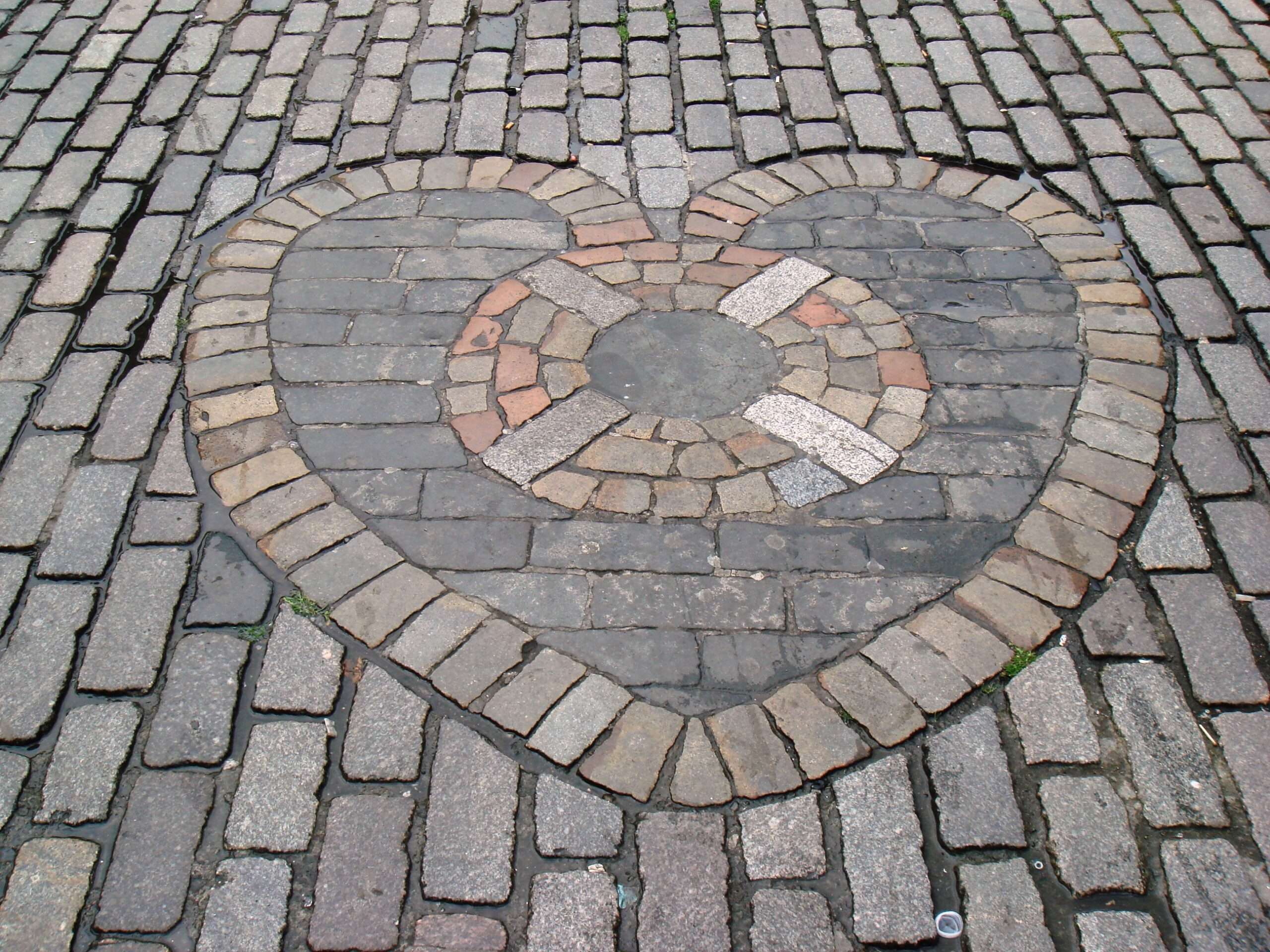
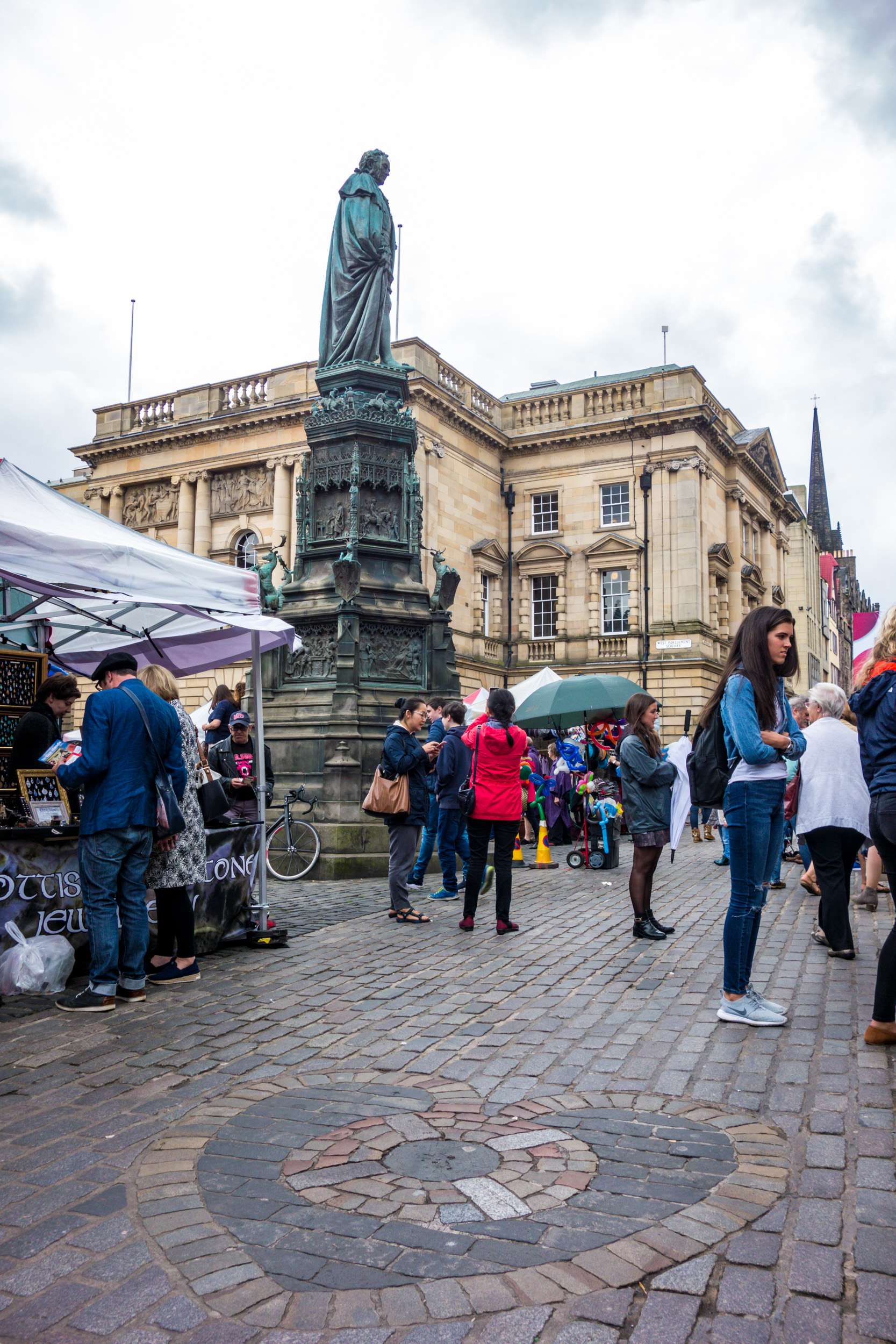
The tollbooth was demolished in 1817 but a mosaic heart was set into the Royal Mile, just outside St Giles’ Cathedral, marking the place where it stood. Locals often spit on it for good luck! And the name of Heart of Midlothian, one of the city’s football teams formed in 1874, usually known as Hearts, derives from the novel and the mosaic.
And where is the heart of the whole of Scotland? Not including the islands, the Ordnance Survey shows it as being close to Schiehallion – with islands included it is above Loch Garry, near the Pass of Drumochter.
Main photo: The Heart of Midlothian. Credit – Rafael Tello, CC BY-SA 4.0, via Wikimedia Commons.
By: Judy Vickers
Support the Scottish Banner! To donate to assist with production of our publication and website visit: The Scottish Banner