
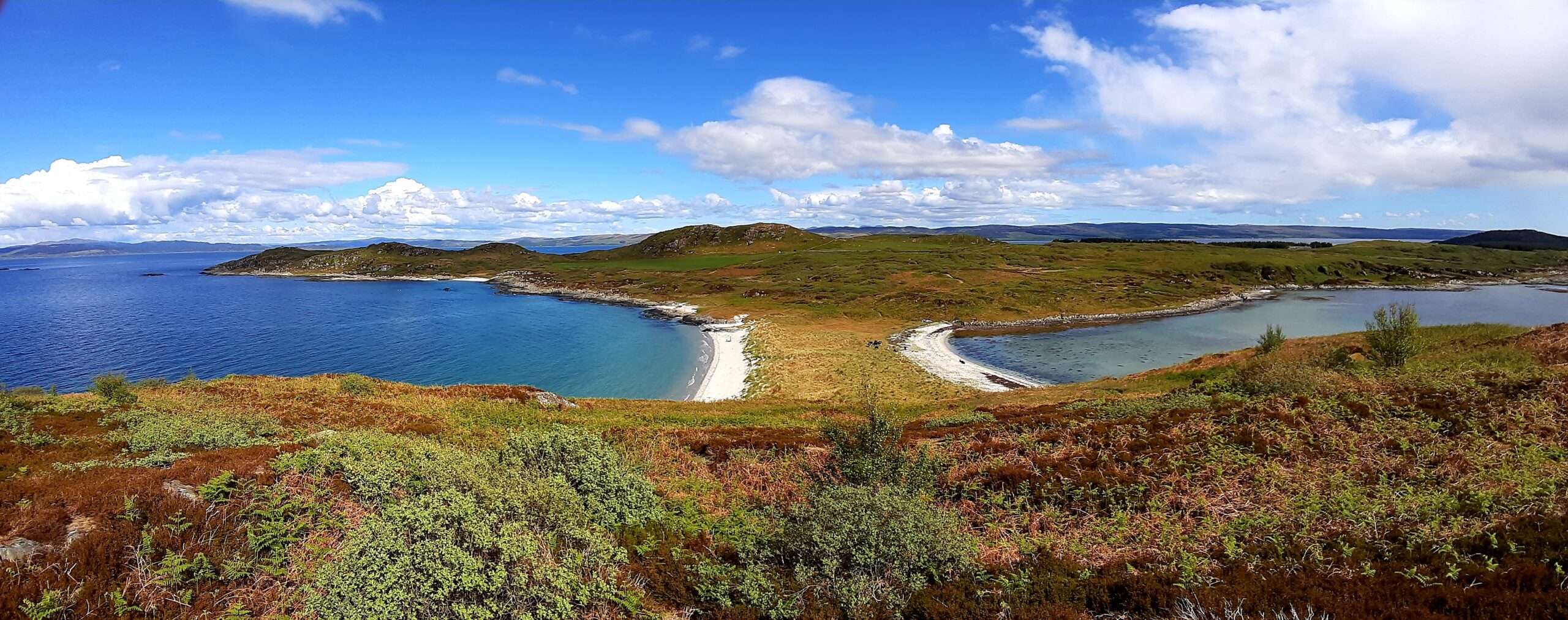
Independence Days around the world often mean fireworks, military parades and other exuberant traditional festivities. On the tiny Scottish island of Gigha, however, the celebrations are rather less headline-grabbing – yet no less significant. The population of just under 200 mark Gigha Day – their “independence day”, the day the islanders succeeded in purchasing the Hebridean island in a community buyout in 2002 – on March 15.
“For the first few years, it was quite a big day,” explains Ian Wilson, vice chairman of the Isle of Gigha Heritage Trust, which manages the island. “Now at 1pm that day the school kids read a poem, we raise the flag and everyone goes back to the hotel. It’s not like July 4th!” Low key the celebrations may be now, but the community buyout was a landmark event when the islanders bought Gigha from its last private landlord for £4m.
The Hebrides
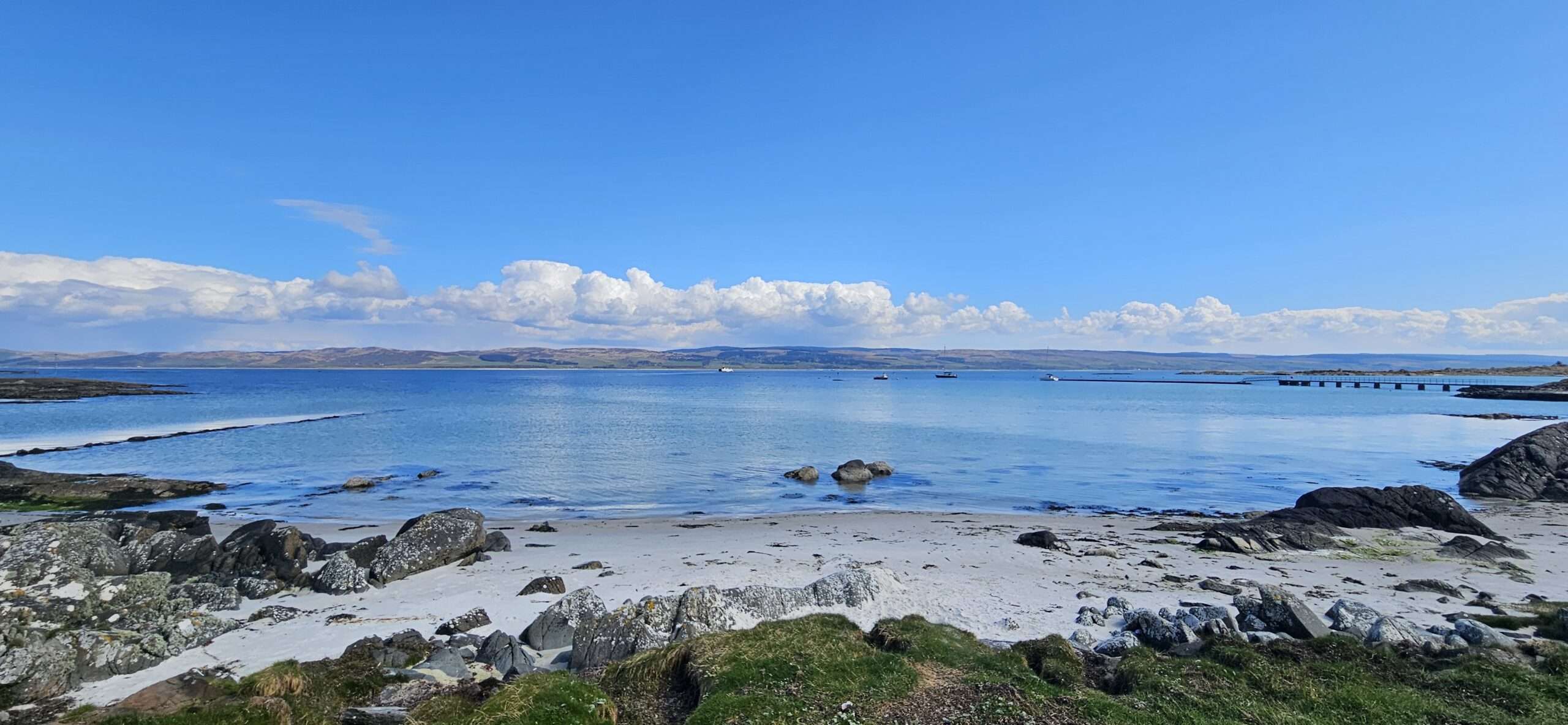
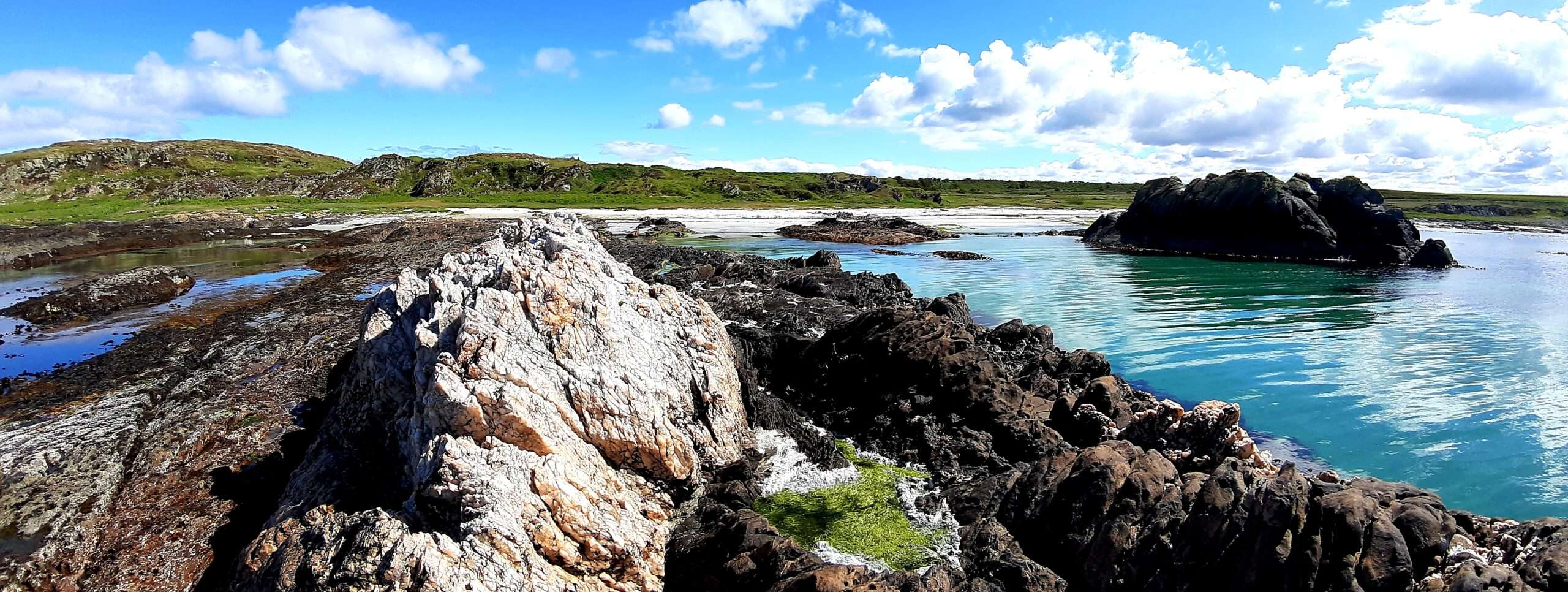
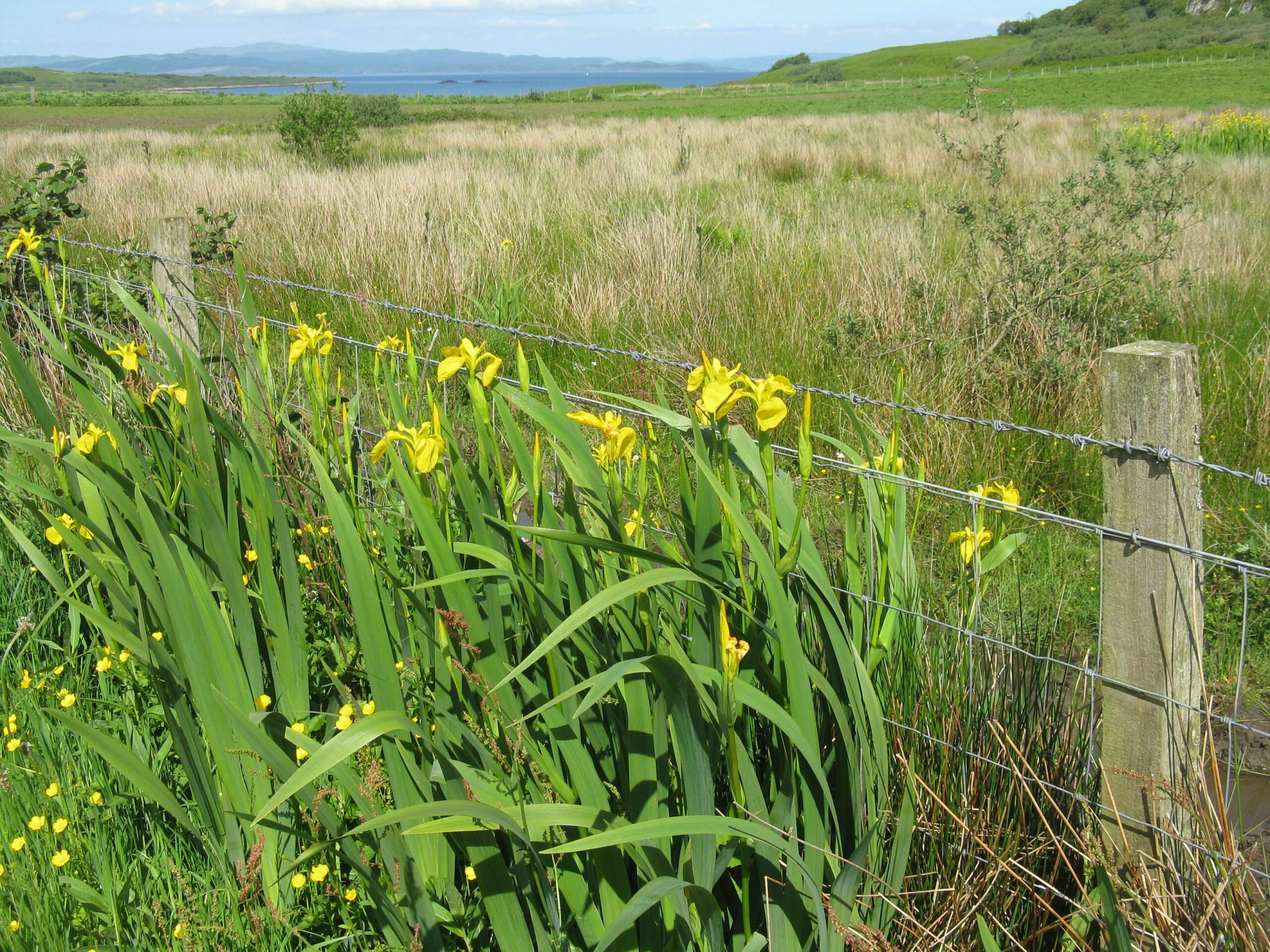
Just seven miles long by a mile and half wide, Gigha is the most southerly of the Hebrides, with stunning white beaches, above average sunshine and amazing views from its west coast across to the islands of Islay and Jura. But before 2002, when the buyout was completed, those beautiful natural assets weren’t enough to keep the population afloat – the number of residents on the island had dropped to below 100 and the primary school was in danger of closing.
Now, the population has nearly doubled, sub-standard housing has been renovated, and a host of projects have proliferated over the last 24 years. These include the creation of 9km of paths, complete with of interpretation boards and information boards, forming loops around the island, allowing visitors and locals alike to explore away from the main north-south road, and a campsite for visitors.
It’s not been an easy ride – “I would say to anywhere else considering it do it as a last resort not a first” says Ian. But he admits: “There are certainly lots of things on the island that wouldn’t be here with a private landlord.” The island’s history with humans stretches back thousands of years to the Mesolithic era. When the sea roads were the super highways of their day, Irish settlers arrived, and the Gaelic language and culture flourished here. For 2,000 years Gigha was a heartland for the language with the 1921 census showing the island as 75 per cent Gaelic-speaking.
Gigha also has a tradition of harp playing, mainly through the Galbraith family, one of three surnames associated with the island; the others being MacNeill and MacDonald, two clans who fought over the land here. The Norse took over in the 9th century, and the island became part of the Viking southern Kingdom of the Isles until the end of the 13th century when King Haakon IV was defeated at the Battle of Largs – his mighty fleet assembled just off Gigha.
But there was little peace for the inhabitants of the fertile island under Scottish rule. Until the late 19th century the island was mainly held by the MacNeills but there were various murderous ups and downs including in 1530, when Ailean nan Sop (or Alan of the Straw, due to his habit of setting light to buildings using straw as kindling) slaughtered several inhabitants and later that century when the Macleans of Duart descended, killing hundreds on Islay and Gigha.
The biggest community buyout in the UK
The MacNeills sold the island for £49,000 to one James Williams Scarlett in 1865 and after that, the island had a succession of owners which coincided with a slide in population from a peak of 600 in the 18th century to below 100 when the island was put up for sale in 2001. Many of those who left in the 18th century boarded ships for the US, joining those from surrounding islands to settle in the Cape Fear area in North Carolina.
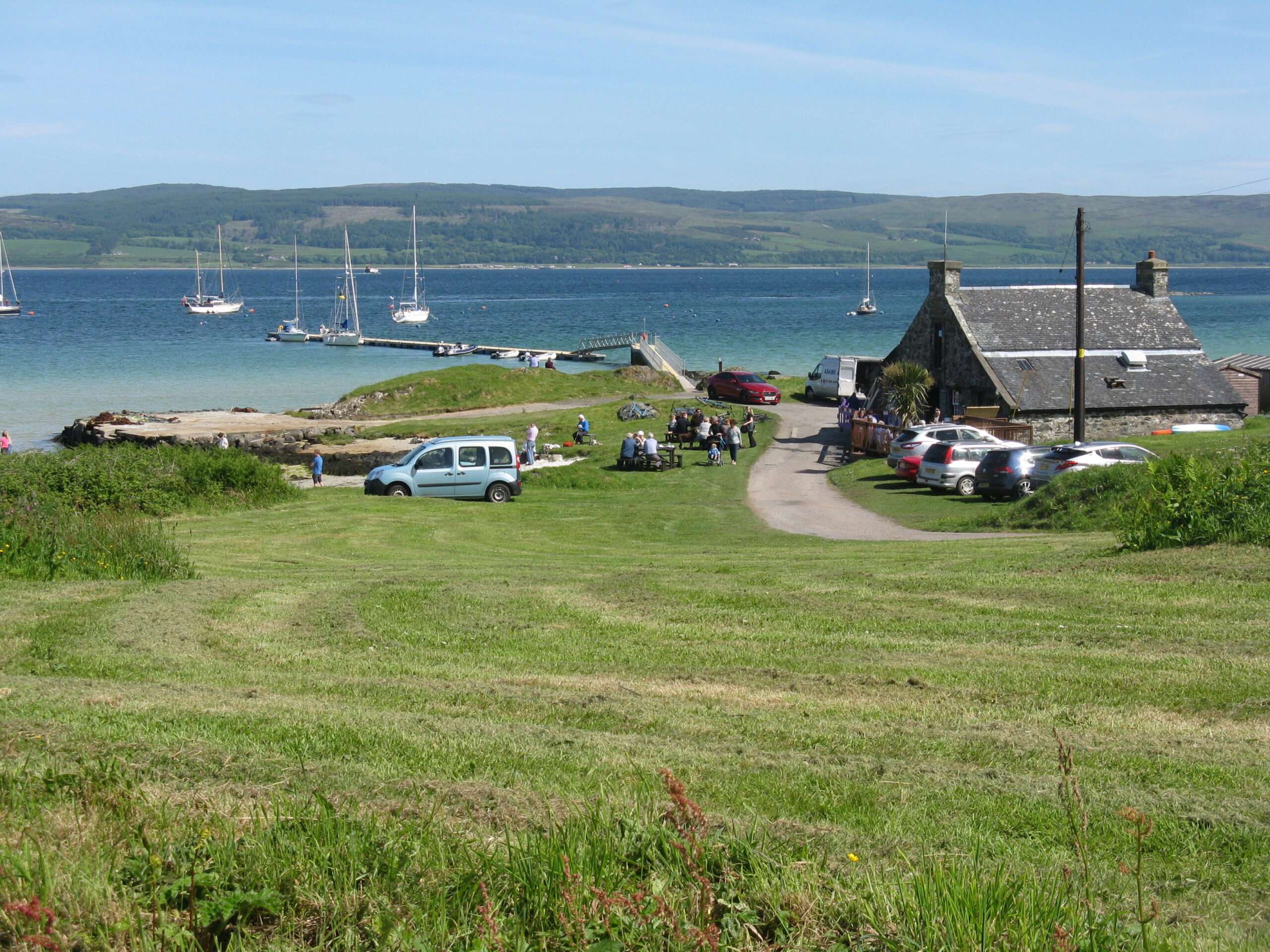
Once quite isolated – before the first steamships started passing by in 1877, people rowed or sailed across the three miles to the mainland and the island only got its first pier in 1895 – now there is a regular car ferry which takes just 20 minutes from the mainland. The community voted yes in 2002 on plans to try for a buyout and only 17 days after the ballot the £4 million was raised, the funds coming from the lottery-backed Scottish Land Fund, which gave its biggest grant ever of £3.5 million, and Highlands and Islands Enterprise, which provided £500,000, which was double its previous biggest grant.
It was a landmark decision – the biggest community buyout in the UK at the time with the island’s owner, Derek Holt, having turned down three private offers to allow the community sale to go ahead. There was a small catch – £1 million had to be repaid but a huge fundraising effort by the islanders, with ceilidhs, quizzes, sponsored rows around the island and the sale of the main property, Achamore House, saw that money raised. It hasn’t all been plain sailing – at one point finances were said to be on a “knife’s edge” and there have been highly public fallouts among islanders on the way forward. But there have been some unqualified successes – the sub-standard housing has been renovated thanks to funds from the “dancing ladies”, wind turbines bought by the Isle of Gigha Heritage Trust.
Gigha’s profile was further boosted in 2021 when it became the setting for a reality TV drama called Murder Island, written by famous crime author Ian Rankin, while in recent years the island has been gaining a reputation as a Dark Skies location. A site in the quiet north of the island has been named as a Dark Sky Discovery Site by the UK Dark Sky Discovery Partnership. On cloudless dark nights the Milky Way is clearly visible from here and the group behind the initiative, Dark Skies Gigha, holds several starry events over the year including a party to mark the Perseids meteor shower each August.
Ian says: “It’s a welcoming island, you only have to be here for ten minutes, and you feel you are at home. People come looking for a better quality of life and they find it on Gigha. It’s a fantastic place to live – I can’t explain it, it just gets you.”
BY: Judy Vickers
Main photo: Isle of Gigha – Twin Beaches by Brian Turner, CC BY-SA 2.0, via Wikimedia Commons.
Do you enjoy our content?
Content on the Scottish Banner website remains free for users. Stories and events listed for the international Scottish community continue to be an important resource for many across the world. As advertising revenue remains a challenge, our readers can donate to help us produce unique Scottish content for global Scots. Every contribution counts, no matter how small, and thank you for considering your support.
Support the Scottish Banner! To donate to assist with production of our publication and website visit: The Scottish Banner