
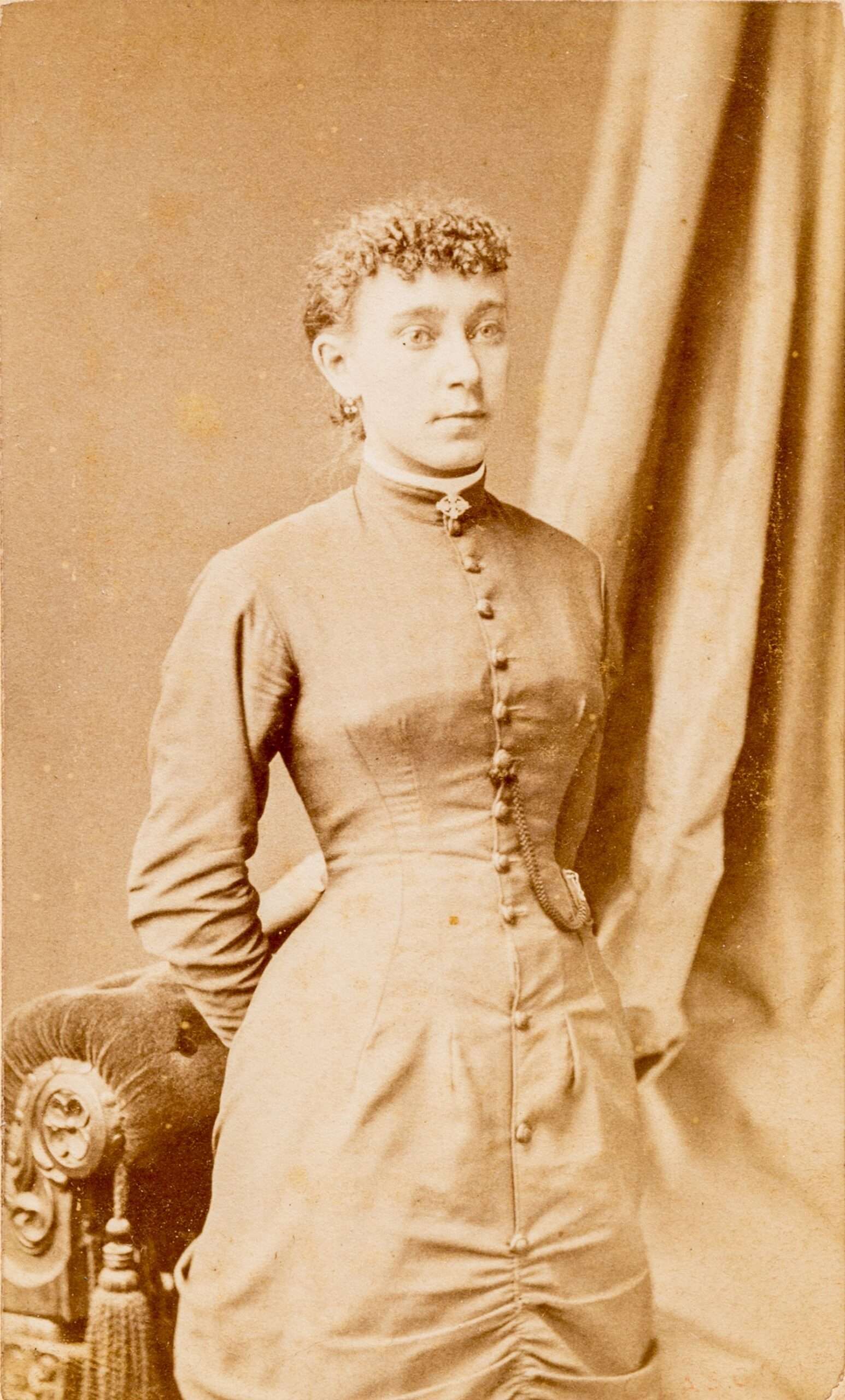
International Women’s Day (March 8) is a global day celebrating the social, economic, cultural and political achievements of women. The National Trust for Scotland celebrates stories of prominent women from its past. The women have enhanced Scotland’s rich heritage in art, conservation, estate management, forestry, horticulture, interior design and photography.
The National Trust for Scotland is celebrating the stories of the remarkable women associated with the special places in its care to mark International Women’s Day on March 8. The pioneering women, who are strongly associated with the conservation charity’s heritage places across the country, have been instrumental in the development of the historic properties, with the legacy of their achievements inspiring the work of the National Trust for Scotland to this day.
The stories of the women from different walks of life have been shared as part of International Women’s Day to celebrate their contributions to the social, economic, cultural, and political advancement of women. Some of them are remembered for their work in different fields from art, conservation and estate management, forestry, horticulture and interior design to name a few. Their work has influenced and enhanced Scotland’s rich cultural heritage that the National Trust for Scotland works hard to care for, share and protect, now and for future generations to enjoy.
Sarah Beattie, National Trust for Scotland Senior Curator, said: “We’re delighted to celebrate International Women’s Day by sharing the inspiring stories of some of the women associated with the special heritage places cared for by our charity. These women, from different backgrounds, have been influential in their respective fields and their achievements have helped challenge societal notions across the 18th, 19th and 20th centuries to leave lasting legacies that we work hard to conserve. It is thanks to the ongoing generosity of our members and supporters, that we’re able to continue our work to care for, protect and share Scotland’s nature, beauty and heritage for everyone.”
Inspiring stories
Hannah Lorimer (1854 – 1947) – Kellie Castle, Fife
Hannah’s love of art grew from staying at Kellie Castle in Fife as a young woman, where she was inspired to compose music and create art, embroidery, paintings and sculptures. Her creativity and curiosity led her to learn about plaster moulding from her family’s renovation of the property, with her skills helping to secure the opportunity to complete the decorative plaster ceilings at Falkland Palace for the Marquess of Bute.
While her brother (John Henry Lorimer) and nephew (Hew Lorimer) became famous for their artistic endeavours, Hannah was never considered a professional artist, but her legacy lives on through her work.
Miss Christian Dalrymple (1765 – 1839) – Newhailes House & Garden, East Lothian
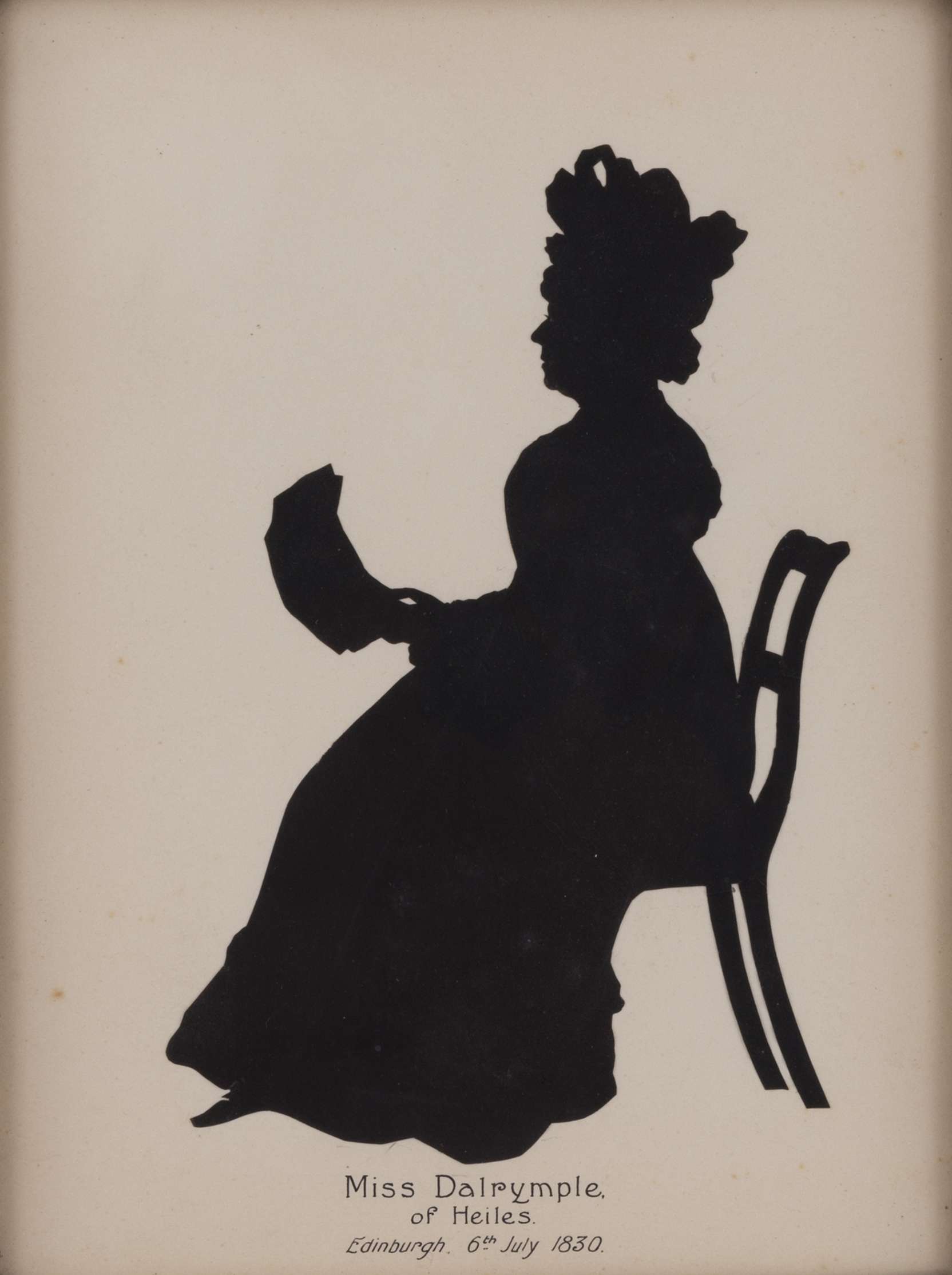
Christian inherited Newhailes estate as the eldest daughter of her father, Sir David Dalrymple, Lord Hailes, 3rd Baronet of Hailes, who died in 1792. However, as a woman, Christian, was unable to inherit his baronetcy and focused her efforts to improve and manage the condition of the estate, repairing the library roof, improving the servants’ accommodation and extending the stable block.
As an early pioneer of conservation, Christian protected the grounds from industrialisation, helping to safeguard her legacy and the beautiful landscape at Newhailes for future generations.
Mary Irvine (1721 – 1779) – Drum Castle, Aberdeenshire
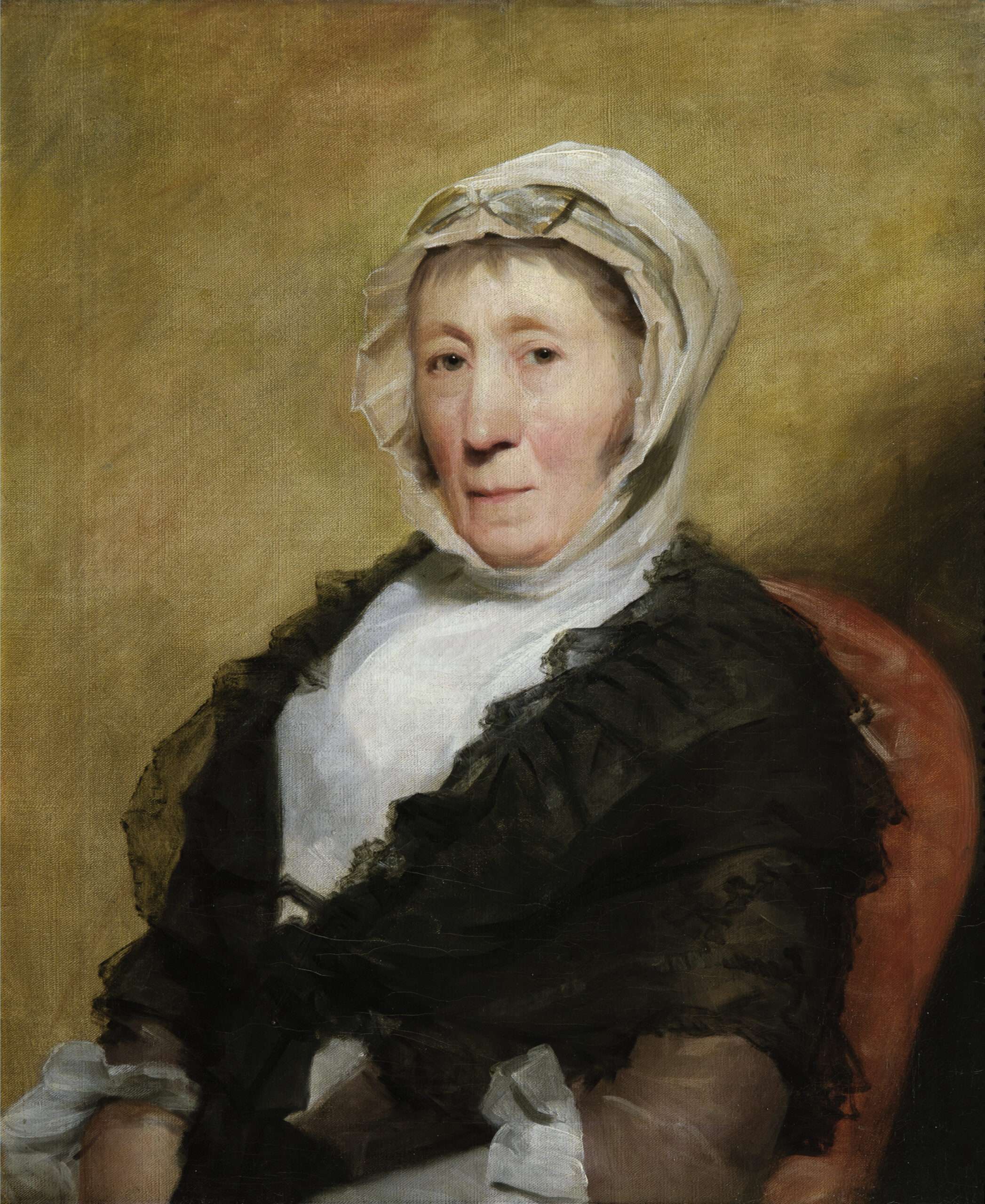
A prominent figure from Scottish history, Mary helped her brother, Alexander Irvine, hide from Redcoats in a secret room at the castle following the Battle of Culloden. Following his death in France after his exile, Mary dedicated her life to managing the estate at Drum where she established the Royal Forest of Drum, with remnants from the ancient oak woodland still surviving to this day. Mary was influential in creating and maintaining a working forest and negotiated a good price for oak timber with local shipbuilders.
An advocate for conservation, Mary recognised the importance of the forest and the dual value it offered, expressing her thoughts on the trees, ‘I think they must be profitable as well as pretty’. Mary was daughter of Alexander Irvine, 16th Laird of Drum Castle.
Mairi Sawyer (1879 – 1953) – Inverewe Garden, Scottish Highlands
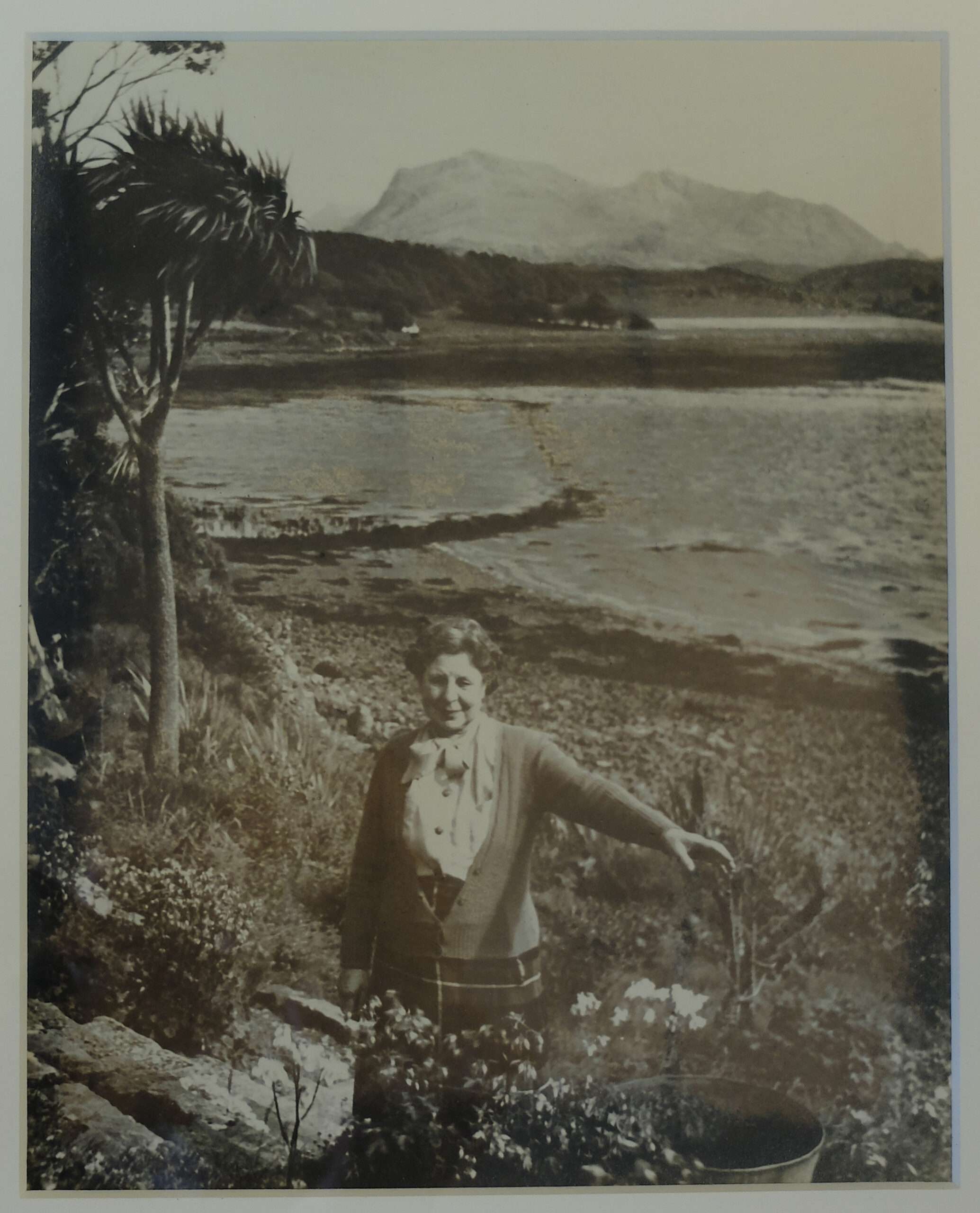
Having spent most of her life at Inverewe, it is no surprise that Mairi shared her father, Osgood Mackenzie’s passion for gardening. After his death in 1922, Mairi took over caring for the ambitious loch-side garden, containing plant species from across the globe, which was transformed from a barren wilderness in the Scottish Highlands into a coastline paradise that is a feast for the senses.
Although hindered by labour shortages after the Second World War, Mairi was determined to make the garden a success and in the spirit of inclusion, opened the garden to paying visitors for the first time to share its unusual and exotic plants for everyone to enjoy.
Margaret Macdonald Mackintosh (1864 – 1933) – Hill House, Helensburgh and Mackintosh at the Willow, Glasgow
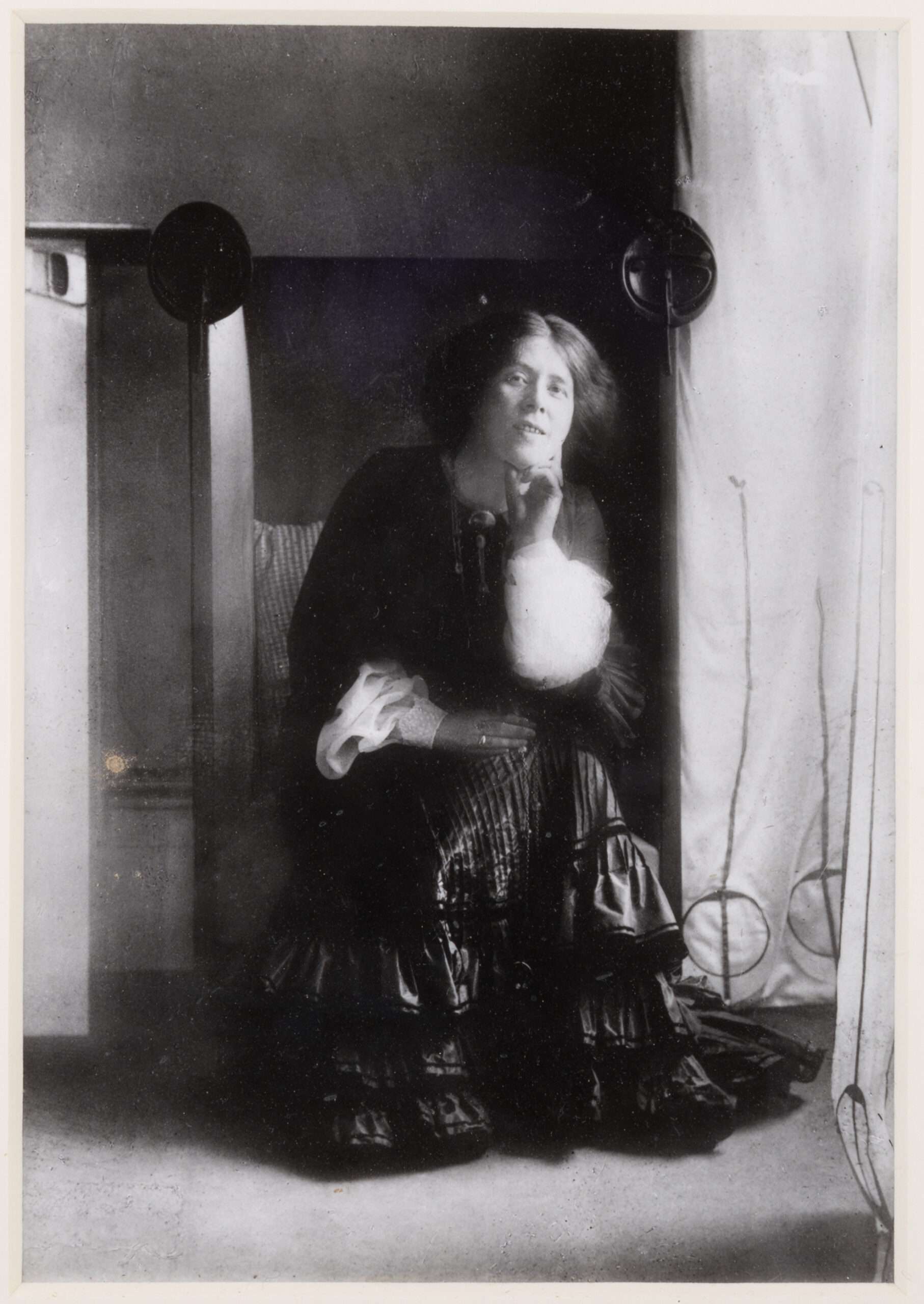
Having studied at the Glasgow School of Art in the late 19th century, it is here that Margaret met Charles Rennie Mackintosh, which was the catalyst for a life-long artistic partnership that influenced interior design and architecture in the following years. Despite attracting attention on her own merit, the husband-and-wife duo worked collaboratively on many projects, so it is unclear how much she inspired his work, with both designers having contributed to the development of the ‘Glasgow style’ from 1890s to around 1914.
Regarded as one of the most versatile, imaginative and successful artists working in Glasgow in the early 20th century, original examples of her work can be found inside the Hill House, in Helensburgh, as well as in the recreated interiors of the Mackintosh at the Willow tea rooms on Glasgow’s Sauchiehall Street.
Agnes Toward (1886 – 1975) – Tenement House, Glasgow
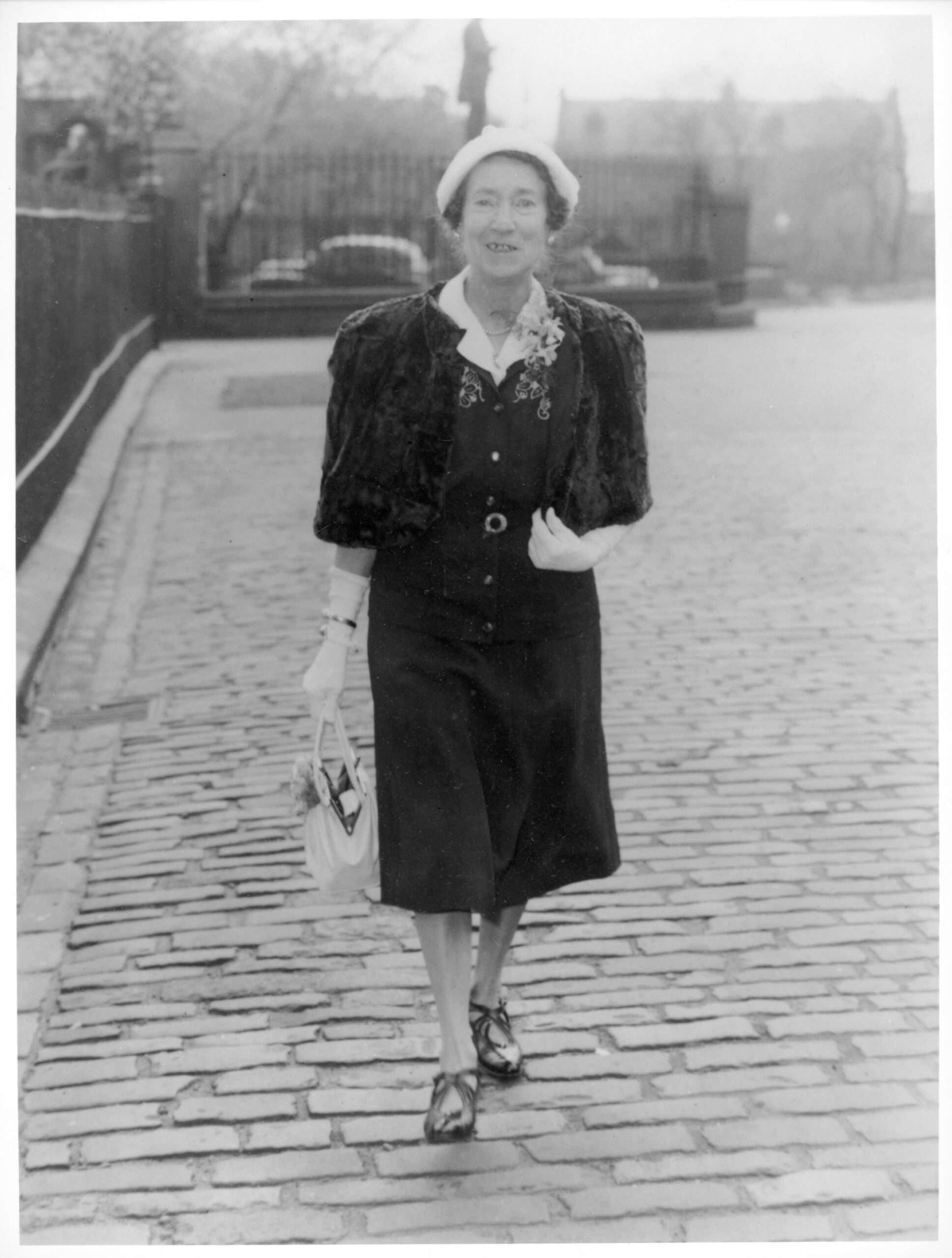
Mrs Agnes Toward and her daughter Miss Agnes Toward were the epitome of independent Glaswegian women in the 19th and 20th century. Mrs Toward had to provide for her daughter following the death of her husband in 1889 and successfully ran two dressmaking shops in the city to provide a middle-class upbringing for Miss Toward. Despite societal pressure on women to marry and the notion of ‘spinsterhood’ that dictated how widowed and single women were viewed at this time, Mrs Toward led an independent life with her daughter, moving into the Tenement House in 1911.
Miss Agnes Toward was afforded a good education due to her mother’s work ethic, which led her to formal college qualifications that helped her secure and hold the job as a typist with Prentice, Service & Henderson, a role she held for almost 50 years. Unlike many of her colleagues who would have stopped working following marriage, Miss Toward never married and continued working until the age of 73.
Text and images courtesy of the National Trust for Scotland. For more information on the National Trust for Scotland and the properties and stories above, please visit: www.nts.org.uk.
Main photo: Mrs Agnes Toward, the former resident of Tenement House in Glasgow.
Do you enjoy our content?
Content on the Scottish Banner website remains free for users. Stories and events listed for the international Scottish community continue to be an important resource for many across the world. As advertising revenue remains a challenge, our readers can donate to help us produce unique Scottish content for global Scots. Every contribution counts and thank you for considering your support.
Support the Scottish Banner! To donate to assist with production of our publication and website visit: The Scottish Banner